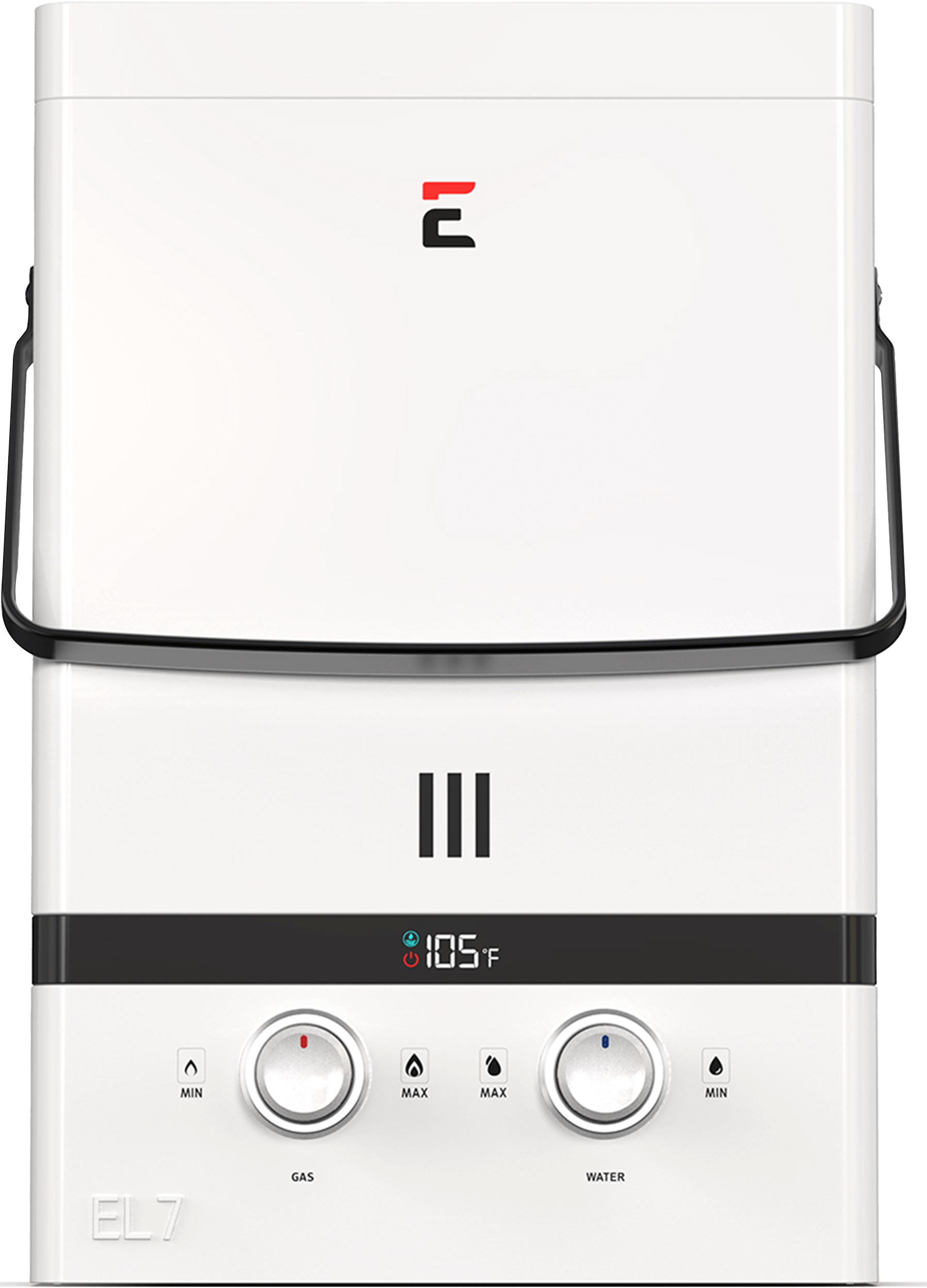
 Weekly Deals
 Water Heaters
 Accessories
 Installation
 Parts
Parts
 Protection Plans
 Final Sale


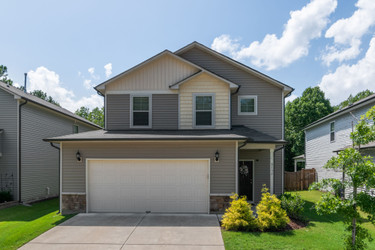


First Home, Smart Choice: Why New US Homeowners Are Going Tankless in 2026
Buying a first home is one of the most exciting milestones in life. For many Americans, 2026 represents a fresh start filled with new opportunities, responsibilities, and decisions that can impact comfort, convenience, and long-term expenses. As spring home-buying activity reaches its annual peak and thousands of first-time buyers settle into their new properties, many are taking a closer look at the appliances and infrastructure they inherit with their homes.
Among the most important yet often overlooked household essentials is the water heater. While many first-time homeowners focus on furniture, paint colors, landscaping, and smart home gadgets, the water heater quietly influences daily comfort and monthly utility costs. In recent years, tankless water heaters have become an increasingly popular choice among new homeowners seeking efficiency, reliability, and modern convenience.
The growing interest in the new homeowner tankless water heater US 2026 trend reflects a broader shift in consumer priorities. Today's first-time buyers are more informed than ever before. They research energy usage, compare long-term operating costs, and seek products that align with modern lifestyles. As a result, tankless technology is becoming a preferred solution for homeowners who want to make smart investments from day one.
Why First-Time Homeowners Are Thinking Differently
The homeownership landscape has changed significantly over the past decade. Modern buyers often enter the market with a strong awareness of monthly budgets and future maintenance expenses. Rather than focusing solely on purchase price, they evaluate how every component of a home affects ongoing costs.
This mindset has encouraged many buyers to inspect aging appliances immediately after moving in. Traditional storage-tank water heaters often rank high on the replacement list, especially when they are approaching the end of their service life or showing signs of inefficiency.
New homeowners understand that replacing outdated equipment before a breakdown occurs can help prevent unexpected expenses and disruptions. Instead of waiting for an emergency, many are proactively upgrading to tankless technology shortly after purchasing their homes.
The appeal is particularly strong among younger homeowners who value energy efficiency and smart spending. They recognize that every improvement made early in the ownership journey can provide years of benefits.
Understanding How Tankless Water Heaters Work
Unlike conventional water heaters that continuously store and heat water in a large tank, tankless models heat water only when needed. When a hot water tap is opened, cold water flows through a heat exchanger where it is rapidly heated before reaching the faucet, shower, or appliance.
This approach eliminates the need to maintain a large volume of heated water throughout the day. Instead, hot water is produced on demand, helping reduce energy waste associated with standby heating.
For first-time homeowners, this concept is easy to appreciate. Rather than paying to keep water hot around the clock regardless of usage, energy is consumed only when hot water is actually required.
The result is a more efficient approach to water heating that aligns with the expectations of modern homeowners.
Lower Utility Bills Matter More Than Ever
One of the primary reasons new homeowners are exploring tankless technology in 2026 is the potential for reduced energy costs.
After purchasing a home, many first-time buyers experience surprise expenses. Property taxes, homeowner's insurance, maintenance costs, landscaping, and utility bills can add up quickly. Finding ways to improve efficiency becomes a priority.
Because tankless water heaters operate only when hot water is needed, they often consume less energy than traditional tank-based models. Over time, these savings can contribute to lower monthly utility expenses.
For homeowners managing mortgage payments and household budgets, even modest reductions in recurring costs can make a meaningful difference. This practical financial benefit is helping drive adoption among new buyers across the United States.
As energy prices remain a concern for many households, efficient water heating solutions continue to gain attention.
Endless Hot Water Appeals to Growing Families
Many first-time homeowners are purchasing homes with future plans in mind. Whether they are newly married, expecting children, or planning to expand their households over time, they want appliances capable of supporting changing needs.
One of the most attractive features of tankless technology is its ability to provide a continuous flow of hot water. Traditional storage-tank models can run out of hot water when demand exceeds available supply. This often happens during busy mornings when multiple family members need showers, laundry, and dishwashing at the same time.
Tankless water heaters address this challenge by heating water as it flows through the appliance. As long as the equipment is properly sized for household demand, hot water remains available without the limitations associated with a storage tank.
For growing families, this added convenience can significantly improve everyday living.
More Space for Modern Homes
Space efficiency is another major factor influencing purchasing decisions among new homeowners.
Many recently built homes emphasize functional layouts and efficient use of available square footage. Homeowners increasingly seek ways to maximize storage areas, utility rooms, garages, and laundry spaces.
Traditional tank-style water heaters can occupy a significant amount of floor space. Tankless alternatives are typically much more compact and can often be mounted on a wall.
For homeowners trying to optimize available space, this smaller footprint can be highly appealing. The extra room may be used for storage, organization, or other household needs.
In townhomes, smaller houses, and urban properties where space is particularly valuable, the compact nature of tankless technology becomes an even stronger advantage.
Longer Lifespan Creates Long-Term Value
First-time buyers often view home upgrades through a long-term lens. They want products that deliver reliable performance and minimize replacement costs.
Tankless water heaters are frequently recognized for their potential longevity when properly maintained. While exact service life varies based on installation quality, water conditions, and maintenance practices, many homeowners appreciate the possibility of extended operation compared to older tank-based alternatives.
This longer lifespan can help reduce the frequency of major replacement projects over the years.
For someone just beginning their homeownership journey, investing in equipment designed for long-term performance can provide peace of mind and financial value.
The idea of installing a water heater that may continue serving the household for many years resonates strongly with buyers who plan to remain in their homes for an extended period.
Smart Home Compatibility Supports Modern Living
Technology continues to shape how Americans manage their homes. From smart thermostats to connected security cameras and intelligent lighting controls, homeowners increasingly expect convenience and accessibility.
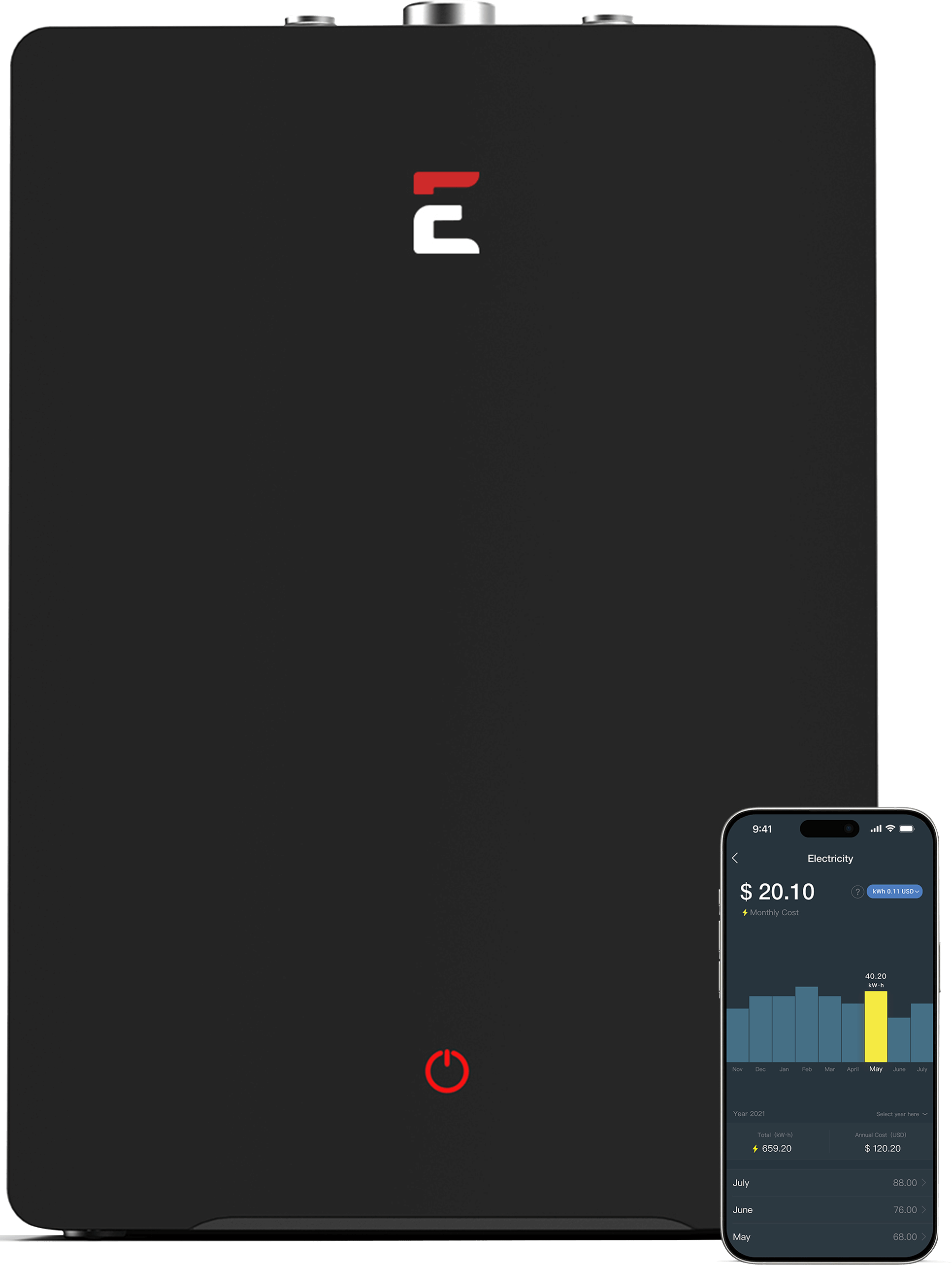
Many tankless water heaters now offer advanced monitoring features and digital controls. Depending on the model, homeowners may be able to monitor performance, adjust settings, and receive maintenance notifications through connected applications.
For younger buyers who already embrace smart technology in other aspects of their lives, these capabilities add another layer of appeal.
The ability to manage household equipment through modern interfaces aligns perfectly with the expectations of today's connected homeowners.
Sustainability Is Influencing Buying Decisions
Environmental awareness continues to influence purchasing behavior across multiple industries, including home improvement.
Many first-time homeowners want to reduce their environmental footprint while maintaining comfort and convenience. Energy-efficient appliances provide an opportunity to achieve both goals.
By reducing unnecessary energy consumption, tankless water heaters can support broader sustainability objectives. Homeowners appreciate knowing that their daily routines may require less energy compared to older technologies.
This balance between performance and environmental responsibility is especially important for younger generations entering the housing market.
As sustainability becomes a growing priority in 2026, tankless technology remains well-positioned to meet evolving consumer expectations.
Home Value Considerations
Homeownership often involves balancing present needs with future resale potential. Many buyers evaluate improvements not only for personal comfort but also for their potential impact on property appeal.
Modern, energy-efficient appliances are often viewed favorably by prospective buyers. A tankless water heater can serve as a desirable feature during future home sales because it signals updated infrastructure and reduced energy consumption.
While resale value depends on numerous factors, homeowners frequently view tankless technology as an investment that enhances overall property attractiveness.
For first-time buyers planning ahead, this consideration adds another reason to explore tankless options.
Why 2026 Is a Key Year for Tankless Adoption
Several market trends are converging to accelerate tankless water heater adoption among new homeowners in 2026.
The spring home-buying season continues to generate significant activity as buyers seek to move before summer. At the same time, consumers have greater access to information than ever before. Online reviews, comparison tools, educational resources, and social media discussions allow homeowners to thoroughly research products before making purchasing decisions.
Energy efficiency remains a major topic in household budgeting conversations, while advances in water heating technology have improved performance and accessibility.
These combined factors are encouraging more first-time homeowners to consider tankless solutions earlier in their ownership experience.
Rather than viewing a water heater as an afterthought, buyers increasingly recognize it as an important component of long-term home efficiency and comfort.
Choosing the Right Tankless Water Heater
Selecting the right tankless water heater involves evaluating household size, hot water usage patterns, fuel availability, installation requirements, and future needs.
New homeowners should consider how many bathrooms their home contains, how many people live in the household, and whether multiple hot water activities commonly occur simultaneously.
Working with qualified professionals can help ensure proper sizing and installation. An appropriately selected tankless water heater can deliver reliable performance while maximizing efficiency benefits.
Because every home has unique requirements, careful planning is essential for achieving the best results.
The Future of Water Heating for New Homeowners
The growing popularity of tankless water heaters reflects a broader shift toward smarter homeownership. Today's buyers want products that support financial responsibility, environmental awareness, convenience, and long-term value.
As more Americans purchase their first homes in 2026, many are choosing to modernize their properties with efficient technologies that align with contemporary lifestyles.
The rise of the new homeowner tankless water heater US 2026 trend demonstrates how informed consumers are redefining household priorities. Rather than accepting outdated equipment, they are actively seeking solutions that improve comfort while supporting future savings.
For first-time homeowners looking to make smart decisions from the beginning, a tankless water heater represents more than an appliance upgrade. It symbolizes a proactive approach to homeownership that emphasizes efficiency, reliability, and long-term value.
As housing markets remain active and consumer awareness continues to grow, tankless technology is likely to remain a leading choice for homeowners seeking practical improvements that deliver meaningful benefits for years to come.
Frequently Asked Questions (FAQ)
Why are first-time homeowners choosing tankless water heaters in 2026?
Many new homeowners are prioritizing energy efficiency, lower utility costs, space savings, and long-term value. Tankless water heaters align well with these goals by heating water only when needed.
Do tankless water heaters provide unlimited hot water?
Tankless water heaters can provide a continuous supply of hot water as long as the appliance is properly sized for the household's demand.
Can a tankless water heater help lower energy bills?
Yes. Because tankless models avoid continuously heating stored water, they often use less energy than traditional tank-style water heaters.
Are tankless water heaters suitable for small homes?
Yes. Their compact design makes them an excellent choice for homes where maximizing available space is important.
Is a tankless water heater a good investment for a first home?
Many homeowners consider tankless water heaters a worthwhile investment because they offer efficiency, convenience, and long-term performance benefits.
How long can a tankless water heater last?
Service life varies depending on maintenance, water quality, and usage patterns, but many tankless water heaters are known for their long-term durability.
Do tankless water heaters work well with smart home technology?
Many modern models include digital controls and connectivity features that allow homeowners to monitor performance and adjust settings conveniently.
Will a tankless water heater increase home value?
While resale value depends on many factors, energy-efficient upgrades such as tankless water heaters can make a property more attractive to future buyers.