 Weekly Deals
 Water Heaters
 Accessories
 Installation
 Parts
Parts
 Protection Plans
 Final Sale




Can a Tankless Water Heater Freeze? 8 Ways to Protect It Before Winter
As temperatures begin to drop, homeowners in cold-weather regions need to think about more than just keeping their homes warm. Your plumbing system and tankless water heater can also be vulnerable to freezing temperatures. If water remains inside a tankless water heater or its connected plumbing and freezes, the expanding ice can place significant pressure on components and potentially cause costly damage.
So, can a tankless water heater freeze?
Yes. A tankless water heater can be damaged by freezing temperatures if water remains inside the heater or connected plumbing and adequate freeze protection is not maintained.
The good news is that homeowners can take several steps before winter arrives to reduce the risk. Depending on the installation, these steps can include protecting exposed pipes, maintaining electrical power to the heater, understanding built-in freeze protection, preparing for power outages, and completely draining the water heater when it will not be used during freezing weather.
This guide explains why freezing can be a problem and provides eight practical ways to help protect your tankless water heater before winter.
Understand Why Water Freezing Can Damage a Tankless Water Heater
Water expands when it freezes. This is one of the most important reasons freezing temperatures can create problems for plumbing and water-heating equipment.
When liquid water inside a pipe or water heater freezes, it can expand and create pressure within a confined space. That pressure can potentially damage plumbing connections, heat exchangers, valves, fittings, and other water-containing components.
A tankless water heater does not store a large tank of hot water, but that does not mean it is immune to freezing. Water can remain inside the heat exchanger and internal waterways after the heater stops operating. Water can also remain in the inlet and outlet plumbing connected to the heater.
This is particularly important when a tankless water heater is installed in an area exposed to cold temperatures.
The risk is not limited to the temperature outside the home. An enclosed garage, basement, utility room, shed, or other space can also become cold enough to create a freezing concern if it is not adequately protected.
The key is to understand that a tankless water heater can still contain water even when no one is using hot water.
Before winter arrives, identify where your heater is installed, which pipes are exposed to cold temperatures, and what freeze-protection measures apply to your particular model.
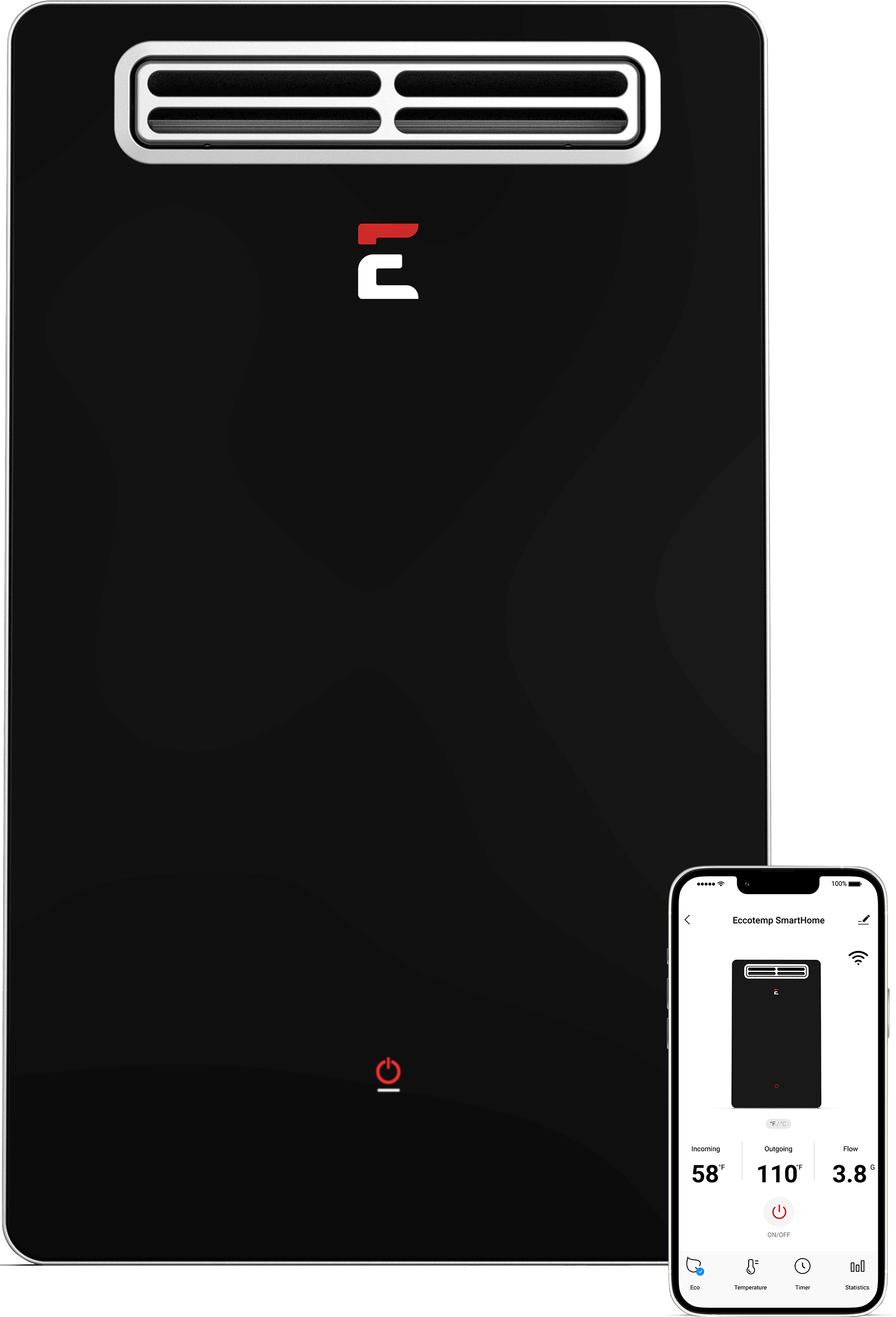
Pay Special Attention to Outdoor Tankless Water Heater Installations
Outdoor installations require additional attention because the water heater is directly exposed to outdoor conditions.
Outdoor tankless water heaters are designed for outdoor installation, but homeowners should still understand how their particular model handles freezing temperatures. Built-in freeze protection can help protect internal components under certain conditions, but it is not a substitute for following the manufacturer's installation and winterization instructions.
The surrounding environment also matters.
For example, a heater installed in a relatively sheltered location may experience different conditions from one installed on an exposed exterior wall. Wind, temperature, installation configuration, plumbing exposure, and electrical availability can all affect the potential for freezing.
The pipes connected to an outdoor heater can also be vulnerable. Even if the heater itself has freeze-protection features, exposed water lines can still require additional protection.
Before winter, inspect the entire installation rather than focusing only on the heater cabinet.
Look for exposed sections of water piping, connections, valves, and other plumbing that may be exposed to freezing temperatures. Any insulation or protective materials should be inspected to make sure they are in good condition and properly installed.
Know How Your Tankless Water Heater's Freeze Protection Works
Many modern tankless water heaters include freeze-protection features designed to help reduce the risk of freezing under appropriate conditions.
However, homeowners should not assume that freeze protection means the heater can never freeze.
Freeze protection generally depends on the heater having the conditions necessary for the protection system to operate. Depending on the model, this can include having an adequate electrical power supply.
This is particularly important for homeowners with gas-powered tankless water heaters. Even though the heater uses gas to heat the water, certain electronic components and freeze-protection systems may require electricity.
Read your owner's manual before winter and determine exactly what freeze protection your model provides.
Pay attention to the manufacturer's specified temperature range, power requirements, installation requirements, and winterization procedures.
If you are unsure whether your model has freeze protection or how it operates, check the documentation for your specific Eccotemp model before cold weather arrives.
Insulate Exposed Pipes Before Temperatures Drop
One of the simplest preventative measures homeowners can take is protecting exposed water pipes.
Even when a tankless water heater has built-in freeze protection, connected plumbing can remain vulnerable. Pipes located outdoors, in unheated garages, crawl spaces, exterior walls, or other cold areas may be exposed to freezing temperatures.
Pipe insulation can help slow heat loss and reduce exposure to cold temperatures.
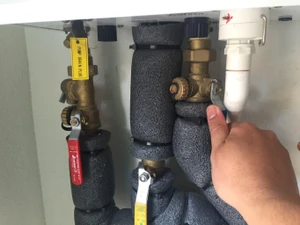
Before winter, inspect exposed plumbing around your tankless water heater. Look for sections of pipe that are not insulated or where existing insulation has deteriorated.
Pay particular attention to:
- Water inlet and outlet pipes
- Exterior plumbing
- Pipes located in unheated spaces
- Connections near outdoor installations
- Plumbing entering or leaving an exterior wall
Use insulation appropriate for the plumbing application and follow local building requirements and the manufacturer's recommendations.
Insulation does not make a pipe completely freeze-proof. It primarily slows the transfer of heat. During prolonged periods of freezing weather, additional measures may still be necessary.
Maintain Electrical Power When Freeze Protection Requires It
One of the most commonly overlooked freeze risks is a power outage.
A homeowner may have a gas-powered tankless water heater and assume that the heater will continue protecting itself during an electrical outage. However, electronic controls and freeze-protection features may require electrical power.
If the power goes out during freezing weather, the heater's normal freeze-protection function may not operate.
This is why homeowners should understand the relationship between their water heater and its electrical supply before winter.
If your particular model requires electricity for freeze protection, make sure the power supply is reliable and that the electrical connection is installed according to the manufacturer's requirements.
It is also important to consider what happens during a prolonged outage.
If freezing temperatures are expected and power will not be restored promptly, follow the manufacturer's instructions for protecting or winterizing the water heater rather than assuming it will remain protected indefinitely.
For homeowners in areas where winter storms frequently cause outages, having a cold-weather emergency plan for the home's plumbing can be especially useful.
Have a Plan for Extended Power Outages
A short power interruption may not create the same risk as a prolonged outage during freezing weather.
If temperatures remain below freezing for an extended period and the tankless water heater loses power, water inside the heater and plumbing can eventually freeze.
The best response depends on the specific installation and the manufacturer's instructions.
If a prolonged outage is expected, homeowners should determine whether the water heater needs to be drained or otherwise winterized.
Do not assume that simply turning off the water heater is enough.
Turning a heater off can leave water inside the plumbing and heat exchanger. If the surrounding temperature remains below freezing, that water can still freeze.
If you are dealing with an emergency power outage during freezing weather, consult the owner's manual for the correct procedure for your model. If you are unsure how to safely drain or winterize the heater, contact a qualified professional.
Planning ahead is much easier than trying to figure out how to protect the system after temperatures have already fallen below freezing.
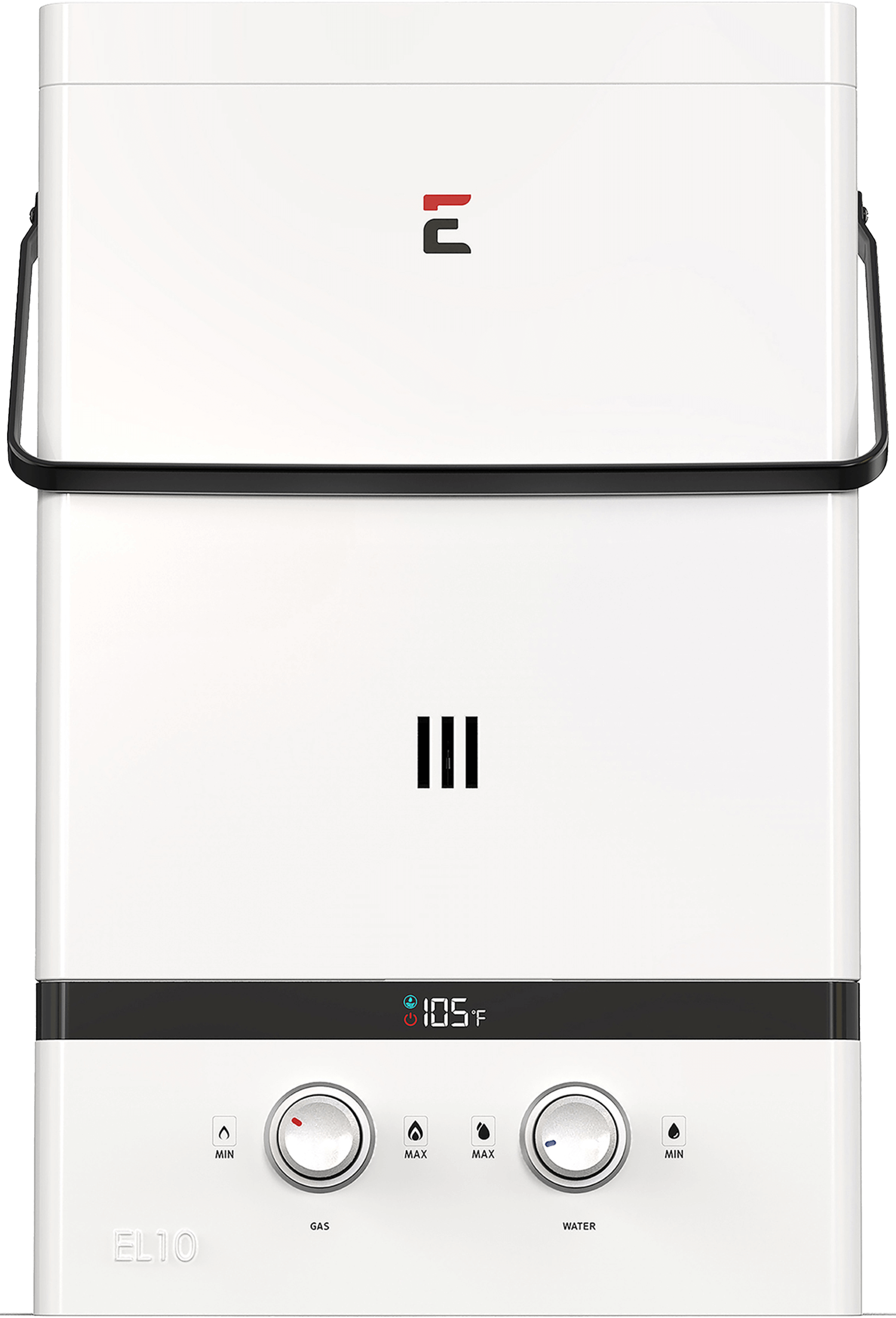
Drain Portable Tankless Water Heaters After Use
Portable tankless water heaters require a different approach from permanently installed whole-home water heaters.
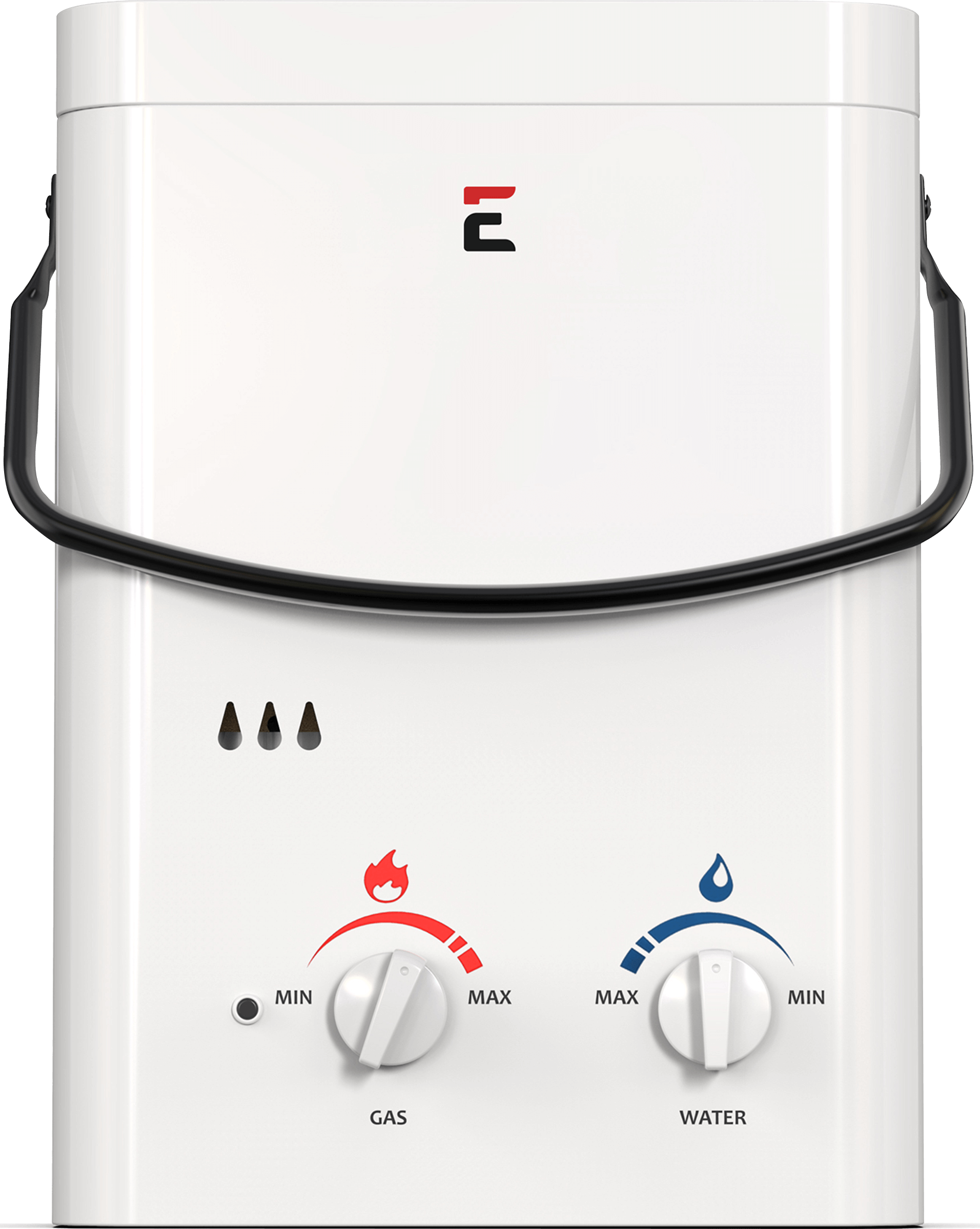
Portable models are often used for camping, outdoor cleaning, temporary water service, and other applications where the heater may be transported or stored between uses.
Because portable heaters can be used outdoors, they can be exposed to cold temperatures after use. Leaving water inside the heater, pump, hose, or plumbing connections can create a freezing risk when temperatures drop.
After using a portable water heater in cold weather, follow the manufacturer's instructions for shutting down and draining the heater.
This can include disconnecting the water supply, removing hoses, opening appropriate connections, and allowing remaining water to drain according to the model's instructions.
Do not store a portable water heater outdoors during freezing conditions unless the manufacturer specifically indicates that it is suitable for those conditions.
Portable equipment should generally be stored in an appropriate protected location when it is not being used.
A few minutes of proper draining after use can help prevent water from remaining trapped inside components where it could freeze.
Completely Winterize the Heater When It Will Not Be Used
There is an important difference between protecting a tankless water heater during normal winter operation and completely winterizing a heater that will be unused during freezing conditions.
If you live in a home year-round and the tankless water heater remains in service, you may rely on the manufacturer's freeze-protection procedures along with appropriate plumbing protection.
But if a property will be vacant for an extended period, the situation can be different.
Vacation homes, seasonal properties, cabins, rental properties, and other buildings that will remain unused during freezing weather may require complete winterization.
In these situations, homeowners should follow the manufacturer's instructions for draining the water heater and associated plumbing.
The goal is to remove water from areas where it could freeze and cause damage.
Simply leaving the heater turned off is not necessarily sufficient.
If you are preparing a seasonal property for winter, consider the entire plumbing system rather than only the water heater. Water can remain in supply lines, faucets, fixtures, pumps, filters, and other components.
For complex plumbing systems, professional winterization may be appropriate.
What About Built-In Freeze Protection?
Built-in freeze protection can be an important feature of a tankless water heater, but homeowners should understand its limitations.
Freeze protection is designed to help reduce the risk of freezing under specified operating conditions. It does not necessarily protect every part of the home's plumbing system.
For example, the tankless water heater may be protected while an exposed section of pipe farther away from the heater remains vulnerable.
Freeze protection may also depend on electrical power.
This is why it is important to read the documentation for your specific model rather than assuming that all tankless water heaters operate the same way.
Before winter, verify:
- Whether your model has built-in freeze protection
- The temperatures for which the protection is designed
- Whether electricity is required
- Whether the water heater needs to remain powered
- What the manufacturer recommends during extended outages
- When complete winterization is recommended
Understanding these details can help you create a winter-preparation plan based on your actual installation.
Signs Your Installation May Need Additional Winter Protection
Some installations deserve extra attention before winter.
Your tankless water heater may need additional protection if it is installed outdoors, in an unheated space, or in an area where water pipes are exposed to freezing temperatures.
You should also take extra precautions if the property is frequently vacant, experiences regular winter power outages, or contains long sections of exposed plumbing.
Older or damaged pipe insulation can also increase vulnerability.
Walk around the installation before the first major cold spell and inspect the plumbing carefully. Look for exposed pipes, damaged insulation, gaps, and other areas where cold air could reach the water lines.
Addressing these issues before winter is generally easier than dealing with frozen plumbing after temperatures have already dropped.
What to Do Before the First Freeze
A simple pre-winter inspection can help identify potential problems before freezing temperatures arrive.
Start by locating your tankless water heater and identifying whether it is installed indoors or outdoors.
Next, inspect the water lines connected to the heater. Determine whether any sections are exposed to outdoor temperatures or located in unheated spaces.
Check the owner's manual to understand your model's freeze-protection requirements.
If electrical power is required for freeze protection, make sure the heater remains connected to the appropriate power supply during cold weather.
Inspect pipe insulation and replace or repair damaged sections as needed.
If your home is located in an area where extended power outages are possible, determine what you will do if the heater loses power during freezing conditions.
Finally, if the heater will not be used for an extended period, determine whether complete winterization is necessary.
Don't Wait Until the First Freeze
Winter protection should begin before freezing temperatures arrive.
Once temperatures are already below freezing, you may have limited time to identify exposed pipes, repair insulation, or determine how to properly drain a heater.
Preparing early gives you time to inspect the installation, review the manufacturer's instructions, and address potential vulnerabilities.
For homeowners with outdoor tankless water heaters, this preparation is particularly important because both the heater and its connected plumbing can be exposed to cold weather.
For portable water heaters, make draining and proper storage part of your normal cold-weather routine.
And for seasonal or vacant properties, complete winterization may be necessary before the property is left unattended.
Final Thoughts
A tankless water heater can be vulnerable to freeze damage when water remains inside the heater or connected plumbing during freezing temperatures. However, homeowners can take practical steps to reduce the risk.
The most important things to remember are to understand your heater's freeze-protection features, protect exposed plumbing, maintain required electrical power, prepare for extended outages, properly drain portable heaters, and completely winterize equipment that will remain unused during freezing weather.
Every installation is different, so always follow the manufacturer's instructions for your specific Eccotemp tankless water heater.
Winter preparation is much easier before the temperature drops. Take time now to inspect your heater, protect exposed plumbing, and make a plan for freezing weather so your hot water system is ready when winter arrives.
Frequently Asked Questions
Can a tankless water heater freeze?
Yes. A tankless water heater can freeze if water remains inside the heater or connected plumbing and temperatures become low enough. Outdoor installations and heaters located in unheated spaces may require additional protection.
Do tankless water heaters have freeze protection?
Some tankless water heaters include built-in freeze-protection features. The exact protection varies by model, so homeowners should check the owner's manual for their specific heater.
Does freeze protection work during a power outage?
Freeze protection may require electrical power, depending on the model. If your heater relies on electricity for its freeze-protection system, an extended power outage during freezing weather can create additional risk.
Should I insulate the pipes connected to my tankless water heater?
Exposed plumbing may benefit from appropriate pipe insulation, particularly when pipes are located outdoors or in unheated spaces. Follow the manufacturer's recommendations and applicable local requirements.
Can an outdoor tankless water heater freeze?
Yes. Outdoor tankless water heaters can be exposed to freezing temperatures. Built-in freeze protection can help on models equipped with it, but homeowners should also consider exposed plumbing, electrical power, and the specific installation environment.
What should I do with a portable tankless water heater during winter?
Portable tankless water heaters should be properly shut down and drained after use when freezing temperatures are possible. Follow the manufacturer's instructions for draining and storing the specific model.
Is turning off a tankless water heater enough for winter?
Not necessarily. Turning off the heater can leave water inside the heat exchanger and plumbing. If freezing temperatures are expected, follow the manufacturer's winterization instructions for your specific model.
When should I completely winterize my tankless water heater?
Complete winterization may be appropriate when a water heater will remain unused during freezing conditions, such as at a seasonal home, cabin, vacation property, or other vacant building. Follow the manufacturer's instructions for proper draining and winterization.
How can I protect my tankless water heater before winter?
Start by checking the heater's freeze-protection features, inspecting exposed plumbing, insulating vulnerable pipes, maintaining required electrical power, preparing for potential power outages, and determining whether the heater needs to be completely winterized.
Does pipe insulation completely prevent freezing?
No. Pipe insulation slows heat loss but does not guarantee that water will not freeze during prolonged exposure to very cold temperatures. Additional freeze-protection or winterization measures may be necessary depending on the installation and weather conditions.