 Weekly Deals
 Water Heaters
 Accessories
 Installation
 Parts
Parts
 Protection Plans
 Final Sale


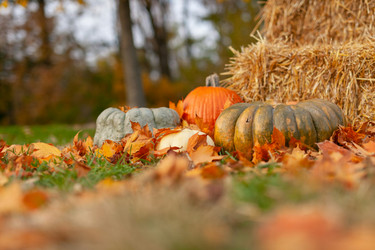


The 2026 Fall Home Prep Checklist: 7 Things to Check Before Cold Weather Arrives
As summer begins to fade and cooler temperatures arrive, homeowners have an important opportunity to prepare their homes for the months ahead. Fall is more than a season of changing leaves and cooler evenings. It is also the ideal time to inspect the systems around your home that may be affected by cold weather, especially plumbing, water heating, outdoor connections, exposed pipes, ventilation, and other areas that can become vulnerable as temperatures drop.
Taking care of these tasks before the first significant cold snap can help prevent unexpected problems, reduce the likelihood of freeze-related damage, and make your home more comfortable throughout the colder months. A few simple inspections in the fall can also help identify small issues before they develop into expensive repairs.
For homeowners who rely on hot water every day, fall is also a good time to evaluate the condition and performance of the water heater. A properly maintained tankless water heater can provide hot water when needed while taking up less space than traditional storage-style equipment. Whether you already have a tankless water heater or are considering an upgrade, including your water heating system in your fall maintenance routine can help prepare your home for the season ahead.
Here is a closer look at seven important areas to check before cold weather arrives.
Check Your Outdoor Plumbing
Outdoor plumbing should be one of the first areas homeowners inspect when preparing for fall. Outdoor faucets, hose connections, irrigation lines, and other exposed plumbing can be especially vulnerable when temperatures begin to fall. Water left inside outdoor plumbing can freeze when temperatures drop low enough, and expanding ice can place significant pressure on pipes and connections.
Start by disconnecting garden hoses from outdoor faucets. Leaving a hose connected can prevent water from draining properly and may allow water to remain trapped inside the faucet or connected plumbing. Store hoses in a dry location where they will be protected from freezing temperatures and unnecessary weather exposure.
Homeowners should also inspect outdoor faucets for dripping, leaking, or damaged connections. A faucet that leaks during warm weather may become a more significant concern when temperatures fall. If an outdoor faucet or plumbing connection appears damaged, it is better to address the problem before freezing weather arrives.
If your property has an outdoor kitchen, wash station, shower, or other outdoor water connection, check those systems as well. Outdoor plumbing should be properly drained and protected according to the manufacturer's recommendations. Some installations may require additional freeze protection depending on the climate and how the plumbing is configured.
Fall is also a good time to check irrigation systems. Depending on your location, seasonal irrigation lines may need to be drained or winterized before freezing conditions arrive. Following the recommendations for your specific irrigation system can help reduce the possibility of damage caused by trapped water.
Inspect Your Water Heater
Your water heater deserves special attention during fall maintenance because colder incoming water can affect how your home uses hot water. When the temperature of the incoming water drops, your water heater may need to work harder to raise that water to the desired temperature.
For homeowners using a tankless water heater, fall is a good time to inspect the installation and make sure the system is operating properly. Check around the water connections for signs of leakage and look for unusual corrosion, damaged fittings, or other visible issues.
Gas-powered tankless water heaters should also be inspected for proper ventilation and combustion-air requirements. The venting system should remain clear and should not be blocked by leaves, debris, snow, or other materials. If you notice damaged venting or anything that appears unusual, consult a qualified professional before continuing to use the equipment.
Electric tankless water heaters should also receive a seasonal inspection. Check for visible signs of damage and make sure the surrounding area remains clear. Electrical connections and service requirements should always be handled according to the manufacturer's instructions and applicable local requirements.
Fall is also an appropriate time to review your water heater's maintenance schedule. Depending on water quality and usage, tankless water heaters may require periodic flushing or descaling to help maintain performance. Mineral buildup can affect heat transfer and water flow, particularly in areas with hard water.
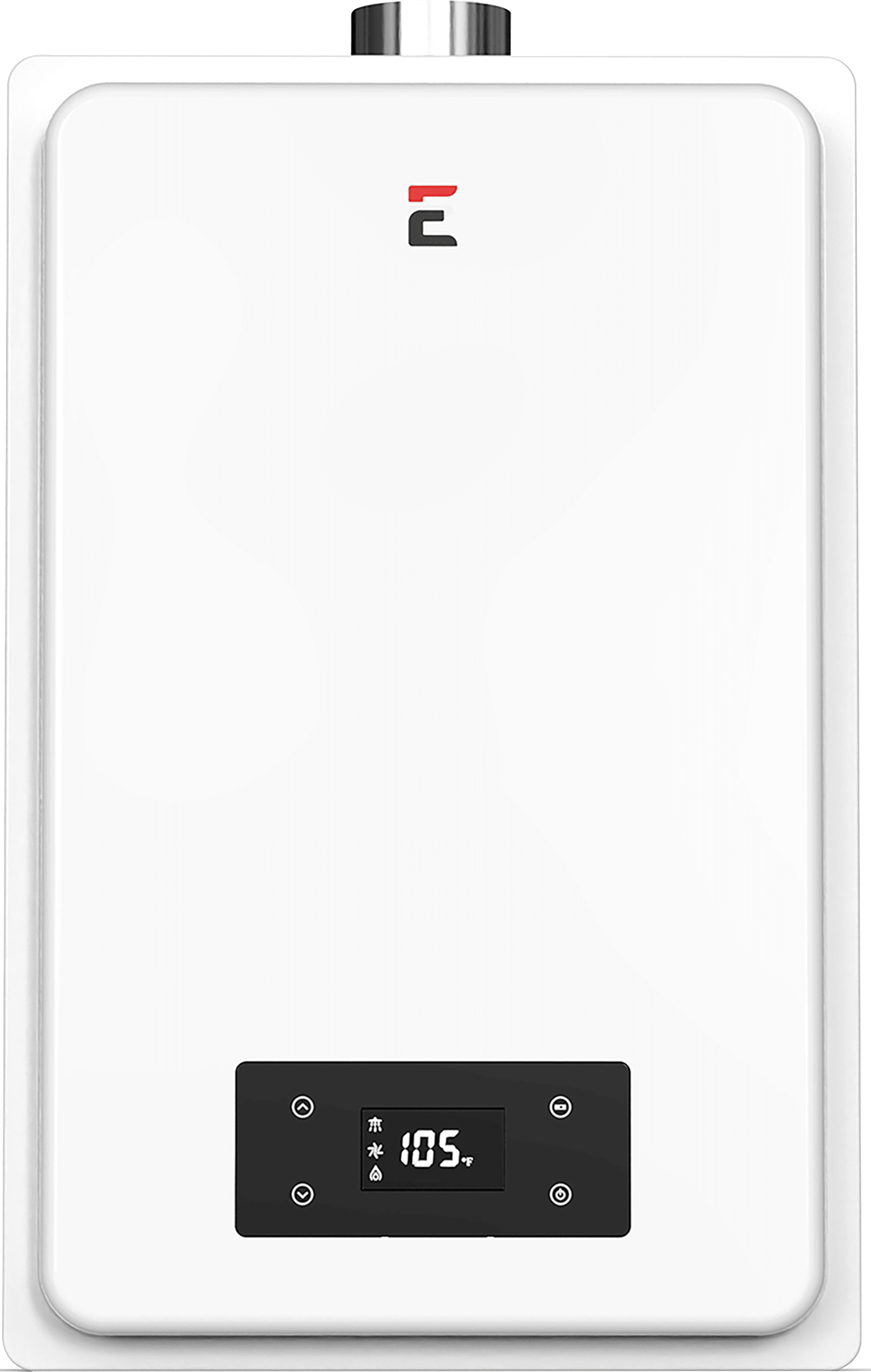
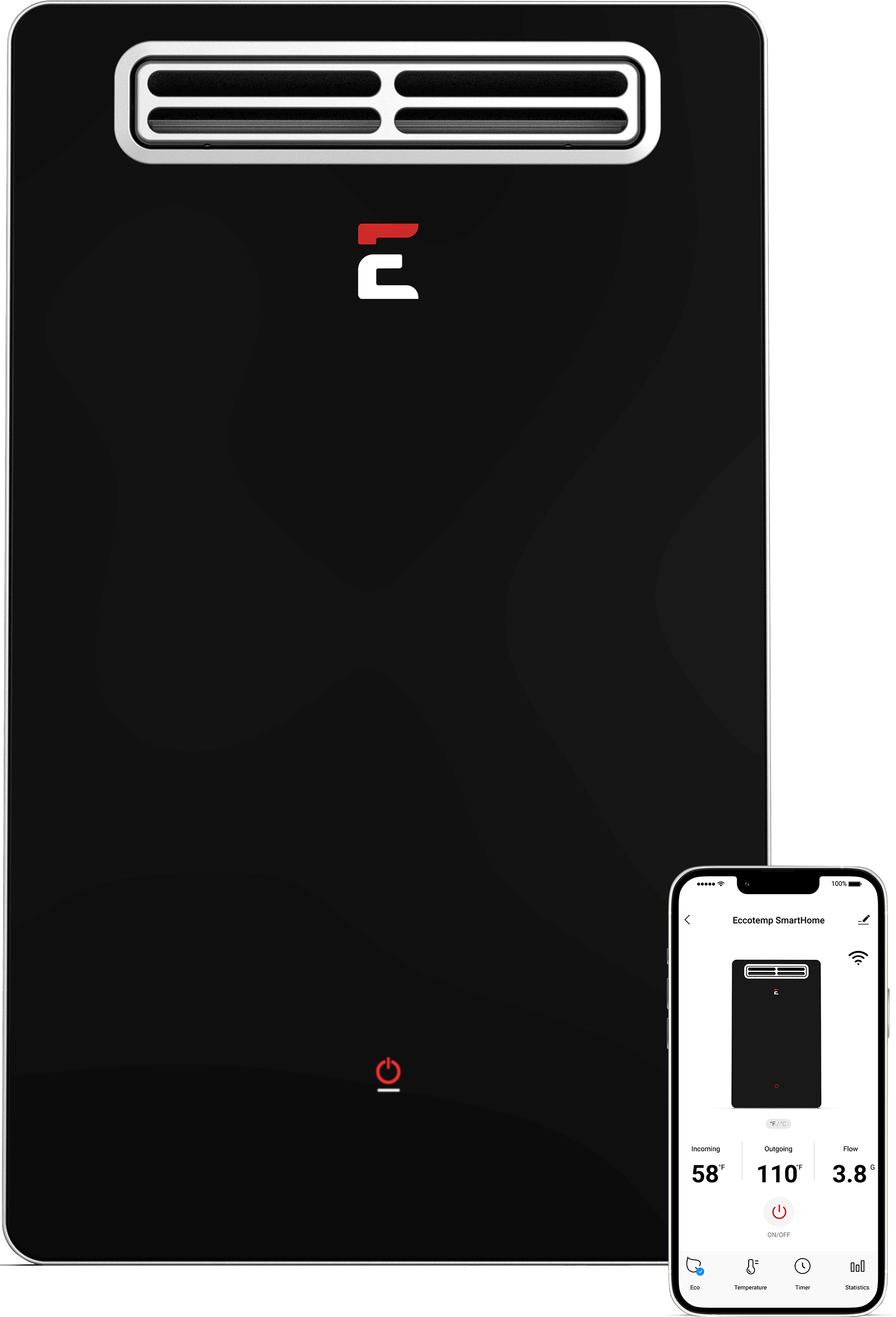
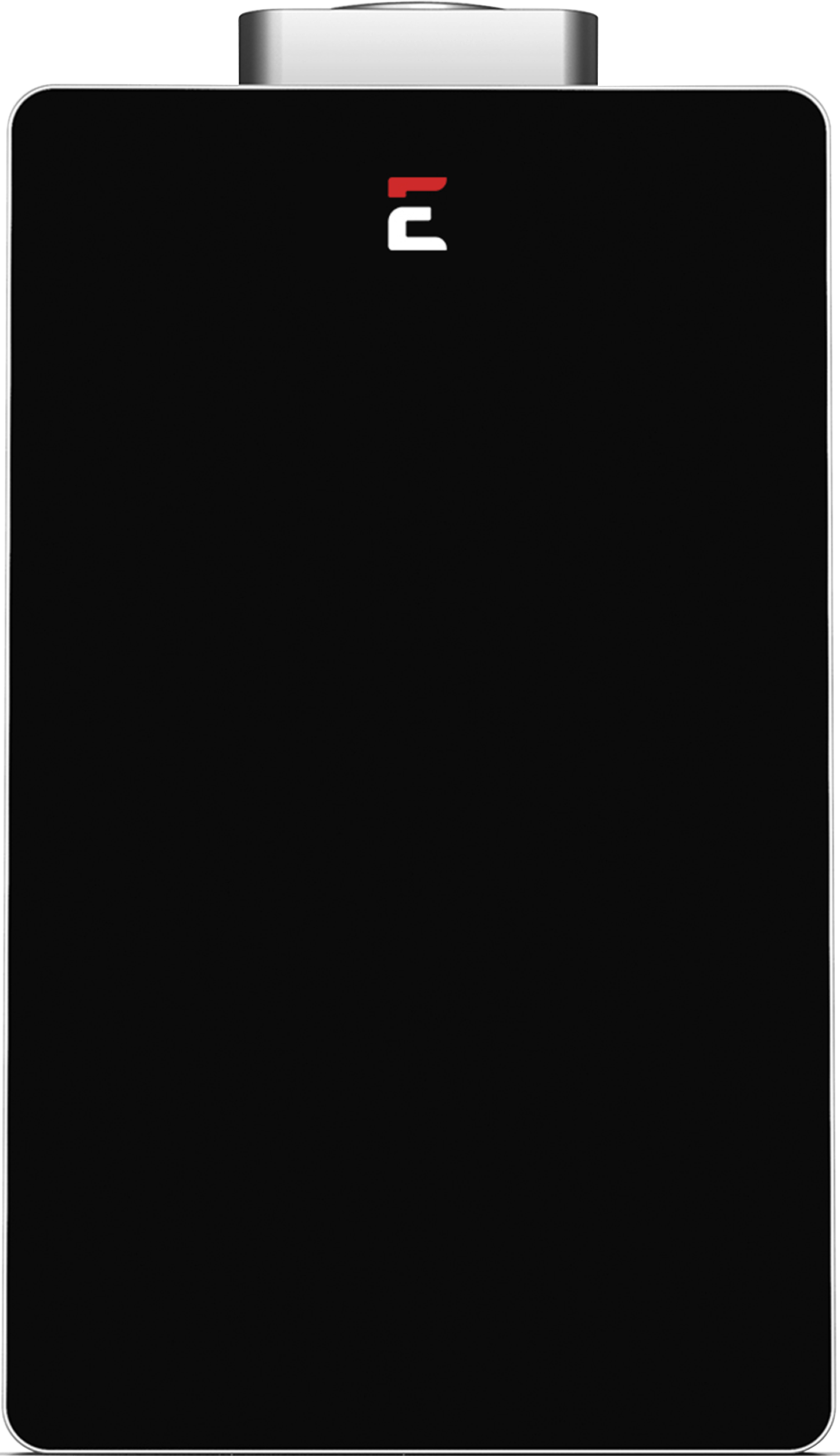
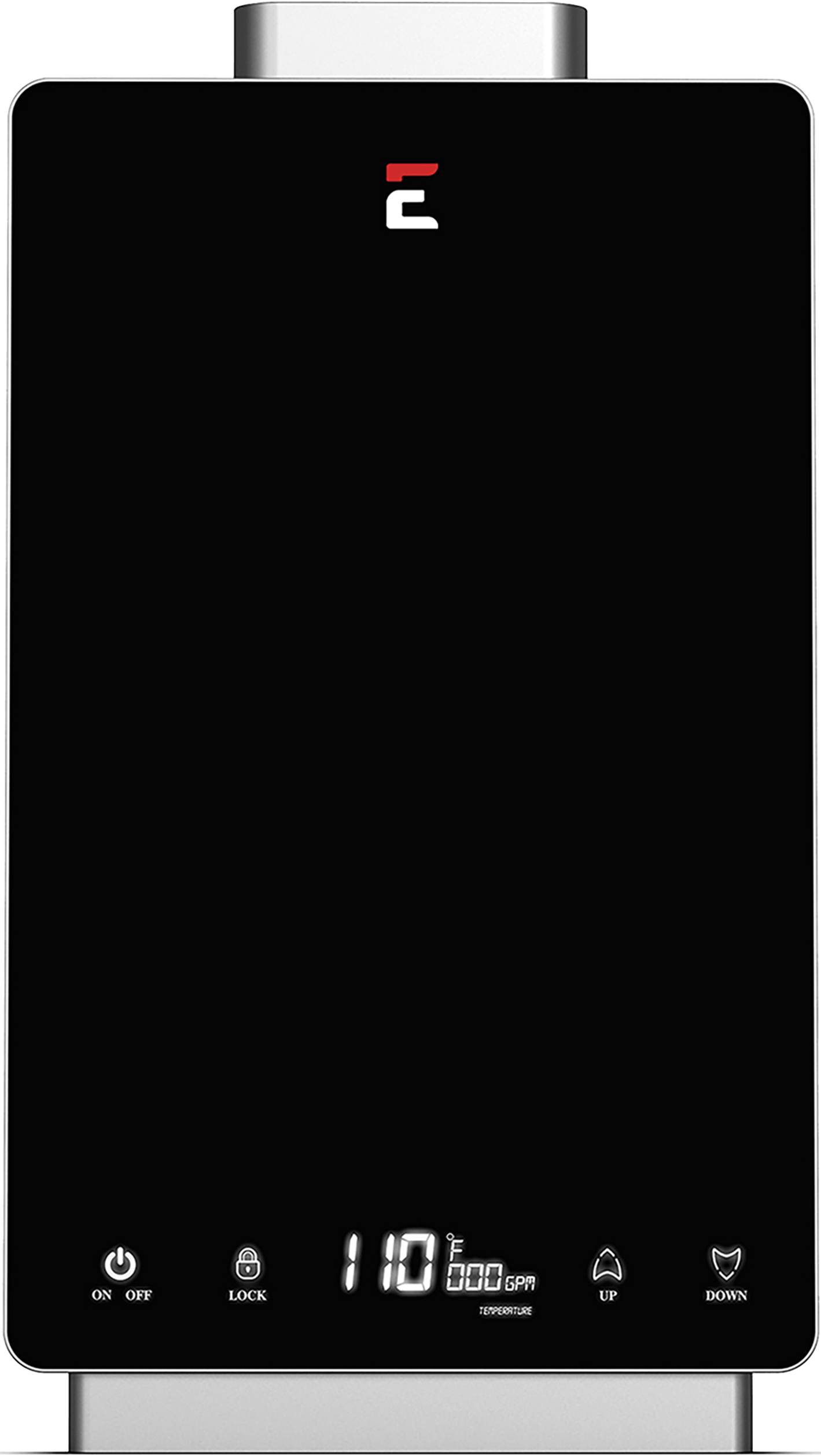
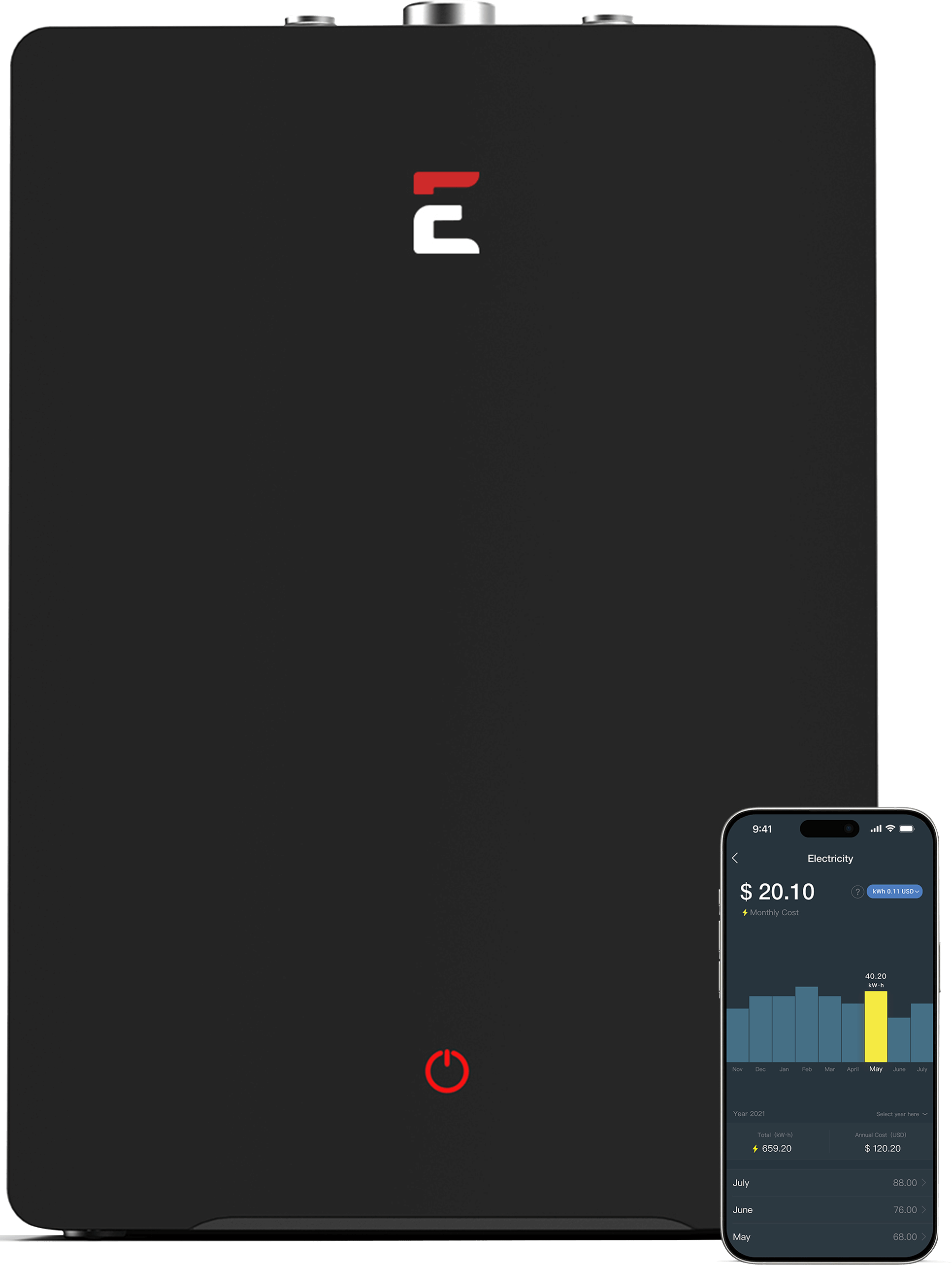
If your existing water heater is older, frequently requires repairs, or no longer provides the hot-water performance your household needs, fall can also be a convenient time to consider an upgrade. A properly sized Eccotemp tankless water heater can provide on-demand hot water without requiring a large storage tank.
Clean and Replace Your Home's Filters
Filters are easy to overlook during routine home maintenance, but they can have an important effect on comfort and indoor air quality. As homeowners begin using heating equipment more frequently in the fall, clogged or dirty filters can restrict airflow and make heating systems work harder.
Check your HVAC system's air filter and replace or clean it according to the manufacturer's recommendations. Homes with pets, higher dust levels, or frequent HVAC use may require more frequent filter changes.
Fall is also a good time to inspect other filters throughout the home. Depending on your plumbing configuration, this may include whole-home water filters, sediment filters, appliance filters, or other filtration equipment.
For homeowners with tankless water heaters, maintaining water filtration equipment can be particularly helpful when the installation uses a filter designed to reduce sediment or other particles entering the plumbing system. Always follow the recommendations provided for the specific equipment installed in your home.
Keeping filters clean can support proper airflow or water flow and can help your home's systems operate as intended during the colder months.
Check Exposed Pipes and Plumbing
Exposed pipes are another important area to inspect before temperatures fall. Plumbing located in garages, crawl spaces, basements, exterior walls, utility rooms, attics, or other areas with limited insulation may be exposed to colder temperatures.
Walk through areas of your home where plumbing is visible and look for pipes that appear unprotected or poorly insulated. Pay particular attention to plumbing near exterior walls and areas that may experience drafts.
Pipe insulation can help reduce exposure to cold temperatures, although insulation alone does not guarantee that plumbing will not freeze. Proper installation and overall protection are important, particularly in regions that regularly experience freezing temperatures.
Homeowners should also look for signs of existing plumbing problems. Water stains, condensation, corrosion, cracks, and unusual moisture around pipes may indicate a problem that should be addressed before winter.
If your home has a tankless water heater installed in an area exposed to cold temperatures, follow the manufacturer's freeze-protection requirements carefully. Tankless water heaters contain water passages that can be damaged if water inside the system freezes. The appropriate protection method depends on the model, installation, climate, and whether the equipment has access to electrical power or other required protection systems.
It is important not to assume that every tankless water heater has the same freeze-protection capabilities. Always consult the installation and owner's documentation for your specific model.
Inspect Water Heater Venting and Other Vents
Proper ventilation becomes particularly important as temperatures fall because homes are often closed up more tightly. If your home uses gas appliances, their venting systems should be kept clear and inspected regularly.
For gas tankless water heaters, inspect the visible venting components for signs of damage, obstruction, loose connections, or deterioration. Outdoor vent terminals should remain clear of leaves, debris, snow, ice, and other materials that could interfere with proper operation.
Never modify or obstruct a water heater's venting system. Venting requirements vary depending on the specific model and installation, so homeowners should follow the manufacturer's instructions and local building requirements.
The same general principle applies to other household vents. Dryer vents should be checked for lint buildup, bathroom exhaust vents should be kept clear, and kitchen ventilation should be inspected to make sure air can move properly.
Fall maintenance is an excellent opportunity to make sure the various ventilation systems around your home are ready for increased indoor use during the colder months.
Test Outdoor Water Connections
Outdoor water connections often receive less attention once summer activities begin to wind down. Before temperatures become consistently cold, take some time to inspect and test the outdoor plumbing you used throughout the warmer months.
Turn outdoor faucets on briefly and check the water flow. Look carefully around the faucet, connection, and nearby plumbing for leaks. If a faucet produces unusual sounds, has poor water flow, or continues dripping after being turned off, investigate the issue before winter.
Outdoor showers, utility sinks, garden connections, and outdoor cleaning areas should also be checked if they are part of your property.
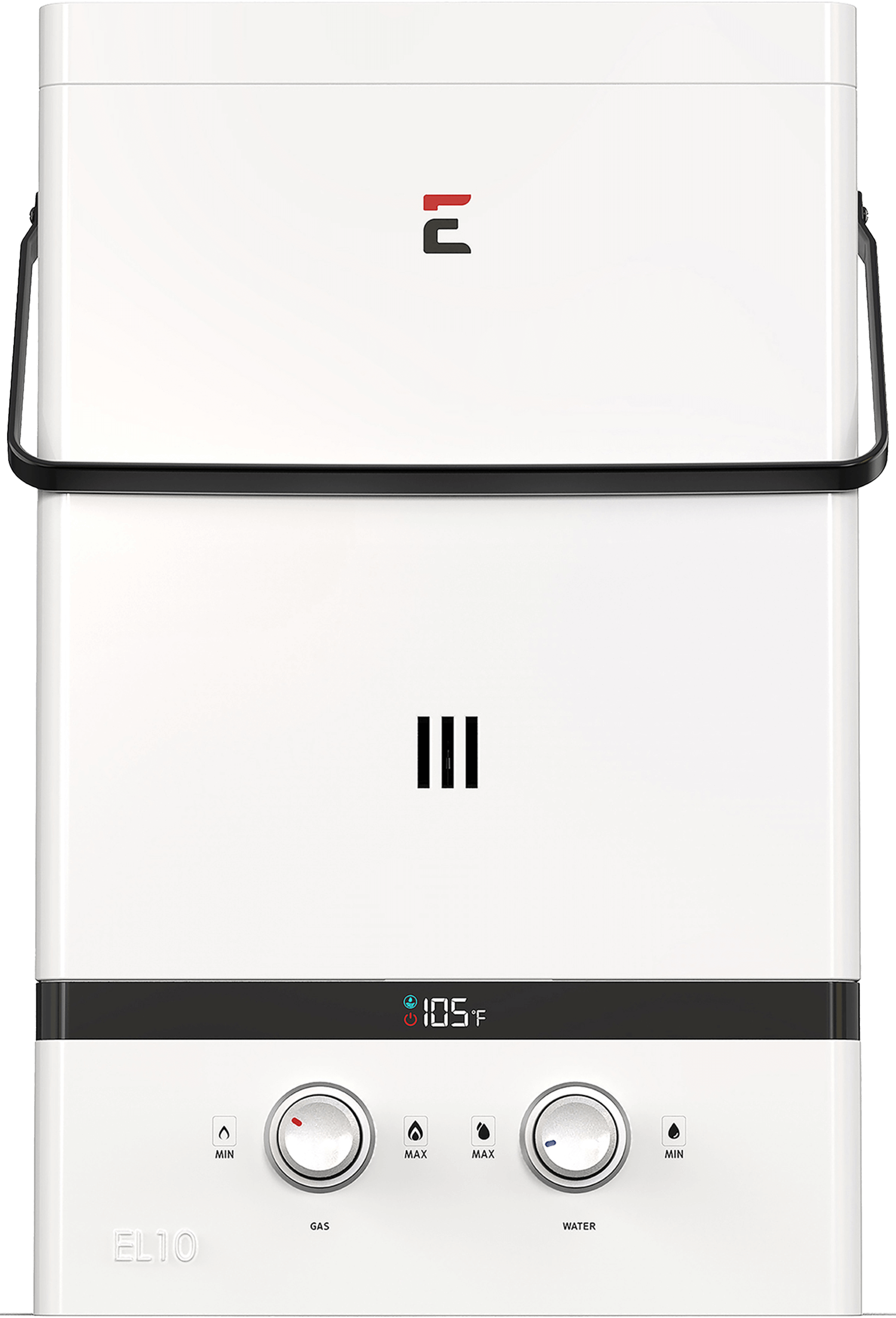
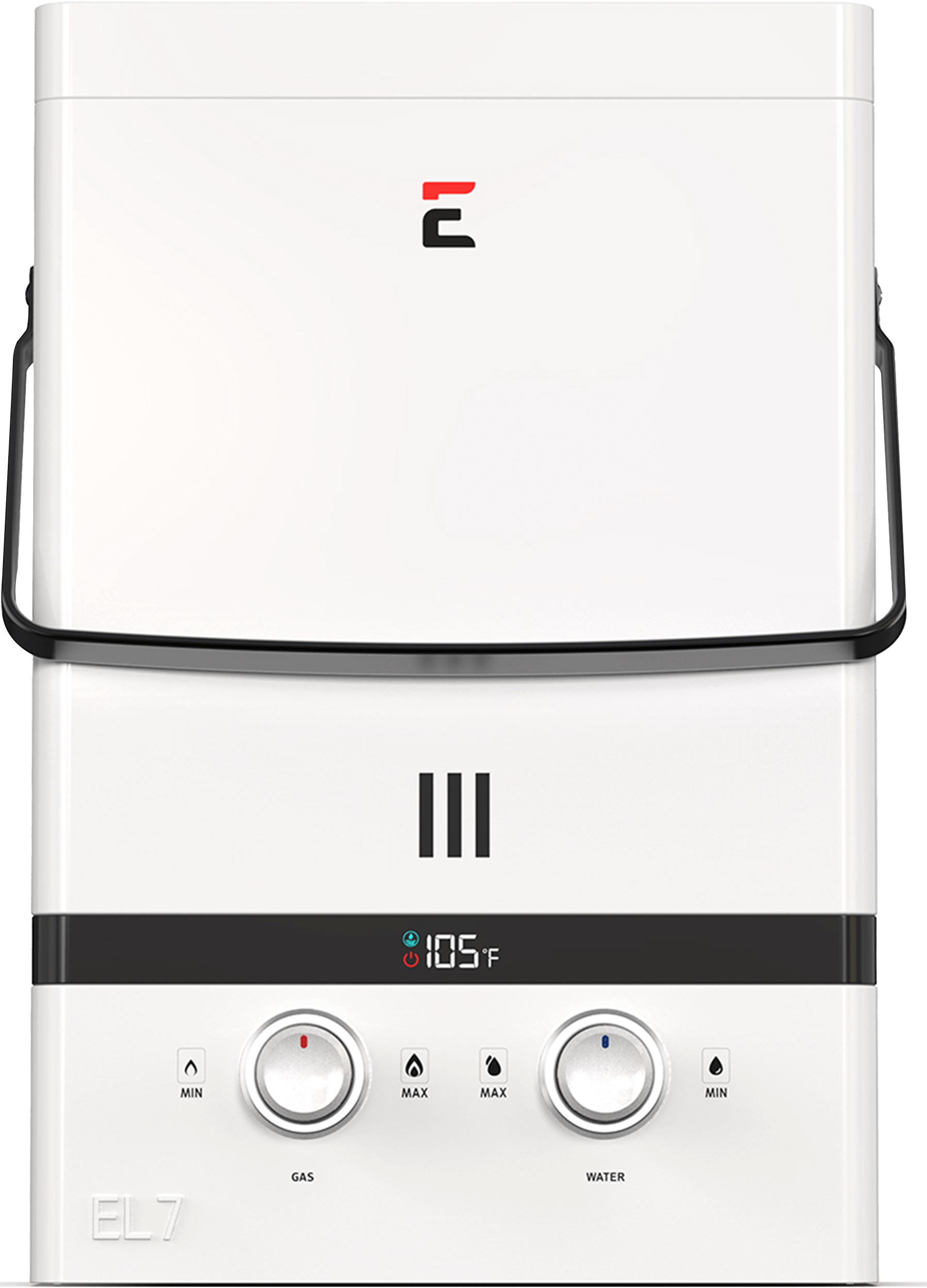
If you use an outdoor water heater or portable water-heating equipment for outdoor cleaning, recreation, or other applications, follow the manufacturer's recommendations for seasonal storage and cold-weather protection. Portable water heaters should be stored and protected according to their specific instructions when they are not being used.
For homeowners who use outdoor hot water for cleaning and sanitizing outdoor spaces, fall can also be a good time to inspect hoses, fittings, showerheads, pumps, and other accessories. Checking these components before storing them can make it easier to identify replacements or maintenance needs before the next season.
Prepare Emergency Hot-Water Supplies
Cold weather can create situations where access to hot water becomes especially important. Preparing a basic emergency plan before winter can help your household respond more effectively if a plumbing or utility problem occurs.
Start by knowing where your home's main water shutoff valve is located. Every member of the household who may need to respond to a plumbing emergency should know how to access it.
It is also useful to understand how your water heater operates. Review the manufacturer's instructions so you know how to safely shut down the equipment if necessary. For gas models, homeowners should understand the proper shutdown procedure specified by the manufacturer. Electrical equipment should be handled according to its instructions and applicable safety requirements.
If your household uses a portable water heater for camping, emergency use, outdoor cleaning, or other applications, fall can be a good time to inspect the equipment and accessories. Check hoses, connections, ignition components, power sources, and other accessories according to the manufacturer's recommendations.
The goal is not necessarily to stockpile equipment, but to make sure your household understands how it's hot-water system works and what steps to take if something goes wrong.
Fall Is a Good Time to Evaluate Your Hot-Water Needs
Seasonal maintenance is also an opportunity to think about whether your current water-heating setup still meets your household's needs. Changes in family size, bathroom usage, home renovations, or daily routines can affect how much hot water your household requires.
A tankless water heater provides hot water as it is needed rather than storing a large volume of heated water in a tank. Because there is no large storage tank continuously holding hot water, tankless technology can be an attractive option for homeowners looking at different water-heating configurations.
However, choosing a tankless water heater requires proper sizing. The right model depends on factors such as the number of fixtures that may operate at the same time, desired water temperature, incoming water temperature, fuel type, and available electrical or gas capacity.
For example, a household that regularly runs multiple showers and appliances at the same time may have different requirements than a smaller household with lower simultaneous demand. Proper sizing helps ensure that the selected water heater can provide the flow and temperature performance expected by the household.
Homeowners considering an upgrade should also review installation requirements before purchasing. Gas and electric tankless water heaters have different installation considerations, and requirements can vary by model and location.
Why Fall Maintenance Matters for Tankless Water Heaters
A tankless water heater can be an important part of a home's overall fall maintenance plan, but seasonal preparation should go beyond simply checking the water heater itself. Plumbing, venting, water connections, filters, and freeze protection all contribute to reliable operation.
One of the most important considerations for tankless water heaters in colder climates is freeze protection. Water remaining inside a tankless water heater can freeze under the wrong conditions, potentially damaging internal components. Homeowners should understand the freeze-protection features of their specific model and follow the manufacturer's instructions.
Some whole-home and mid-size Eccotemp tankless water heaters include freeze-protection features designed for appropriate installations, but homeowners should never assume that all models provide identical protection. Portable outdoor models, for example, may have different requirements and should be protected according to their specific instructions.
Professional installation and maintenance can also be important when preparing a water heater for colder weather. If you are unsure whether your system is properly installed, vented, protected, or maintained, consult a qualified professional.
A Small Fall Investment Can Help Prevent Winter Problems
Preparing a home for cold weather does not have to involve a major renovation. In many cases, seasonal preparation starts with simple inspections and routine maintenance.
Checking outdoor plumbing can help identify leaks before freezing temperatures arrive. Inspecting the water heater can reveal maintenance needs before cold weather increases hot-water demand. Cleaning filters can help household systems operate properly. Protecting exposed pipes can reduce their vulnerability to cold temperatures. Inspecting vents can help keep airflow and exhaust pathways clear. Testing outdoor water connections can reveal problems before they become seasonal emergencies. Preparing emergency hot-water supplies can also help your household respond more confidently when unexpected problems occur.
The earlier these tasks are completed, the more time homeowners have to address problems before winter arrives.
For households considering a water-heating upgrade, fall can also be a practical time to research tankless technology. An Eccotemp tankless water heater can be part of a broader home improvement plan focused on reliable hot-water access, efficient use of space, and on-demand hot-water performance.
Make Fall Home Preparation Part of Your Annual Routine
Every home is different, and the appropriate preparation for cold weather depends on climate, plumbing configuration, water heater type, and the specific systems installed on the property. Homeowners in regions that regularly experience freezing temperatures may need more extensive winterization than homeowners in milder climates.
The most important step is to avoid waiting until the first hard freeze to discover that an outdoor faucet leaks, a pipe lacks insulation, a vent is obstructed, or a water heater needs maintenance.
By making fall home preparation an annual routine, homeowners can address potential problems while temperatures are still manageable. It is also an opportunity to review the condition of major household systems and determine whether any equipment should be repaired, maintained, or replaced.
As 2026 moves into the cooler months, take the time to walk through your home and inspect the systems that keep your household comfortable. From outdoor plumbing and exposed pipes to filters, vents, water connections, and hot-water equipment, a little preparation can go a long way toward getting your home ready for colder weather.
And if your water heater is due for an upgrade, fall may be the right time to explore the advantages of tankless water heating and find an Eccotemp model that matches your home's hot-water needs. With proper sizing, installation, maintenance, and cold-weather preparation, your water-heating system can be ready to provide the hot water your household depends on throughout the season.
Frequently Asked Questions About Fall Home Preparation
When should I start preparing my home for cold weather?
The best time to begin preparing your home for cold weather is during the fall, before temperatures regularly reach freezing. Starting early gives you time to inspect outdoor plumbing, exposed pipes, water heaters, vents, filters, and other household systems and address problems before colder weather arrives.
How do I prepare my outdoor plumbing for winter?
Start by disconnecting garden hoses and inspecting outdoor faucets and water connections for leaks or damage. Depending on your climate and plumbing configuration, outdoor plumbing may need to be drained, shut off, or otherwise protected from freezing temperatures. Follow the recommendations for your specific plumbing system and consult a qualified professional if you are unsure how to winterize it properly.
Can a tankless water heater freeze?
Yes, a tankless water heater can be damaged by freezing temperatures if water remains inside the heat exchanger or water passages and the equipment is not adequately protected. Freeze protection depends on the specific model, installation, climate, and available power. Homeowners should always follow the manufacturer's instructions for protecting their particular tankless water heater during cold weather.
How do I protect my tankless water heater from freezing?
The appropriate freeze-protection method depends on the specific tankless water heater and installation. Some models have built-in freeze-protection features, while other installations may require additional measures when temperatures are expected to fall below freezing. Homeowners should consult the owner's manual and installation instructions for their model and follow all applicable requirements.
Should I flush my tankless water heater before winter?
Fall can be a convenient time to perform scheduled tankless water heater maintenance, including flushing or descaling when recommended by the manufacturer. Mineral buildup can affect heat transfer and water flow, particularly in areas with hard water. The required maintenance schedule depends on the model, water quality, and household usage, so homeowners should follow the manufacturer's maintenance recommendations.
Why should I inspect my water heater in the fall?
Inspecting your water heater in the fall provides an opportunity to identify leaks, damaged connections, ventilation problems, mineral buildup, or other maintenance needs before colder weather arrives. Incoming water temperatures can also become colder during the winter, which can affect hot-water demand and system performance.
How can I tell if my home's pipes need additional protection?
Pipes located in unheated garages, crawl spaces, basements, attics, exterior walls, or other areas exposed to cold temperatures may require additional protection. Look for exposed plumbing and check for inadequate insulation, cracks, corrosion, water stains, or other signs of damage. Proper insulation can help protect vulnerable pipes, but homeowners in freezing climates may need additional winterization measures.
Do I need to inspect my water heater vent before winter?
If your home has a gas water heater, inspecting the visible venting system is an important part of seasonal maintenance. Make sure the vent and exterior termination are free from leaves, debris, snow, ice, and other obstructions. Any damaged or improperly installed venting should be evaluated by a qualified professional, and homeowners should never modify the venting system unless the work is performed according to the manufacturer's requirements and applicable codes.