 Weekly Deals
 Water Heaters
 Accessories
 Installation
 Parts
Parts
 Protection Plans
 Final Sale




When Should You Winterize Your Tankless Water Heater? A State-by-State Cold Weather Guide
As temperatures begin to drop, homeowners often ask an important question: When should I winterize my tankless water heater?
The answer is not always the same for everyone.
Winterization timing depends on where you live, how cold your area gets, where your tankless water heater is installed, and whether the water heater will continue operating throughout the winter. A tankless water heater installed inside a heated home generally has different winterization considerations than an outdoor water heater, an RV water heater, or a portable outdoor model that will be stored between uses.
Waiting until freezing weather has already arrived can leave little room to prepare. On the other hand, winterizing too early may be unnecessary if you still plan to use your water heater regularly.
The best approach is to pay attention to local temperatures and your specific installation rather than relying on a single calendar date.
This state-by-state guide explains when homeowners in colder parts of the United States should start thinking about winterization and what factors should influence the timing.
Why Winterization Timing Matters
Water expands when it freezes. If water remains inside components of a tankless water heater and temperatures fall below freezing, the expanding ice can place significant stress on internal water passages, heat exchangers, valves, pipes, and other components.
This is especially important for tankless water heaters installed in locations that can be exposed to freezing temperatures.
An outdoor tankless water heater, for example, may be exposed to cold air even when the temperature inside the home remains comfortable. A garage, shed, basement, cabin, RV, or other partially protected location can also experience freezing temperatures depending on the construction and heating conditions.
Winterization is designed to prepare a water heater for periods when freezing conditions are expected and the heater will not be adequately protected or operated.
The important point is that winterization should happen before prolonged freezing conditions—not after temperatures have already dropped well below freezing.
When Should You Winterize a Tankless Water Heater?
A good general rule is to begin preparing when nighttime temperatures are consistently approaching freezing and to complete winterization before a sustained freeze is expected.
For many areas, that means winterization may happen sometime between early fall and late winter, depending on local climate.
However, the calendar should only be a starting point.
For example, a homeowner in northern Minnesota may need to prepare much earlier than someone in southern Texas. Meanwhile, someone in the mountains of Colorado may need to winterize earlier than another homeowner living at a similar latitude.
Your installation also matters.
Before deciding when to winterize, consider:
- Your local overnight temperatures
- The expected duration of freezing conditions
- Whether the water heater is indoors or outdoors
- Whether the installation area is heated
- Whether the water heater will remain in use during winter
- Whether the home, cabin, RV, or property will be vacant
- Whether the water heater has manufacturer-approved freeze protection
- Whether water can remain inside the plumbing during periods of non-use
Always follow the winterization and freeze-protection instructions provided for your specific Eccotemp model.
State-by-State Winterization Guide
There is no single winterization date that applies to every state. Weather can vary considerably within the same state, particularly between northern and southern areas or between low elevations and mountain communities.
The following guide provides a practical starting point for planning.
Northeast
The Northeast generally experiences some of the earliest and longest-lasting freezing conditions in the United States.
Maine
In Maine, homeowners should generally begin thinking about winterization in September or October, particularly in northern and inland areas.
By October, overnight temperatures can become cold enough that outdoor plumbing and water-heating equipment deserve closer attention. If a tankless water heater will not be used during the winter, preparing it before consistently freezing conditions arrive is especially important.
Coastal areas may experience somewhat different weather patterns, but homeowners should still monitor local forecasts rather than relying exclusively on the calendar.
Vermont
Vermont typically experiences cold winters, with freezing temperatures arriving relatively early in many areas.
A reasonable planning window is September through October. Mountain and rural properties may need to prepare earlier depending on elevation and exposure.
If a property will be vacant during the winter, winterization should be completed before leaving the property unattended for an extended period.
New Hampshire
New Hampshire homeowners should generally start planning for winterization in September or October.
Outdoor installations, vacation homes, cabins, and properties that are not consistently heated deserve particular attention because indoor temperatures can fall quickly when heating systems are turned off.
Massachusetts
In Massachusetts, October and early November are common planning periods for winter preparation.
However, homeowners in western and central parts of the state may experience freezing temperatures earlier than coastal communities.
Pay particular attention to outdoor water heaters and installations located in garages or other spaces that are not consistently heated.
New York
New York has substantial climate variation. Upstate and western New York can experience freezing temperatures considerably earlier than New York City and parts of Long Island.
For much of the state, October is a good time to begin winterization planning, while colder northern and western areas may require preparation earlier.
If you own a seasonal property in the Adirondacks or another cold-weather region, do not wait for the first major snowstorm to prepare.
Midwest
The Midwest can experience rapid temperature changes during fall. A mild October can quickly give way to freezing nights, making it important to prepare before a sudden cold snap.
Michigan
Michigan homeowners should generally begin preparing in September or October, particularly in northern Michigan and areas near the Upper Peninsula.
Outdoor tankless water heaters require special attention because they are directly exposed to outdoor temperatures.
If the water heater will not be used during the winter, complete the manufacturer's recommended winterization procedure before extended freezing weather arrives.
Minnesota
Minnesota experiences some of the country's coldest winter conditions, making early preparation especially important.
Homeowners should consider winterization as early as September, particularly for outdoor, seasonal, or unheated installations.
A property that will be vacant should be prepared well before consistently freezing temperatures arrive.
Wisconsin
In Wisconsin, September and October are good months to begin preparing tankless water heating equipment for winter.
Northern Wisconsin may require earlier preparation, while southern portions of the state may have a little more time.
Cabins and seasonal properties deserve particular attention because they may not be heated throughout the winter.
Illinois
Illinois has considerable variation between northern and southern areas.
For northern Illinois, October is a reasonable time to begin preparing for winter. Central and southern portions may have slightly later freezing conditions, but homeowners should still monitor local forecasts.
Outdoor installations should be treated more cautiously than equipment located inside a continuously heated home.
Ohio
Ohio homeowners should generally begin winterization planning around October, although freezing temperatures can arrive earlier during cold weather events.
If an outdoor tankless water heater is located in an area exposed to wind and freezing temperatures, preparing before the first prolonged freeze is particularly important.
Mountain States
Mountain states can require earlier preparation because elevation, snowfall, and rapidly changing temperatures can create freezing conditions even when nearby lower-elevation communities remain relatively mild.
Colorado
Colorado homeowners may need to start winterization planning as early as September or October.
Elevation is especially important. Mountain communities can experience freezing temperatures significantly earlier than lower-elevation areas.
Outdoor installations, vacation homes, cabins, and unheated spaces require particular attention.
Utah
In Utah, October is a reasonable starting point for winterization planning in many areas.
However, temperatures can vary substantially based on elevation and location. Northern Utah and mountain communities may need earlier preparation than warmer southern areas.
Wyoming
Wyoming homeowners should generally prepare early, often beginning in September or October.
Cold temperatures can arrive quickly, and exposed plumbing may be vulnerable well before the middle of winter.
If your tankless water heater is installed outdoors or in an unheated structure, do not wait until freezing weather becomes routine.
Montana
Montana's cold climate means winterization should be considered relatively early.
Many homeowners should begin preparations in September, particularly in northern, western, and mountainous areas.
Seasonal properties and outdoor water heaters should be prepared before the property is left unattended through freezing weather.
Southern States
Southern states generally have milder winters, but that does not mean winterization can be ignored.
In many southern locations, freezing temperatures are less frequent but can still occur during sudden cold-weather events. Because these freezes may be unusual, homeowners may be less prepared when they happen.
Texas
Texas is one of the clearest examples of why winterization timing cannot be based only on average winter temperatures.
Many areas of Texas have relatively mild winters, but significant cold-weather events can still bring freezing temperatures.
For homeowners with outdoor tankless water heaters, it is smart to begin reviewing freeze protection and winterization procedures in October or November.
Rather than waiting for a particular date, monitor the forecast closely when a major cold front is expected.
If the property is vacant, outdoor water equipment may require additional preparation.
Georgia
Georgia homeowners can generally begin winterization planning in November, although northern and elevated areas may experience freezing conditions earlier.
Outdoor water heaters should be monitored carefully during cold snaps.
If temperatures are expected to remain below freezing for an extended period and the water heater will not be used, follow the appropriate manufacturer-recommended winterization procedure.
Tennessee
Tennessee typically has a longer fall season than many northern states, but freezing temperatures can still occur during late fall and winter.
Homeowners should generally begin preparing in October or November.
Those living in higher elevations or northern portions of the state should pay close attention to local forecasts.
North Carolina
In North Carolina, winterization timing depends significantly on location.
Mountain communities can experience freezing conditions much earlier than coastal areas. For many homeowners, October or November is a good time to review winterization needs.
Outdoor tankless water heaters should receive particular attention before a forecasted freeze.
What About Indoor Tankless Water Heaters?
Not every tankless water heater needs to be winterized simply because winter is approaching.
An indoor water heater located inside a consistently heated home is generally exposed to a very different environment than an outdoor installation.
If the installation area remains above freezing and the water heater continues operating normally, the need for full winterization may be different from that of an outdoor or unheated installation.
However, homeowners should still consider what happens if the home loses power, heating, or water service during a severe cold-weather event.
A heated indoor location can become vulnerable if the building loses heat for an extended period.
For this reason, homeowners should understand the freeze-protection requirements for their specific model and installation.
Never assume that simply being indoors automatically eliminates all freezing risk.
What About Outdoor Tankless Water Heaters?
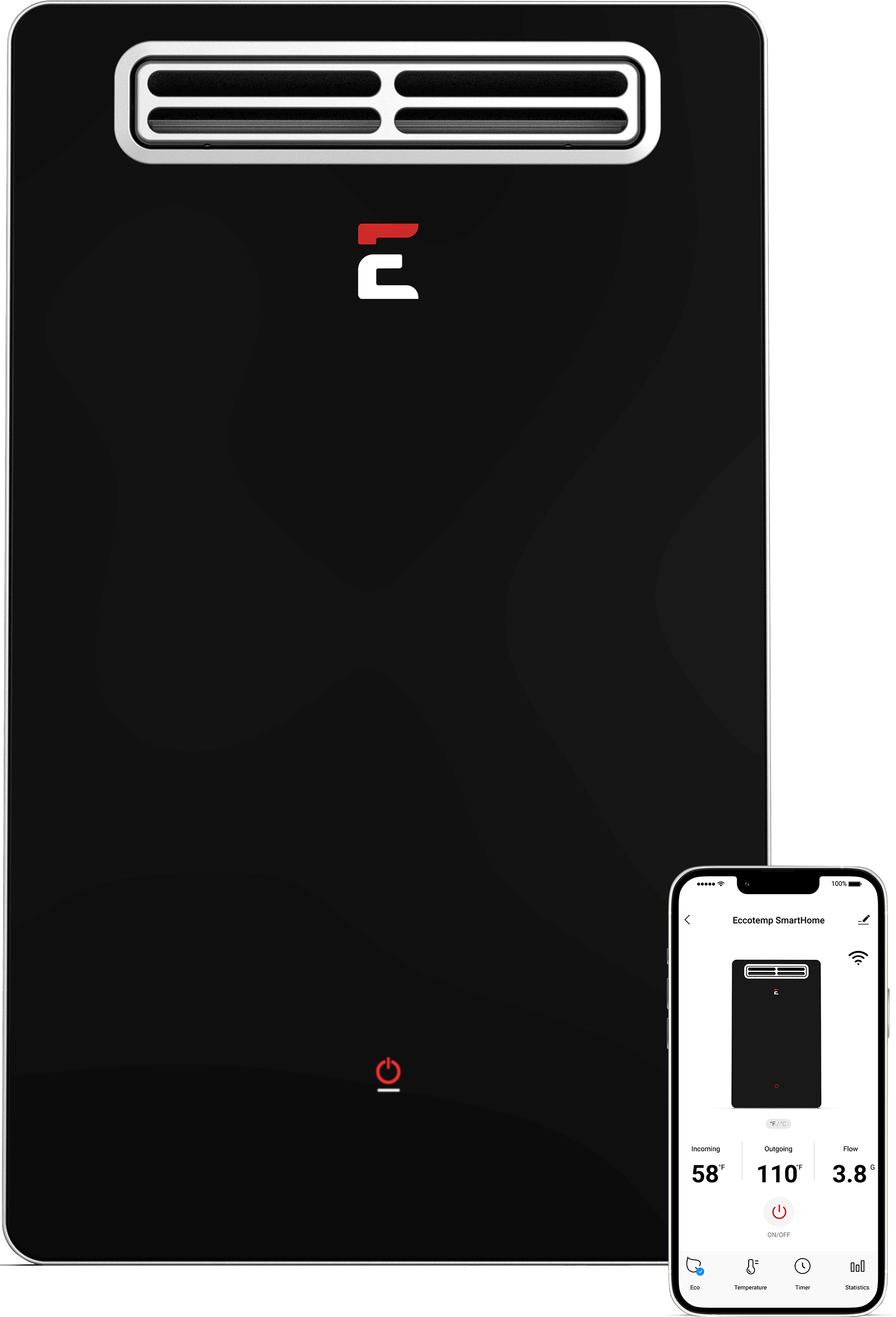
Outdoor tankless water heaters require additional consideration because the equipment is directly exposed to ambient temperatures.
Even if the water heater itself is designed for outdoor installation, homeowners should understand the model's freeze-protection requirements and limitations.
Some Eccotemp tankless water heaters include freeze-protection features, but these features should not be treated as a substitute for proper preparation in every situation.
For example, freeze protection may depend on having electrical power and meeting specific operating conditions.
A power outage during a freezing-weather event can create an entirely different situation.
If an outdoor water heater will not be used during the winter, follow the manufacturer's recommended procedure for shutting down and protecting the equipment.
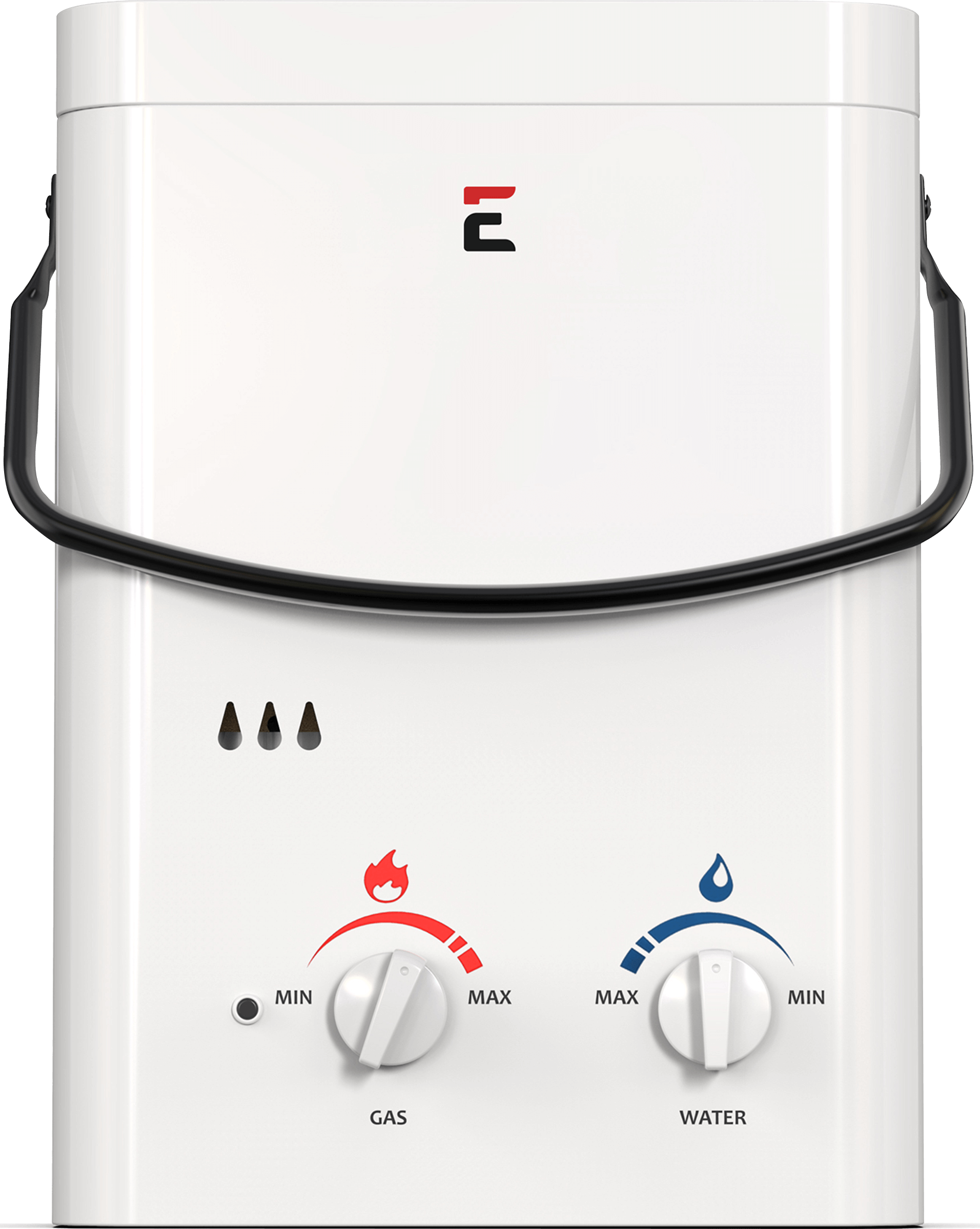
What About Portable Tankless Water Heaters?
Portable tankless water heaters have different winterization needs from permanently installed whole-home water heaters.
Portable heaters are commonly used for camping, outdoor cleaning, remote locations, cabins, and other temporary applications. Because they are often transported, stored, or used outdoors, they may be exposed to freezing conditions even when the homeowner's primary water heater is safely inside a heated building.
If you use an Eccotemp portable water heater seasonally, do not simply disconnect it and place it in storage without following the appropriate winterization procedure.
Any water remaining inside the heater, hoses, pump, or connected plumbing can potentially freeze.
Before storing a portable water heater for the winter, allow the equipment to cool, disconnect the water supply, and follow the manufacturer's specific instructions for draining and protecting the model.
The exact procedure can vary by model, so always refer to the appropriate Eccotemp owner's manual.
RV and Mobile Applications Need Extra Attention
RV and mobile applications can be particularly vulnerable to freezing because the water heater and plumbing may be exposed to outdoor temperatures while the vehicle is parked or stored.
If you are preparing an RV or mobile setup for winter storage, winterization should generally be completed before sustained freezing conditions are expected.
Do not assume that an RV parked in a driveway is protected simply because the water heater is inside a compartment. Temperatures inside unheated compartments can fall significantly during cold weather.
When preparing an RV for seasonal storage, consider the entire water system—not just the water heater.
Don't Wait for the First Hard Freeze
One of the biggest mistakes homeowners can make is waiting until freezing weather has already arrived.
A forecast calling for temperatures near or below freezing should be treated as a reason to review your equipment and prepare—not as a signal to wait.
Winterization can take time, particularly if you need to inspect plumbing, gather supplies, shut down the water system, or prepare a seasonal property.
A better strategy is to make winterization part of your regular fall maintenance routine.
Think of it this way:
Fall is the preparation season. Winter is the protection season.
By the time temperatures are consistently below freezing, your tankless water heater should already be ready for the conditions it will face.
A Simple Winterization Timing Checklist
The following checklist can help you decide when to start.
When temperatures begin approaching freezing: Review your tankless water heater's owner's manual and identify its freeze-protection and winterization requirements.
When overnight temperatures regularly approach freezing: Inspect the installation, plumbing, connections, and surrounding area for potential cold-weather exposure.
Before the first prolonged freeze: Complete the appropriate winterization procedure if the water heater will not be used or cannot be adequately protected.
Before leaving a property vacant: Winterize the water heater and plumbing according to the manufacturer's instructions if the property will not remain heated and protected.
Before seasonal storage: Properly prepare portable, RV, or mobile water-heating equipment for storage.
During winter: Continue monitoring weather conditions, especially after power outages or extended periods without use.
The Best Winterization Date Is Based on Your Climate
There is no universal date when every tankless water heater in America needs to be winterized.
A homeowner in Maine may need to prepare in September or October. Someone in Texas may not need to take action until November or until a significant freeze is forecast. A homeowner in Colorado's mountains may need to prepare earlier than someone living at a lower elevation.
The most important factor is not the month on the calendar. It is the combination of temperature, exposure, installation location, and expected use.
Outdoor and unheated installations generally require more attention than equipment located inside a continuously heated home. Portable and RV water heaters also require special consideration because they can be moved, stored, or exposed to freezing temperatures.
If you are unsure when to winterize, start by checking the forecast for your area and the manufacturer's instructions for your specific Eccotemp model.
Prepare Before Winter Arrives
Winterizing your tankless water heater is about more than checking a date on the calendar. It is about recognizing when freezing weather could affect your particular installation and taking action before that happens.
For homeowners in colder states, early fall is an ideal time to begin planning. In the South, winterization may be more dependent on individual cold-weather events and the forecast. For outdoor, portable, RV, and seasonal installations, the safest approach is to prepare before the equipment is exposed to prolonged freezing conditions.
A few minutes of planning in the fall can help you avoid discovering a winterization problem after temperatures have already dropped.
Before the first hard freeze arrives, know your water heater, know your climate, and know when your equipment needs to be prepared for winter.
For detailed instructions on how to winterize your specific Eccotemp tankless water heater, always consult the owner's manual and follow the manufacturer's recommended procedure.
Frequently Asked Questions About Tankless Water Heater Winterization
When should I winterize my tankless water heater?
You should generally winterize your tankless water heater before prolonged freezing temperatures are expected. In colder northern and mountain states, this may mean preparing as early as September or October. In milder southern states, winterization may be needed later in the fall or when a significant freeze is forecast.
What temperature is too cold for a tankless water heater?
Freezing conditions can create a risk when water remains inside the water heater or connected plumbing. The exact freeze-protection temperature and requirements depend on the specific Eccotemp model and installation. Always check your owner's manual for the manufacturer's requirements rather than relying on a single temperature threshold.
Do I need to winterize an indoor tankless water heater?
Not necessarily. An indoor tankless water heater located in a consistently heated space may have less exposure to freezing temperatures than an outdoor installation. However, a prolonged power outage, heating-system failure, or vacant home can allow indoor temperatures to drop enough to create a freezing risk.
Do outdoor tankless water heaters need to be winterized?
Outdoor tankless water heaters require special attention during freezing weather. Even models with freeze-protection features may require additional precautions depending on the installation and whether electrical power remains available. If the heater will not be used during freezing weather, follow the manufacturer's recommended winterization procedure.
When should I winterize my tankless water heater in the Northeast?
Homeowners in states such as Maine, Vermont, New Hampshire, Massachusetts, and New York should generally begin preparing in September or October, although the exact timing varies by location and elevation. Upstate and northern areas can experience freezing conditions earlier than coastal locations.
When should I winterize my tankless water heater in the Midwest?
In states such as Michigan, Minnesota, Wisconsin, Illinois, and Ohio, homeowners should generally begin planning around September or October. Northern areas may need to prepare earlier, while southern portions of some states may have more time before sustained freezing conditions arrive.
When should I winterize my tankless water heater in the Mountain states?
In Colorado, Utah, Wyoming, and Montana, winterization may need to begin as early as September or October, especially at higher elevations. Mountain communities can experience freezing temperatures earlier than nearby lower-elevation areas.
Do I need to winterize my tankless water heater in Texas?
Not necessarily every winter, but Texas homeowners should be prepared for sudden freezing events. Outdoor installations deserve particular attention. Monitor local forecasts during winter cold fronts and follow the manufacturer's recommendations if freezing temperatures are expected.
When should I winterize my portable tankless water heater?
Portable tankless water heaters should generally be winterized before they are placed into seasonal storage or before they will be exposed to freezing temperatures. This is especially important for equipment used for camping, outdoor applications, cabins, or other seasonal activities. Follow the specific Eccotemp owner's manual for proper preparation.
Do portable tankless water heaters need to be winterized differently?
Portable water heaters can have different winterization requirements because they are frequently connected and disconnected from water supplies and may be stored between uses. Water can remain in the heater, hoses, pump, or other components, so proper draining and storage are important. Always follow the instructions for your specific model.
Do I need to winterize my tankless water heater if I am leaving my house for the winter?
If the home will be vacant and the heating system will be turned off or cannot reliably keep the installation above freezing, additional winterization may be necessary. The water heater and connected plumbing should be prepared according to the manufacturer's instructions before leaving the property.
Can I rely on my tankless water heater's freeze protection?
Freeze protection can help protect certain tankless water heaters under the conditions specified by the manufacturer, but it should not be assumed to work under every circumstance. Some freeze-protection systems may depend on electrical power and other operating conditions. Check your specific Eccotemp model's owner's manual for details.
What happens if I wait too long to winterize my tankless water heater?
Waiting until after freezing temperatures have already arrived can increase the risk of water freezing inside the heater or connected plumbing. It is better to prepare before a prolonged freeze is expected rather than waiting until temperatures have already dropped below freezing.
Should I winterize my tankless water heater every year?
If your water heater is located in an area that is exposed to freezing temperatures and will be shut down or stored during winter, seasonal winterization may be necessary. The need depends on your climate, installation, usage, and the manufacturer's instructions.
Does winterization apply to RV tankless water heaters?
Yes. RV and mobile water-heating systems can be particularly vulnerable to freezing because water heaters, plumbing, and water connections may be located in unheated compartments. Follow the manufacturer's winterization instructions before storing an RV or exposing its water system to freezing temperatures.
What is the biggest mistake homeowners make when winterizing a tankless water heater?
One common mistake is waiting until the first major freeze to start preparing. Winterization should be planned ahead of sustained freezing conditions. Another mistake is assuming that all tankless water heaters have identical freeze-protection requirements. Always follow the instructions for your specific model and installation.
Where can I find the correct winterization instructions for my Eccotemp water heater?
The owner's manual for your specific Eccotemp model is the best place to find model-specific winterization and freeze-protection information. Because installation conditions and models can vary, always follow the manufacturer's instructions rather than applying a generic winterization procedure.