 Weekly Deals
 Water Heaters
 Accessories
 Installation
 Parts
Parts
 Protection Plans
 Final Sale





How Much Hot Water Does Your Family Need? A 2026 Tankless Water Heater Sizing Guide
Choosing the right tankless water heater for your home is not simply a matter of counting how many people live in the house. A family of four may have completely different hot-water needs from another family of four depending on how many bathrooms they have, how often showers are used at the same time, how much water their fixtures consume, and how cold their incoming water is. Understanding these factors can help homeowners choose a tankless water heater that is better matched to their actual hot-water demand.
Tankless water heaters are different from traditional storage water heaters because they do not keep a large supply of hot water stored in a tank. Instead, they heat water as it passes through the water heater. Because of this, tankless water heater sizing is primarily based on how much water needs to be heated at one time and how much the water temperature needs to increase before it reaches the desired temperature.
For homeowners shopping for a tankless water heater in 2026, two of the most important considerations are flow rate and temperature rise. Flow rate is measured in gallons per minute, or GPM, while temperature rise refers to the difference between the temperature of the incoming cold water and the temperature of the water you want the water heater to produce. Eccotemp recommends considering both factors when determining the appropriate size for a tankless water heater.
What Does Tankless Water Heater Size Mean?
When people talk about the size of a tankless water heater, they are often referring to its gallons-per-minute capacity. Unlike a storage water heater, which is commonly described by the number of gallons it can hold, a tankless water heater is designed to continuously heat water as it flows through the system.
For example, a shower may use approximately 2.0 gallons of water per minute. If someone is taking a shower while another person is using a second shower, the water heater may need to supply approximately 4.0 GPM. If a bathroom faucet is also running and uses approximately 1.0 GPM, the potential simultaneous demand could increase to approximately 5.0 GPM.
This does not necessarily mean that you should simply purchase a water heater advertised as a 5 GPM model. The amount of hot water a tankless water heater can produce depends on the temperature rise required. A water heater may be capable of a particular flow rate under certain conditions, but that available flow can change when the incoming water is significantly colder.
This is why maximum GPM should never be the only number you consider when selecting a tankless water heater.
Understanding Flow Rate and Temperature Rise
Flow rate and temperature rise work together when determining tankless water heater performance. Flow rate tells you how much water is moving through the water heater, while temperature rise tells you how much that water needs to be heated.
The temperature rise can be calculated using a simple formula. You subtract the incoming water temperature from the desired hot-water temperature.
For example, imagine that the water entering your home is 50°F and you want your shower water to reach 120°F. The required temperature rise would be 70°F because 120°F minus 50°F equals 70°F.
Now consider the same home during a warmer season when incoming water is 65°F. The required temperature rise would only be 55°F. Even though the household has not changed its water usage, the water heater has less heating work to do because the incoming water is warmer.
This is particularly important in areas where groundwater temperatures can become very cold during winter. Colder incoming water requires more energy to reach the same desired outlet temperature and can reduce the amount of water the heater can heat at a particular temperature setting. Eccotemp explains that incoming water temperature can have a significant effect on tankless water heater performance, especially during colder months.
Why Family Size Is Not Enough to Determine Tankless Water Heater Size
One of the most common assumptions about water heater sizing is that a larger family automatically needs a larger water heater. Although the number of people living in the home is important, it does not tell the entire story.
Imagine two homes with four people each. In the first home, everyone takes showers at different times, and the dishwasher and washing machine are normally used later in the day. The household may have relatively low peak demand because very few fixtures are operating simultaneously.
In the second home, two people regularly shower at the same time in the morning while another person washes dishes in the kitchen. The fourth person may also be using a bathroom sink. Even though both homes have the same number of people, the second home could have significantly higher peak hot-water demand.
This is why tankless water heater sizing should focus on simultaneous hot-water usage rather than household size alone. The goal is to determine how much hot water your home may need during its busiest periods and then select a model capable of meeting that demand at the required temperature rise.
Tankless Water Heater Sizing for a One-Bathroom Home
A one-bathroom home may have relatively modest hot-water requirements, especially if only one person typically showers at a time. A shower using approximately 2.0 GPM combined with a bathroom faucet using approximately 1.0 GPM could create a potential simultaneous demand of about 3.0 GPM.
However, homeowners should also consider other fixtures throughout the home. If someone regularly washes dishes while another person is showering, the kitchen faucet could add additional demand. If a washing machine uses hot water during the same period, the total demand could increase again.
For a small home with limited simultaneous hot-water use, a smaller-capacity tankless water heater may be appropriate. The important point is to compare the actual expected demand with the performance specifications of the model at the required temperature rise.
Tankless Water Heater Sizing for a Two-Bathroom Home
A two-bathroom home can have significantly greater peak demand because there is a greater possibility that two people will use hot water at the same time.
For example, imagine that two showers each use approximately 2.0 GPM. If both showers operate simultaneously, the total shower demand is approximately 4.0 GPM. If someone is also using a bathroom faucet at approximately 1.0 GPM, the potential demand increases to approximately 5.0 GPM.
A household that frequently has two people showering simultaneously should therefore avoid sizing the water heater around only one shower. Instead, homeowners should calculate the combined demand of the fixtures that are realistically likely to operate at the same time.
The final water heater selection should then be based on whether the specific model can provide the required flow at the household's expected temperature rise.
Tankless Water Heater Sizing for a Three-Bathroom Home
A three-bathroom home may have even greater potential for simultaneous hot-water use. This does not necessarily mean that the home automatically needs the largest tankless water heater available, but it does mean that homeowners should carefully evaluate their peak demand.
For example, two showers operating at approximately 2.0 GPM each would create a combined demand of about 4.0 GPM. If a bathroom sink uses another 1.0 GPM and the kitchen faucet uses another 1.0 GPM, the potential simultaneous demand could reach approximately 6.0 GPM.
A household may not normally operate all four fixtures at the same time, so this scenario should be compared with actual family habits. If multiple showers frequently operate simultaneously, however, selecting a tankless water heater based only on one shower could result in insufficient performance during peak periods.
The most useful approach is to identify the realistic maximum demand and then compare it with the manufacturer's performance data.
Sizing a Tankless Water Heater for a Large Family
Large families can have higher hot-water demand because more people may need showers, use bathroom sinks, wash dishes, and operate appliances within the same period.
Imagine a household where two showers are running at approximately 2.0 GPM each, two bathroom sinks are being used at approximately 1.0 GPM each, and the kitchen faucet is also running at approximately 1.0 GPM. The potential simultaneous demand would be approximately 7.0 GPM.
This example does not mean that every large family needs a 7 GPM tankless water heater. Instead, it demonstrates why household habits are so important. If those fixtures rarely operate together, the actual peak demand may be considerably lower.
Families should think about the times when the greatest amount of hot water is typically being used. Morning routines are often a good example because several family members may shower, wash their hands, prepare breakfast, and use the kitchen at approximately the same time.
Sizing a Tankless Water Heater for an Apartment
Apartments can have very different hot-water requirements depending on their size, number of bathrooms, and plumbing layout. A small one-bedroom apartment with one bathroom may have relatively low simultaneous demand, while a larger apartment with multiple bathrooms can have considerably greater requirements.
Apartment residents should also consider whether they are replacing an existing water heater or installing a new system where none previously existed. Building rules, electrical service, gas availability, ventilation requirements, and local codes may affect which water heater can be installed.
Electric tankless water heaters require particular attention to electrical capacity. Depending on the heating output, an electric model may require dedicated circuits, appropriate breakers, properly sized wiring, and sufficient electrical service. A qualified electrician should evaluate the home's electrical system before installation rather than assuming that an available breaker position means the panel has sufficient capacity.
Sizing a Tankless Water Heater for a Tiny Home
Tiny homes typically have fewer fixtures than conventional homes, but their smaller size does not automatically determine the correct water heater size.
A tiny home may have one bathroom shower, a bathroom sink, and a kitchen sink. If the shower uses approximately 2.0 GPM and the kitchen faucet uses approximately 1.0 GPM, the potential simultaneous demand could already reach approximately 3.0 GPM.
The advantage of calculating demand is that homeowners can size the water heater according to actual water usage rather than the square footage of the home. A small home with efficient fixtures and limited simultaneous use may have very different requirements from another tiny home where several fixtures are regularly used at once.
Sizing a Tankless Water Heater for an RV
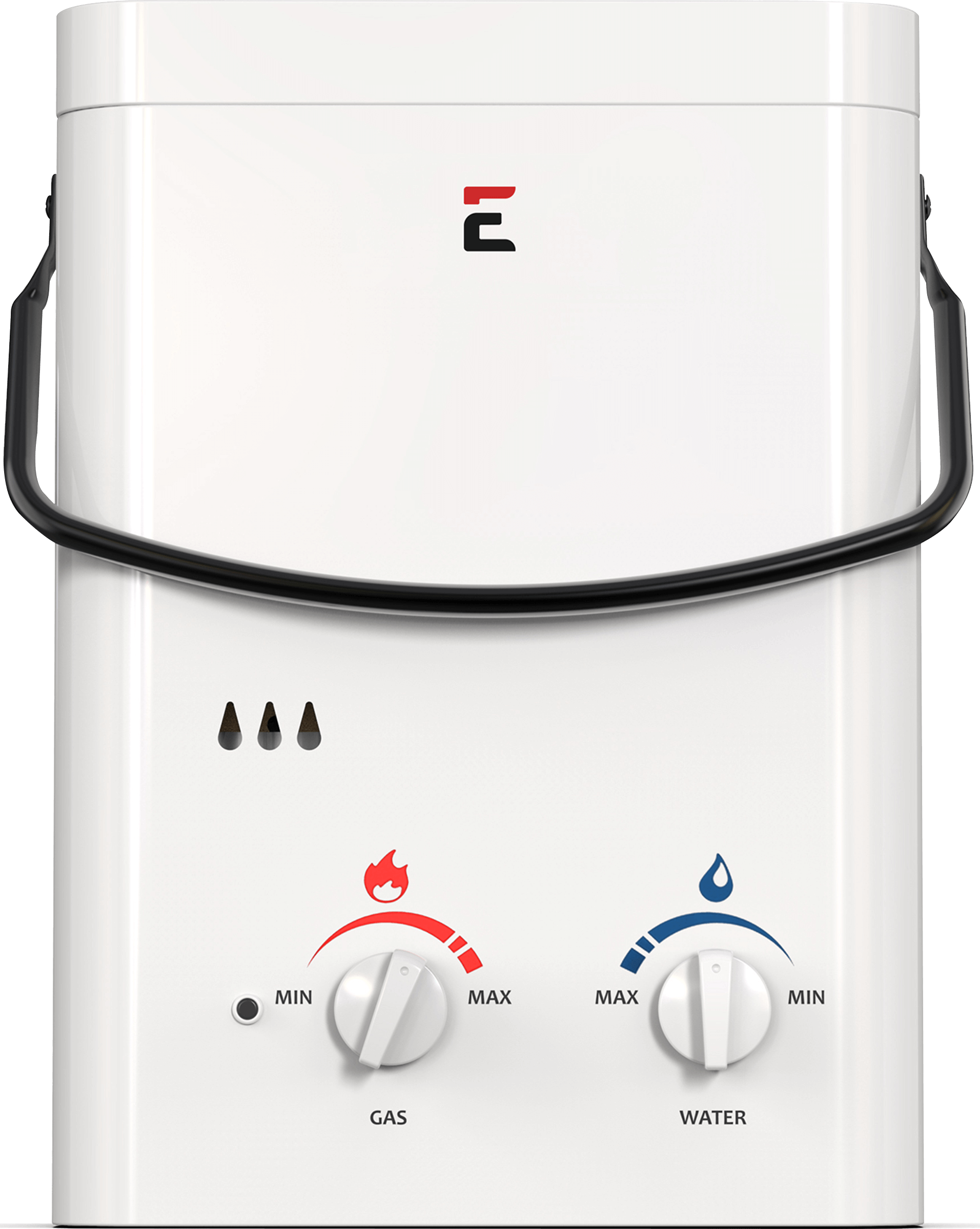
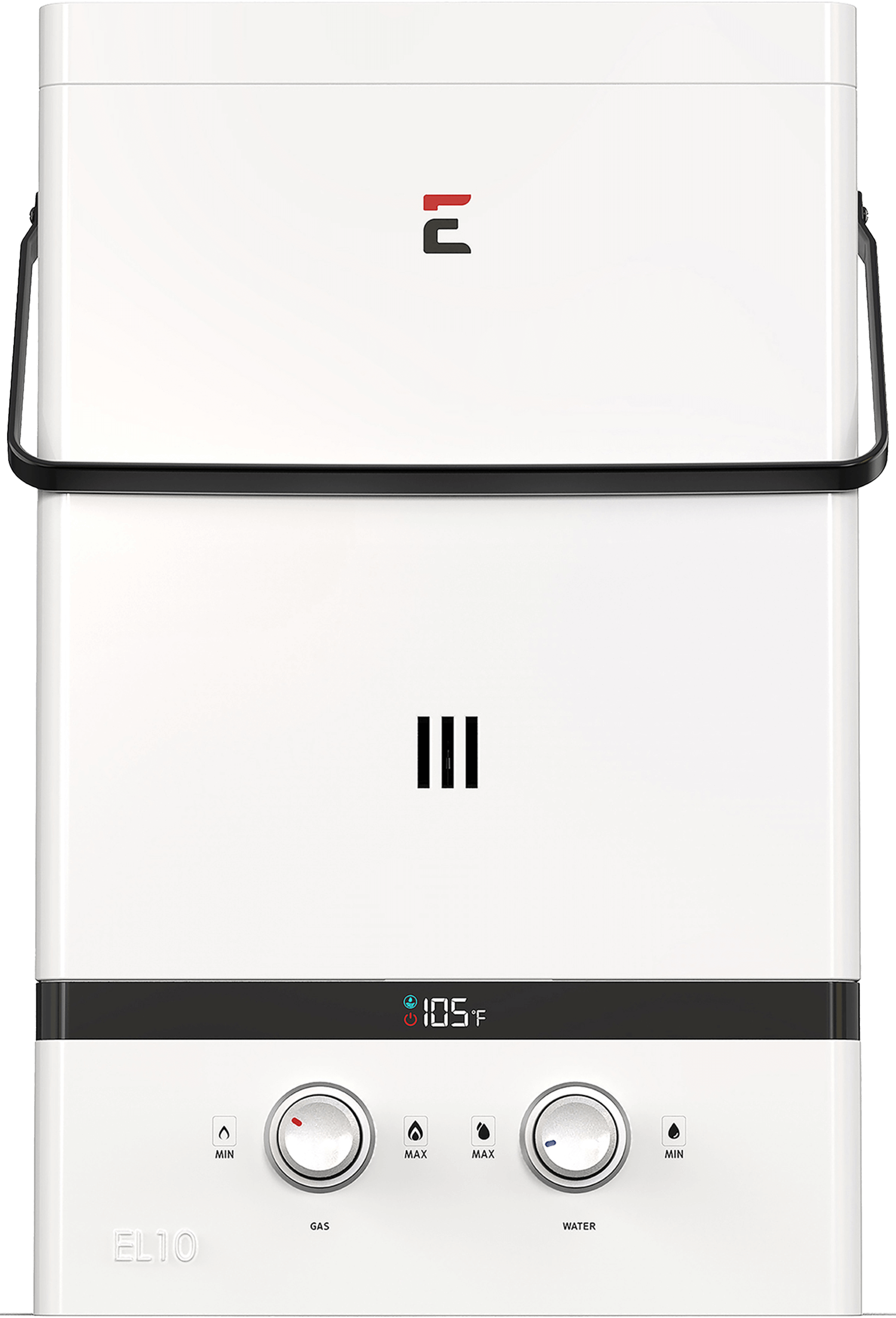
RV applications require a different approach because the water heater is typically serving a smaller plumbing system and a limited number of fixtures. Portable tankless water heaters can be useful for certain outdoor and temporary applications, including camping, cabins, and outdoor showers.
The water source, available water pressure, incoming-water temperature, propane supply, and intended application should all be considered when choosing a portable water heater.
Portable water heaters should also be used according to the manufacturer's instructions and designed application. Eccotemp portable models are intended for outdoor applications and should not be installed indoors or modified for permanent residential use.
Sizing a Tankless Water Heater for an Outdoor Shower
An outdoor shower usually requires much less hot water than an entire home. If an outdoor shower uses approximately 2.0 GPM, the primary sizing question is whether the water heater can provide that flow at the required temperature rise.
For example, an outdoor shower supplied with relatively warm water during summer may require less heating capacity than the same shower supplied with very cold water during winter.
This makes portable tankless water heaters a practical option for certain outdoor applications because they can provide hot water without requiring the installation of a permanent whole-home water heating system.
How to Calculate Hot-Water Demand for Multiple Showers
Multiple simultaneous showers are one of the easiest ways to understand tankless water heater sizing.
Suppose one shower uses approximately 2.0 GPM and a second shower also uses approximately 2.0 GPM. The combined demand would be approximately 4.0 GPM.
If a bathroom faucet is also being used at approximately 1.0 GPM, the total potential demand would become approximately 5.0 GPM.
Now imagine that the incoming water temperature is 50°F and the desired outlet temperature is 120°F. The required temperature rise would be 70°F.
In this scenario, the homeowner should look for a tankless water heater that can deliver approximately 5.0 GPM at a 70°F temperature rise. The manufacturer's performance specifications should then be used to determine which model is capable of meeting that requirement.
This approach is much more accurate than simply choosing a product because its name or maximum rating says "5 GPM."
Why Cold Weather Can Change Tankless Water Heater Performance
Cold weather can have a noticeable effect on tankless water heater performance because the incoming water may be significantly colder than it is during warmer months.
For example, suppose your desired water temperature is 120°F. If incoming water is 65°F, the required temperature rise is 55°F. If incoming water drops to 45°F, the required temperature rise increases to 75°F.
The water heater now has to add an additional 20°F of heat to every gallon of water.
This is especially important for homeowners in regions with cold winters. A water heater that performs adequately during warmer months may have less available flow when incoming water temperatures drop.
For that reason, sizing should account for the coldest realistic incoming-water conditions rather than relying solely on average or summer temperatures.
Gas and Electric Tankless Water Heater Sizing
Fuel type is another important factor when choosing a tankless water heater. Gas and electric models use different heating methods and have different installation requirements.
Gas tankless water heaters use a burner to heat water as it passes through the heat exchanger. Homeowners selecting a gas model need to consider the appropriate fuel type, gas supply, venting, installation location, clearances, and applicable local requirements.
Electric tankless water heaters use electric heating elements. They do not require combustion venting, but higher-output models can require substantial electrical capacity.
For this reason, electric tankless water heater sizing involves more than determining the desired GPM. The home's electrical panel, service capacity, breakers, wiring, and other installation requirements must also be considered. Eccotemp recommends having qualified professionals evaluate electrical requirements before installation.
Why You Should Not Choose a Tankless Water Heater by Maximum GPM Alone
Maximum GPM is one of the most visible specifications when shopping for a tankless water heater, but it should not be the only factor used to make a purchasing decision.
The maximum flow rate can depend on the temperature rise and other operating conditions. A model that can produce a particular flow under one set of conditions may provide a different flow when the incoming water is much colder.
For example, a household may need 5.0 GPM of hot water, but that number does not tell you whether every 5 GPM water heater can meet the household's needs. The homeowner must determine the required temperature rise and then verify the model's performance at that temperature rise.
Eccotemp's sizing guidance emphasizes comparing the household's calculated flow rate and temperature rise with the performance specifications of the specific model.
How Low-Flow Fixtures Can Affect Sizing
The flow rate of your home's fixtures can make a significant difference in tankless water heater sizing.
For example, two showers using 2.0 GPM each require approximately 4.0 GPM. If the same two showers use 2.5 GPM each, their combined demand increases to approximately 5.0 GPM.
That additional 1.0 GPM can make a difference when selecting a water heater.
Efficient fixtures can therefore reduce peak demand. Homeowners who are remodeling a bathroom or replacing showerheads may want to check the flow rate of their new fixtures because lower flow can reduce the amount of hot water the system needs to produce. Eccotemp also recommends considering fixture flow rates when determining the appropriate size of a tankless water heater.
Should You Choose a Larger Tankless Water Heater?
Choosing a larger tankless water heater is not automatically the best solution. The objective is to select a model that can meet your actual peak demand at the temperature rise required for your location.
A model that is too small for the household's peak demand may struggle when multiple fixtures operate simultaneously. On the other hand, selecting a larger model than necessary may introduce additional installation, fuel, or electrical requirements depending on the type of water heater.
The best approach is to calculate your household's expected peak demand first and then compare that requirement with the available models.
Choosing the Right Eccotemp Tankless Water Heater
Once you understand your household's approximate GPM and temperature rise, you can begin comparing tankless water heater options.
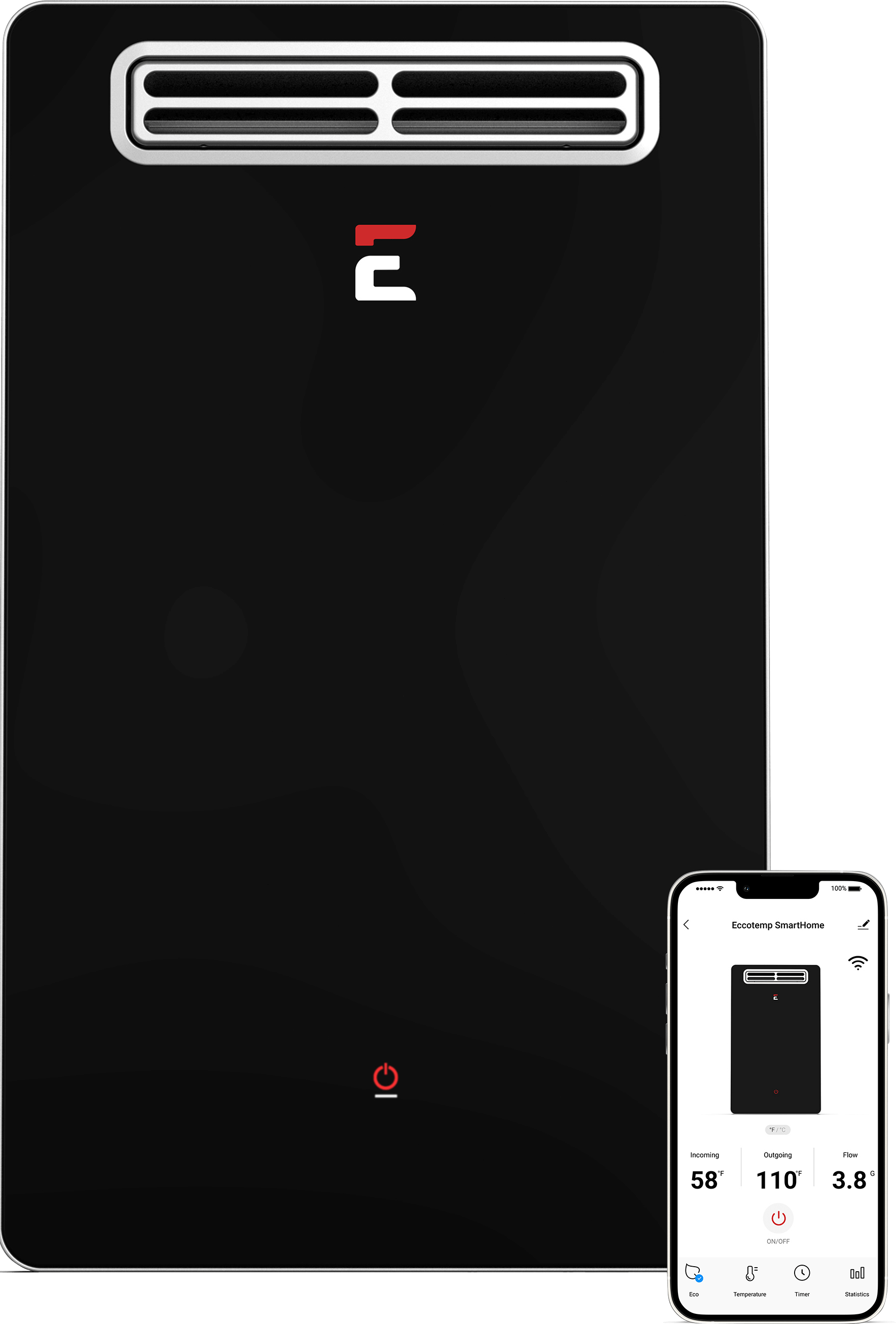
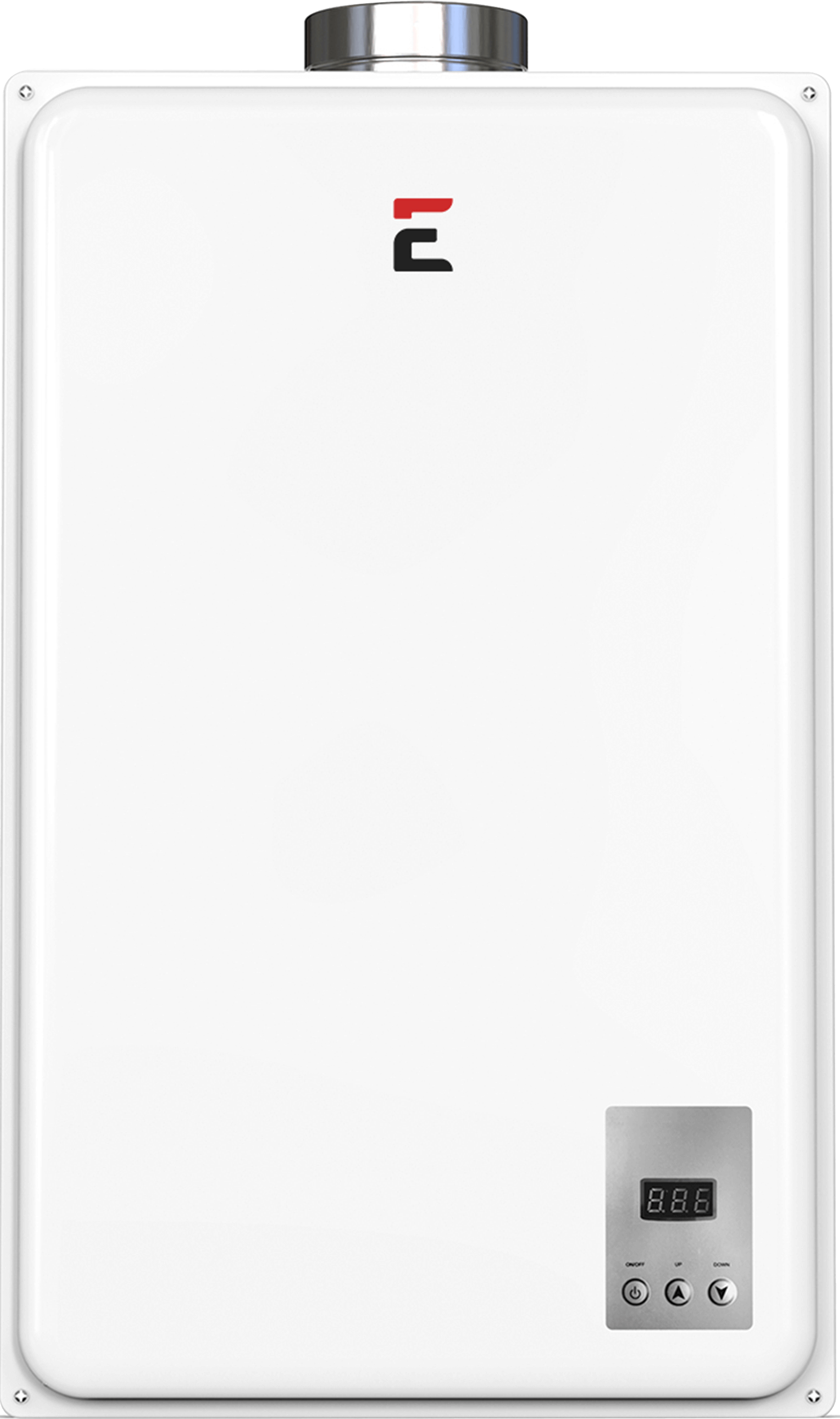
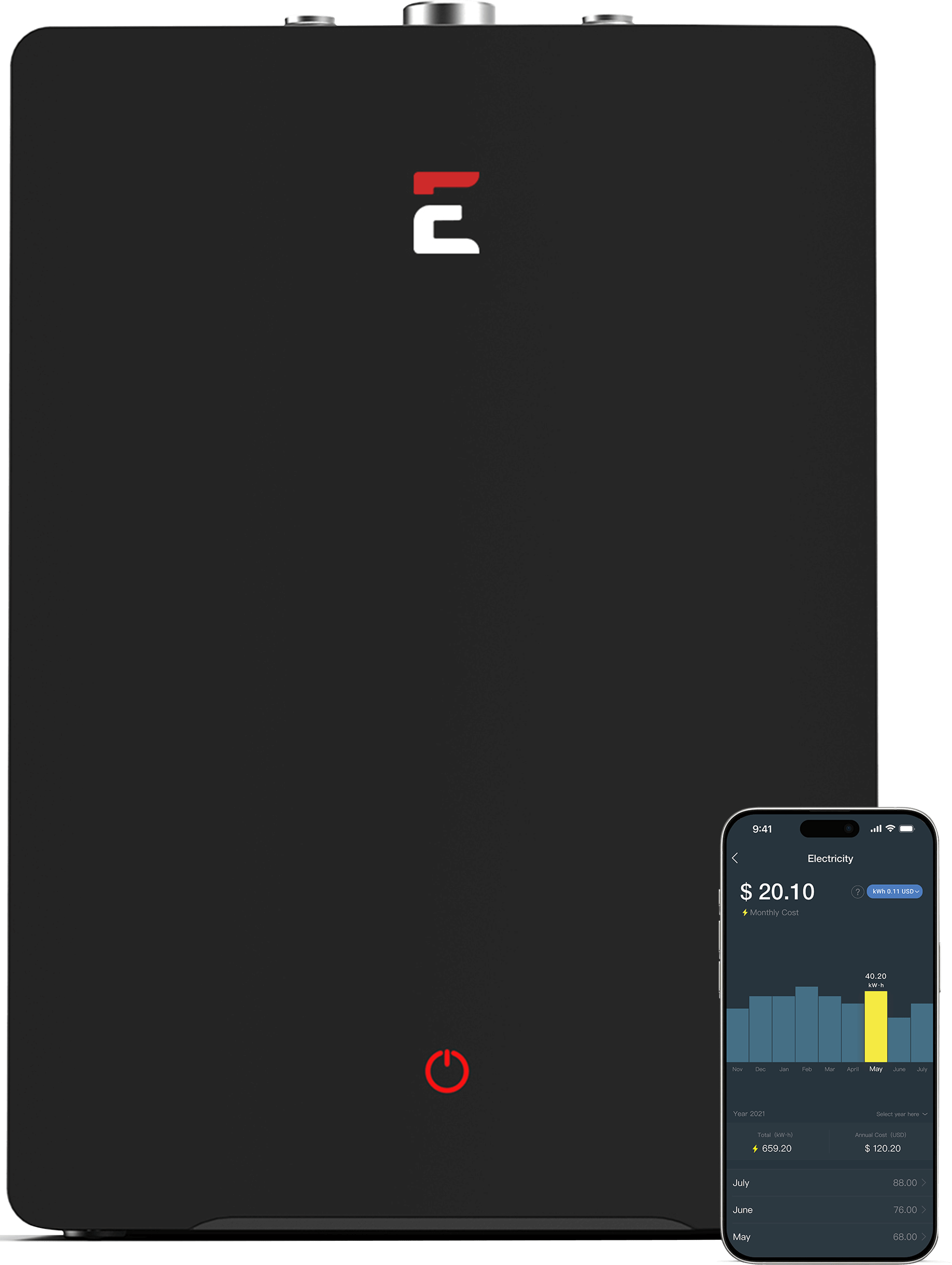
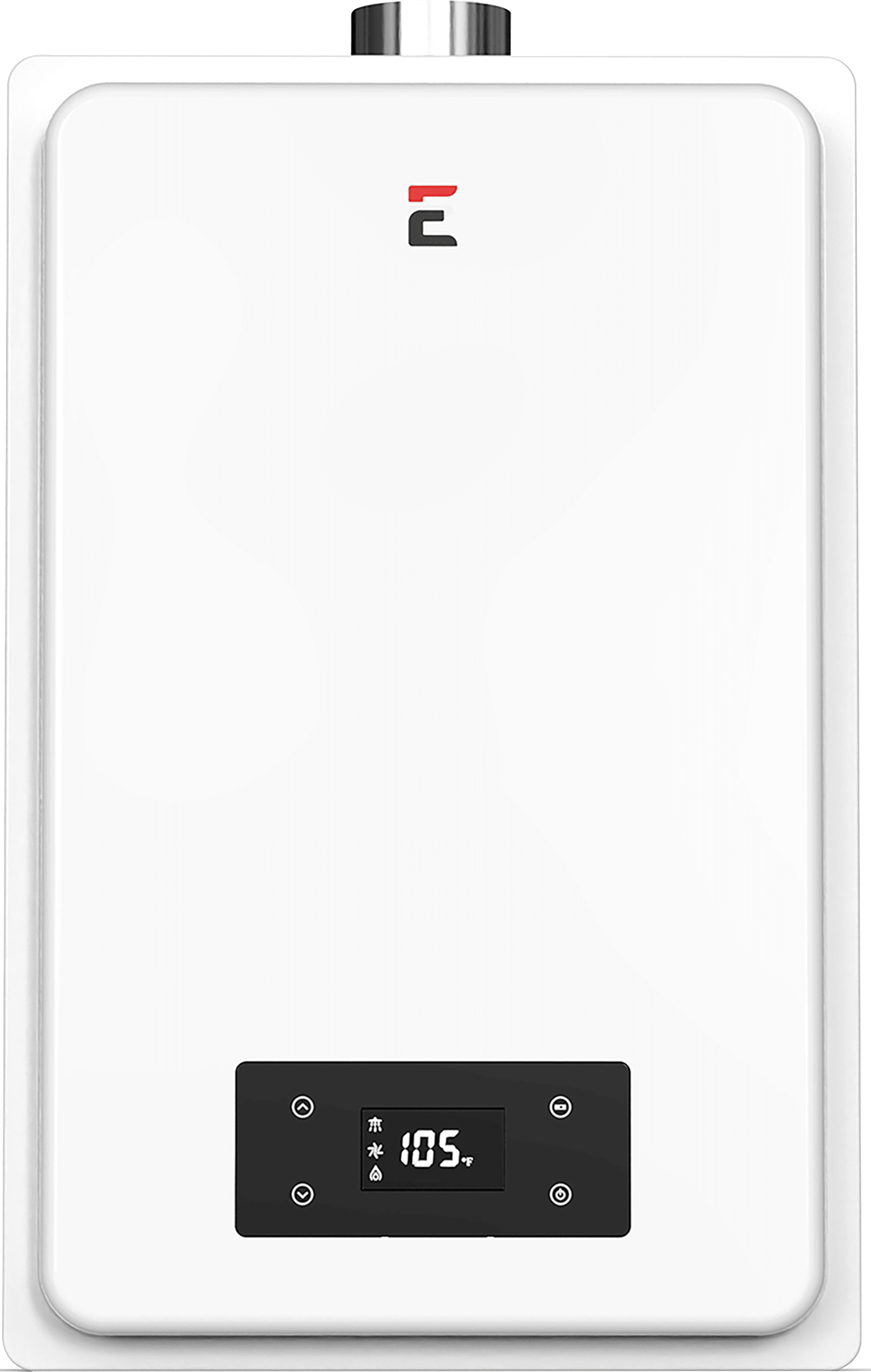
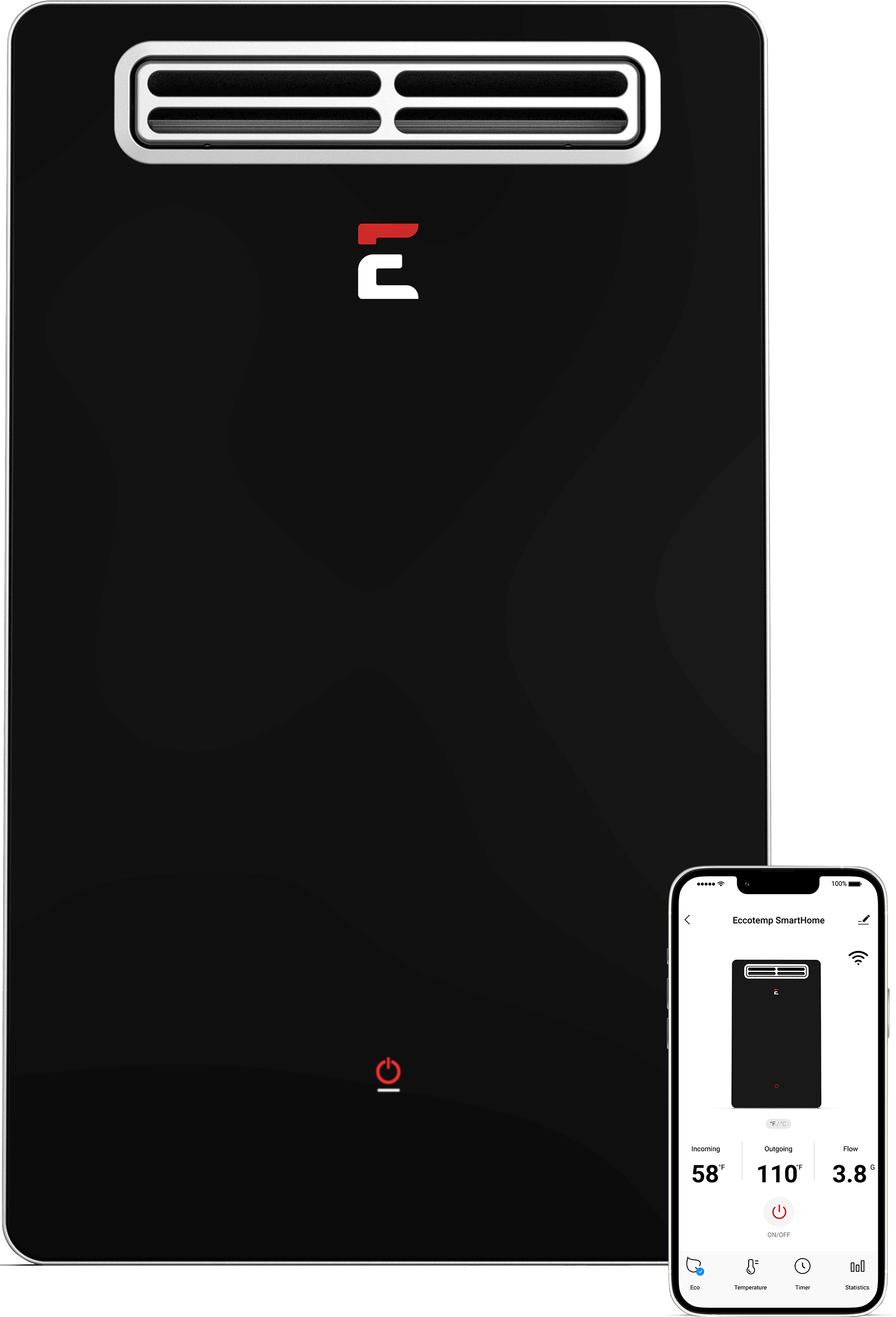
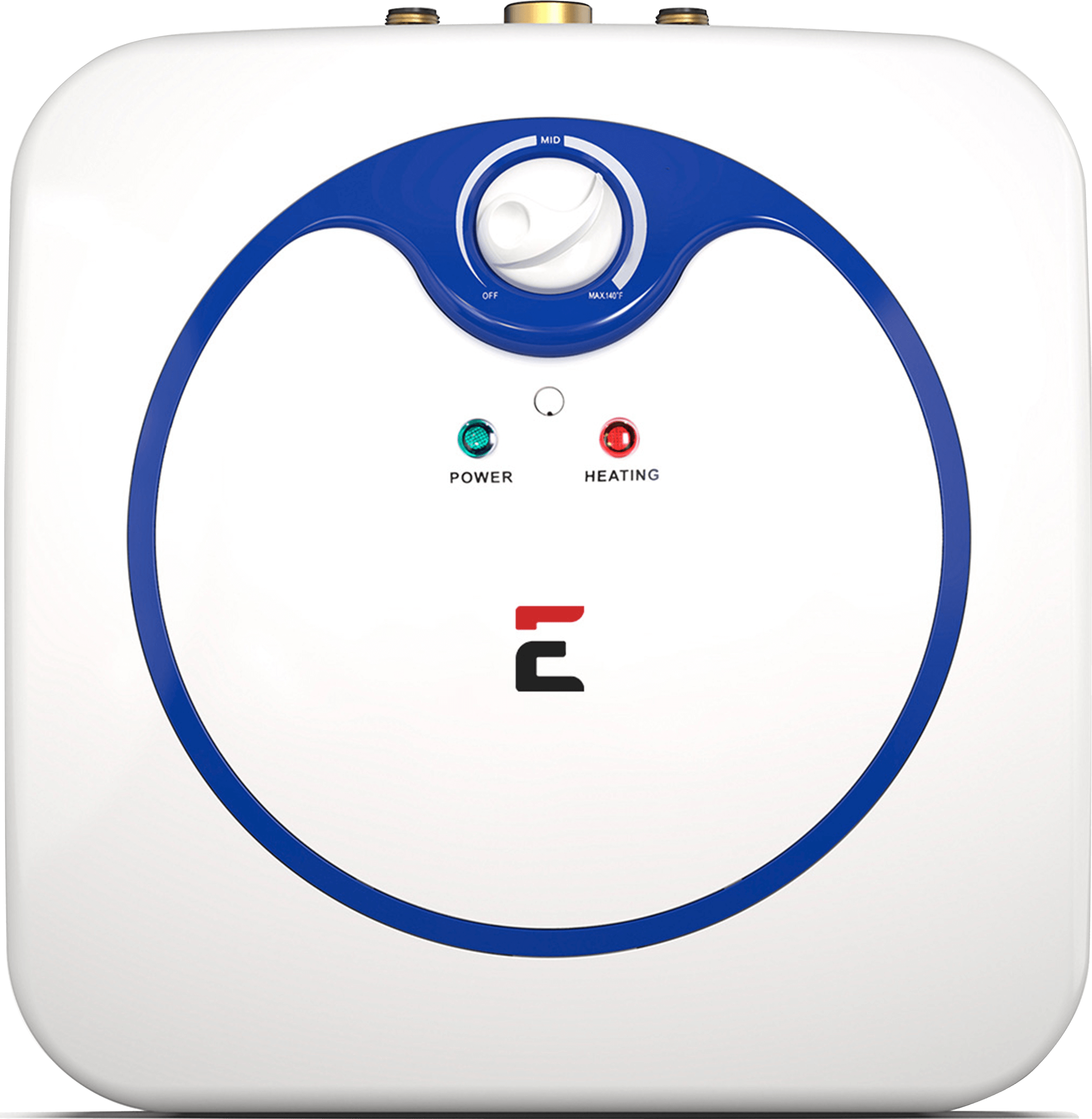
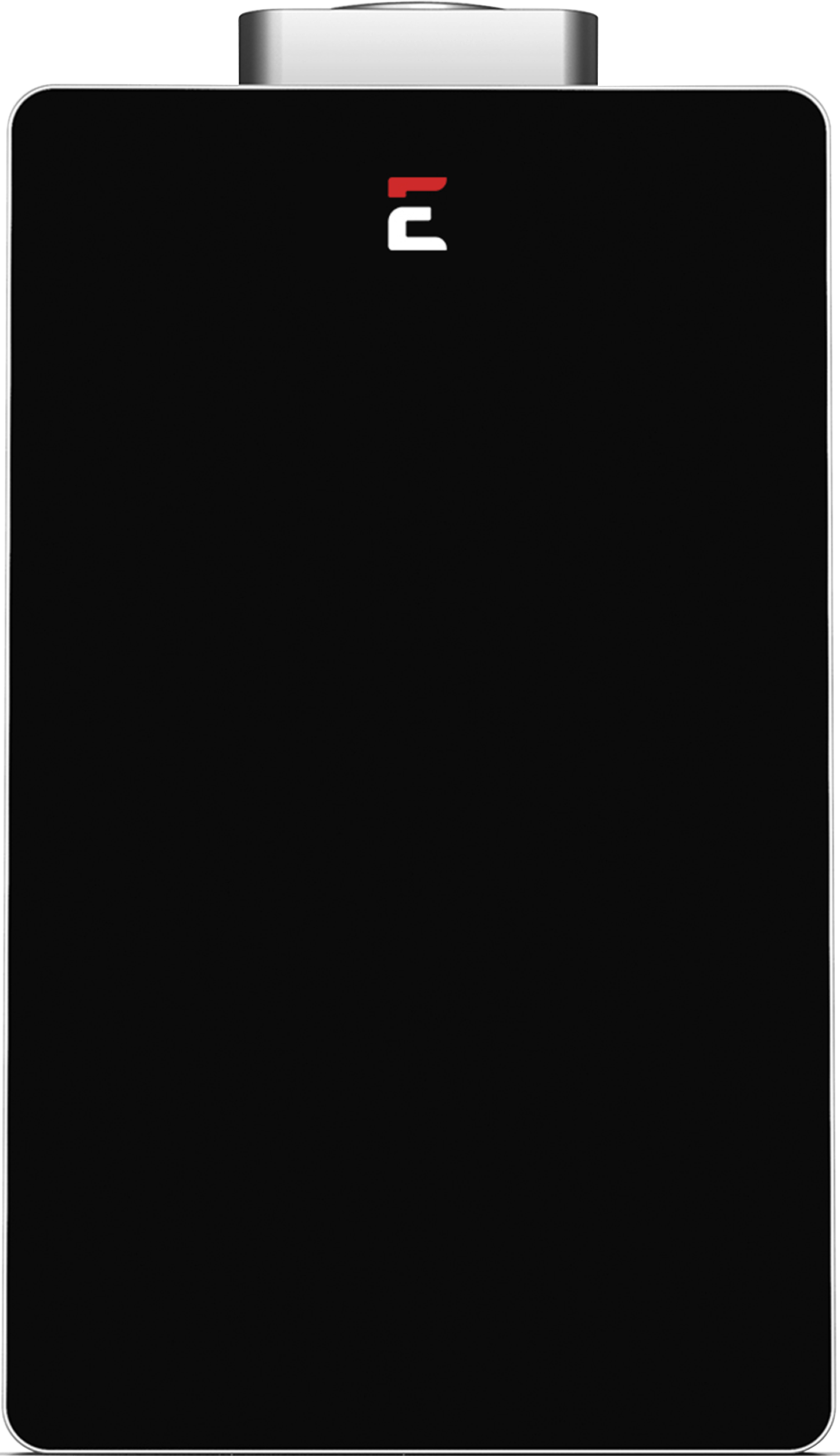
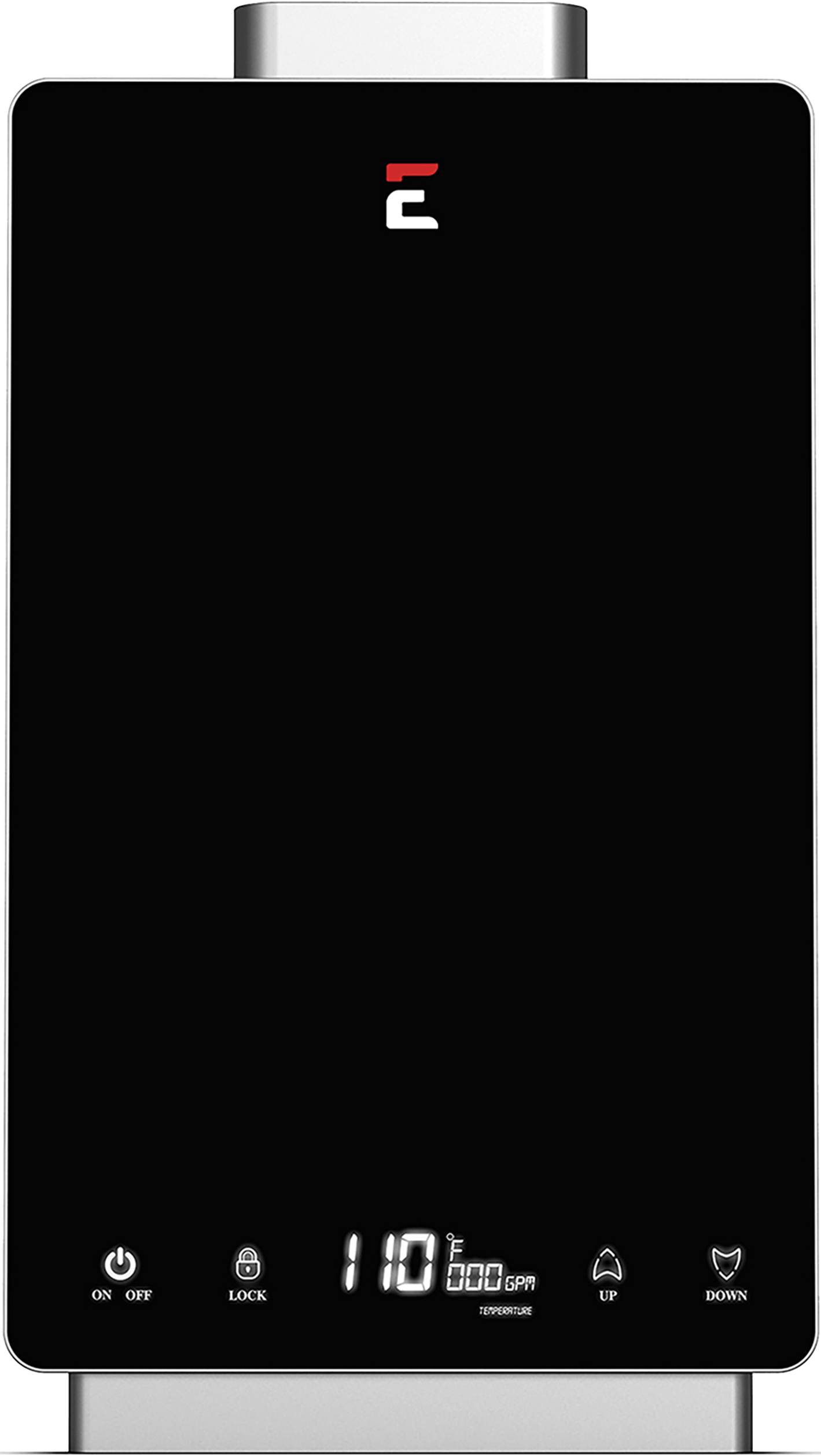
Eccotemp offers several categories designed for different applications, including gas tankless water heaters, electric tankless water heaters, SmartHome water heaters, and portable water heaters. Each category serves different installation environments and hot-water needs.
For permanent whole-home applications, homeowners can compare Eccotemp gas and electric models based on their required flow rate, temperature rise, fuel availability, and installation requirements.
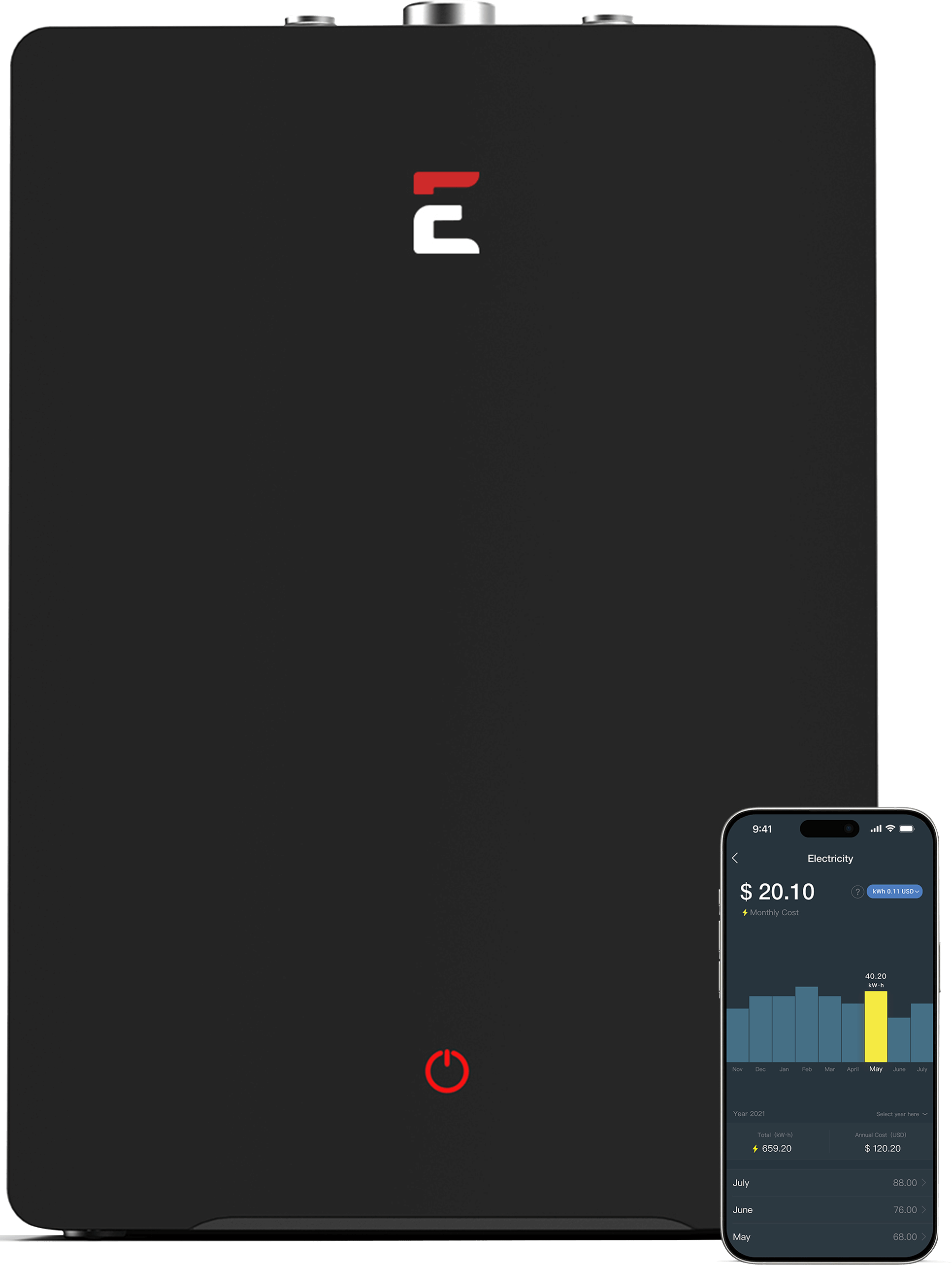
Homeowners who want connected-home features can explore Eccotemp SmartHome options, which combine tankless water heating with smart controls and monitoring features on compatible models.
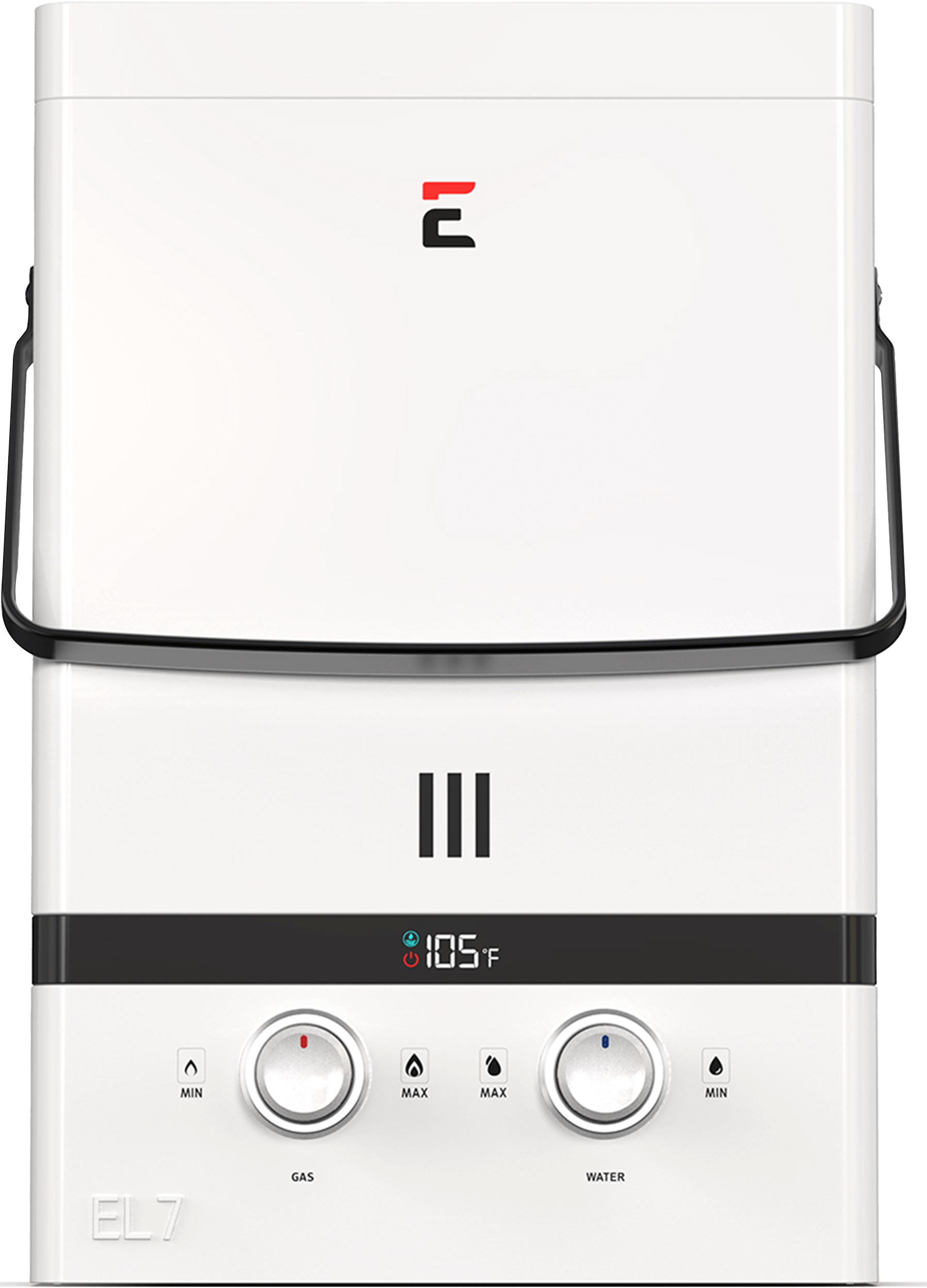
For camping, cabins, outdoor showers, and other temporary outdoor applications, Eccotemp portable water heaters provide another option for generating hot water where a permanent whole-home installation is not necessary.
Regardless of which category you choose, always review the specifications and installation requirements for the exact model before purchasing or installing the water heater.
Final Thoughts on Tankless Water Heater Sizing
The right tankless water heater size is not determined by family size alone. Instead, it is determined by how much hot water your household is likely to use simultaneously and how much the incoming water needs to be heated.
Start by identifying the fixtures that could operate at the same time. Add their flow rates together to estimate your peak GPM demand. Then determine your required temperature rise by subtracting your incoming water temperature from your desired hot-water temperature.
For example, if your household could use two 2.0 GPM showers and a 1.0 GPM sink at the same time, your estimated demand would be approximately 5.0 GPM. If your incoming water temperature is 50°F and you want an outlet temperature of 120°F, your required temperature rise would be 70°F.
You can then compare those requirements with the performance specifications of the tankless water heater you are considering.
The most important thing to remember is that a tankless water heater should be sized around your home's actual usage patterns and local water conditions. A one-bathroom home, two-bathroom home, large family house, apartment, tiny home, RV, and outdoor shower can all have very different requirements.
By understanding flow rate, temperature rise, incoming-water temperature, fuel type, and simultaneous usage, you can make a more informed decision and find an Eccotemp tankless water heater that is appropriately matched to your application.
Before installation, always follow the manufacturer's installation instructions and applicable local codes, and use qualified professionals when required for gas, electrical, plumbing, or other specialized work.
Frequently Asked Questions About Tankless Water Heater Sizing
How do I know what size tankless water heater I need?
The right tankless water heater size depends primarily on your household's peak simultaneous hot-water demand and the temperature rise required. Start by adding the GPM of the fixtures that may operate at the same time, then determine how much the incoming water needs to be heated to reach your desired temperature. Compare those requirements with the performance specifications of the specific tankless water heater you are considering.
Is a 5 GPM tankless water heater enough for a family of four?
It can be, depending on how the household uses hot water and the required temperature rise. A family of four that normally uses only one shower at a time may have considerably lower peak demand than a family of four that regularly runs two showers, faucets, and other hot-water fixtures simultaneously. Family size alone should not be used to determine tankless water heater size.
How many GPM does a shower use?
A typical shower may use approximately 2.0 GPM, although actual flow depends on the showerhead and plumbing. Two showers using approximately 2.0 GPM each would create a combined demand of about 4.0 GPM. Checking the actual flow rate of your fixtures can provide a more accurate estimate when sizing your water heater.
What is temperature rise in a tankless water heater?
Temperature rise is the difference between the temperature of the incoming cold water and the desired hot-water temperature. For example, if incoming water is 50°F and you want water heated to 120°F, the required temperature rise is 70°F. A greater temperature rise generally requires more heating capacity.
Why does incoming water temperature matter when sizing a tankless water heater?
Incoming water temperature affects how much work the water heater must do to produce hot water. Colder incoming water requires a greater temperature rise, which can reduce the available flow rate at a particular outlet temperature. This is especially important in colder climates and during winter when groundwater temperatures can drop significantly.
Can a tankless water heater run two showers at the same time?
Yes, depending on the water heater's capacity, incoming water temperature, and the flow rate of the showers. If each shower uses approximately 2.0 GPM, two simultaneous showers would require about 4.0 GPM before accounting for other fixtures. The selected water heater should be capable of delivering that flow at the required temperature rise.
Can I run a shower and kitchen faucet at the same time with a tankless water heater?
Yes. The important consideration is the combined flow rate. For example, if a shower uses approximately 2.0 GPM and a kitchen faucet uses approximately 1.0 GPM, the combined demand would be about 3.0 GPM. The tankless water heater should be sized to provide the combined demand at the required temperature rise.
Does a larger family always need a larger tankless water heater?
Not necessarily. The number of people in the household is only one factor. The number of bathrooms, fixture flow rates, household routines, and the number of fixtures used simultaneously can have a greater effect on peak demand. Two families of the same size can have very different tankless water heater requirements.
Is a higher GPM tankless water heater always better?
Not necessarily. A higher maximum GPM rating does not automatically mean the water heater will provide that flow under every condition. Performance depends on factors such as incoming water temperature and required temperature rise. It is more important to choose a model that can provide the required GPM at your expected temperature rise.
How does cold weather affect tankless water heater sizing?
Cold weather can increase the required temperature rise because incoming water becomes colder. For example, heating water from 45°F to 120°F requires a 75°F temperature rise, while heating water from 65°F to 120°F requires only a 55°F rise. When sizing a tankless water heater, homeowners in colder climates should consider their colder seasonal incoming-water temperatures.