 Weekly Deals
 Water Heaters
 Accessories
 Installation
 Parts
Parts
 Protection Plans
 Final Sale




Tankless vs. Traditional Water Heaters: Which Is Better in 2026?
Updated August 2026 – This guide was refreshed with a clearer comparison of tankless and traditional water heaters, including cost, efficiency, hot-water capacity, installation, maintenance, lifespan, space, and household fit.
A tankless vs. traditional water heater decision usually comes down to upfront cost, available space, energy use, and how much hot water your household needs at one time. A storage-tank model is often less expensive and simpler to replace. A properly sized tankless model can provide continuous hot water, avoid storage-related standby heat loss, and use far less floor space. Neither type wins for every home. In this guide, we’ll compare performance, efficiency, installation, maintenance, lifespan, and total cost so you can choose based on your home rather than a general claim.
Key Takeaways
- Choose a storage-tank water heater when lower upfront cost and a straightforward same-type replacement are the main priorities.
- Consider tankless when space, continuous hot-water delivery, lower energy use, or a longer expected service life matters more.
- Tankless capacity depends on simultaneous gallons per minute (GPM) and temperature rise, not household size alone.
- A tankless conversion may require gas, venting, electrical, plumbing, drainage, or permit work.
- Compare the exact models’ Uniform Energy Factor (UEF), EnergyGuide estimates, capacity, warranty, and installation scope before deciding.
Is a Tankless or Traditional Water Heater Better?
Tankless is usually the better fit when you want continuous hot water within the unit’s rated capacity, have limited space, plan to remain in the home, and can support the installation requirements. A traditional storage-tank water heater is often the practical choice when the purchase budget is tight, the existing tank can be replaced with minimal changes, or the household benefits from a ready reserve of heated water.
The answer changes with the fuel source, local utility rates, incoming water temperature, simultaneous demand, and required home upgrades. A high-efficiency storage model can be a stronger choice than an undersized tankless unit. Likewise, a correctly sized tankless system can serve sustained demand without waiting for a tank to recover. Compare complete systems, not tankless technology against the least efficient tank available.
|
Factor |
Tankless water heater |
Traditional storage-tank water heater |
|
Heating method |
Heats water as it flows through the unit |
Heats and stores a fixed volume of water |
|
Hot-water capacity |
Continuous within rated flow and temperature rise |
Limited by stored volume and recovery rate |
|
Upfront cost |
Usually higher, especially for conversions |
Usually lower for a similar replacement |
|
Energy use |
Avoids storage-related standby heat loss |
Uses energy to maintain stored water temperature |
|
Space |
Compact and commonly wall-mounted |
Requires floor space for the tank and service access |
|
Maintenance |
May require filter cleaning, inspection, and descaling |
May require flushing, anode inspection, and safety-valve checks |
|
Installation |
Can require utility and venting upgrades |
Often simpler when replacing the same type |
|
Best fit |
Space-conscious homes with well-defined demand |
Budget-conscious replacements and homes that value stored capacity |
How Each Water Heater Works
A traditional water heater stores heated water in an insulated tank. When hot water leaves, cold water enters and the burner or heating elements warm the replacement supply. The tank’s size and recovery rate determine how much hot water is available during a busy period. Once demand exceeds that supply, the household must wait for recovery.
A tankless water heater activates when flow is detected and heats water through a heat exchanger. It does not store a large reserve, so it must produce the required flow at the required temperature rise in real time. Gas and electric models do this differently and have different installation requirements.
Performance: Stored Capacity vs. Flow Rate
The most useful performance comparison is not “small household versus large household.” It is peak simultaneous demand versus the heater’s rated output.
Storage-tank performance is commonly evaluated through tank capacity and first-hour rating, which describes how much hot water the unit can supply in the first hour starting with a fully heated tank. A tank can support a short period of heavy use, but the supply may cool when demand exceeds its stored volume and recovery.
Tankless performance is measured in gallons per minute at a stated temperature rise. Temperature rise is the difference between incoming water temperature and the desired outlet temperature. If incoming water is 50°F and the desired outlet is 120°F, the required rise is 70°F. Colder incoming water reduces the flow a given tankless unit can heat to the target temperature.
Continuous Does Not Mean Unlimited Capacity
A correctly sized tankless heater can keep producing hot water without a storage tank running empty. It cannot exceed its rated flow. If simultaneous demand is too high, temperature or flow may drop. A storage tank can release a large ready supply, but only until that supply is depleted.
Tankless Does Not Automatically Deliver Water Faster
Both systems may take time to deliver hot water through the pipes. The distance from the heater to the fixture, pipe layout, and any approved recirculation setup affect the wait. “On demand” describes how the water is heated, not guaranteed instant arrival at every faucet.
Energy Efficiency and Operating Cost
Tankless units avoid the standby heat loss associated with keeping stored water hot. The U.S. Department of Energy states that demand water heaters can be 24% to 34% more energy efficient than conventional storage-tank heaters in homes using 41 gallons or less of hot water daily. The advantage drops to 8% to 14% in homes using about 86 gallons daily.
Those percentages are broad comparisons, not a promise for every home. Fuel prices, household use, climate, model efficiency, water temperature, and installation quality affect operating cost. Compare the yellow EnergyGuide estimate and Uniform Energy Factor (UEF) for models using the same fuel and serving a similar load.
UEF is a standardized measure of water-heater efficiency. A higher number indicates greater efficiency within the applicable product category, but annual cost estimates may still differ with energy prices and usage.
Installation and Upfront Cost
A same-type storage-tank replacement is often the lower-cost path because the location and utility connections may already suit the new unit. The installer must still confirm the model, condition of existing connections, drainage, clearances, permits, and current local requirements.
Tankless conversions can cost more because the project may involve mounting, plumbing changes, service valves, gas capacity, model-approved venting, combustion air, condensate drainage, dedicated circuits, or an electrical-service upgrade. Requirements vary by model and home. Gas, electrical, venting, and regulated plumbing work should follow the manufacturer’s instructions and applicable codes and be handled by qualified professionals. Current national guides place many installed tankless projects around $1,400 to $5,400, though simple projects may cost less and infrastructure-heavy conversions can exceed that range.
Lifespan, Maintenance, and Repairability
A well-maintained tankless water heater may provide reliable service for approximately 15 to 20 years, while storage-tank models often have a shorter lifespan. Water quality, installation, usage, maintenance, climate, and model design can affect how long either system lasts.
Both types require routine care. Storage tanks may need sediment flushing, anode-rod inspections, and temperature-and-pressure relief valve checks. Tankless units may require inlet-filter cleaning, system inspections, and descaling. Homes with hard water may need more frequent maintenance because mineral deposits can build up inside the heater.
Maintenance schedules vary by model and local water conditions. Follow the instructions in the installed unit’s manual and use a qualified professional for combustion, venting, electrical, or internal repair work.
Space, Location, and Leak Considerations
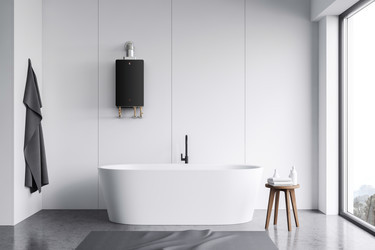
Tankless units are commonly wall-mounted and free the floor area occupied by a storage tank. That can help in a small utility room, apartment, or home where usable space is limited. The mounting location still needs required clearances, service access, suitable plumbing and utilities, and an installation type approved for the model.
A tankless unit removes the risk of a large storage tank rupturing and releasing its stored volume. It does not remove every leak risk. Water connections, valves, internal components, condensate systems, and surrounding plumbing can still leak. Storage-tank installations may also need a drain pan or other protections based on the location and local requirements.
Fuel Type Can Change the Decision
The tank-versus-tankless question should include the energy source. A gas tankless unit and a whole-home electric tankless unit place different demands on a property. Gas models may require adequate gas supply, combustion air, approved venting, and condensate management. Whole-home electric models may require several dedicated circuits and substantial panel or service capacity.
Changing fuel type can increase installation cost and complicate the comparison. In some homes, staying with the existing fuel and heater type is the sensible short-term decision. In others, planned electrical, gas, or remodeling work may make a conversion more practical.
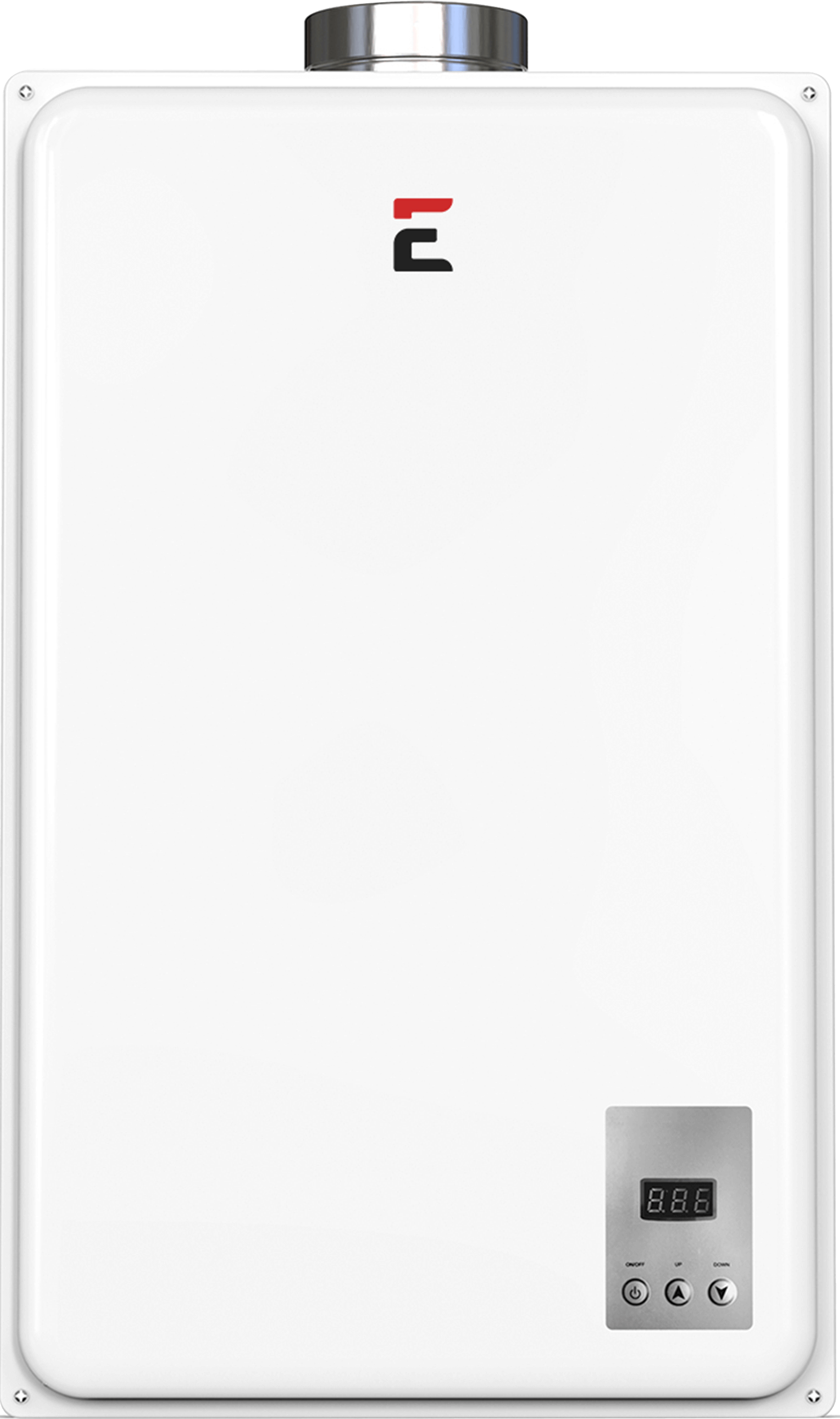
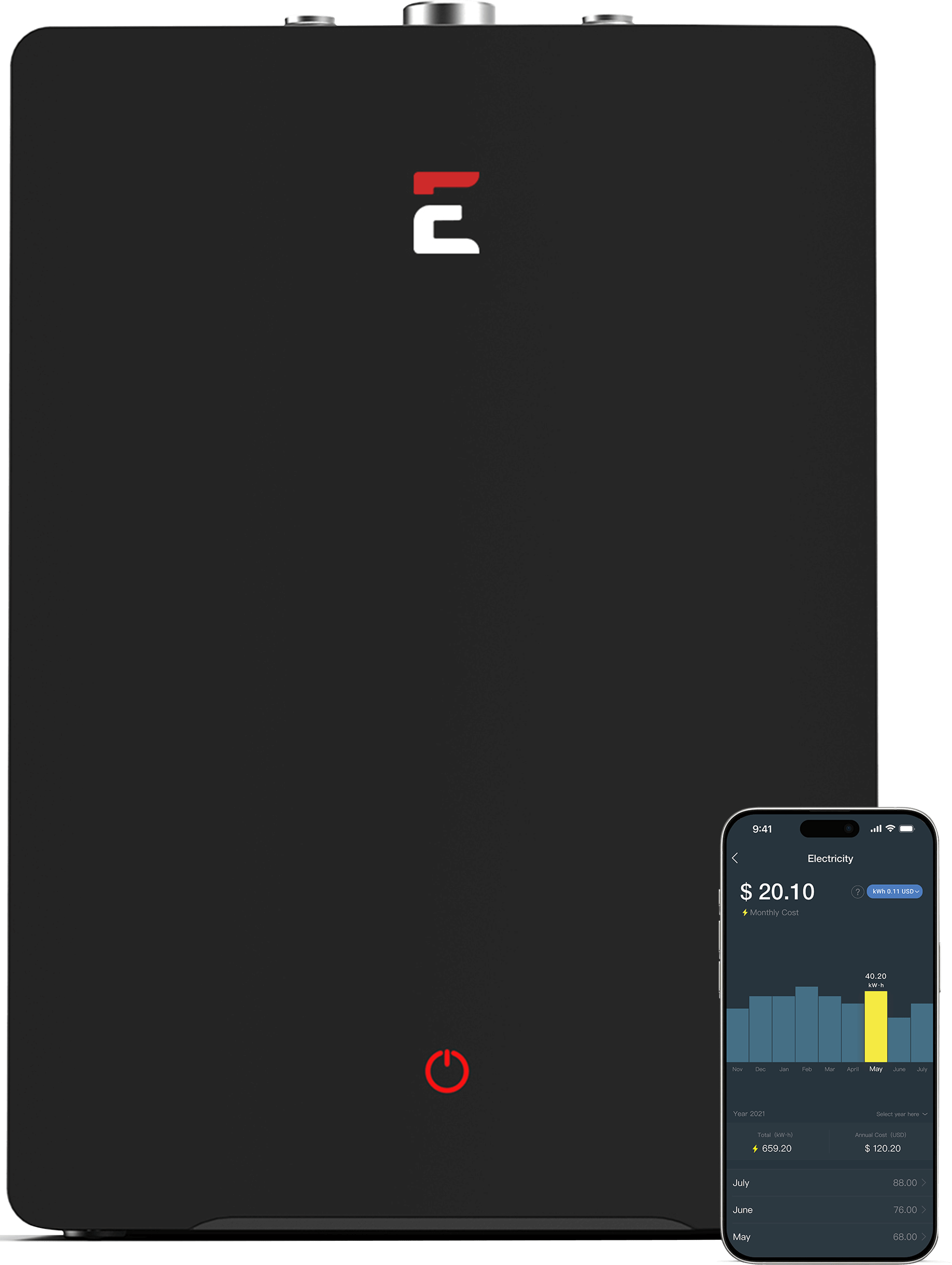
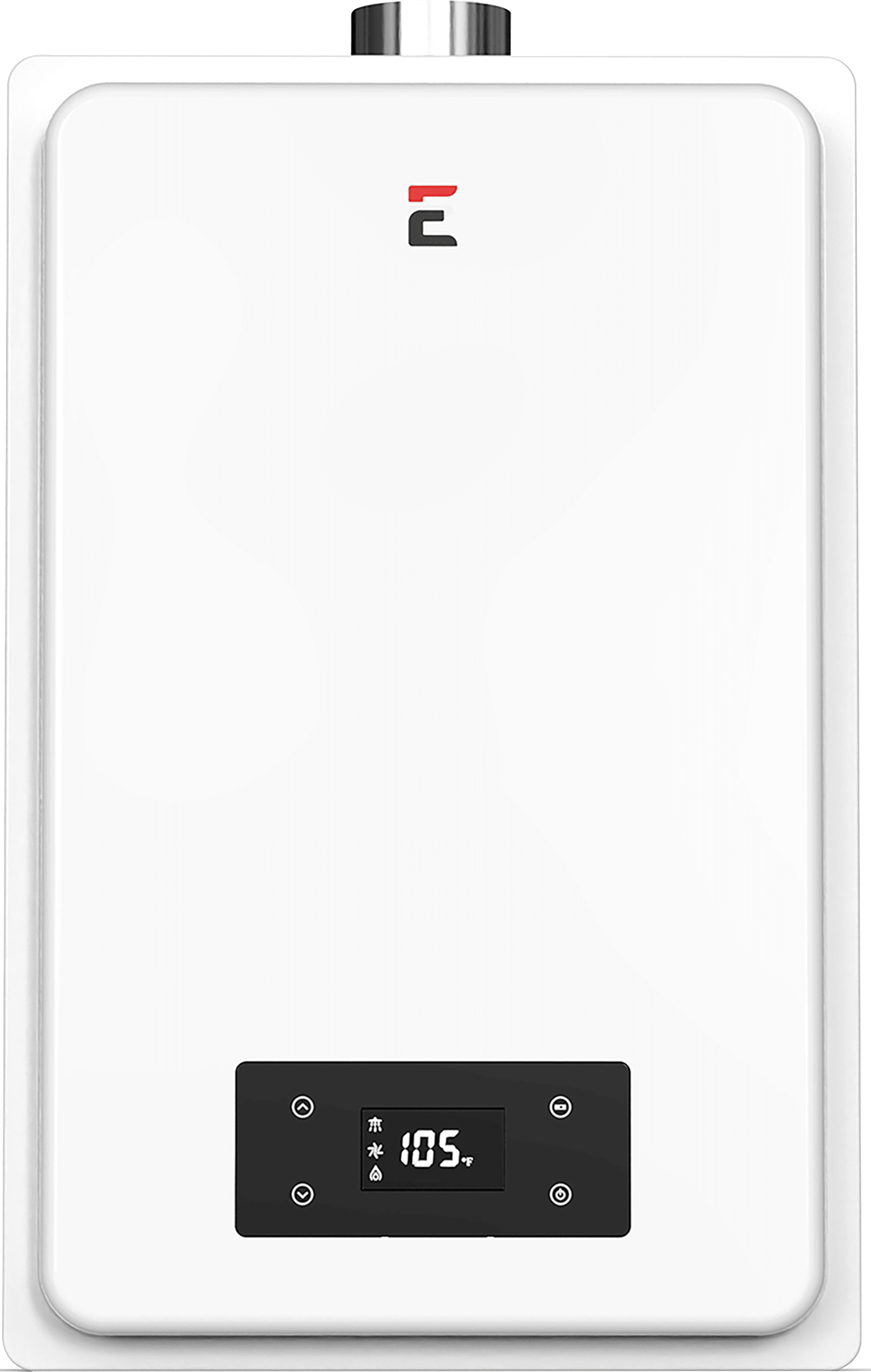
Once you understand the home’s fuel supply, electrical capacity, and hot-water demand, compare the specifications of available gas tankless water heaters and electric tankless water heaters to identify suitable options.
Which Water Heater Fits Your Home?
Use these six questions before requesting final quotes:
- What runs at the same time? Add the expected flow of simultaneous showers, faucets, and hot-water appliances.
- How cold is the incoming water? A larger required temperature rise reduces tankless output at a given flow.
- What infrastructure already exists? Check fuel, gas capacity, panel space, electrical service, venting, drainage, and the proposed location.
- How long will you keep the property? A higher upfront cost is harder to justify if you expect to move soon.
- What does each complete project cost? Compare equipment, installation, permits, accessories, maintenance, expected operating cost, and warranty terms.
- What does the exact model documentation require? Confirm capacity and installation details in the current manual before approving work.
Choose a storage-tank heater when a lower initial cost, quick same-type replacement, and stored reserve best match your priorities. Consider tankless when its rated capacity fits your peak demand and you value continuous delivery, compact size, and reduced standby energy use enough to accept the installation scope.
Frequently Asked Questions
Can a tankless water heater replace a 50-gallon tank?
Yes, but tank size does not convert directly to tankless capacity. Size the replacement by simultaneous flow, temperature rise, fuel supply, electrical capacity, and model requirements.
Does a tankless water heater provide instant hot water?
It heats water when flow begins, but hot water must still travel through the pipes. Distance, plumbing layout, and approved recirculation determine fixture wait time.
Is tankless worth the higher installation cost?
It can be when continuous hot water, space savings, efficiency, and long ownership matter. Compare itemized installation costs with realistic operating savings carefully before deciding.