 Weekly Deals
 Water Heaters
 Accessories
 Installation
 Parts
Parts
 Protection Plans
 Final Sale





Why Choose an Indoor Tankless Water Heater for Your Home?
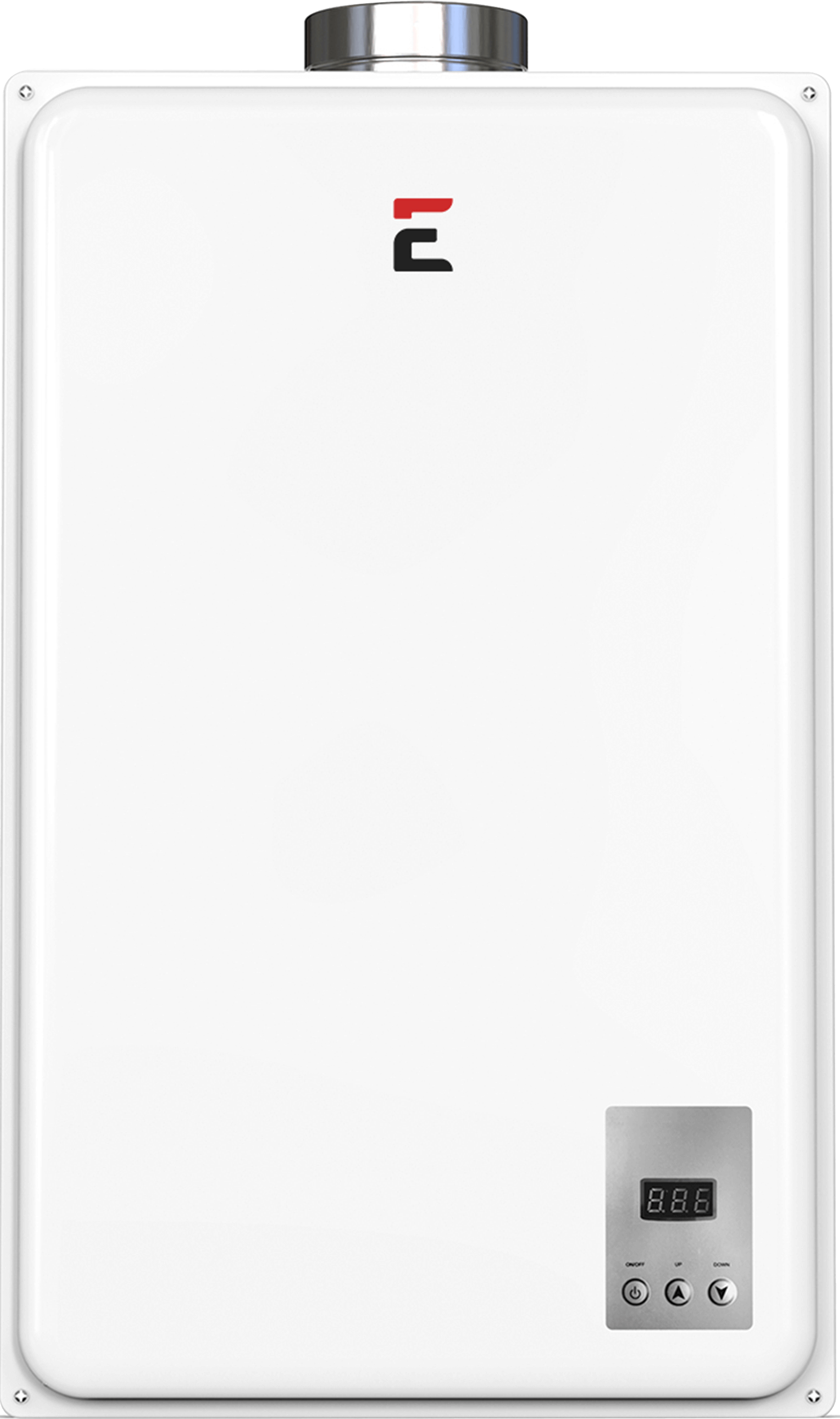
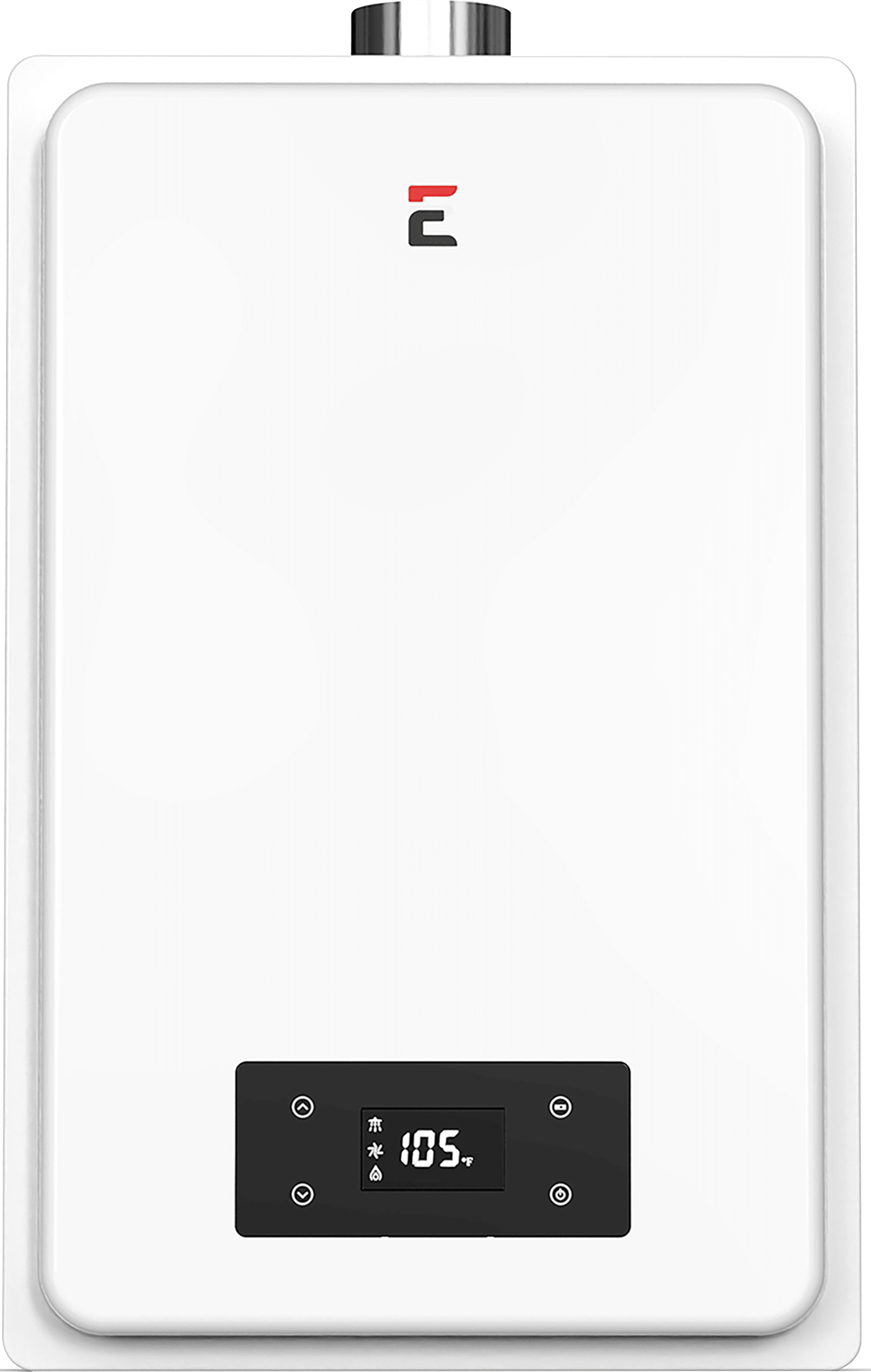
An indoor tankless water heater can provide continuous hot water without using the floor space required by a storage tank. Indoor placement also protects the unit from direct exposure to rain, wind, and changing outdoor conditions. It is a strong option when your home has a suitable installation area, the required utilities, and a safe path for model-approved venting when using gas. In this guide, we’ll explain the main benefits, the limits to consider, and what to verify before choosing an indoor model.
Is an Indoor Tankless Water Heater a Good Choice?
An indoor tankless water heater can be a good choice if you want to free floor space, avoid storing a large volume of heated water, and place the equipment in a more controlled environment. It can work especially well in a utility room, basement, garage, or another location approved by the manufacturer.
The location must still meet the exact model’s requirements. Gas units need approved combustion-air and exhaust arrangements. Electric models may require substantial electrical capacity. Every unit must be sized for the home’s actual hot-water demand.
Indoor placement does not make an undersized heater more powerful or remove the need for maintenance. The main benefit is having a properly selected tankless system installed in a protected and serviceable indoor location.
How Does an Indoor Tankless Water Heater Work?
A tankless water heater begins operating when it detects water flowing through the unit. Gas burners or electric heating elements transfer heat to the water as it passes through a heat exchanger. Heating stops after the hot-water fixture is closed.
This on-demand operation avoids continuously maintaining a large tank of hot water. A properly sized system can continue producing hot water without waiting for a storage tank to refill and reheat. Its output is still limited by its heating capacity, incoming water temperature, and the amount of water being used at one time.
Benefits of Installing a Tankless Water Heater Indoors
Some benefits below apply to tankless systems in general. Others come directly from placing an approved indoor model inside the home. Understanding that difference helps you make a more accurate decision.
Protection From Direct Outdoor Exposure
Indoor placement protects the heater from direct rain, strong wind, debris, and rapid outdoor temperature changes. This can make indoor installation attractive in colder or highly changeable climates.
The unit can still be affected by freezing conditions in an unheated garage, utility space, or through cold air entering a vent system. Follow the exact manual’s freeze-protection, drainage, and winterization instructions. Do not assume the word “indoor” means the heater cannot freeze.
More Usable Floor Space
Indoor tankless water heaters are commonly wall-mounted. Removing a bulky storage tank can free floor space in a utility room, basement, garage, apartment, or smaller home.
The wall area cannot be selected based on convenience alone. The location must provide the required clearances, structural support, utility connections, venting route, drainage where applicable, and enough room for future inspection and service.
Continuous Hot Water Within the Unit’s Capacity
A correctly sized tankless water heater can provide continuous hot water without being limited by the volume of a storage tank. This can support back-to-back showers or other extended uses without waiting for a tank to recover.
Continuous does not mean unlimited flow. If simultaneous demand exceeds the heater’s capacity at the required temperature rise, the system may deliver lower flow or fail to reach the desired temperature. Capacity should be based on peak demand and temperature rise, not a headline GPM rating alone.
Reduced Standby Heat Loss
Tankless water heaters heat water when a fixture creates demand. They do not repeatedly reheat a stored tank of water throughout the day.
The U.S. Department of Energy identifies reduced standby losses as a primary efficiency benefit of demand water heaters. Actual operating costs still depend on fuel prices, household water use, equipment efficiency, installation quality, and maintenance.
For gas models, compare Uniform Energy Factor ratings rather than assuming every tankless unit provides the same efficiency. ENERGY STAR’s current product criteria provide a consistent reference for comparing qualifying gas-fired instantaneous water heaters.
No Large Stored Volume of Water
A tankless system does not hold the large volume of water found in a conventional storage tank. This removes the risk of a storage tank rupturing and releasing all its contents at once.
It does not eliminate leak risk. Water connections, valves, internal parts, and nearby plumbing can still leak. Correct installation, accessible shutoff valves, regular inspection, and proper maintenance remain important.
What to Check Before Choosing an Indoor Model
The best indoor tankless water heater is not simply the model with the highest advertised GPM. It must match the home, installation location, utilities, and peak hot-water demand.
|
Factor |
What to verify |
|
Peak hot-water demand |
Identify which showers, sinks, or appliances may operate at the same time and total their expected flow. |
|
Required temperature rise |
Subtract the incoming water temperature from the desired outlet temperature. Colder incoming water requires more heating capacity. |
|
Fuel and power |
Confirm natural gas, propane, or electrical service is available and can meet the selected model’s requirements. |
|
Approved location |
Confirm the model is approved for indoor installation and that the proposed space meets its clearance and environmental requirements. |
|
Venting and combustion air |
Gas models must use the venting configuration and materials approved for that exact model. |
|
Condensate management |
Determine whether the selected model produces condensate and requires an approved drain or neutralization arrangement. |
|
Plumbing and gas supply |
Existing line sizes may not automatically be adequate. Use the manual and a qualified professional to confirm them. |
|
Service access |
Leave enough room to inspect filters, isolate the water supply, descale the unit, and perform repairs. |
|
Codes and permits |
Confirm applicable local plumbing, fuel-gas, electrical, venting, and permit requirements before work begins. |
Indoor Gas vs. Indoor Electric Tankless Water Heaters
Indoor gas tankless water heaters use natural gas or propane. They require an approved exhaust path and may require dedicated combustion air, a suitable fuel supply, electrical power for controls, and condensate drainage depending on the model.
Indoor electric tankless water heaters do not produce combustion exhaust, so they do not require gas venting. Whole-home electric models can place a large demand on the electrical system and may require panel, breaker, or wiring upgrades.
Fuel availability alone should not decide the choice. Compare peak demand, temperature rise, available utility capacity, installation cost, and the requirements listed in each model’s documentation.
When Does Indoor Placement Make the Most Sense?
Indoor placement may be a practical choice when:
- The home is in a cold or changeable climate.
- A suitable utility room, basement, garage, or approved closet is available.
- The heater can be positioned near important hot-water fixtures.
- A model-approved gas vent route can reach the outdoors.
- Electrical, plumbing, gas, and drainage requirements can be met.
- The unit will remain accessible for inspection, descaling, and service.
Indoor installation may be less practical if the proposed space cannot support safe venting, combustion air, drainage, required utilities, or service clearances. Eccotemp’s guide to indoor versus outdoor tankless water heaters explains the broader differences between the two configurations.
How to Choose the Right Capacity
Start by estimating the total flow from fixtures that may use hot water at the same time. Then determine the required temperature rise:
Desired outlet temperature − incoming water temperature = required temperature rise
A unit’s maximum advertised GPM normally applies under a stated test condition. Available flow can decrease when colder incoming water creates a higher temperature-rise requirement.
Review the performance information for the exact model rather than selecting a heater from household size alone. Eccotemp’s tankless water heater sizing guide explains how flow rate and temperature rise work together.
Planning Your Indoor Installation
Have the exact model manual available before deciding where the heater will go or purchasing installation accessories. Model-specific instructions control venting, gas supply, electrical service, water pressure, clearances, drainage, elevation limits, and approved applications.
Gas connections, venting, electrical work, and other regulated installation tasks should be completed by qualified professionals where required. Local codes and permit rules also apply.
Homeowners comparing current options can review Eccotemp’s gas tankless water heaters and confirm each model’s installation type, capacity, fuel, and manual before making a final selection.
Frequently Asked Questions
Do indoor gas tankless water heaters need venting?
Yes. Indoor gas models need a manufacturer-approved exhaust system and may require dedicated combustion air. The exact vent type, material, length, and clearances vary by model.
Do indoor electric tankless water heaters need venting?
No combustion vent is required for an electric model. The home must still have adequate panel capacity, breakers, wiring, water connections, clearances, and service access.
Can an indoor tankless water heater freeze?
Yes. Units in unheated spaces or exposed to cold air through venting can freeze. Follow the model manual’s drainage, power, freeze-protection, and winterization instructions.