 Weekly Deals
 Water Heaters
 Accessories
 Installation
 Parts
Parts
 Protection Plans
 Final Sale





Tankless Water Heater Installation Cost Guide for 2026
Tankless water heater installation commonly falls between about $1,400 and $5,400 in current national cost guides, but your quote may be lower or much higher. A simple replacement can stay near the lower end. Converting from a storage tank, enlarging a gas line, adding model-approved venting, or upgrading electrical service can push the project beyond a typical range.
In this guide, we’ll explain the numbers, the work behind them, and how to compare quotes without overlooking required upgrades.
Key Takeaways
- Current national estimates place tankless water heater installation at roughly $1,400 to $5,400, though complex projects can cost more.
- A direct tankless-for-tankless replacement usually costs less than converting from a storage water heater or changing fuel type.
- Gas supply, venting, electrical capacity, plumbing changes, permits, access, and old-unit removal can significantly affect the final price.
- Compare two or three itemized quotes based on the same model, location, and project scope.
- Size the heater for simultaneous hot-water demand and temperature rise before requesting final installation estimates.
- Check the exact model manual and have qualified professionals assess plumbing, gas, venting, electrical, and local code requirements.
How Much Does Tankless Water Heater Installation Cost in 2026?
Published national estimates do not use one identical scope. As of August 2026, HomeAdvisor reports an average installed cost of $2,638 and a typical range of $1,404 to $3,901. The Home Depot gives a broader tankless installation range of $2,400 to $5,400. These figures support a practical starting budget of roughly $1,400 to $5,400, not a guaranteed quote.
Projects with substantial gas, electrical, venting, plumbing, structural, or code work can exceed that range. Point-of-use electric units and uncomplicated replacements may cost less. The useful question is not only “What is the average?” It is “What work does my home and exact model require?”
|
Current published source |
Reported amount |
How to read it |
|
HomeAdvisor, updated June 2026 |
$2,638 average; $1,404–$3,901 typical range |
A national estimate for the unit and installation. Local labor and project scope vary. |
|
The Home Depot, accessed August 2026 |
$2,400–$5,400 installation range |
A broader consumer planning range. The final price depends on the selected system and site. |
|
This Old House, updated June 2026 |
$1,200–$3,500 unit; $500–$6,000 installation |
Separates equipment from installation and shows how widely site work can vary. |
How Much Are Tankless Water Heaters Before Installation?
The heater price depends on fuel type, heating capacity, efficiency, indoor or outdoor design, controls, and approved application. A compact point-of-use electric unit and a high-capacity whole-home gas model are different projects, so one average equipment price can mislead. Compare current prices only after sizing the system for simultaneous hot-water demand and the required temperature rise.
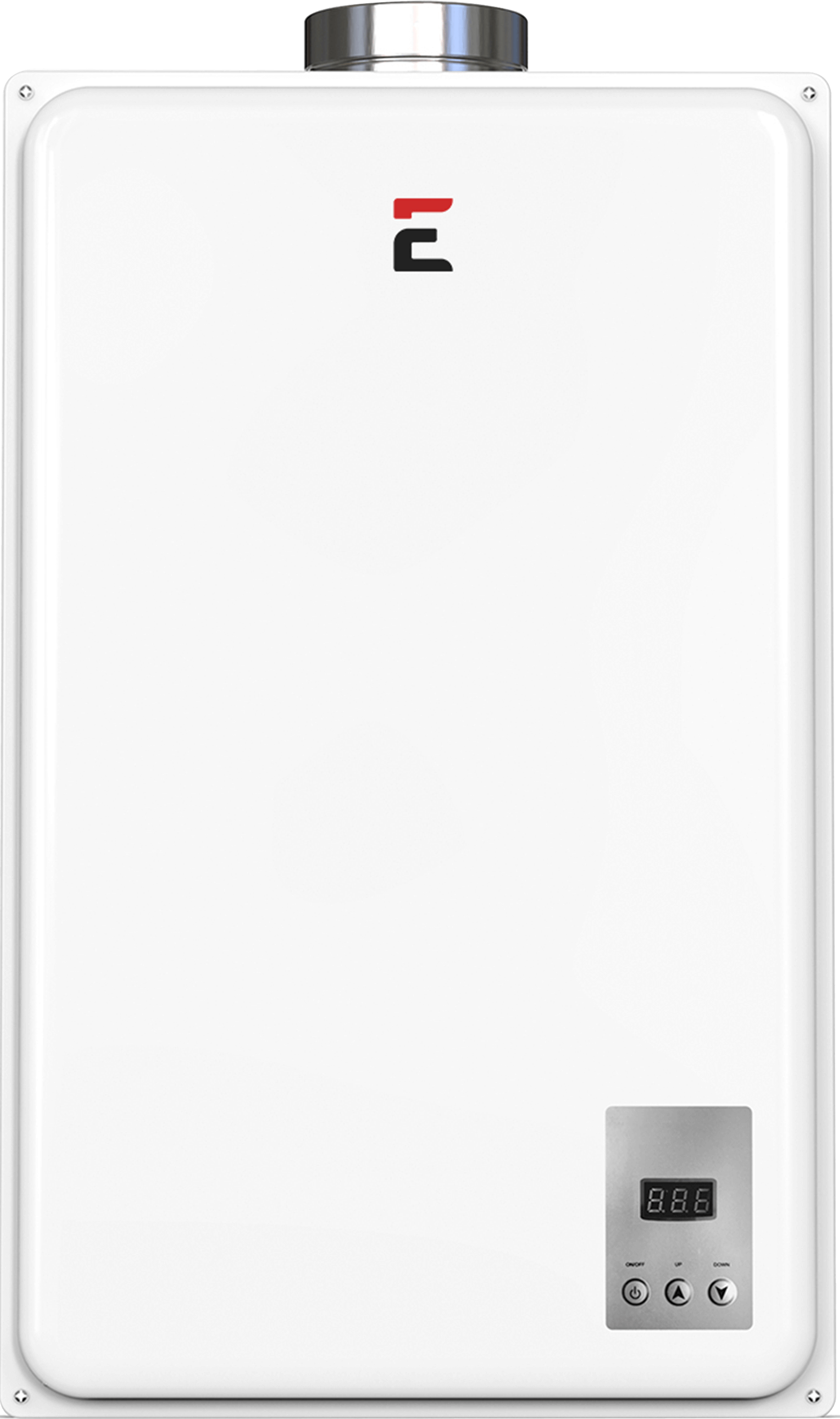
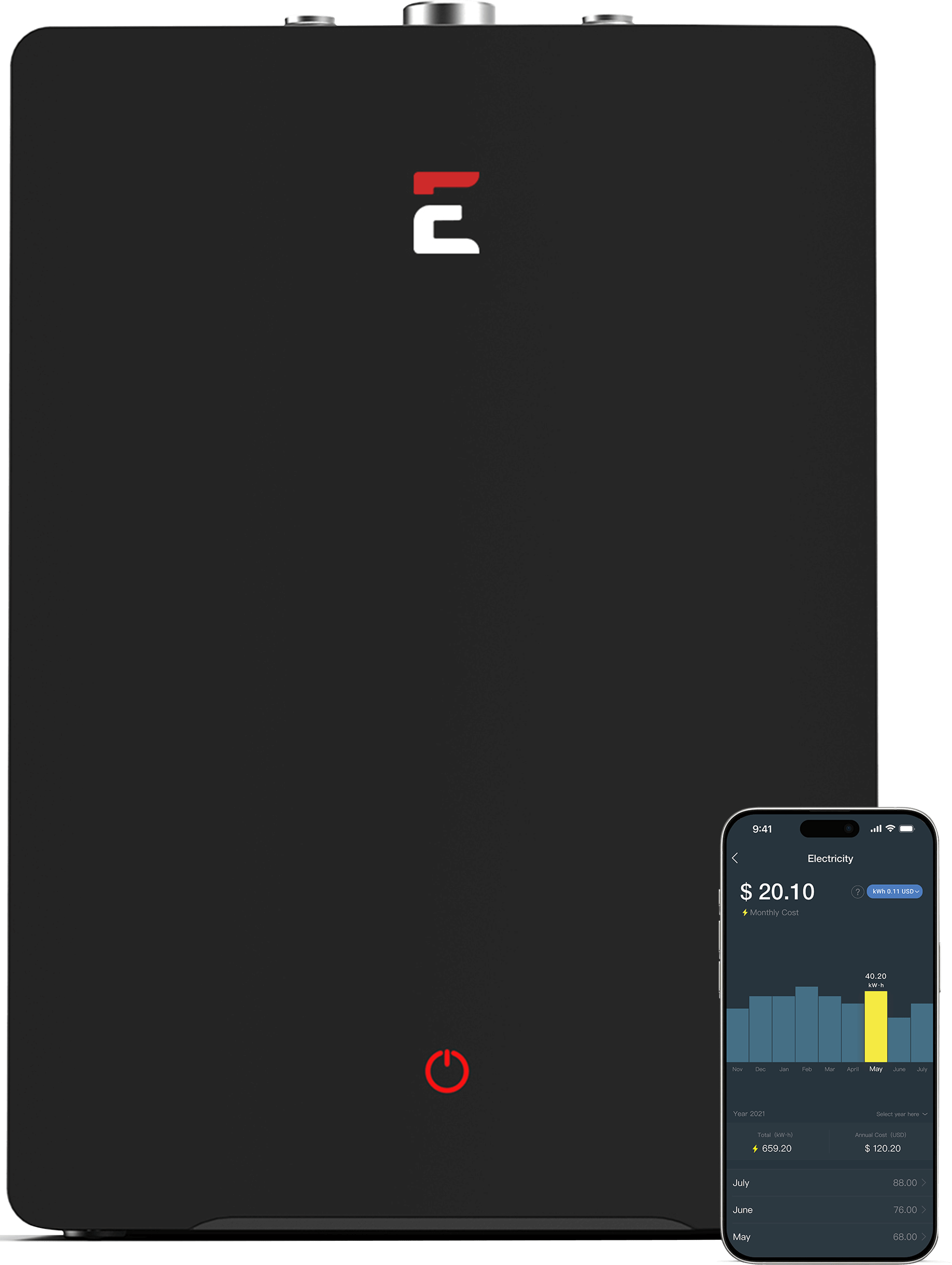
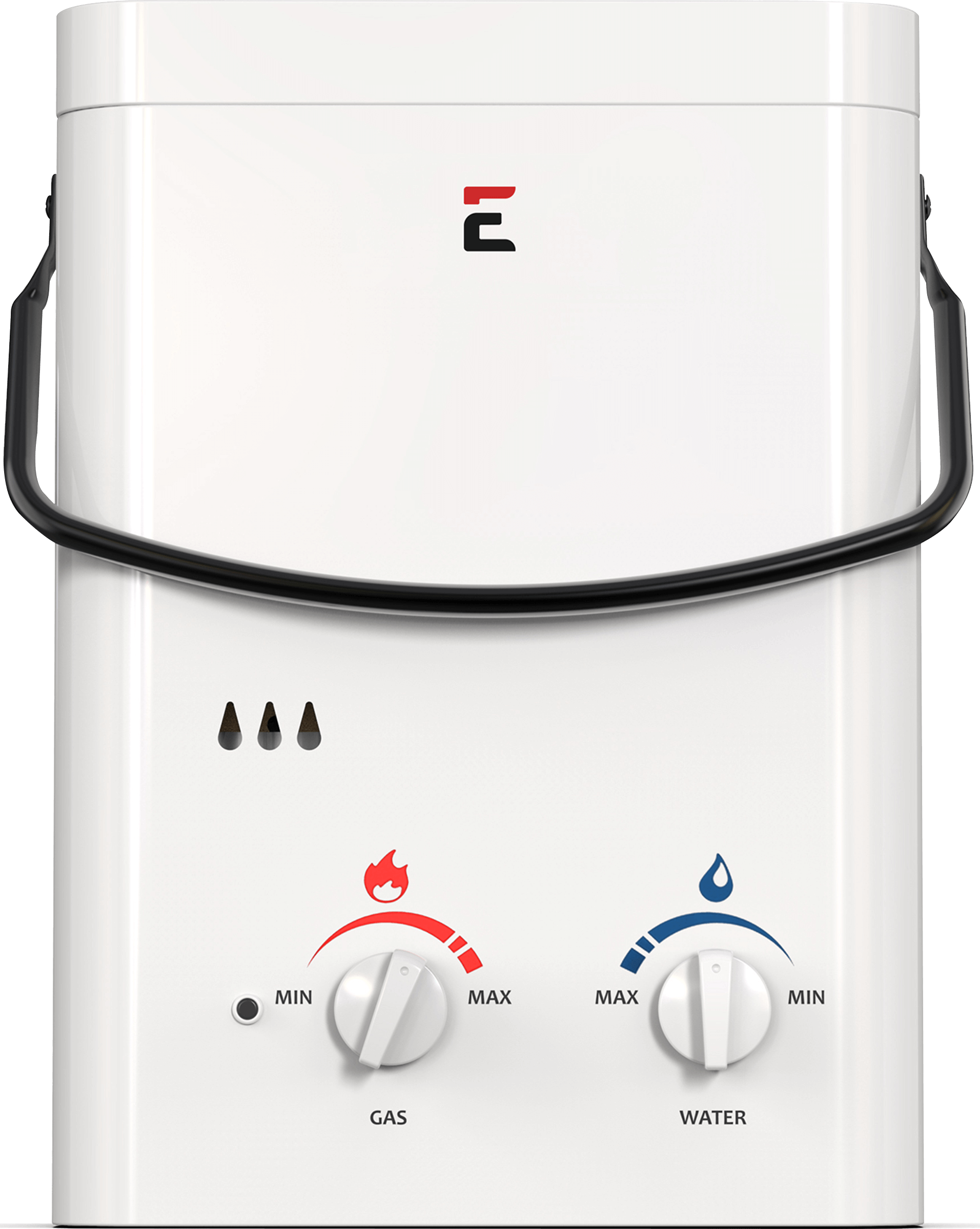
Start with Eccotemp’s gas tankless water heaters or electric tankless water heaters to compare current models. Then use the exact model manual to identify the accessories and utility requirements that belong in the installation quote.
What Is Included in an Installation Quote?
A complete quote should name the exact heater and explain the work required to install and commission it. “Installation included” does not always mean the same thing. Ask each contractor to separate the base installation from site-specific upgrades so you can compare the same scope.
A complete quote may include:
- The exact model, approved accessories, delivery, and applicable sales tax
- Removal and disposal of the old water heater
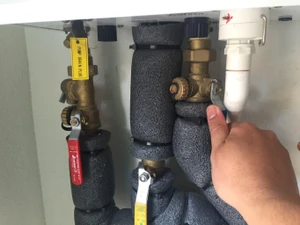
- Mounting, water connections, isolation or service valves, and approved drainage components
- Gas-line, meter, regulator, combustion-air, venting, or condensate work for applicable gas models
- Dedicated circuits, breakers, wiring, grounding, or service changes for applicable electric models
- Permits, inspections, startup, leak testing, commissioning, and homeowner walkthrough
The Six Biggest Cost Drivers
1. Replacement or Conversion
Replacing an existing tankless heater with a compatible model may reuse part of the existing location and infrastructure after inspection. A storage-tank conversion can require new mounting, piping, venting, drainage, gas capacity, or electrical work. Changing fuel type usually adds another layer of coordination.
2. Gas Supply and Venting
A gas tankless heater can have different input and venting requirements from the storage heater it replaces. A qualified professional must check the exact model, available gas capacity, line sizing, meter capacity, combustion air, vent path, termination, and condensate needs. Existing vent material should never be assumed compatible.
3. Electrical Capacity
Whole-home electric models may require multiple dedicated circuits and substantial electrical capacity. The requirement is model-specific, not a universal amperage figure.
Have a qualified electrician review the service, panel, breakers, wiring, grounding, and other loads. Eccotemp’s guide to electric tankless water heater installation requirements explains what to verify before choosing a unit.
4. Location, Access, and Plumbing
A nearby, accessible mounting location can reduce labor. Long pipe runs, tight spaces, finished walls, relocation, recirculation changes, water-treatment needs, or difficult drainage can add work.
Indoor and outdoor models have different location rules, so the proposed site must match the manual and local code.
5. Permits and Local Requirements
Permit and inspection rules vary by jurisdiction and by the work involved. Plumbing, gas, electrical, venting, structural, or building approvals may apply.
Ask who will pull each permit, schedule inspections, correct deficiencies, and close the permit. Do not treat a national permit-price estimate as a local quote.
6. Labor Market and Project Timing
Labor rates vary by region, contractor qualifications, project complexity, and scheduling. Emergency replacement, after-hours work, difficult access, and coordination between plumbing and electrical trades can increase the total.
Planning before the old heater fails gives you more time to compare complete estimates.
How to Control the Cost Without Cutting Required Work
- Choose and size the model before collecting final quotes. Capacity depends on simultaneous demand and temperature rise, not gallons per minute alone.
- Get two or three itemized estimates based on the same model, location, and written scope.
- Ask for required work and optional upgrades to be separated clearly.
- Request the current model manual and confirm that quoted venting, valves, and accessories are approved.
- Check permits and incentive eligibility before paying a deposit or scheduling the project.
- Plan replacement before failure so emergency timing does not control your choice.
Plan the Installation Around the Exact Model
A cost estimate becomes useful only after the proposed system fits the home. Review Eccotemp’s tankless water heater sizing guide before selecting capacity. Then use the exact product manual and have qualified professionals evaluate plumbing, gas, venting, electrical service, permits, and code requirements.
Use the quote framework above to document the model, location, utility needs, scope, permits, startup, and final walkthrough. Installation involving gas, venting, or high-voltage electrical work should follow the manufacturer’s instructions and applicable local requirements.
Frequently Asked Questions
Why does tankless water heater installation cost so much?
The heater may require new gas capacity, model-approved venting, dedicated electrical circuits, plumbing changes, permits, removal, and professional commissioning. Existing home infrastructure determines the final scope.
Is gas or electric tankless installation cheaper?
Neither fuel type is always cheaper. Electric models avoid combustion venting, but whole-home units may need major electrical work. Gas models may require supply and vent upgrades.
Can I install a tankless water heater myself to save money?
Installation may involve regulated plumbing, gas, venting, and high-voltage electrical work. Use qualified professionals, follow the exact model manual, and meet local permit and inspection rules.