 Weekly Deals
 Water Heaters
 Accessories
 Installation
 Parts
Parts
 Protection Plans
 Final Sale





Is a Propane Tankless Hot Water Heater Safe and Reliable?
Updated August 2026 – This guide was refreshed with clearer safety guidance on propane supply, venting, indoor vs. outdoor use, maintenance, warning signs, and choosing the right model for reliable performance.
A propane tankless hot water heater can be safe and reliable when the correct model is installed in its approved location, supplied with enough propane, vented as required, and maintained according to its manual. The word “propane” does not make the appliance unsafe, but poor installation or using an outdoor-only model in an enclosed space can create serious risks.
In this guide, we’ll explain how propane tankless water heaters work, what affects their safety, and what helps them deliver dependable hot water over time.
Key Takeaways
- Indoor, outdoor, and portable models are not interchangeable.
- Indoor propane models need an approved combustion-air and exhaust system.
- Portable outdoor water heaters should never be used indoors or in enclosed spaces.
- Correct fuel supply, sizing, installation, and maintenance all affect reliability.
- Built-in safety devices support safe operation, but they do not replace correct installation.
- Gas odors, soot, unusual flames, repeated error codes, or damaged venting require immediate attention.
How Does a Propane Tankless Water Heater Work?
A propane tankless water heater heats water as it passes through the unit instead of storing hot water in a tank. Opening a hot-water fixture activates a flow sensor. The burner then heats a heat exchanger, which transfers heat to the moving water.
The burner stops when water flow ends. This on-demand process avoids the standby heat loss associated with keeping a storage tank hot. It can provide continuous hot water, but only within the unit’s rated capacity. Actual output depends on the required temperature rise, water flow, fuel supply, and model performance.
Are Propane Tankless Water Heaters Safe?
Yes, a propane tankless water heater can be safe when it is approved for its application and installed, operated, and maintained according to the manufacturer’s instructions and local codes.
Safety depends on the complete installation, not one feature inside the appliance. The propane supply, regulator, gas piping, combustion air, venting, clearances, water connections, electrical supply, and installation location must all match the model’s requirements.
A qualified installer should handle permanent gas connections, venting, combustion requirements, and regulated installation work. Built-in controls can stop operation when certain problems are detected, but they cannot correct an undersized gas supply, blocked vent, unsuitable location, or improper installation.
Indoor, Outdoor, and Portable Models Have Different Safety Rules
One of the most useful safety checks is confirming which type of propane water heater you have.
|
Model type |
Intended application |
Main safety consideration |
|
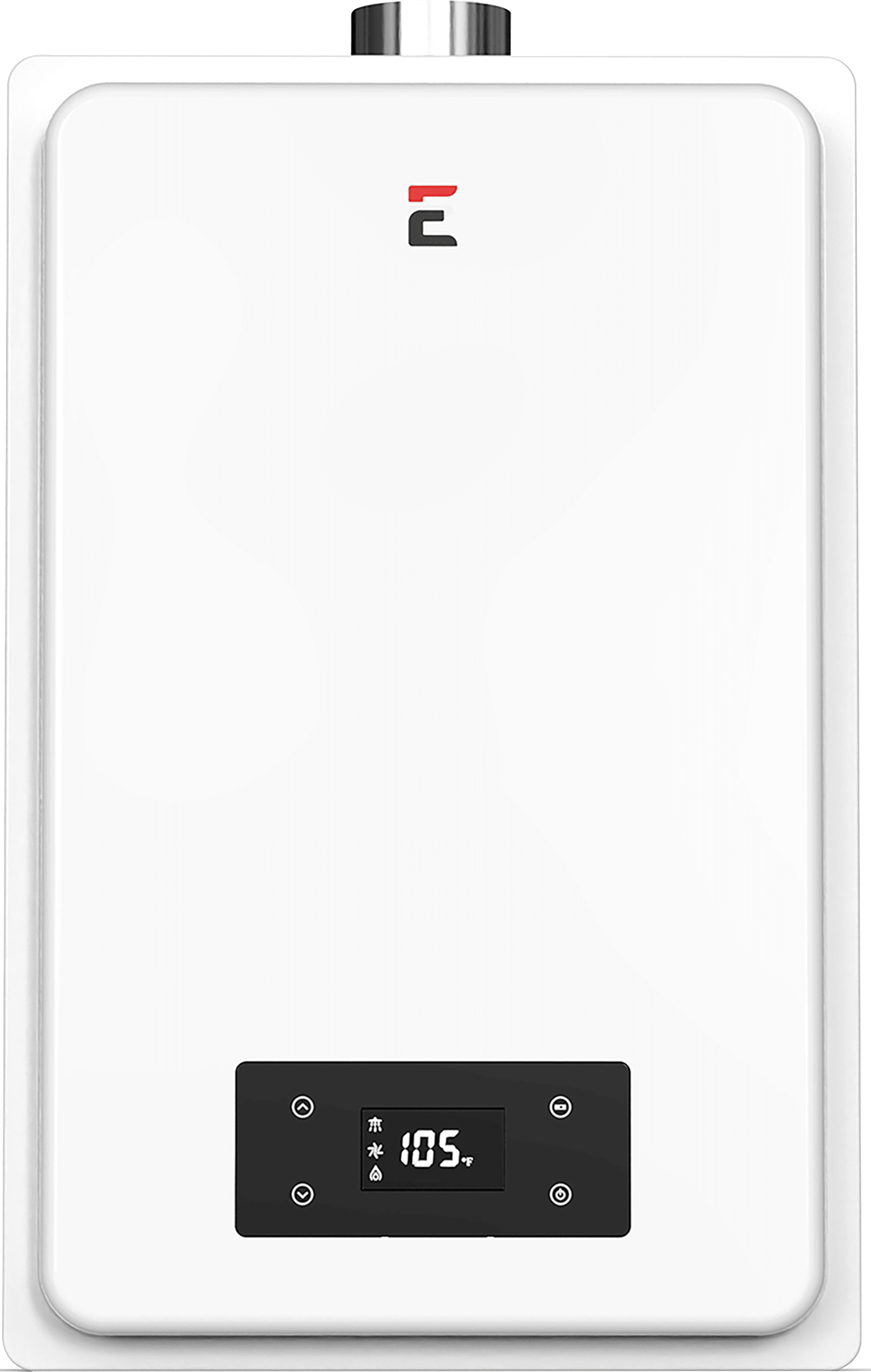
Indoor permanent model |
Approved indoor installation |
Requires the model-specific combustion-air and exhaust system |
|
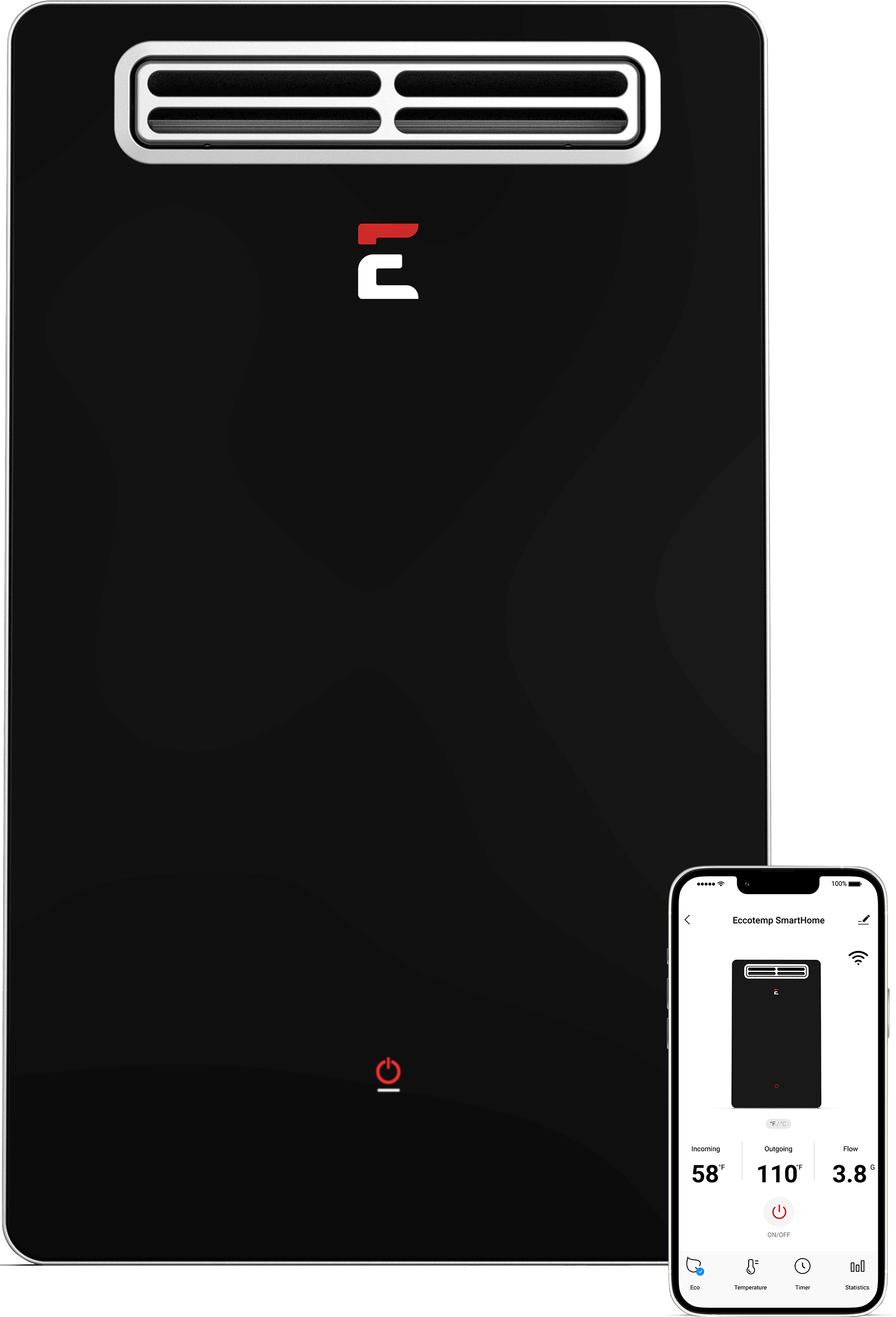
Outdoor permanent model |
Approved exterior installation |
Must meet required clearances and protection conditions |
|
Portable outdoor model |
Temporary outdoor use |
Must remain outdoors and must not be permanently installed |
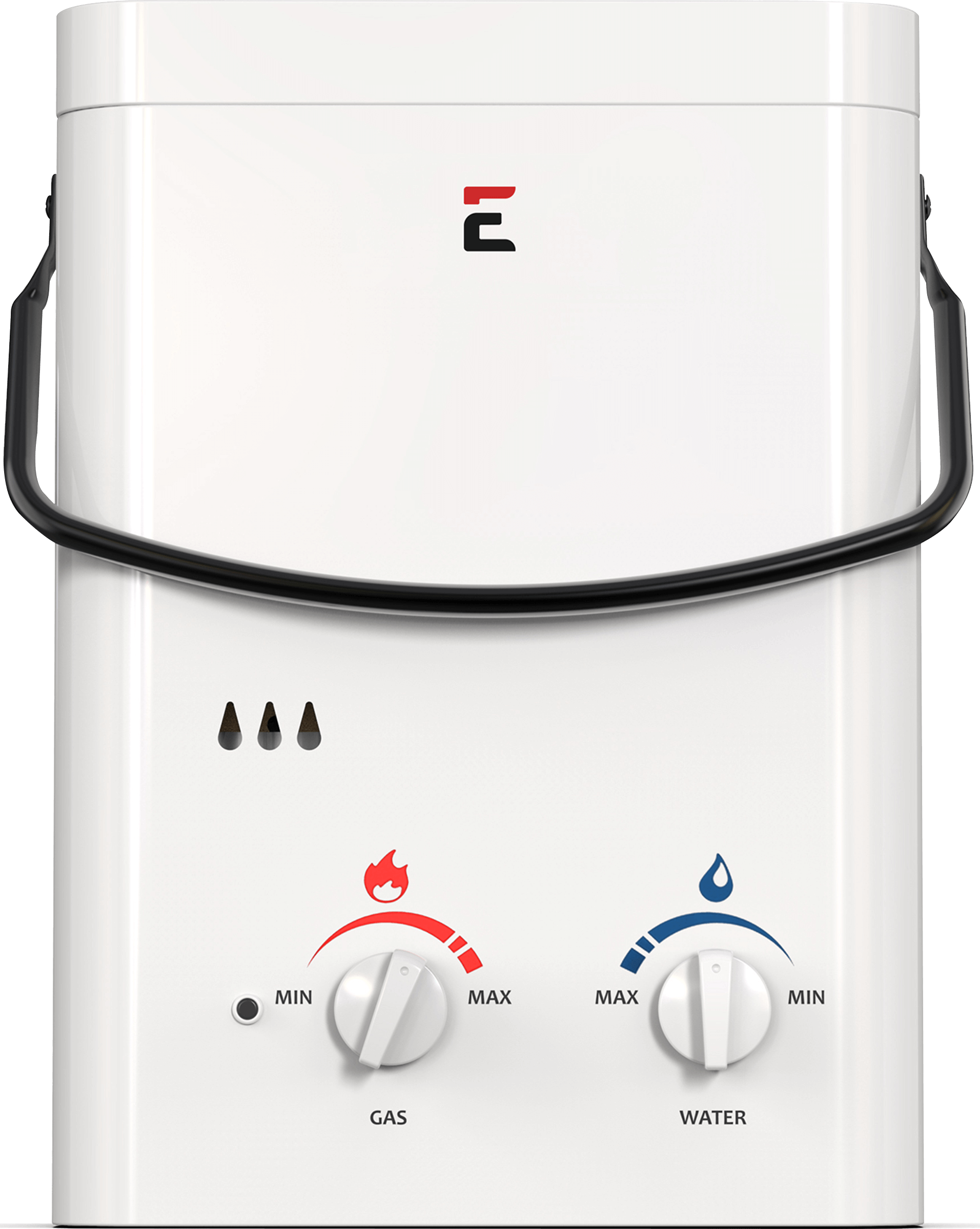
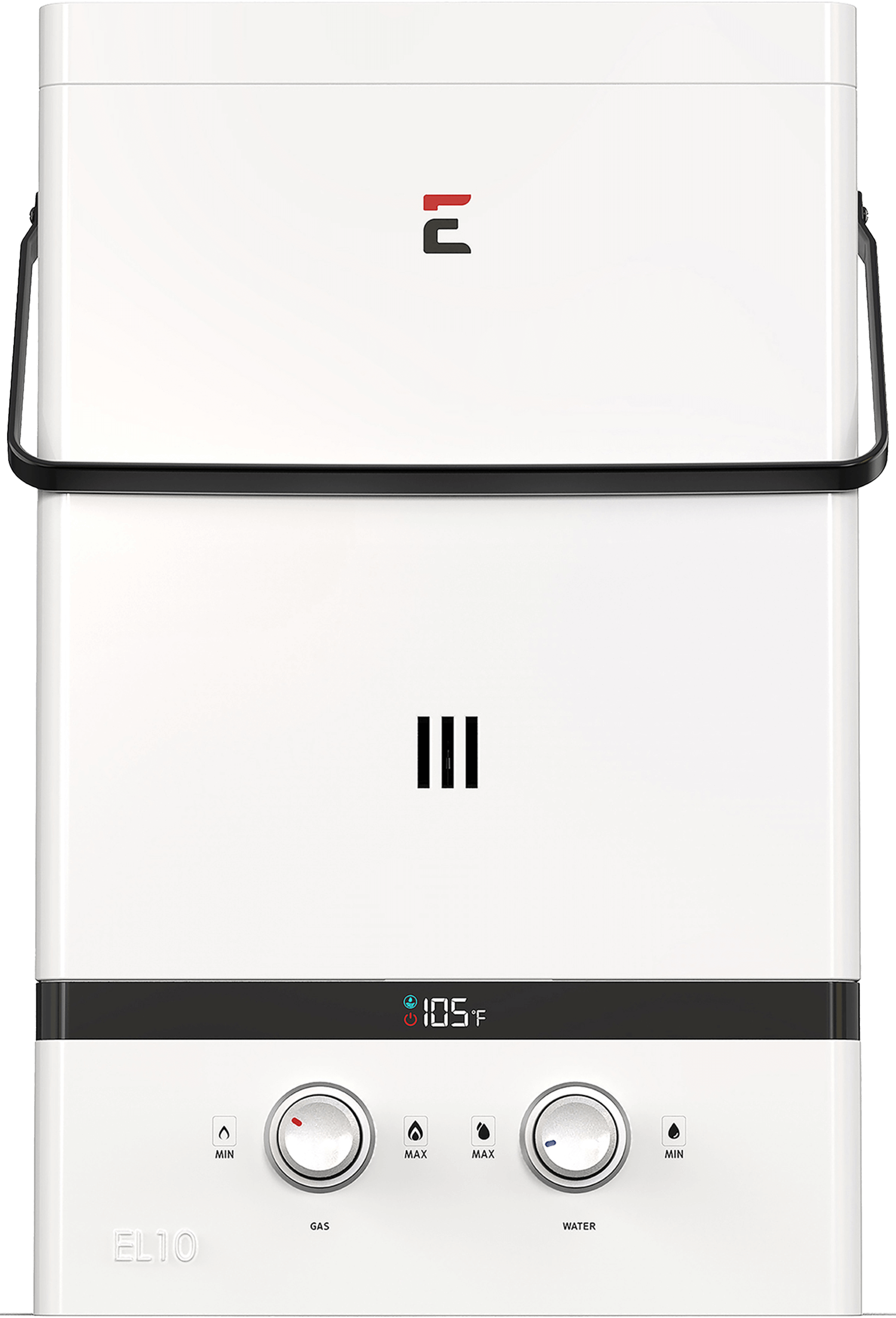
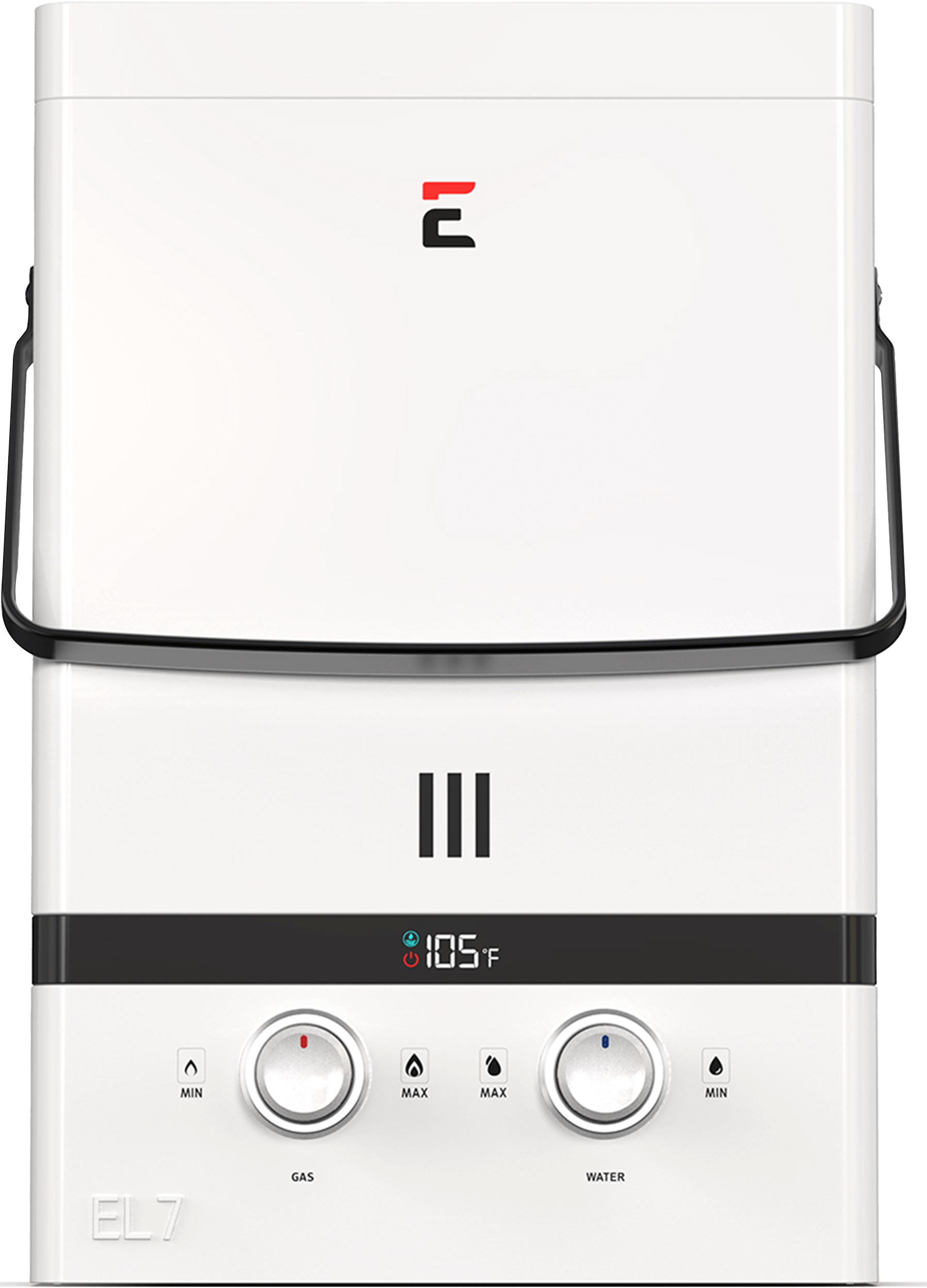
Do not install a portable outdoor water heater in a home, RV living area, tent, garage, cabin, shed, bathroom, or another enclosed space. Open doors or windows do not convert an outdoor-only appliance into an indoor model.
For application-specific guidance, review Eccotemp’s portable water heater safety tips.
What Safety Features May Be Included?
Safety features vary by model, so the exact product manual should be the deciding source. Depending on the appliance, controls may monitor flame status, water flow, operating temperature, airflow, or other conditions.
Flame-Failure Protection
A flame-sensing system can stop propane flow when the appliance does not detect the expected flame. This helps prevent unburned fuel from continuing to enter the burner area after failed ignition or flame loss.
Overheating Protection
Temperature sensors may stop or limit operation when unsafe temperature conditions are detected. Correct sizing and temperature settings still matter because very hot water can cause scalding.
Flow-Activated Operation
Tankless units normally fire only after detecting sufficient water flow. The burner should stop after the hot-water fixture closes. Minimum activation flow and operating behavior vary by model.
Portable-Model Protection
Some portable units may include features such as tilt switches or timers. These controls are model-specific. They do not make a portable outdoor water heater suitable for indoor or permanent installation.
Why Venting and Carbon Monoxide Protection Matter
Propane combustion produces exhaust gases that must be handled correctly. An indoor model needs the approved vent components, termination location, combustion-air arrangement, and clearances described in its manual.
Damaged, disconnected, incorrectly sized, or obstructed venting can interfere with combustion or allow exhaust to enter occupied areas. Never substitute vent materials or change a vent route without confirming that the parts and configuration are approved for the model.
The U.S. Consumer Product Safety Commission recommends carbon monoxide alarms with battery backup on every level of a home and outside sleeping areas. A carbon monoxide alarm provides an added warning. It does not replace correct venting or professional service.
What Makes a Propane Tankless Water Heater Reliable?
Reliability means the unit can produce the required hot water consistently without repeated shutdowns, temperature swings, or preventable component problems. Several conditions affect that performance.
Correct Sizing
A tankless water heater must handle the expected simultaneous flow and required temperature rise. Temperature rise is the difference between the incoming water temperature and the desired outlet temperature.
A model advertised at a certain gallons-per-minute rate may provide less flow when the incoming water is colder and more heating is required. Compare performance at the temperature rise expected for your location, rather than choosing from the maximum GPM number alone.
Adequate Propane Supply
The propane tank, regulator, gas piping, connectors, and other fuel-system components must supply the pressure and volume specified for the appliance throughout its firing range.
An incorrect regulator, restricted line, depleted cylinder, undersized propane tank, or undersized gas piping can cause failed ignition, shutdowns, weak heating, or unstable operation. Permanent fuel-system work should be completed by a qualified professional.
Eccotemp’s guide to choosing a propane tankless water heater covers fuel supply, sizing, temperature rise, and application selection in more detail.
Stable Water Flow
Every tankless model has operating flow and water-pressure requirements. Low flow, a restricted inlet filter, scale buildup, or changing demand from several fixtures can affect activation and outlet temperature.
If the unit repeatedly turns off during low-flow use, consult its manual rather than modifying gas or internal controls.
Correct Installation
Reliability begins with installation. A permanent propane water heater needs properly sized gas and water connections, correct venting where required, adequate combustion air, suitable clearances, and the specified power supply.
Installation must follow the current manual and applicable local requirements. A unit can have good safety controls and still perform poorly if its supporting systems are incorrect.
Model-Specific Maintenance
Mineral scale can reduce heat transfer and restrict water flow, particularly in hard-water areas. Inlet filters, exterior openings, venting, and other service items may need inspection or cleaning.
Maintenance frequency and procedures vary by model, usage, and water quality. Follow the appliance manual and use Eccotemp’s tankless water heater maintenance checklist to identify items that may need attention.
Safety and Reliability Checklist
Before choosing or operating a propane tankless water heater, confirm the following:
- The model is approved for the intended indoor, outdoor, or portable application.
- The fuel type is liquid propane, not natural gas.
- The propane supply and regulator meet the model’s specifications.
- A qualified installer handles permanent gas, venting, and regulated installation work.
- Required combustion air, venting, clearances, and termination distances are maintained.
- Outdoor openings and vent terminations remain clear of debris, nests, snow, and vegetation.
- Working carbon monoxide alarms are installed in the home.
- The unit is sized for the required temperature rise and simultaneous flow.
- Maintenance follows the current product manual.
- The appliance is stopped and inspected when warning signs appear.
Warning Signs That Need Attention
Stop using the appliance and seek qualified help if you notice repeated ignition failures, unusual burner noise, soot, scorch marks, damaged venting, water or gas leaks, persistent error codes, or unexplained changes in water temperature.
If you smell propane, do not operate lights, appliances, phones, or anything that could create a spark. Leave the area immediately and report the suspected leak from a safe location. The Propane Education & Research Council provides a complete propane gas-leak response procedure.
If a carbon monoxide alarm sounds or people experience possible exposure symptoms, move outside into fresh air and contact emergency services.
Choosing the Right Propane Model
Start by deciding whether you need a permanent whole-home system or temporary hot water for an approved outdoor application. Then compare:
- Indoor, outdoor, or portable classification
- Liquid-propane compatibility
- Hot-water demand and simultaneous fixtures
- Incoming water temperature
- Required temperature rise
- Available propane supply
- Venting and installation requirements
- Water-pressure and electrical requirements
- Maintenance access
Eccotemp’s current gas tankless water heater selection includes indoor and outdoor liquid-propane options. Review the product page and current manual for any model before deciding whether it fits your application.
Final Answer: Are They Safe and Reliable?
A propane tankless hot water heater can be both safe and reliable. The strongest results come from choosing a certified model intended for the location, sizing it for real hot-water demand, and meeting every fuel, water, venting, combustion-air, electrical, and clearance requirement.
Portable and permanent models must remain in their approved applications. Built-in safety controls add protection, but correct installation and maintenance remain the foundation. If you are planning a permanent propane system, have a qualified installer review the location, fuel supply, venting, and local requirements before installation.
Frequently Asked Questions
Can a propane tankless water heater be installed indoors?
Yes, but only a model approved for indoor installation may be used. Its combustion-air, venting, clearance, fuel-supply, and code requirements must all be met.
Do propane tankless water heaters work during a power outage?
Many permanent propane tankless models still require electricity for ignition, controls, sensors, and fans. Check the exact model’s electrical requirements before planning for outages.
What maintenance helps a propane tankless water heater remain reliable?
Follow the model manual, inspect vent openings, clean applicable filters, address error codes, and descale when required by water quality, usage, and manufacturer guidance.