 Weekly Deals
 Water Heaters
 Accessories
 Installation
 Parts
Parts
 Protection Plans
 Final Sale




What to Consider When Choosing a Propane Tankless Water Heater
Updated August 2026 – This guide was expanded with clearer advice on sizing, temperature rise, indoor vs. outdoor installation, propane supply, efficiency, total installed cost, maintenance access, warranty coverage, and the differences between whole-home and portable models.
Choosing a propane tankless water heater starts with matching the unit to your actual hot-water demand, incoming water temperature, installation location, and available propane supply. The highest advertised gallons per minute is not automatically the best choice because performance changes with temperature rise and simultaneous use.
You should also compare indoor and outdoor installation requirements, energy efficiency, maintenance access, warranty coverage, and total installed cost. In this guide, we’ll explain each factor and help you narrow down the right type of propane tankless water heater for your home or outdoor application.
Key Takeaways
- Size the heater by peak simultaneous flow and required temperature rise.
- Decide whether you need a permanent whole-home unit or a portable outdoor model.
- Confirm whether an indoor or outdoor installation suits the property.
- Have a qualified professional evaluate the propane supply, venting, power, plumbing, and local code requirements.
- Compare efficiency, installation cost, warranty coverage, and maintenance needs together.
- Use the performance information and installation manual for the exact model before making a final decision.
How Does a Propane Tankless Water Heater Work?
A propane tankless water heater heats water as it passes through the unit instead of storing heated water in a tank. Opening a hot-water fixture creates flow through the heater. The burner activates, and a heat exchanger transfers heat from the propane flame to the moving water.
Heating stops when the hot-water demand ends. This on-demand operation avoids the standby heat loss associated with keeping a tank of water hot. It can provide continuous hot water, but only within the unit’s rated capacity. If simultaneous demand exceeds that capacity, the water may not reach the expected temperature or the usable flow may decrease.
Is a Propane Tankless Water Heater Right for Your Application?
Propane can be a practical option when a property already uses propane or does not have natural gas service. Whole-home models can serve permanent residential hot-water systems, while portable propane units support temporary outdoor uses.
Do not treat those product types as interchangeable. A whole-home unit requires a permanent, code-compliant installation. Eccotemp portable tankless water heaters are intended for temporary outdoor use and should not be installed indoors or permanently.
Before choosing a model, identify whether you need hot water for an entire home, a smaller permanent application, or temporary outdoor activities. That first decision will narrow the appropriate product category.
1. Calculate Peak Hot-Water Demand
Tankless capacity is commonly expressed in gallons per minute, or GPM. Start by identifying the hot-water fixtures that may operate at the same time. Add their actual flow rates to estimate your peak simultaneous demand.
For example, assume a shower uses 2.0 GPM and a nearby faucet uses 1.0 GPM. Running both would create a combined demand of about 3.0 GPM. This example is only a planning estimate. Actual fixture flow rates vary, so check product labels, fixture documentation, or measured flow whenever possible.
Household size alone is not enough for accurate sizing. Two households with the same number of people may have very different simultaneous-use patterns.
2. Account for Incoming Water Temperature and Temperature Rise
A propane tankless water heater’s maximum GPM does not describe its performance under every condition. You must also consider temperature rise, which is the difference between incoming cold-water temperature and the desired outlet temperature.
If water enters at 50°F and the desired outlet temperature is 120°F, the heater must produce a 70°F temperature rise. Colder incoming water creates a larger heating requirement and may reduce the flow rate the heater can deliver at the selected temperature.
Use the coldest realistic incoming water temperature for your property. Then compare your required flow and temperature rise with the manufacturer’s performance information for the exact model. Eccotemp’s tankless water heater sizing guide provides a deeper explanation of this process.
3. Choose Between Indoor and Outdoor Installation
Indoor and outdoor propane tankless water heaters have different installation requirements. An indoor gas model needs a manufacturer-approved venting system and the required provisions for combustion air. Vent type, materials, dimensions, allowable lengths, and clearances vary by model.
An outdoor model releases combustion gases outside and normally does not need a separate indoor vent system. It must still be installed in an approved exterior location with the clearances, weather protection, service access, and freeze precautions specified in its manual.
Do not buy an indoor or outdoor model based only on available wall space. Have the intended location evaluated before purchasing the heater.
4. Verify the Propane Supply and Other Site Requirements
A propane tankless water heater needs the correct fuel supply throughout its operating range. The propane tank, regulator, gas piping, and other components must be suitable for the specific model and the property’s total connected propane demand.
Many permanent gas tankless models also require electrical power for ignition, controls, fans, freeze-protection components, or connected features. Water connections, drainage, service valves, combustion clearances, and pressure-related requirements may need planning as well.
These are model-specific installation matters. A qualified professional should review the site, current fuel system, electrical availability, plumbing, manufacturer instructions, and applicable local codes before installation.
5. Compare Efficiency Correctly
Tankless heaters avoid storing a large volume of hot water, which reduces standby heat loss. ENERGY STAR states that certified whole-home gas tankless water heaters heat water when needed and can reduce water-heating expenses while providing continuous hot-water delivery.
When comparing eligible whole-home units, check the Uniform Energy Factor, or UEF. UEF is a standardized efficiency measure, but it should not be the only selection factor. A more efficient heater can still be a poor fit if it cannot meet the required flow at your temperature rise.
Condensing and non-condensing designs may also have different efficiency, venting, condensate-drain, installation, and maintenance requirements. Confirm the design and requirements of each model rather than assuming all propane heaters use the same system.
6. Consider the Complete Installed Cost
The equipment price is only one part of the project. Total cost can include delivery, professional labor, venting, gas-system changes, plumbing modifications, electrical work, permits, service valves, condensate management, and removal of an existing heater.
Installation cost can change significantly between properties. Replacing an existing gas tankless heater may require fewer modifications than converting from an electric or storage-tank system. Indoor and outdoor placements may also create different material and labor needs.
Request an installation assessment before comparing final costs. This provides a more realistic basis than choosing a heater first and discovering major site changes later.
7. Review Maintenance Access and Water Quality
Mineral scale can build up inside a tankless water heater’s water passages and heat exchanger. The rate of buildup depends on water quality, operating conditions, usage, and the model.
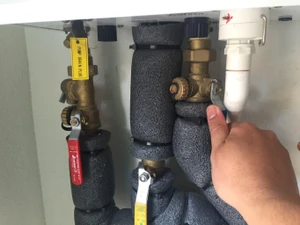
Choose a location that allows access to the water filter, service connections, venting, and other parts identified in the manual. Ask the installer whether service valves or water-treatment measures are appropriate for the property.
Maintenance should follow the schedule and procedures for the exact unit. Eccotemp’s tankless water heater maintenance checklist explains the main items owners should monitor without replacing model-specific instructions.
8. Compare Warranty Coverage and Support
Read the current warranty terms before purchasing. Check which components are covered, how long each coverage period lasts, whether labor is included, and what installation, registration, maintenance, or documentation conditions apply.
Do not assume that every heater from the same manufacturer has identical coverage. Warranty terms can vary between product lines, components, intended applications, and purchase conditions.
You should also confirm that the manufacturer provides access to current manuals, replacement parts, troubleshooting information, and technical support. These resources can be as important as the headline warranty period over the heater’s service life.
Whole-Home and Portable Propane Models Serve Different Needs
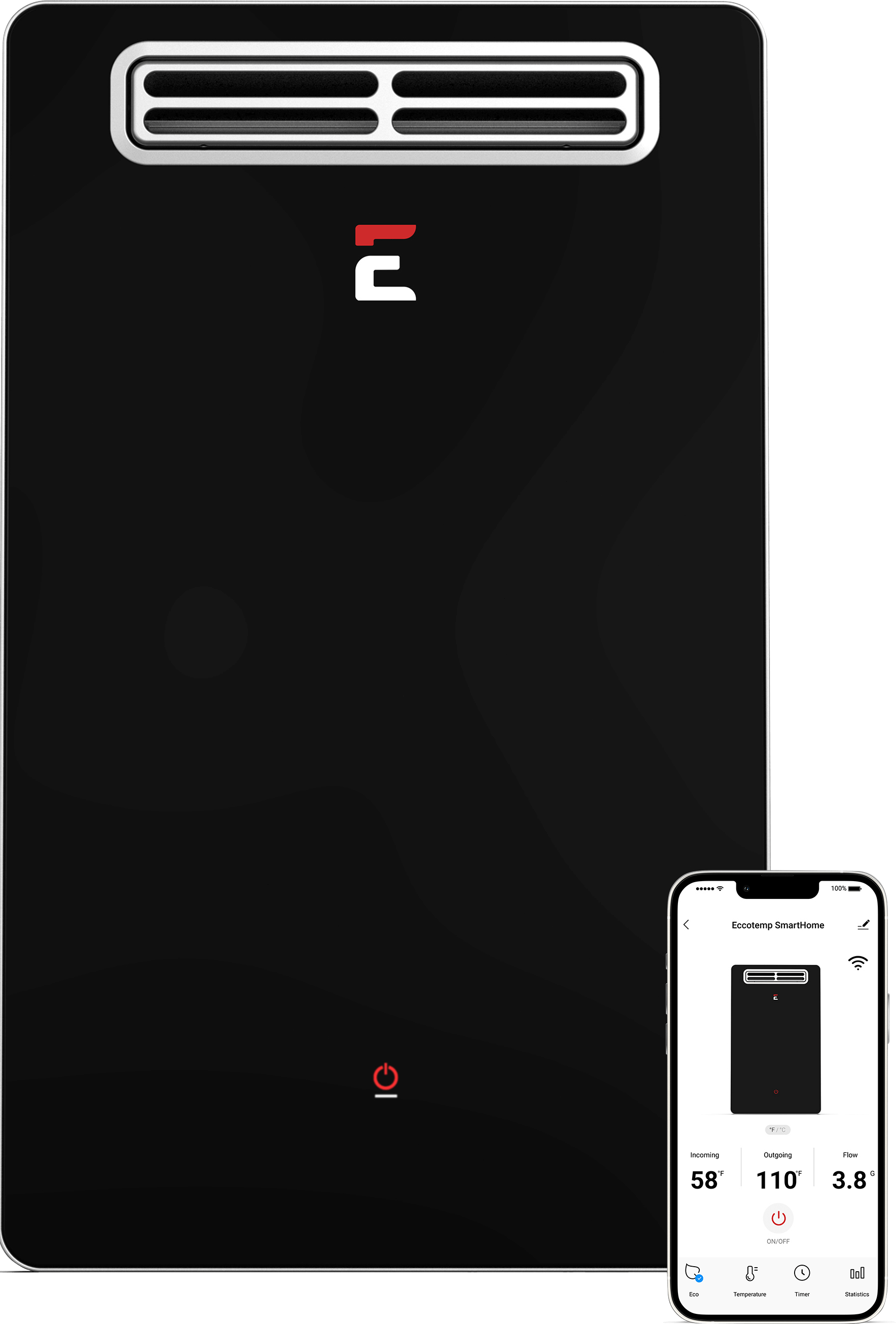
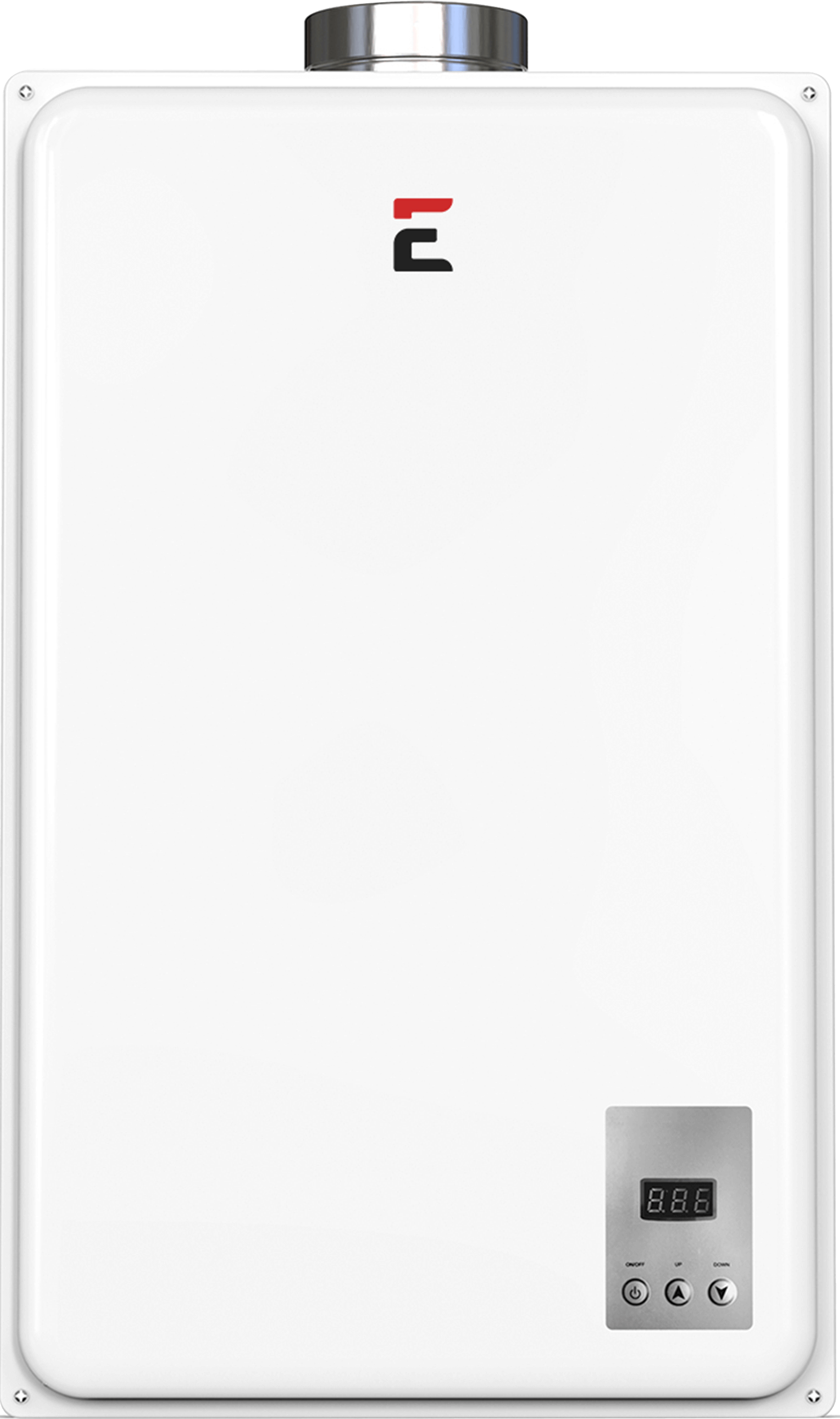
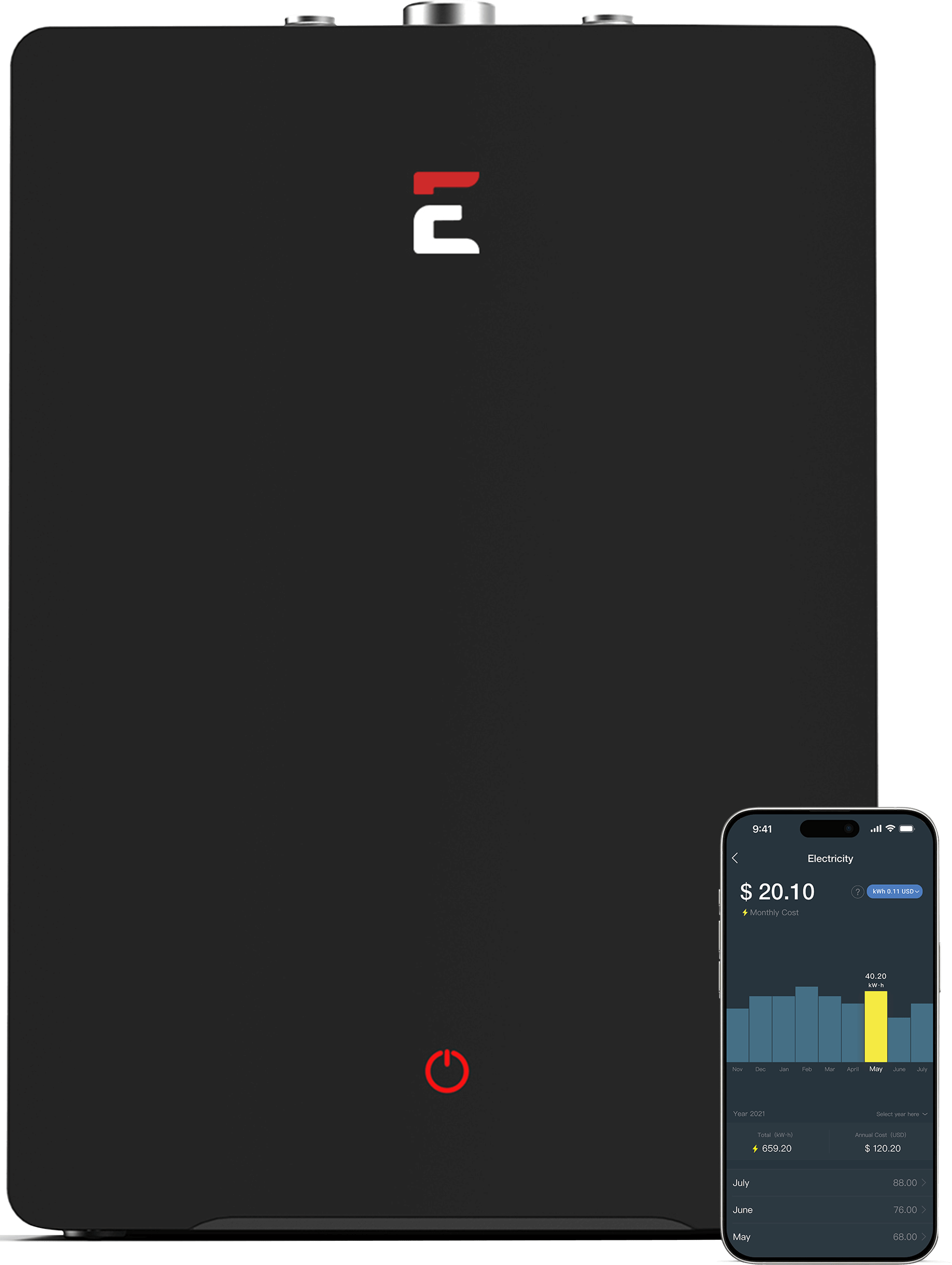
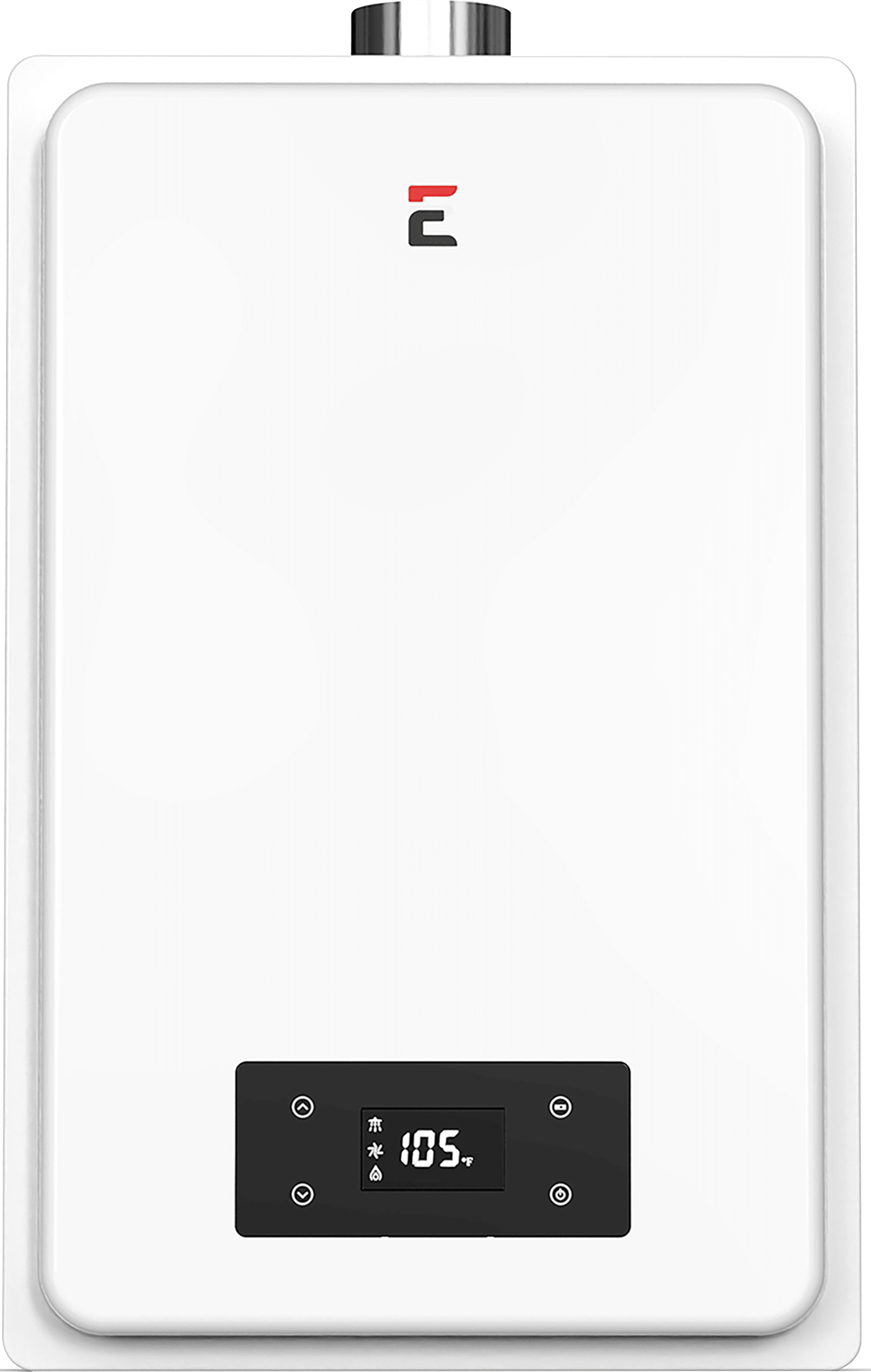
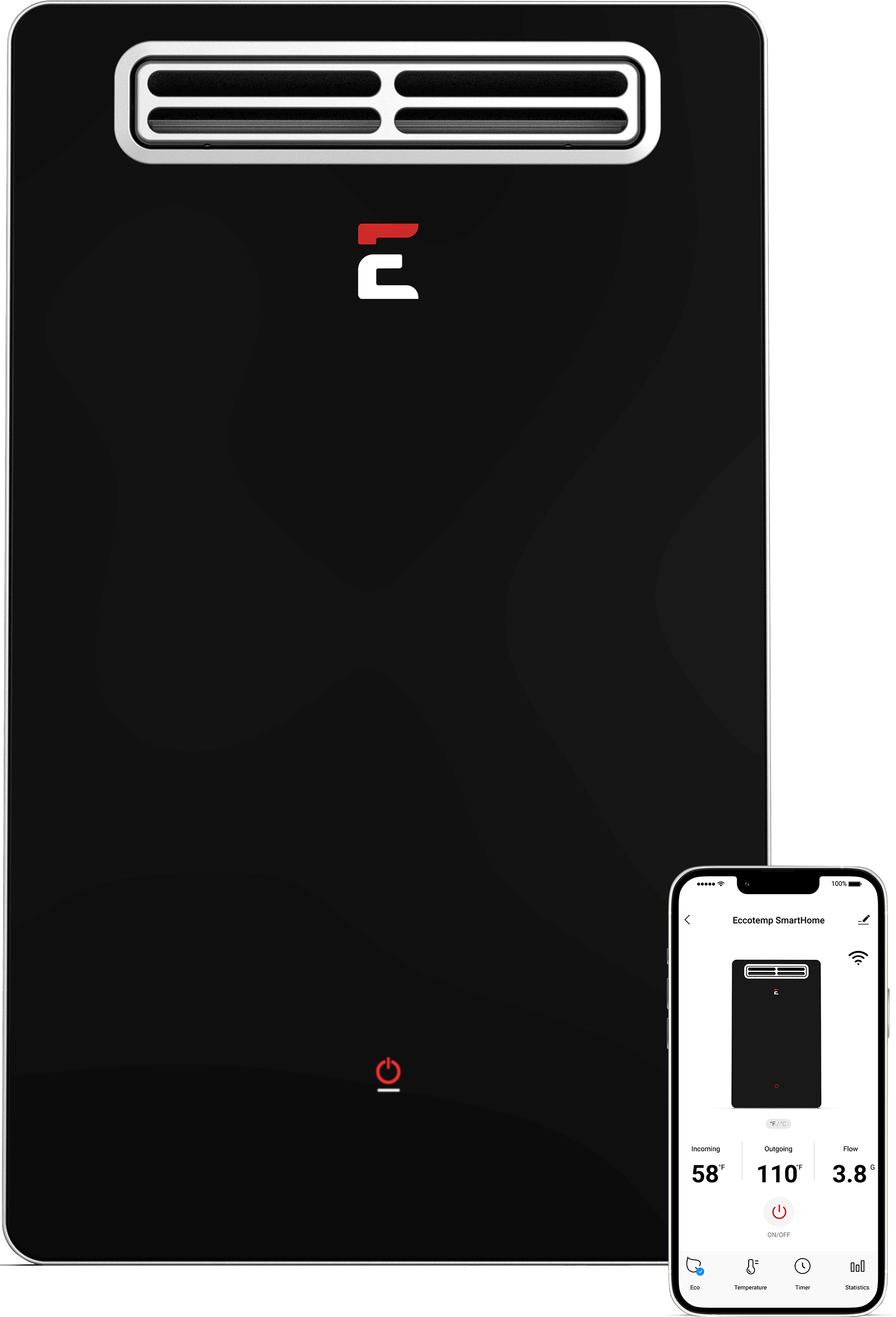
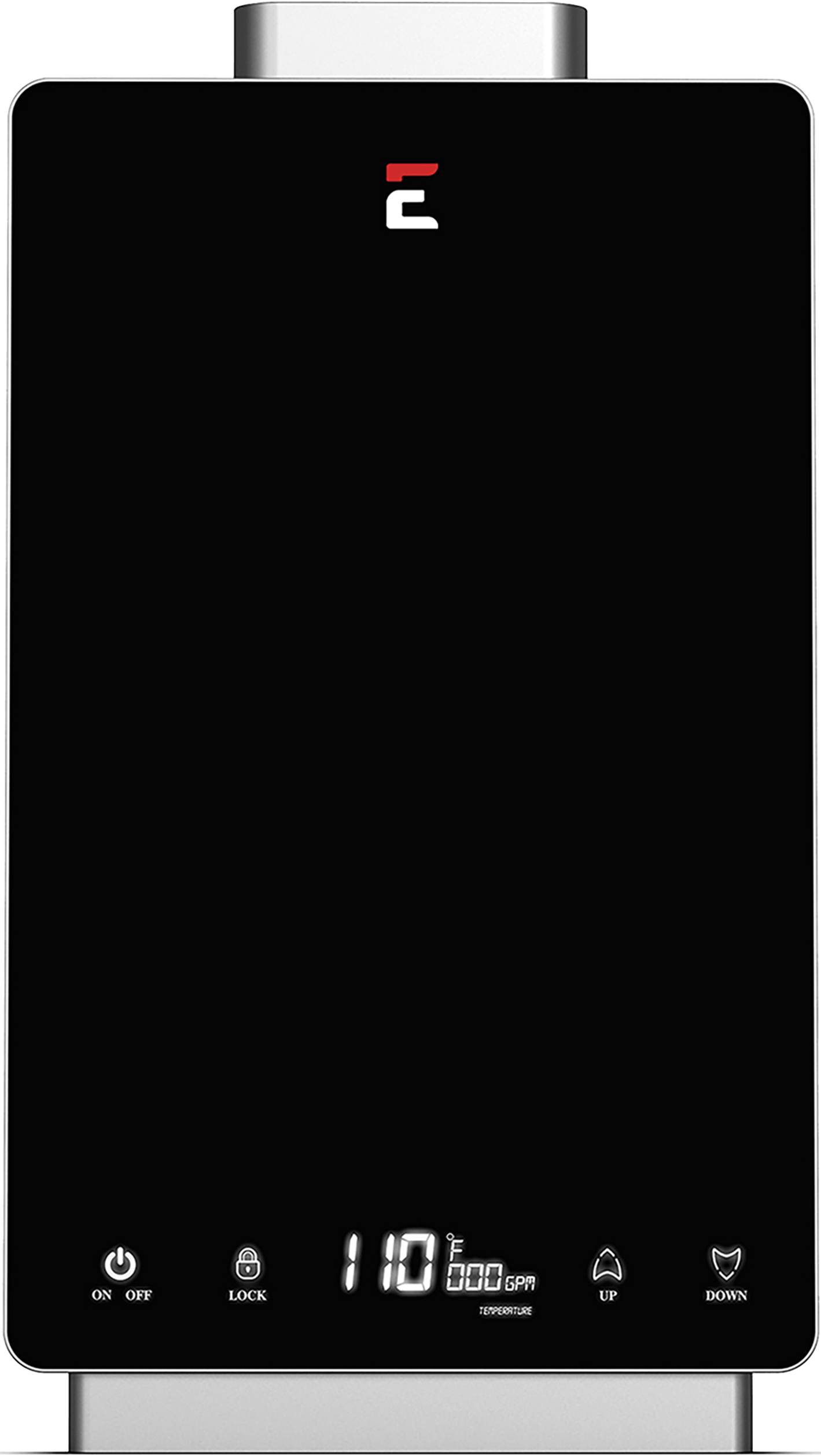
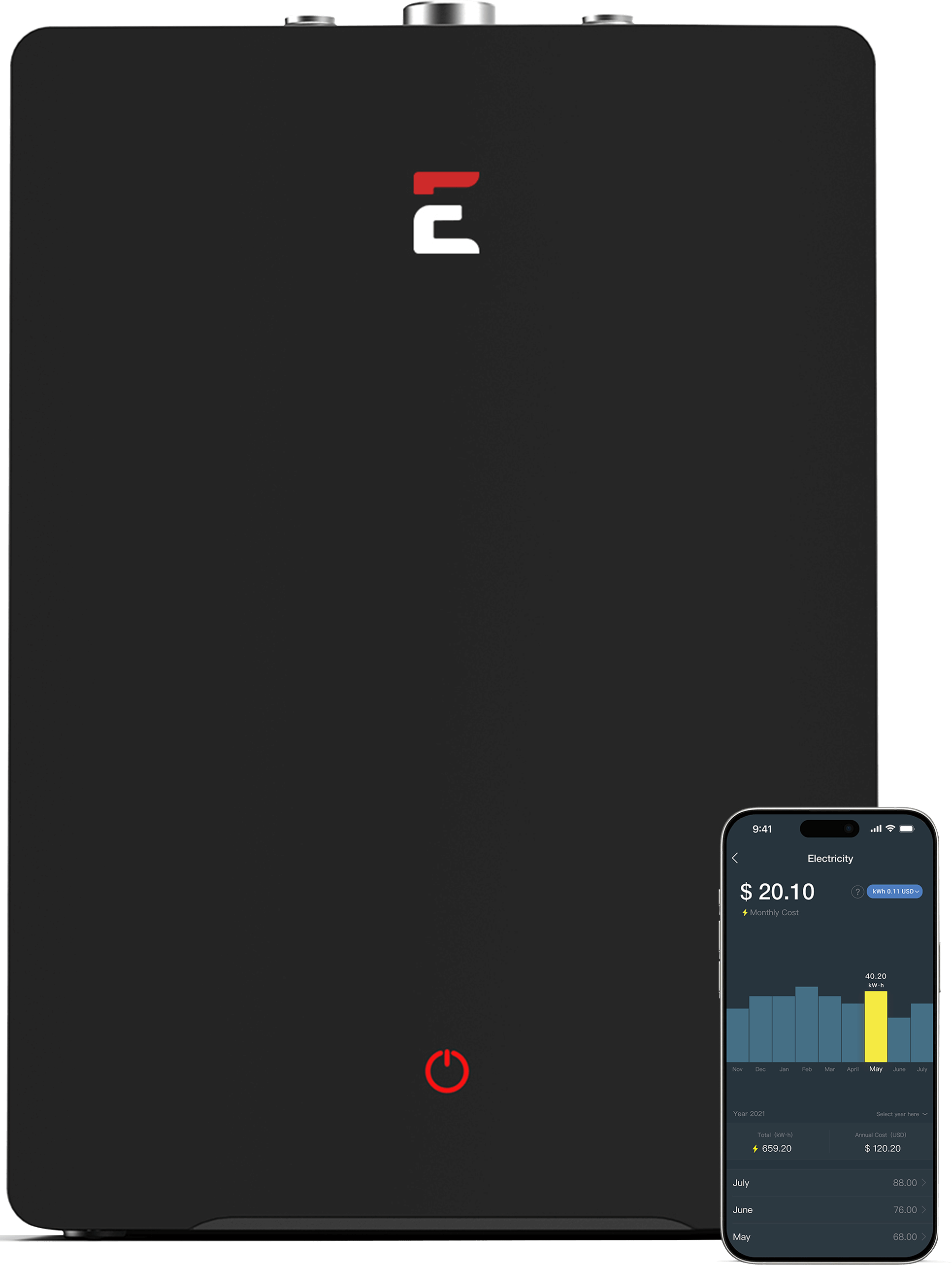
Eccotemp’s gas tankless water heater category includes permanent whole-home models with different fuel types, flow ratings, and installation configurations. For example, the current Smart Home SH22 line includes separate 6.8 GPM liquid propane models for indoor and outdoor installation.
The indoor SH22 propane model requires compatible indoor venting. The outdoor SH22 propane model is designed for exterior mounting. Both still need to be evaluated against the property’s temperature rise, demand, fuel system, and installation conditions.
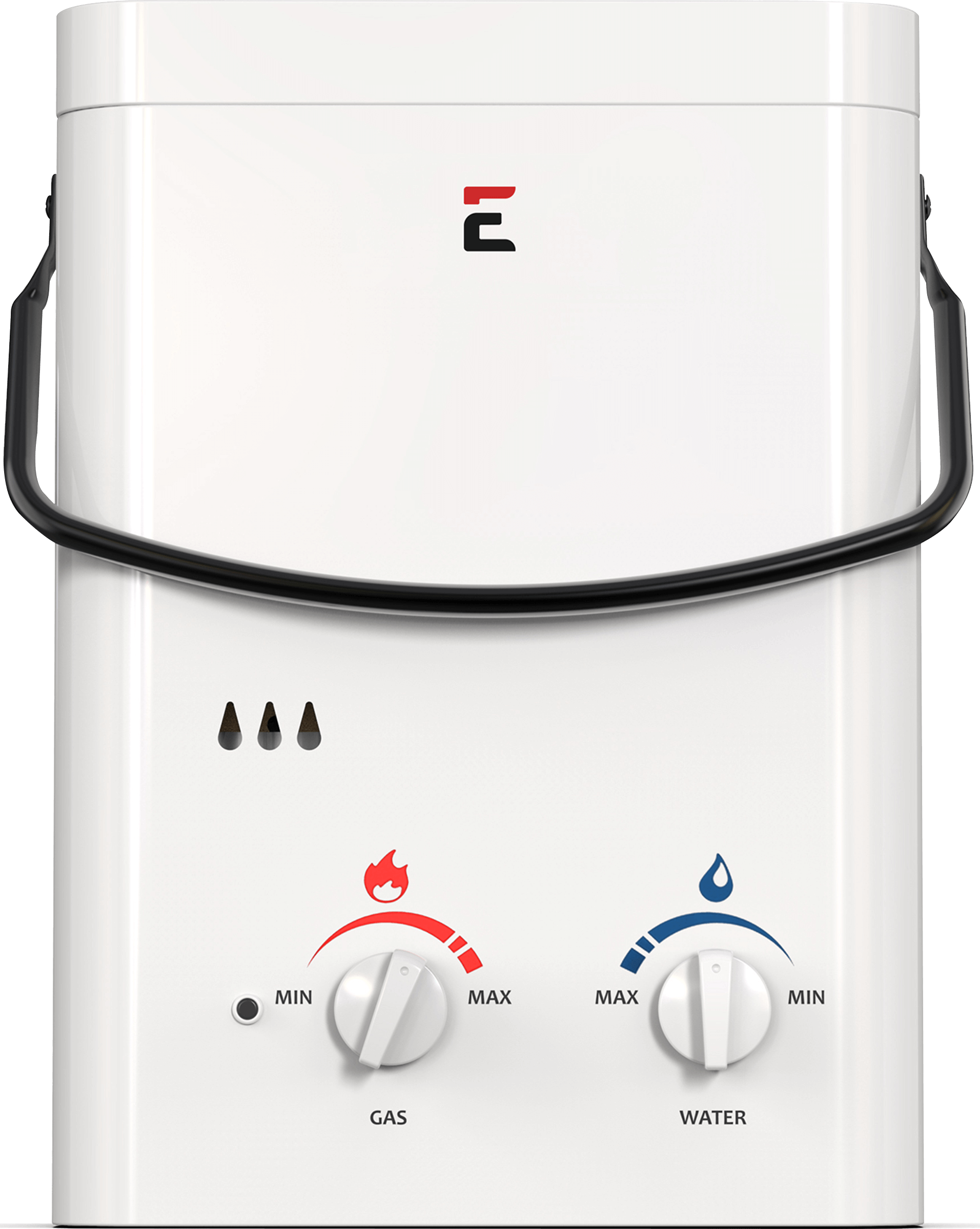
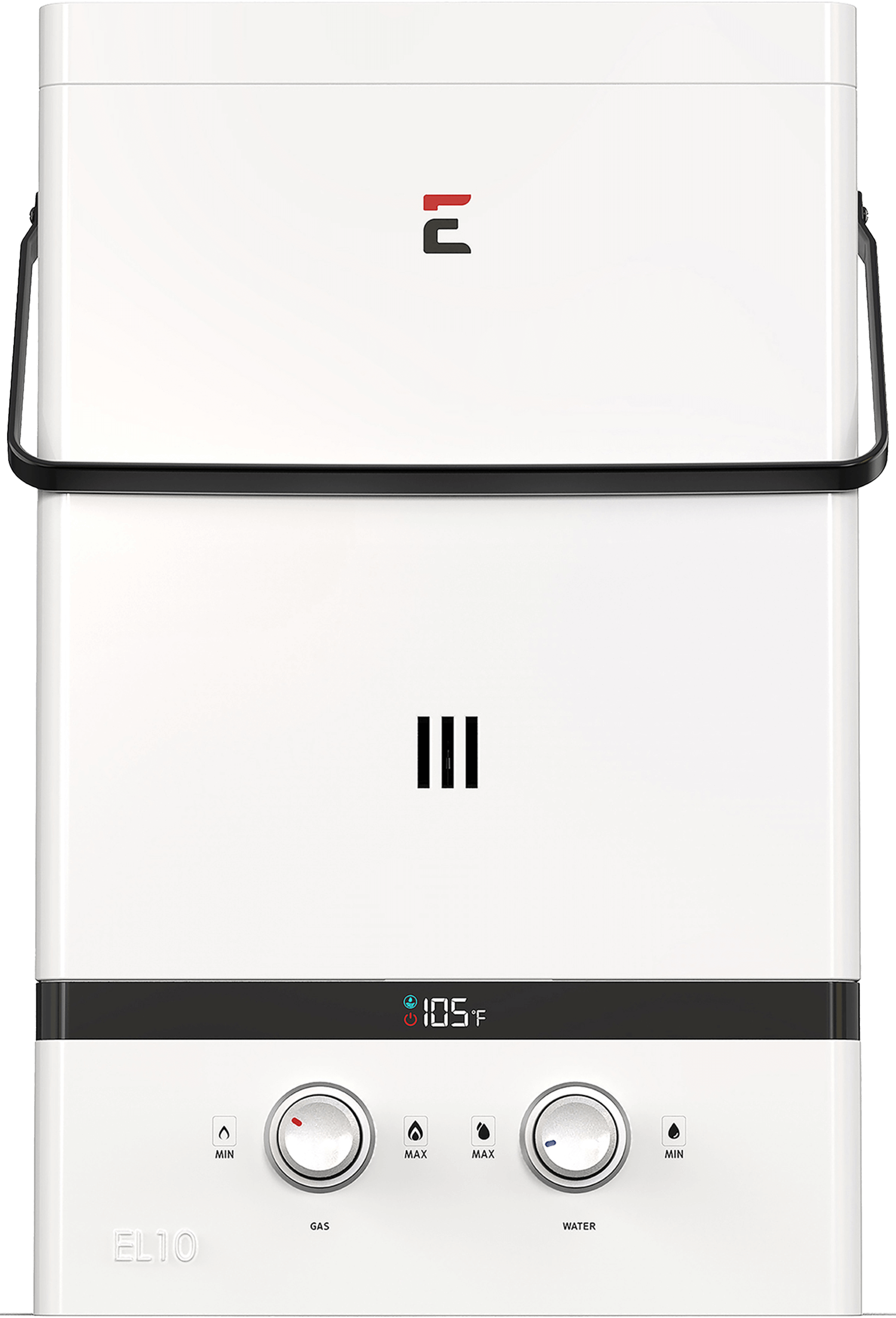
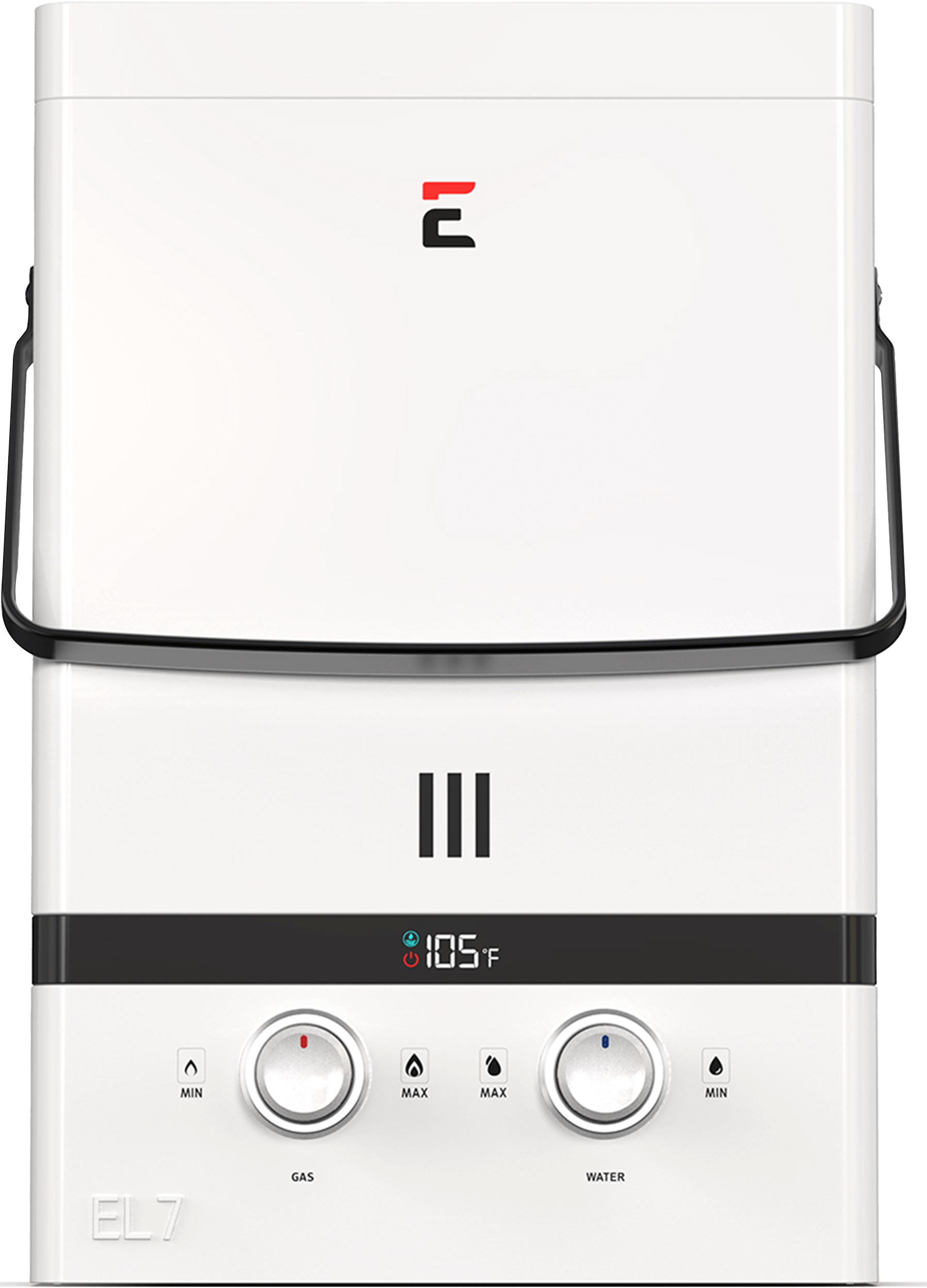
Portable models belong to a different category. If your intended use is camping, temporary outdoor washing, or another mobile application, compare Eccotemp’s portable outdoor tankless water heaters instead of selecting a permanent residential model.
Propane Tankless Water Heater Selection Checklist
Before making a final selection, confirm the following:
- Is the heater approved for the intended permanent or temporary application?
- What fixtures will operate simultaneously?
- What peak flow rate will those fixtures require?
- What temperature rise is needed during the coldest expected conditions?
- Does the model’s performance chart support that combination?
- Is the unit intended for indoor or outdoor installation?
- Can the property support its propane, electrical, plumbing, venting, drainage, and clearance requirements?
- Can the heater be reached for inspection and maintenance?
- What equipment, labor, permit, and site-modification costs are expected?
- What does the current warranty cover?
- Have the model manual and local requirements been reviewed by a qualified professional?
Choosing the Right Propane Tankless Water Heater
The best propane tankless water heater is the one that meets your peak demand at the required temperature rise and fits the property’s installation conditions. A larger advertised GPM or British thermal unit rating does not automatically make a model more suitable.
Start with the application, flow rate, incoming water temperature, and desired outlet temperature. Then review indoor or outdoor placement, fuel supply, power, venting, water quality, service access, warranty, and total installed cost.
Once those details are known, you can compare current Eccotemp gas tankless water heaters using the specifications and documentation for each model.
Frequently Asked Questions
What size propane tankless water heater do I need?
Choose a model that meets your peak simultaneous flow at the required temperature rise. Compare those numbers with the manufacturer’s performance chart, not its maximum GPM alone.
Is an indoor or outdoor propane tankless water heater better?
Neither is universally better. Choose according to approved placement, venting, combustion air, clearances, climate, freeze protection, service access, and installation requirements for the site.
Can a portable propane water heater replace a whole-home model?
No. Whole-home and portable propane models serve different applications. Eccotemp portable units are for temporary outdoor use and should not be installed indoors or permanently.