 Weekly Deals
 Water Heaters
 Accessories
 Installation
 Parts
Parts
 Protection Plans
 Final Sale




Condensing vs Non-Condensing Tankless Water Heaters
Condensing vs. non-condensing tankless water heaters differ mainly in what they do with combustion exhaust. A condensing model captures more heat before the exhaust leaves the unit, so it can reach a higher efficiency rating. A non-condensing model sends hotter exhaust outdoors and usually has a simpler design.
The right choice depends on the exact model, vent route, condensate-drain options, fuel supply, hot-water demand, and total installed cost. In this guide, we’ll compare how both types work and what to check before choosing one.
Key Takeaways
- Condensing and non-condensing are categories of gas-fired tankless water heaters. Electric models do not create combustion exhaust.
- Condensing models recover more exhaust heat and usually have higher Uniform Energy Factor ratings.
- A condensing unit produces liquid condensate and needs an approved drain arrangement. A neutralizer may be required by the manufacturer or local code.
- Venting materials and layouts are model-specific. Never assume PVC, metal, or an existing vent can be reused without checking the manual.
- Compare the complete installation, not just the equipment price. Venting changes, drainage, gas supply, labor, and permits can change the better-value option.
Condensing vs. Non-Condensing: Quick Comparison
|
Feature |
Non-Condensing |
Condensing |
|
Heat recovery |
Uses the primary heating process, then vents the remaining combustion heat. |
Captures additional heat from combustion exhaust before venting. |
|
Typical efficiency position |
Usually lower than a comparable condensing model. |
Usually higher because less usable heat leaves through the vent. |
|
Condensate drain |
Normally no condensate drain for the unit, subject to the approved vent design. |
Requires an approved way to collect and dispose of condensate. |
|
Venting |
Hotter exhaust often requires approved high-temperature venting. |
Cooler exhaust may allow approved plastic venting on some models. |
|
Equipment complexity |
Typically simpler, with fewer condensing-system components. |
Includes condensate-management components and added heat recovery. |
|
Best fit |
Can make sense for a compatible replacement or when drainage is difficult. |
Can make sense when efficiency and the installation layout support the added requirements. |
What Do “Condensing” and “Non-Condensing” Mean?
These terms apply to fuel-burning water heaters that create combustion gases. Natural gas and propane tankless units burn fuel, transfer heat to flowing water, and send combustion exhaust outdoors through an approved vent system.
A condensing design removes more usable heat from that exhaust before it leaves the unit. An electric tankless water heater has no burner or combustion flue, so it is not classified as condensing or non-condensing in the same way. This distinction helps narrow the comparison to gas-fired models and prevents electric venting requirements from being mixed into the decision.
How a Non-Condensing Tankless Water Heater Works
When a hot-water fixture opens, the unit senses flow and activates its burner. Water moves through the heat exchanger and absorbs heat from the combustion process. The remaining combustion gases leave through the vent. Since the exhaust stays hot, the vent must use the materials, diameter, clearances, termination, and maximum run approved for that model.
Non-condensing units often have a lower equipment price and a simpler internal design, but those points do not guarantee a lower installed cost. A long or complex high-temperature vent route can materially affect the project.
How a Condensing Tankless Water Heater Works
A condensing model removes additional heat from combustion exhaust before venting it outdoors. Many designs use a secondary heat exchanger to preheat incoming water, though the exact heat-exchanger layout varies by manufacturer and model. As the exhaust cools, water vapor turns into liquid condensate. The unit must route that liquid to an approved disposal point.
This added heat recovery raises efficiency and lowers exhaust temperature. It also adds installation and maintenance considerations for the condensate line, trap, drain path, and neutralizer when one is required.
Efficiency: Compare UEF, Not Marketing Labels
Uniform Energy Factor, or UEF, is the standard efficiency measure used to compare water heaters in the same product category. A higher UEF means a larger share of the energy used becomes useful hot water under the federal test procedure. Condensing gas tankless models generally rate higher than non-condensing models, but the product label or specification sheet should decide the comparison.
ENERGY STAR currently requires a UEF of at least 0.95 for certified gas-fired instantaneous water heaters, along with hot-water-delivery, warranty, and safety criteria. Certification is model-specific, so check the current ENERGY STAR listing rather than assuming every condensing unit qualifies.
What Efficiency Does Not Tell You
UEF helps compare energy performance, but it does not size the water heater or predict a household’s exact bill. Fuel price, incoming-water temperature, required temperature rise, water use, recirculation settings, and installation quality can all affect operating costs and hot-water performance.
Venting and Condensate Drainage
Installation is often the deciding factor between condensing and non-condensing models. A condensing unit’s cooler exhaust may permit PVC, CPVC, or polypropylene on models approved for those materials. A non-condensing unit commonly needs listed metal venting that can withstand hotter exhaust.
These are general patterns, not universal instructions. The product manual controls the approved vent material, diameter, length, fittings, slope, termination, and clearances. Eccotemp’s guide to tankless water heater ventilation explains why the vent system must match the installed model.
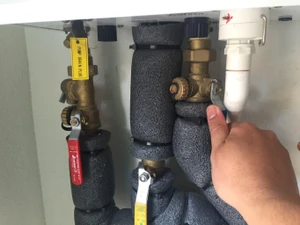
A condensing unit also needs an approved condensate drain. The condensate can be acidic, so the manual or local code may call for a neutralizer before discharge. The drain must remain open and protected from freezing where applicable. A qualified installer should confirm the route, materials, pump needs, and disposal point before equipment is selected.
Retrofit Reality: Can You Reuse the Existing Vent?
Do not assume a replacement tankless water heater can connect to the old vent. Changing from non-condensing to condensing may require a new vent material, a condensate line, a different termination, or a revised vent route. Replacing like-for-like can still require changes if the new model has different vent dimensions or approved components.
The same review should cover gas-pipe capacity, combustion air, electrical service, water connections, service clearances, and permits. Use the model manual and Eccotemp’s tankless water heater installation checklist to prepare questions for the installer rather than treating the project as a direct equipment swap.
Cost: Compare the Complete Installed Project
A condensing model often costs more as equipment because it includes added heat-recovery and condensate-management components. That does not mean it will always be the more expensive installation. Approved plastic venting can reduce vent-material costs or make a difficult route easier. A condensate pump, neutralizer, or new drain can add to the installation cost.
A non-condensing unit may cost less upfront but require more expensive high-temperature vent materials. Location, labor, permits, gas-line work, vent length, and condensate-disposal requirements vary too much for one reliable national payback period. Compare written, model-specific installed quotes and estimated annual energy use.
Maintenance Needs for Both Types
Both types need maintenance based on the model manual, water quality, and operating conditions. Mineral scale can reduce heat transfer in either design, so flushing or descaling may be required more often in hard-water areas. Inlet filters, burners, venting, and water connections may need inspection.
A condensing unit adds a condensate drain, trap, and possible neutralizer to the service list. A non-condensing design avoids those condensate components, but it is not maintenance-free. Follow the exact schedule in the manual. Use a qualified service professional where the work involves gas, combustion, venting, or internal repairs.
Which Type Is Better for Your Home?
A condensing tankless water heater is often the stronger choice when maximum rated efficiency matters, the installation has a practical condensate route, and the approved vent design works well for the home. A non-condensing model may be reasonable when the project is a compatible replacement, condensate disposal would be difficult, or the complete installed quote is more favorable.
Neither label determines capacity. The selected model must still meet the required gallons per minute at the home’s temperature rise and simultaneous demand. Before choosing, ask the installer to compare these six items:
- UEF and current certification status
- Hot-water output at the required temperature rise
- Approved vent material, route, and termination
- Condensate drain and neutralizer requirements
- Gas, electrical, water, clearance, and permit requirements
- Total installed cost and expected maintenance
Compare Current Eccotemp Gas Tankless Options
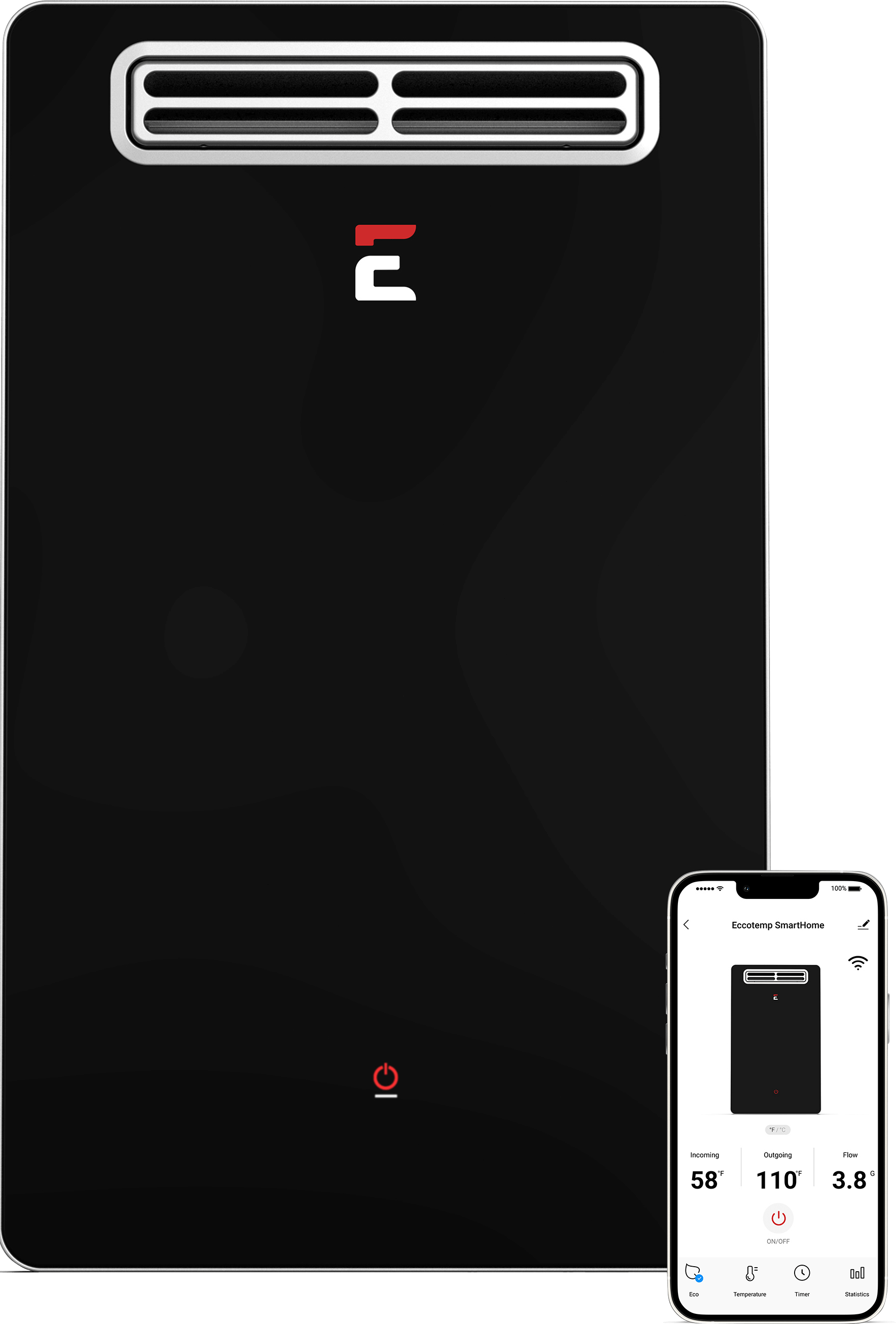
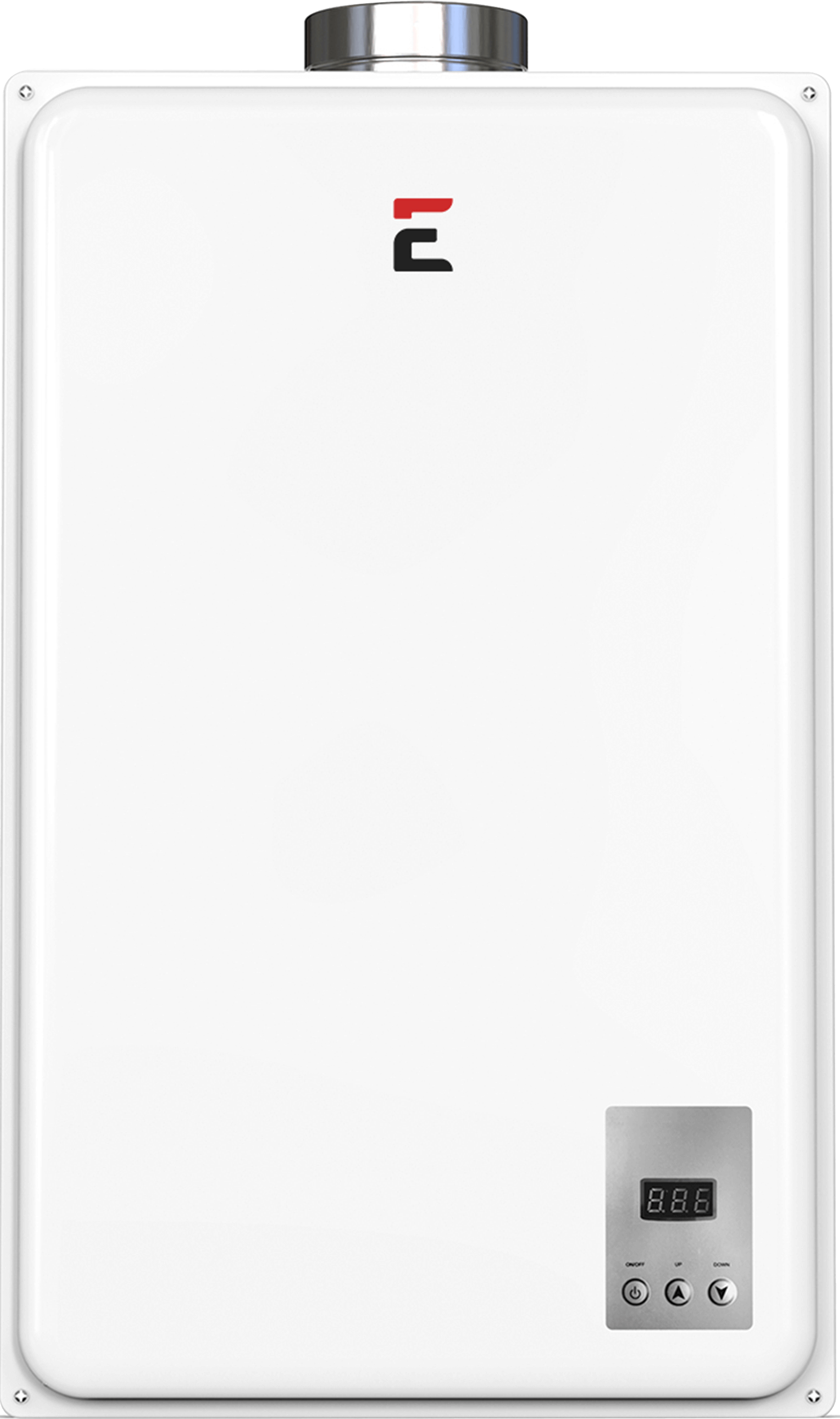
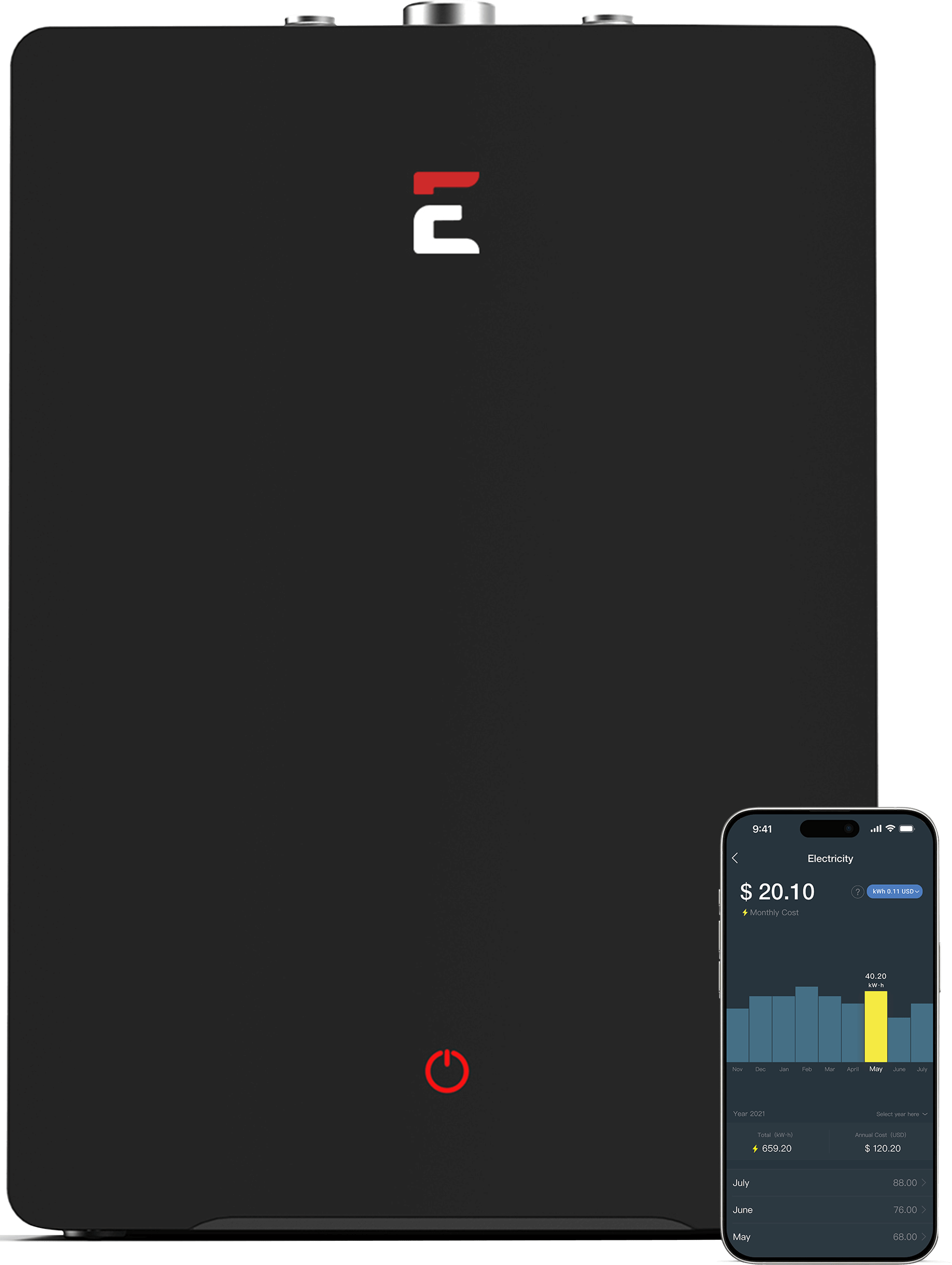
Once the installation requirements are clear, compare Eccotemp gas tankless water heaters by fuel type, installation location, flow rate, temperature-rise performance, and the specifications in each current product manual. Product availability and requirements can change, so use the live product page and manual for the final decision.
Frequently Asked Questions
Are all high-efficiency tankless water heaters condensing?
No. Efficiency varies by design and model. Check the listed UEF and current certification record instead of relying only on “high-efficiency” marketing language or a product name.
Can a condensing tankless water heater use the existing vent?
Sometimes, but never assume it can. An installer must compare the new model’s approved vent material, size, route, termination, and condensate requirements with the existing system.
Does a condensing tankless water heater always need a neutralizer?
Not always. The manufacturer’s instructions and local code determine whether condensate needs neutralization. The drain route and materials must still be approved for the installation.