 Weekly Deals
 Water Heaters
 Accessories
 Installation
 Parts
Parts
 Protection Plans
 Final Sale


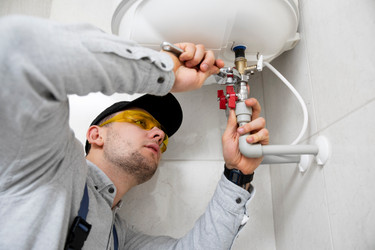


Stop Overpaying for Hot Water: Hidden Costs of Traditional Water Heaters in 2026
Introduction: Why Your Water Heater May Be Costing You More Than You Think
In 2026, homeowners are paying closer attention to where their money goes, especially as energy prices continue to fluctuate across global markets. One of the most overlooked contributors to rising household expenses is the traditional tank water heater. While it may seem like a reliable and familiar choice, this type of system often comes with hidden costs that quietly drain your wallet over time.
Many households still rely on tank-based water heating systems because they are widely available and relatively inexpensive upfront. However, what most people do not realize is that the real cost of owning a traditional water heater extends far beyond the initial purchase. From energy inefficiencies to maintenance expenses and limited lifespan, these systems can become a financial burden in ways that are not immediately obvious.
This article explores the hidden costs of traditional water heaters in 2026 and explains why switching to a tankless water heater system could be one of the smartest financial decisions you can make for your home.
The Illusion of Lower Upfront Costs
At first glance, traditional tank water heaters appear to be the more affordable option. The initial purchase price is typically lower compared to tankless water heater systems, which makes them attractive to budget-conscious homeowners. However, focusing only on the upfront cost can be misleading.
What many homeowners fail to consider is the total cost of ownership. A tank water heater may cost less to install initially, but it often leads to higher expenses over time due to inefficiency, frequent repairs, and replacement needs. In contrast, tankless water heater systems may require a higher initial investment, but they tend to offer better long-term value.
In 2026, more homeowners are beginning to understand that the cheapest option upfront is not always the most cost-effective in the long run.
Standby Heat Loss: Paying for Heat You Are Not Using
One of the highest hidden costs of traditional water heaters is standby heat loss. This occurs because tank systems constantly heat and reheat water to maintain a set temperature, even when you are not using hot water.
Imagine paying for electricity or gas to keep water hot throughout the day and night, regardless of whether anyone is using it. This continuous energy consumption adds up quickly, especially in households with irregular water usage patterns.
Standby heat loss is essentially wasted energy, and in 2026, with rising energy costs, this inefficiency becomes even more expensive. Tankless water heaters eliminate this issue by heating water only when needed, which significantly reduces energy waste.
Rising Energy Costs Amplify Inefficiency
Energy prices have become a major concern for homeowners worldwide. As governments implement stricter environmental regulations and transition toward cleaner energy sources, the cost of electricity and fuel continues to evolve.
Traditional water heaters are particularly vulnerable to these changes because of their inefficient design. Since they consume energy continuously, any increase in energy prices directly impacts your monthly utility bills.
In 2026, households using tank systems are feeling the pressure more than ever. Even small increases in energy rates can lead to noticeable spikes in expenses over time. Tankless water heater systems, on the other hand, are designed to operate more efficiently, helping homeowners better manage rising energy costs.
Limited Lifespan Leads to Frequent Replacements
Another hidden cost of traditional water heaters is their relatively short lifespan. Most tank systems last between eight to twelve years, depending on usage and maintenance. While this may seem reasonable, it often means that homeowners need to replace their system multiple times over the course of homeownership.
Each replacement comes with additional expenses, including the cost of the new system, installation fees, and potential upgrades to meet current building standards. These recurring costs can add up significantly over time.
Tankless water heaters typically last much longer, often exceeding twenty years with proper care. This extended lifespan reduces the frequency of replacements, making them a more cost-effective option in the long term.
Maintenance and Repair Expenses Add Up
Traditional water heaters require regular maintenance to function properly. Over time, sediment builds up inside the tank, especially in areas with hard water. This buildup reduces efficiency and can lead to damage if not addressed.
Flushing the tank, replacing worn components, and addressing corrosion are all part of maintaining a traditional system. These maintenance tasks can be time-consuming and costly, particularly if professional services are required.
Repair costs can also escalate quickly. Leaks, faulty thermostats, and heating element failures are common issues with tank systems. In some cases, repairs may only provide a temporary solution, leading to further expenses down the line.
In contrast, tankless water heater systems generally require less frequent maintenance and are less prone to many of the issues that affect traditional tanks.
Risk of Water Damage and Hidden Costs
One of the most overlooked risks associated with traditional water heaters is the potential for water damage. Since these systems store a large volume of water, any failure in the tank can result in significant leaks or even flooding.
Water damage can be extremely costly, affecting floors, walls, furniture, and personal belongings. In severe cases, it may also lead to mold growth, which can pose health risks and require expensive remediation.
The financial impact of water damage often far exceeds the cost of the water heater itself. Tankless water heater systems, which do not store large amounts of water, significantly reduce this risk.
Space Consumption and Opportunity Cost
Traditional water heaters take up considerable space in your home. Whether installed in a utility room, basement, or garage, they occupy valuable square footage that could be used for other purposes.
In smaller homes, apartments, or modern living spaces where efficient use of space is essential, this can be a significant disadvantage. The space taken up by a bulky tank could otherwise be used for storage or functional living areas.
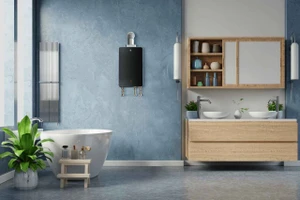
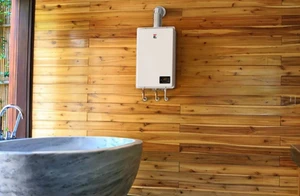
Tankless water heaters are compact and can be mounted on walls, freeing up space and providing more flexibility in home design. While this may not seem like a direct financial cost, the opportunity cost of lost space can be significant, especially in urban environments where space is at a premium.
Inconsistent Hot Water Supply
Traditional tank systems have a limited capacity, which means they can run out of hot water during periods of high demand. This can be frustrating for households with multiple users, particularly during peak times such as mornings or evenings.
Running out of hot water often leads to increased energy usage as the system works harder to reheat the tank. It can also result in inconvenience and reduced comfort, which may indirectly impact your daily routine.
Tankless water heater systems provide hot water on demand, ensuring a continuous supply without the limitations of a storage tank. This not only improves convenience but also contributes to more efficient energy usage.
Environmental Costs and Sustainability Concerns
In 2026, sustainability is a key consideration for many homeowners. Traditional water heaters are less environmentally friendly due to their higher energy consumption and shorter lifespan.
The need for frequent replacements also contributes to waste, as old tanks are discarded and new ones are manufactured. This cycle has a larger environmental footprint compared to longer-lasting and more efficient alternatives.
Tankless water heaters align better with modern sustainability goals. By reducing energy consumption and lasting longer, they help minimize environmental impact while also lowering household expenses.
The Financial Case for Switching to Tankless
When all these hidden costs are considered together, the financial case for switching to a tankless water heater becomes clear. While the initial investment may be higher, the long-term savings often outweigh the upfront expense.
Lower energy bills, reduced maintenance costs, fewer replacements, and minimized risk of water damage all contribute to significant savings over time. In many cases, homeowners can save thousands over the lifespan of a tankless water heater system.
Additionally, some regions offer incentives or rebates for energy-efficient upgrades, which can help offset the initial cost and make the transition even more attractive.
Future-Proofing Your Home in 2026 and Beyond
As technology continues to evolve, homes are becoming smarter and more energy-efficient. Investing in a tankless water heater is not just about saving money today, but also about future-proofing your home.
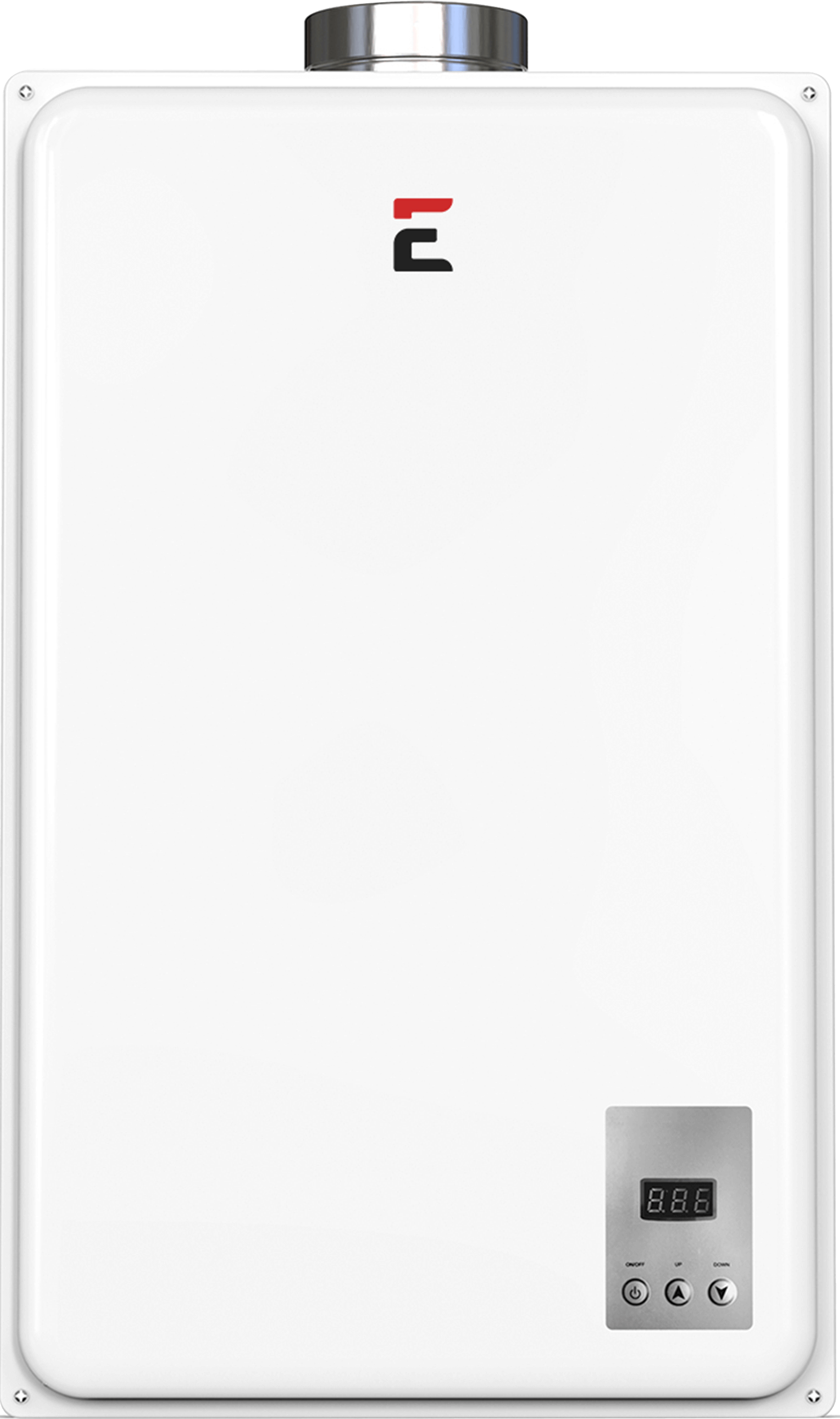
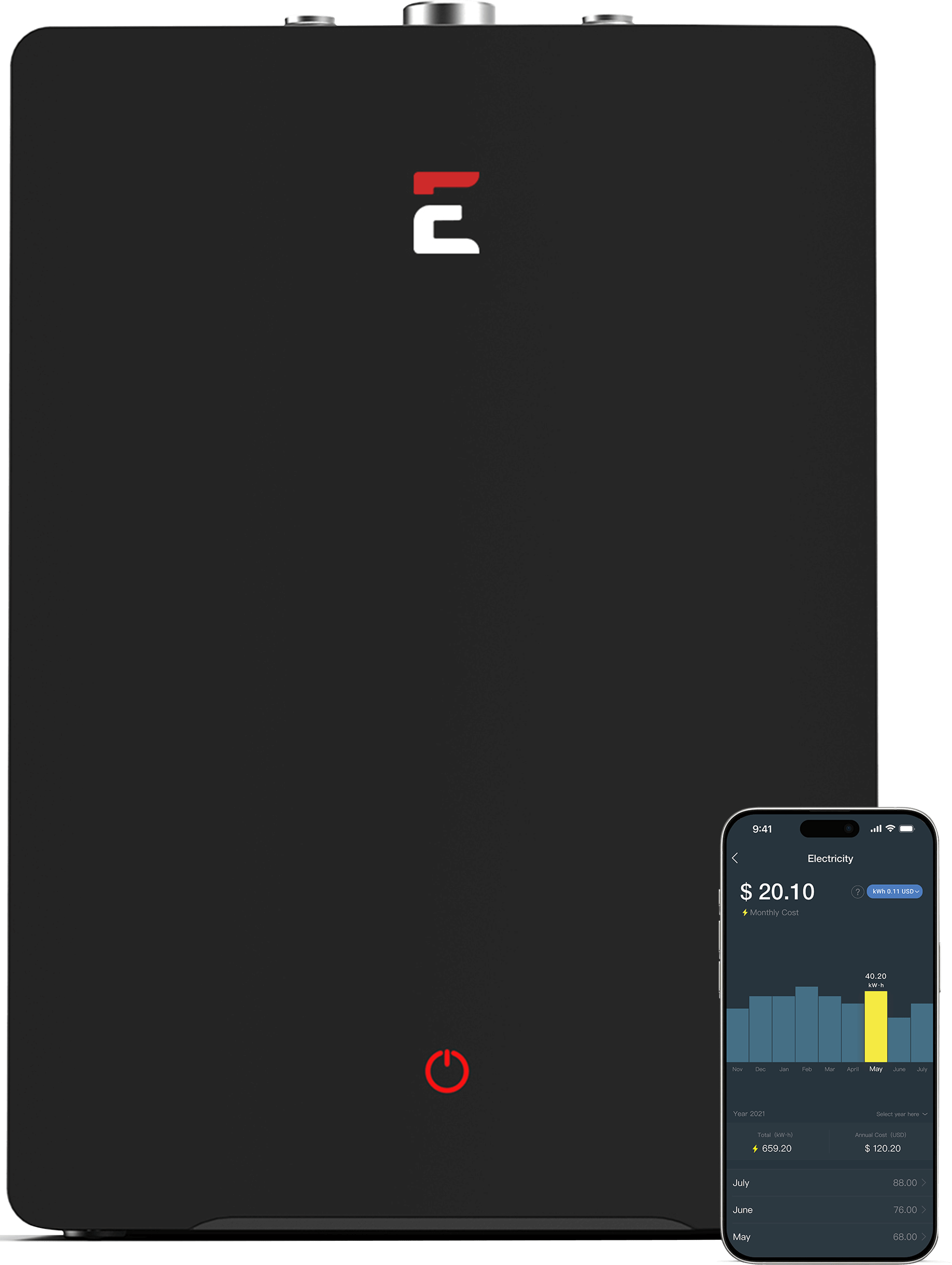
Modern tankless water heater systems often come with advanced features such as digital controls, improved safety mechanisms, and compatibility with smart home technology. These features enhance convenience and efficiency, making them a valuable addition to any modern household.
In a world where energy efficiency and sustainability are increasingly important, upgrading your water heating system is a step toward a more resilient and cost-effective home.
Conclusion: Stop Letting Hidden Costs Drain Your Wallet
The hidden costs of traditional water heaters in 2026 go far beyond what most homeowners expect. From standby heat loss and rising energy expenses to maintenance, replacements, and the risk of water damage, these systems can quietly drain your finances over time.
While tank water heaters may seem like the easier choice initially, they often come with long-term drawbacks that make them less economical. Tankless water heaters offer a smarter alternative, providing energy efficiency, durability, and consistent performance.
If you are still relying on a traditional tank system, now is the time to reconsider your options. By making the switch, you can reduce your expenses, improve your home’s efficiency, and enjoy the benefits of modern water heating technology for years to come.
Frequently Asked Questions
What are the hidden costs of traditional water heaters in 2026?
The hidden costs of traditional water heaters in 2026 include ongoing energy consumption from standby heat loss, frequent maintenance and repair expenses, shorter lifespan leading to more replacements, and the risk of costly water damage. These factors combine to make tank systems more expensive over time than they initially appear.
Why do traditional water heaters use more energy?
Traditional water heaters continuously heat stored water to maintain a set temperature, even when hot water is not being used. This process, known as standby heat loss, leads to wasted energy and higher utility bills, especially as energy prices rise in 2026.
How long does a traditional water heater typically last?
Most traditional tank water heaters last between eight to twelve years, depending on usage and maintenance. This relatively short lifespan means homeowners often need to replace them multiple times, increasing long-term costs.
Are tankless water heaters really more cost-effective?
Yes, tankless water heaters are generally more cost-effective over time. Although the initial investment is higher, they offer lower energy consumption, fewer maintenance requirements, longer lifespan, and reduced risk of water damage, all of which contribute to significant savings.
Can traditional water heaters increase my risk of water damage?
Yes, since traditional systems store a large volume of water, they can leak or rupture over time. This can lead to serious water damage in your home, including structural issues and mold growth, which can be expensive to repair.
Do tankless water heaters provide enough hot water for a household?
Tankless water heaters provide hot water on demand, meaning they do not run out like traditional tank systems. As long as the system is properly sized for your household, it can deliver a continuous supply of hot water even during high usage periods.
Is maintenance different between tank and tankless water heater systems?
Yes, traditional tank water heaters typically require more frequent maintenance due to sediment buildup and wear on internal components. Tankless water heater systems still require maintenance, but it is usually less frequent and more focused on periodic cleaning or descaling.
Will switching to a tankless water heater system help lower energy bills?
Switching to a tankless water heater system can help reduce energy bills because it only heats water when needed. This eliminates standby heat loss and improves overall efficiency, making it a more economical choice in the long run.
Are tankless water heaters environmentally friendly?
Tankless water heaters are generally more environmentally friendly because they use less energy and have a longer lifespan. This reduces both energy consumption and waste, aligning with sustainability goals in 2026.
Is it worth upgrading from a traditional water heater now?
Upgrading from a traditional water heater is often worth considering, especially if your current system is aging or inefficient. The long-term savings, improved performance, and reduced risk of unexpected costs make tankless water heater systems a smart investment for many homeowners.