 Weekly Deals
 Water Heaters
 Accessories
 Installation
 Parts
Parts
 Protection Plans
 Final Sale





Tankless Water Heater Cost: Complete Guide for 2026
How much does a tankless water heater cost? A current U.S. planning range is $2,400 to $5,400 installed, based on The Home Depot’s nationwide installation guide. Your quote may fall outside that range if the project needs a larger gas line, new venting, an electrical-service upgrade, relocation, or extensive code work.
A simple tankless replacement is usually easier to price than converting from a storage-tank system. In this guide, we’ll separate equipment from project costs, explain the main price drivers, and show you how to compare quotes and estimate long-term value.
Key Takeaways
- The installed price matters more than the heater’s shelf price.
- A like-for-like replacement usually requires less infrastructure work than a tank-to-tankless conversion.
- Fuel type, capacity, temperature rise, venting, electrical capacity, location, permits, and code upgrades can affect the quote.
- Energy savings vary with hot-water use, fuel rates, climate, efficiency, and the system being replaced.
- Compare contractor quotes by scope, not just by the final number.
How Much Are Tankless Water Heaters?
The Home Depot currently reports a nationwide installed range of $2,400 to $5,400 for a tankless water heater, with an average total of $4,300. That estimate includes the heater, permits, materials, professional installation, and removal of the old unit. It is a useful starting point, not a guaranteed price for every home.
A quote can be lower for a straightforward replacement in a ready location. It can be higher when the installer must change the fuel source, increase gas capacity, add a new vent path, upgrade electrical service, relocate the equipment, or correct existing work. Ask each contractor to identify what is included and which conditions could create a change order.
|
Cost layer |
What it may include |
Why it changes |
|
Equipment |
Heater, isolation valves, vent components, condensate parts, and mounting hardware |
Fuel type, output, efficiency, controls, warranty, and model |
|
Installation |
Plumbing, gas or electrical work, venting, setup, testing, and removal |
Replacement versus conversion, access, location, and local labor |
|
Project requirements |
Permit, inspection, code corrections, service upgrades, or relocation |
Local rules and the home’s existing infrastructure |
What Changes the Total Installed Cost?
1. Replacement or Conversion
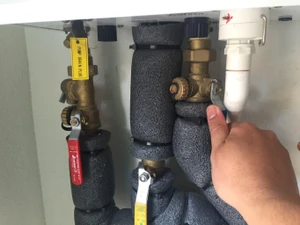
Replacing an existing tankless unit with a compatible model may reuse a suitable location and some infrastructure. Converting from a tank system can require new venting, a larger gas supply, electrical work, drain provisions, plumbing changes, or a different mounting location. The quote should state which work is assumed.
2. Gas, Propane, or Electric
Gas and propane models need an approved fuel supply and model-specific venting or outdoor-location requirements. Whole-home electric models can require multiple dedicated circuits and substantial electrical capacity. A lower unit price does not automatically mean a lower installed price if the home needs major infrastructure upgrades.
3. Flow Rate and Temperature Rise
Tankless capacity depends on gallons per minute (GPM) and temperature rise, which is the difference between incoming-water and desired outlet temperatures. Colder inlet water requires more heating power for the same flow.
Estimate simultaneous fixture demand, then verify performance at the required rise. Eccotemp’s family-of-four sizing guide explains this relationship in more detail.
4. Venting, Gas Supply, and Electrical Capacity
A gas model’s manual determines approved venting and fuel-supply requirements. An electric model’s manual determines voltage, breaker, wire, and circuit requirements.
Do not use a generic estimate as an installation specification. A qualified installer should compare the exact model with the home and current local codes before quoting the work.
5. Location, Access, Permits, and Code Work
Long pipe or vent runs, limited access, relocation, wall repair, old-equipment removal, permits, and required code corrections can increase labor and materials.
Review the tankless water heater installation checklist before meeting an installer so your quotes cover the same project scope.
Gas vs. Electric Tankless Water Heater Cost
Gas models often serve higher simultaneous demand, but the project may need gas-line, venting, combustion-air, or condensate work.
Electric models do not need combustion venting, yet a whole-home unit may require new circuits or an electrical-service upgrade. The more economical choice depends on the home, local fuel prices, hot-water demand, and the cost of making the existing infrastructure compatible.
|
Question |
Gas or propane project |
Electric project |
|
What should be checked? |
Fuel type and capacity, approved venting, combustion requirements, condensate needs, and location |
Service capacity, voltage, dedicated circuits, breaker and wire requirements, and location |
|
What can raise the price? |
New or larger gas piping, meter review, longer vent route, outdoor conversion, or condensate work |
Panel or service upgrade, several new circuits, long cable runs, or relocation |
|
Best cost comparison |
Installed quote plus estimated annual fuel use |
Installed quote plus estimated annual electricity use |
How to Compare Tankless Water Heater Quotes
A low quote may exclude work that another contractor has included. Ask for an itemized scope and compare the same assumptions. The quote should identify the exact model, fuel type, installation location, included materials, labor, permits, inspection, removal, warranty coverage, and exclusions.
Ask these questions before choosing a quote:
- Is this a like-for-like replacement or a tank-to-tankless conversion?
- Which model is quoted, and what flow does it provide at the home’s required temperature rise?
- Are venting, gas-supply, electrical, condensate, water-line, and isolation-valve requirements included?
- Are the permit, inspection, old-unit removal, disposal, startup, and testing included?
- Which code corrections or hidden conditions could change the price?
- What equipment, parts, and labor warranties apply?
What Does a Tankless Water Heater Cost to Run?
The operating cost of a tankless water heater depends on your household’s hot-water use, local energy rates, incoming water temperature, outlet setting, fuel type, and unit efficiency. A home with colder incoming water requires more energy to reach the same outlet temperature. Running several fixtures for long periods will increase energy use as well.
For a realistic estimate, compare the expected annual energy consumption of the proposed model with your current water heater. Use the same hot-water demand and current local utility rates for both calculations. This gives you a more useful estimate than relying on a fixed national savings percentage. Remember to include routine maintenance when comparing the total cost of ownership.
Maintenance and Service Costs
Mineral scale can reduce performance, particularly in hard-water conditions. Maintenance frequency and steps vary by model, water quality, and use, so follow the manufacturer’s manual.
Include expected professional service, flushing supplies, filters, and any water-treatment needs in the ownership estimate. Do not assume every unit requires the same annual service schedule or cost.
How to Estimate Payback Without Guessing
A universal break-even period is misleading. Use the difference between two complete installed quotes and divide it by the estimated annual operating savings. Include expected maintenance differences if they are material.
|
Step |
Calculation |
|
1. Upfront premium |
Tankless installed quote minus the alternative installed quote |
|
2. Annual net savings |
Estimated annual energy savings minus any added annual maintenance cost |
|
3. Simple payback |
Upfront premium divided by annual net savings |
For example, if the tankless option costs $2,000 more and the estimated net savings are $150 per year, the simple payback is about 13.3 years.
This is an illustration, not a forecast. Your inputs should come from actual quotes, model data, local rates, and expected use.
Rebates and Tax Incentives in 2026
The federal Energy Efficient Home Improvement Credit is not available for property placed in service after December 31, 2025. The IRS home energy tax credit page lists the credit period as 2023 through 2025, and ENERGY STAR’s gas water-heater credit page gives the same end date.
State, local, and utility incentives may still reduce the net cost. Search by ZIP code with the ENERGY STAR Rebate Finder, then confirm eligibility, qualifying model numbers, purchase dates, installation deadlines, and application steps with the program administrator before buying.
Tankless vs. Traditional Water Heater Cost
A storage-tank heater often has a lower installed price. A tankless model may use less energy, occupy less floor space, and provide continuous hot water when it is sized within its flow and temperature-rise limits.
The better value depends on the conversion cost, local energy prices, expected use, maintenance, and how long you plan to keep the system.
|
Cost question |
Storage tank |
Tankless |
|
Upfront project |
Often lower and simpler for a like-for-like replacement |
Often higher, especially for a conversion |
|
Energy use |
Includes storage and standby losses |
Heats water on demand; savings depend on use and efficiency |
|
Capacity |
Stored volume can be depleted |
Continuous operation within the unit’s rated capacity |
|
Ownership planning |
Compare installed price, energy, maintenance, and expected replacement timing |
Compare installed price, energy, maintenance, and expected replacement timing |
For a broader feature-by-feature decision, see Eccotemp’s tankless vs. traditional water heater comparison.
Is a Tankless Water Heater Worth the Cost?
It can be worth the cost when the unit fits your demand, the home can support it without an expensive conversion, and the long-term energy and space benefits matter to you.
It may be less attractive when the infrastructure upgrade is large, the current heater is inexpensive to replace, or you expect to move before the added cost can be recovered.
Start with sizing and infrastructure, then compare complete quotes. Do not choose a model from GPM alone, and do not assume a cheaper heater creates a cheaper project. A qualified installer should confirm the exact model, location, fuel or electrical requirements, venting, permits, and local-code needs.
Compare Current Eccotemp Options
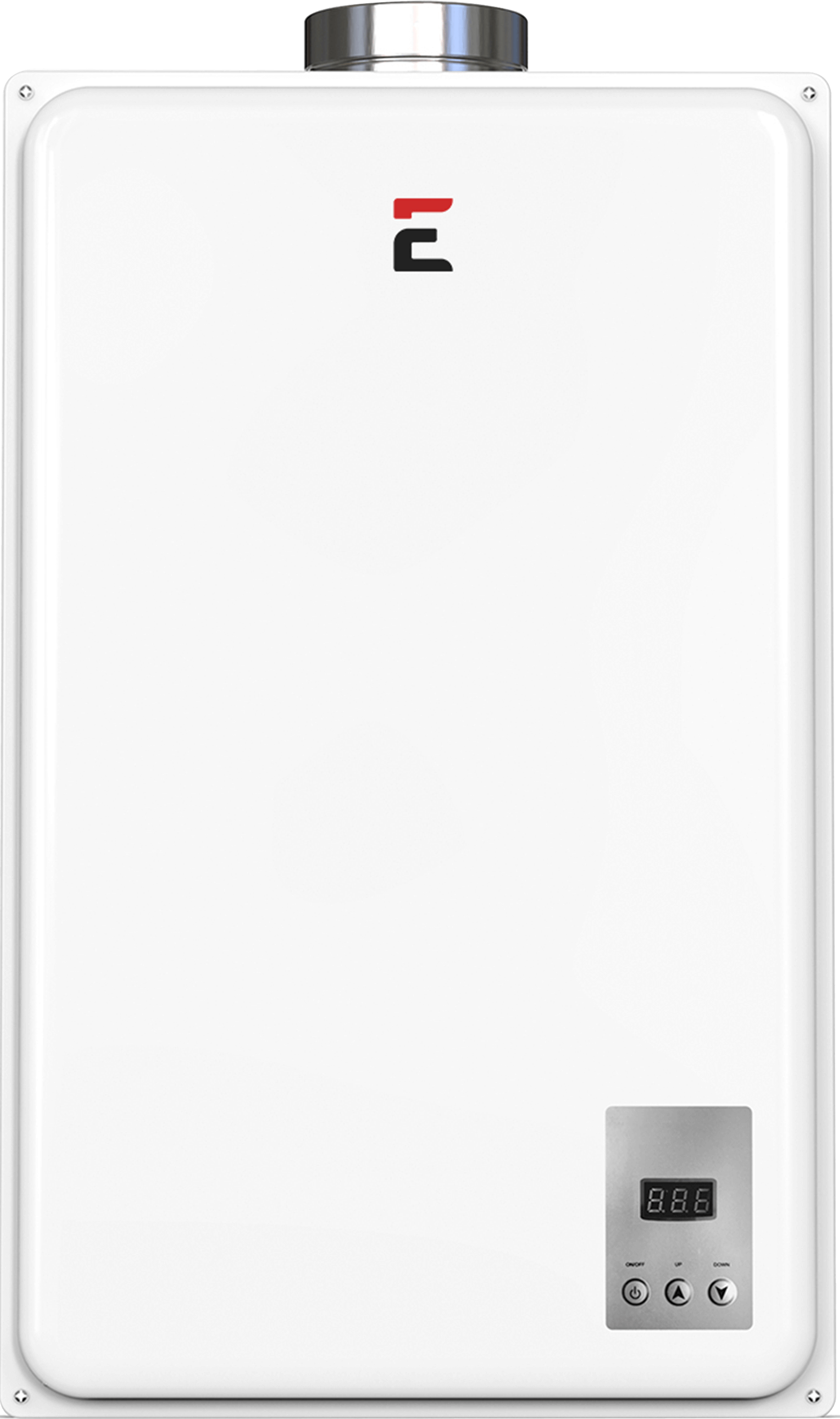
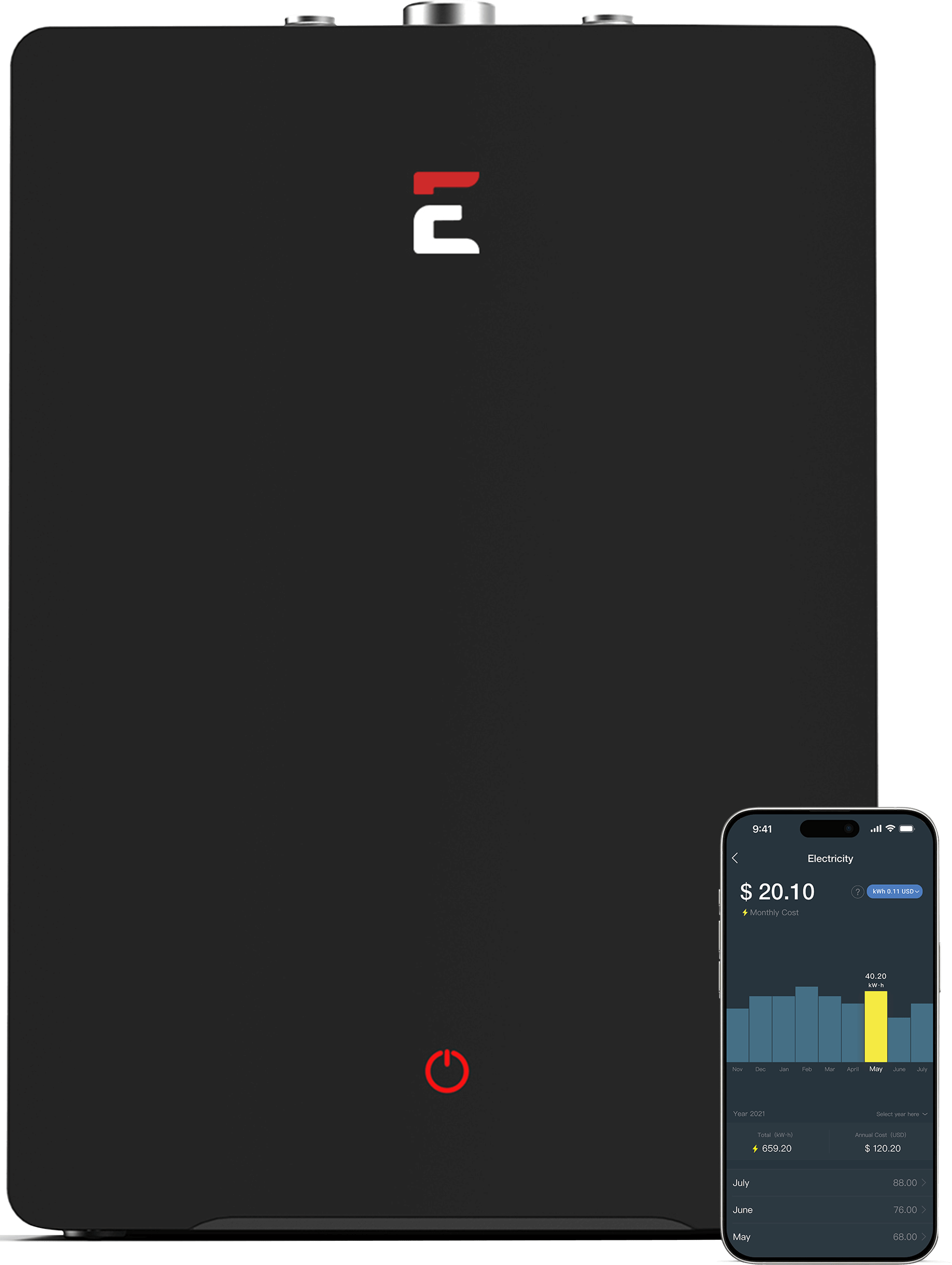
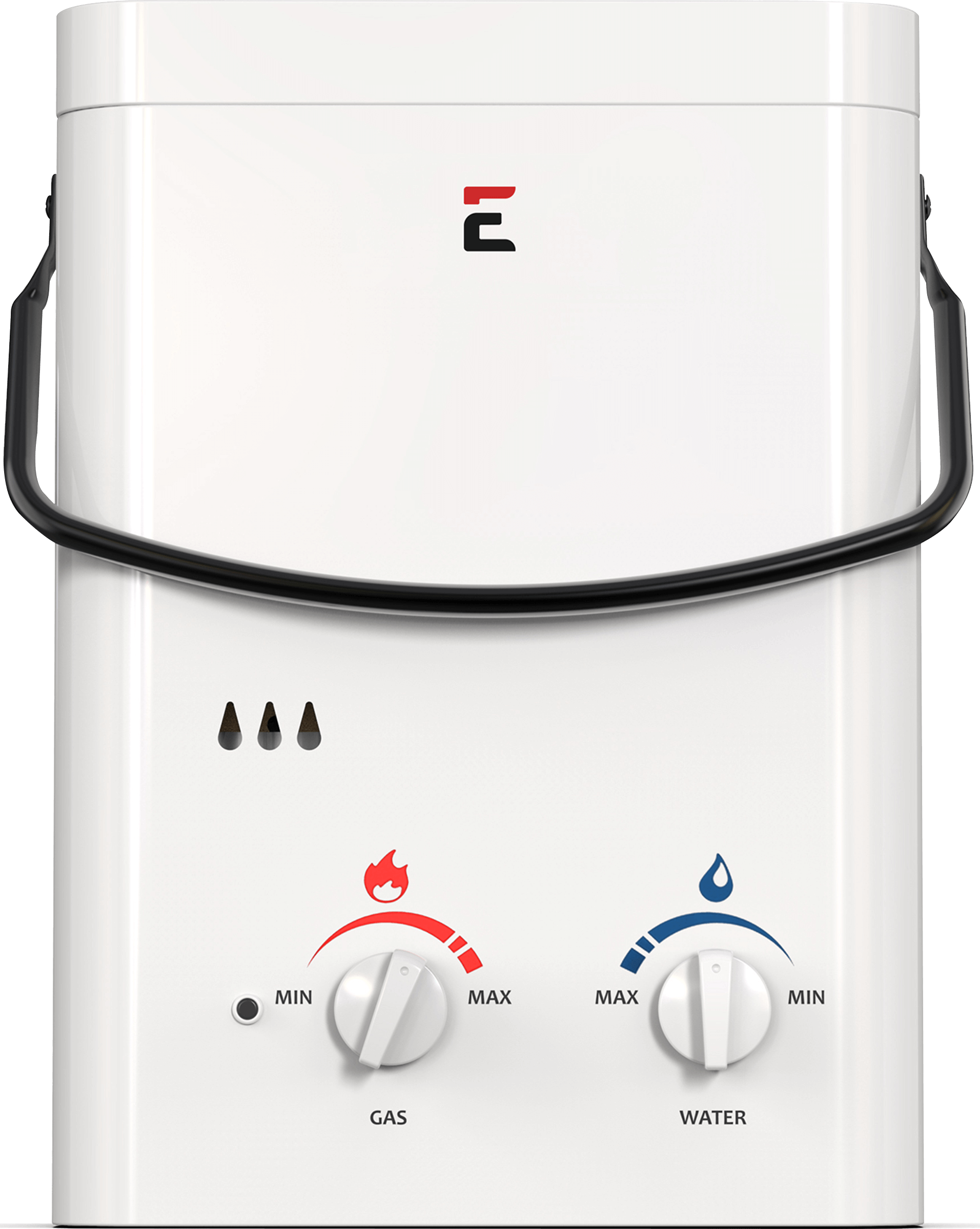
Once you know your required flow, temperature rise, fuel type, location, and available infrastructure, compare current Eccotemp tankless water heaters.
Product pages can narrow the model list, but the applicable manual and a qualified installer should confirm whether a model fits the home and planned installation.
Frequently Asked Questions
How much does it cost to install a tankless water heater?
A current U.S. planning range is $2,400 to $5,400 installed. Conversions, service upgrades, relocation, venting, permits, and code work can move a quote outside it.
Does a tankless water heater lower utility bills?
It can reduce water-heating energy use, but savings depend on usage, fuel rates, climate, efficiency, and the old system. It does not guarantee a fixed bill reduction.
What is the biggest hidden cost of going tankless?
Infrastructure is often the largest surprise. Gas capacity, venting, electrical service, circuits, relocation, permits, or code corrections can cost more than buyers expect from the heater price.