 Weekly Deals
 Water Heaters
 Accessories
 Installation
 Parts
Parts
 Protection Plans
 Final Sale





Federal Tax Credits & Rebates for Energy-Efficient Water Heaters: 2026 US Guide
As we move into 2026, homeowners across the United States are increasingly aware of the dual benefits of upgrading to energy-efficient water heaters: reducing utility bills and taking advantage of government incentives. With the Department of Energy (DOE) introducing updated efficiency standards this year, along with the continued support of the Inflation Reduction Act (IRA), the landscape for rebates and federal tax credits has never been more favorable. For households considering a switch to a tankless water heater or an energy-efficient storage model, understanding the available incentives is critical for maximizing both savings and long-term energy efficiency.
Understanding Water Heater Tax Credits in 2026
The water heater tax credit 2026 is designed to encourage the installation of high-efficiency water heating systems in residential homes. Under current federal guidelines, homeowners who purchase and install qualifying water heaters may be eligible for a direct tax credit on their federal income taxes. This credit typically applies to tankless water heaters that meet or exceed DOE efficiency standards, as well as certain electric storage models that qualify under the energy factor requirements. Unlike rebates, which are usually applied at the point of purchase or received through utility programs, tax credits reduce the amount of tax you owe at the end of the year, making them a powerful incentive for homeowners planning energy-efficient upgrades.
The maximum federal tax credit available for residential water heaters varies depending on the type and efficiency rating. Tankless gas water heaters that meet the DOE’s 2026 efficiency thresholds can qualify for up to $300 in federal tax credits, while high-efficiency electric water heaters may offer a slightly lower amount. Importantly, these credits are non-refundable, meaning they can reduce your tax liability to zero but cannot result in a refund beyond what you owe. Homeowners should consult with a tax professional or use IRS resources to confirm eligibility and calculate the exact credit available for their installation.
DOE 2026 Efficiency Standards and Their Impact
The DOE’s updated efficiency standards for 2026 have set a higher bar for energy performance in residential water heaters. Tankless water heaters, in particular, are required to demonstrate a minimum uniform energy factor (UEF) that ensures significant energy savings compared to traditional storage tank models. This shift not only encourages manufacturers to innovate but also opens the door for homeowners to access federal incentives for compliant models.
The efficiency standards focus on both fuel types and performance metrics. For gas-fired tankless water heaters, the DOE now requires a higher energy factor, which reflects the system’s overall ability to convert fuel into usable hot water efficiently. Electric water heaters are similarly evaluated based on standby loss and energy consumption per gallon. The 2026 standards ensure that homeowners investing in new water heaters are purchasing products that significantly lower energy usage, reduce greenhouse gas emissions, and qualify for available energy-efficient water heater rebates and tax credits.
Rebates Beyond Federal Credits
In addition to federal tax credits, many states and local utilities offer rebates for energy-efficient water heaters, further increasing the potential savings. These rebates vary widely depending on location, utility program, and the type of water heater installed. For example, homeowners in California, New York, and Massachusetts often have access to state-funded rebate programs that can range from $100 to $500 for tankless or high-efficiency storage water heaters. These programs are designed to complement federal tax credits, making it more affordable for households to invest in energy-efficient technology.
Utility companies may also offer additional incentives, such as instant rebates applied at the time of purchase or tiered rebate programs that reward higher-efficiency models. Some programs require professional installation to qualify, while others may have limits based on household income or the number of water heaters installed. Homeowners should carefully review the terms of each rebate program to ensure compliance and maximize their total savings. Combining federal tax credits with state and utility rebates can make energy-efficient upgrades significantly more cost-effective, sometimes covering a substantial portion of the purchase and installation costs.
Qualifying Eccotemp Water Heaters
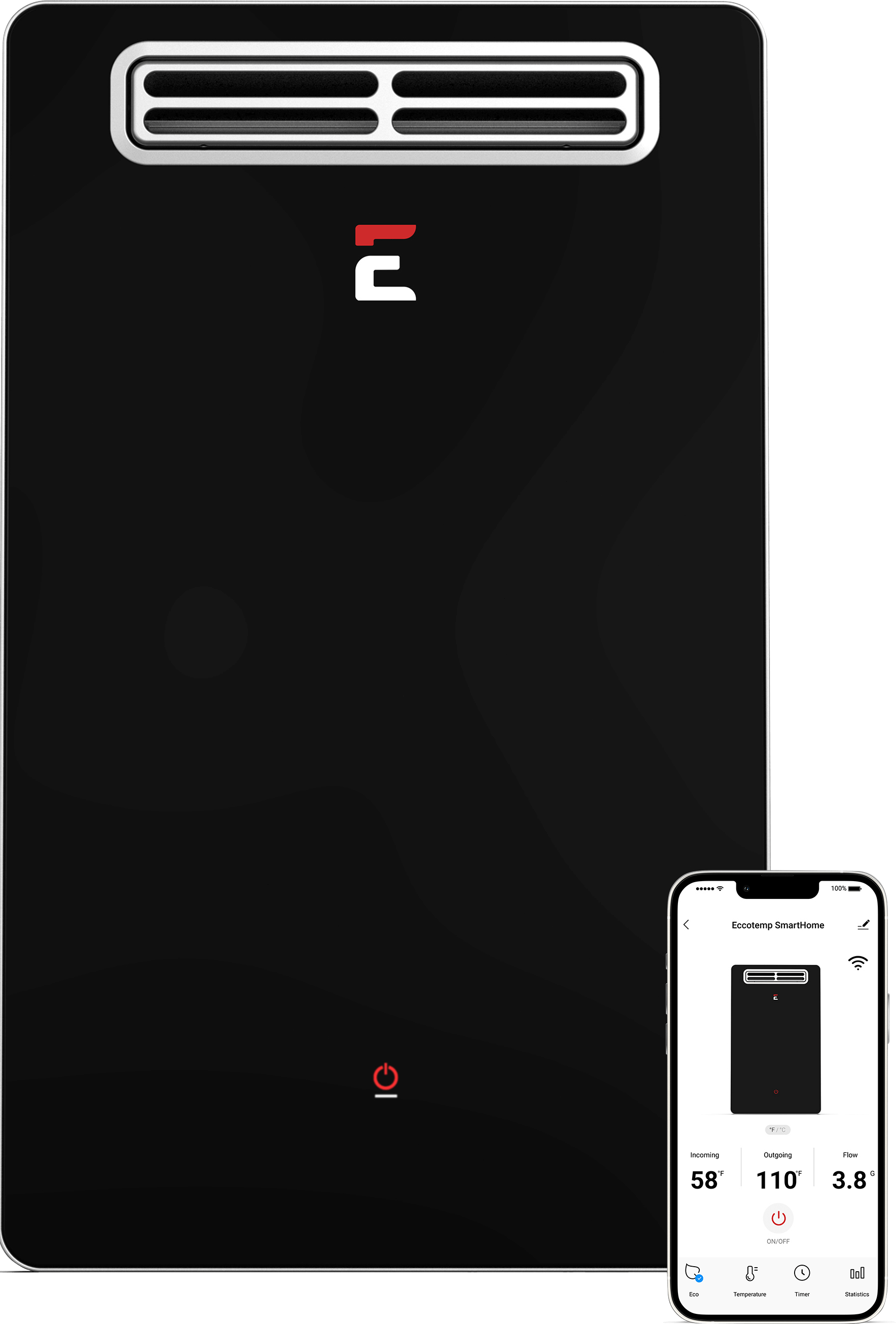
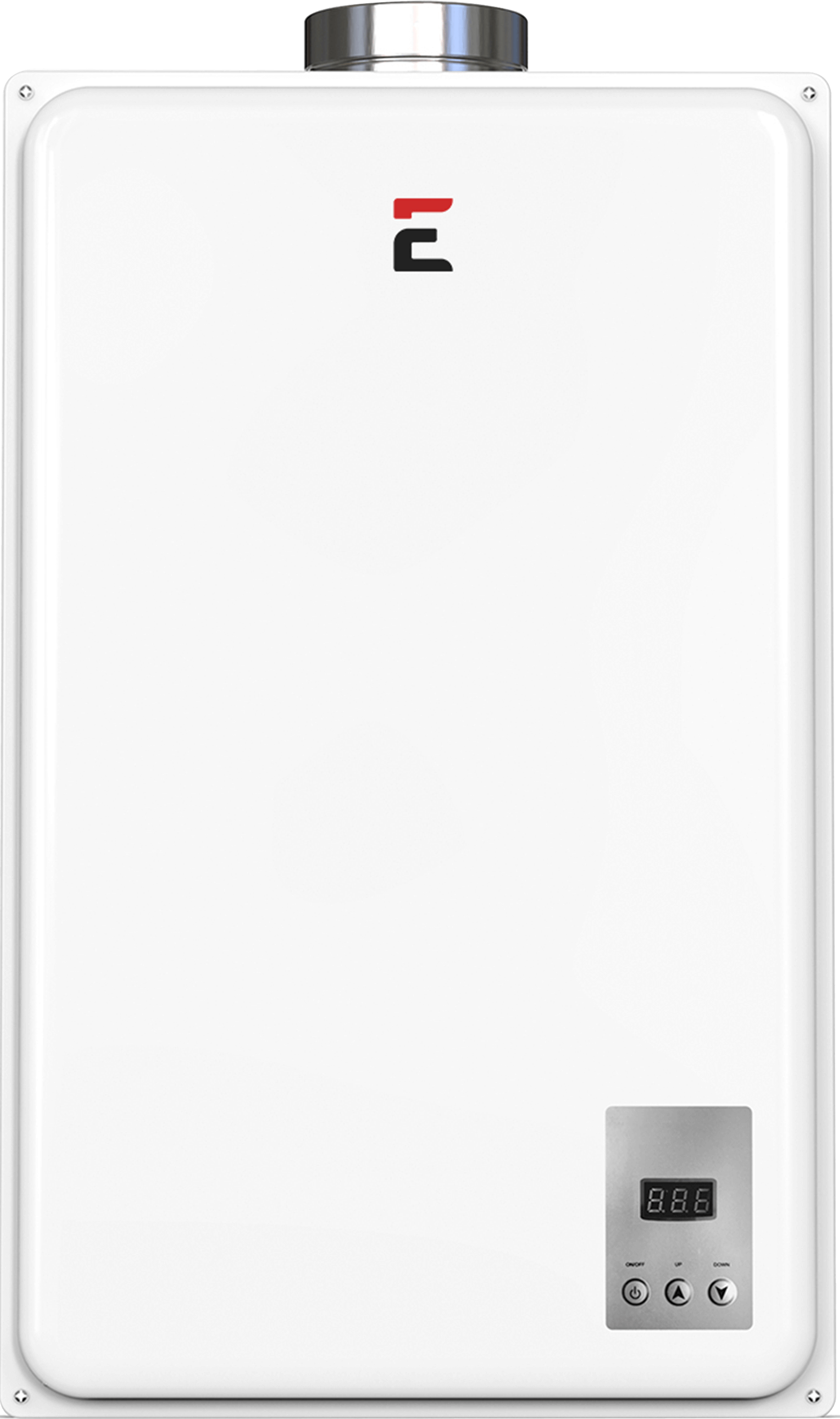
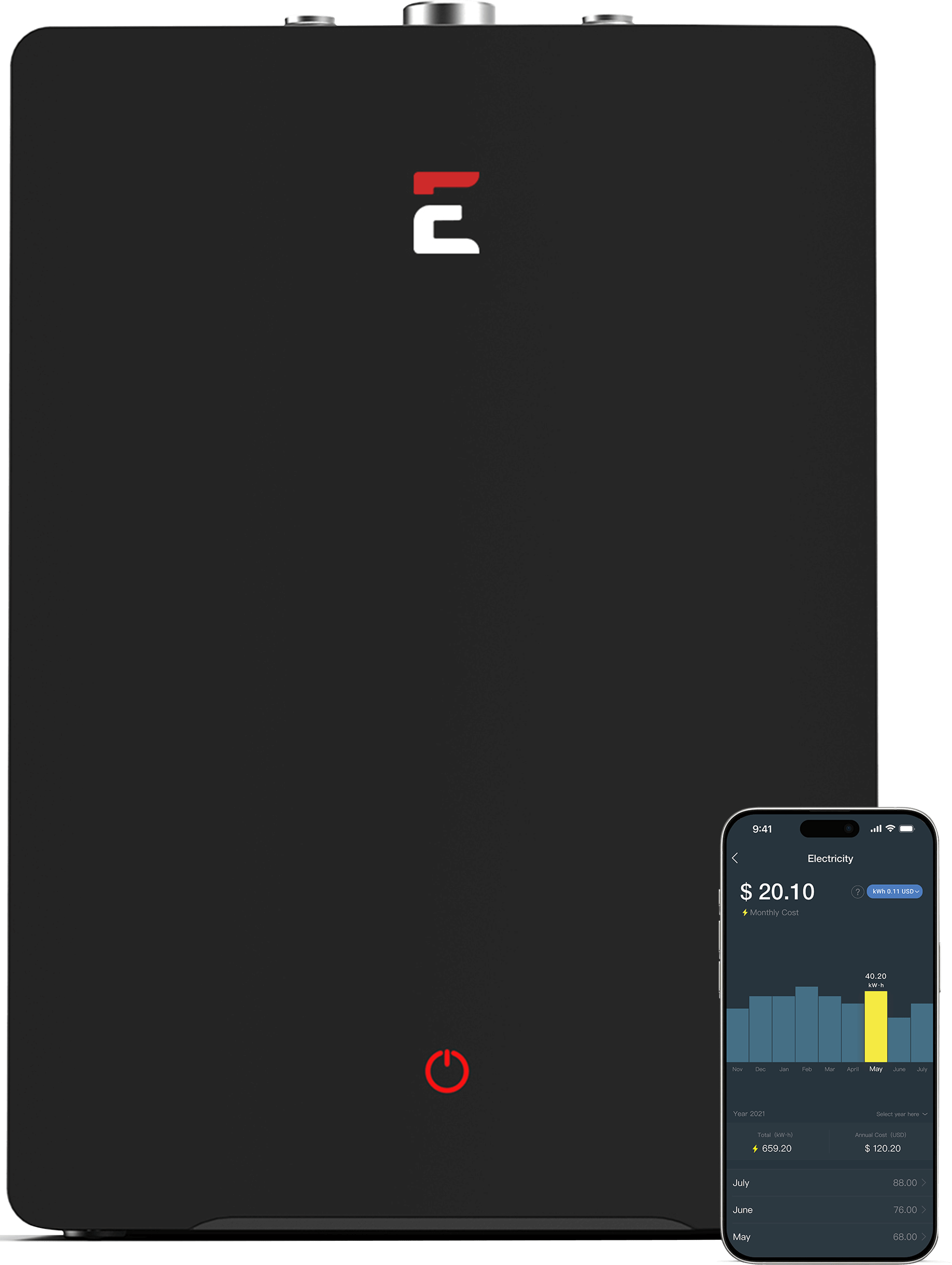
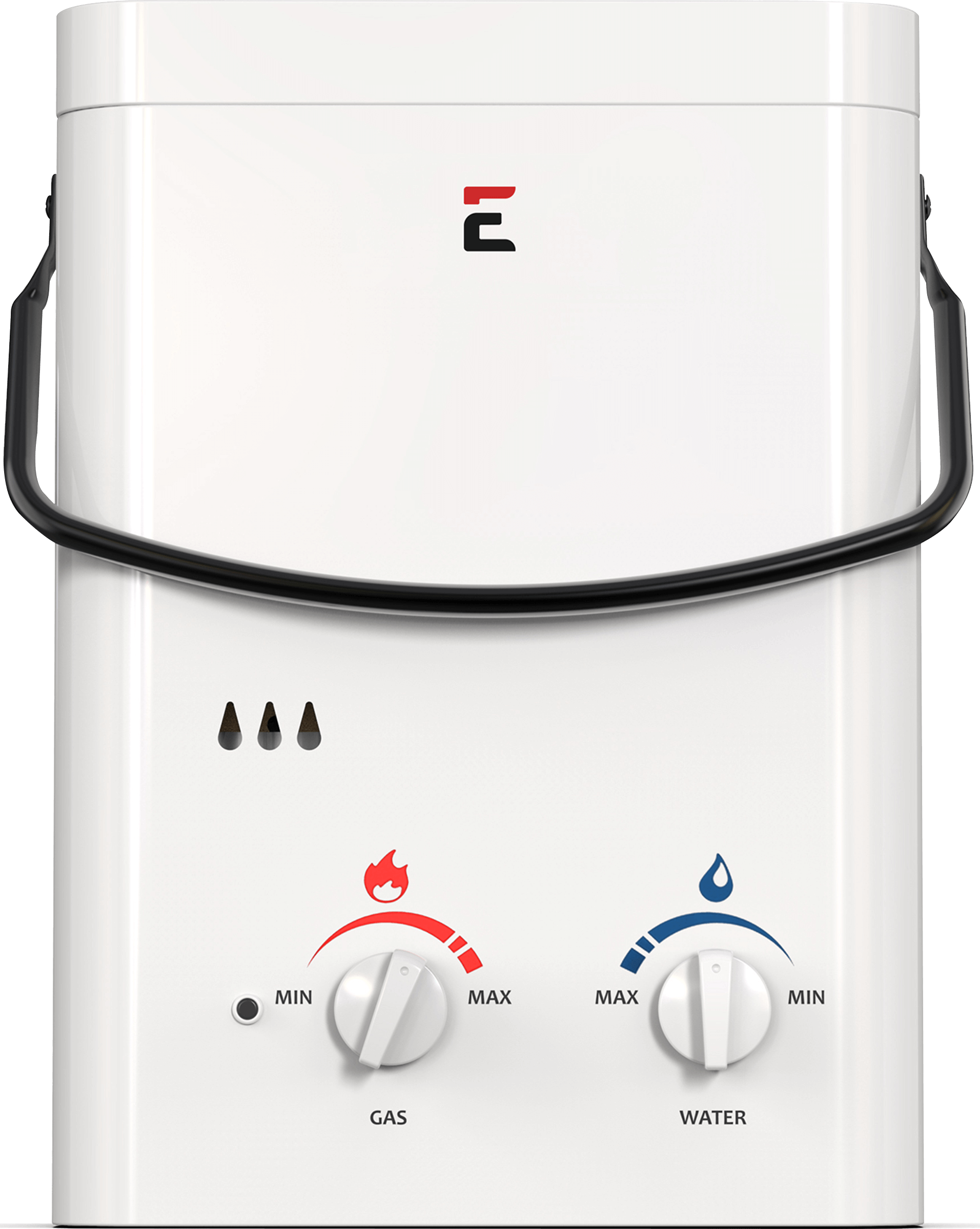
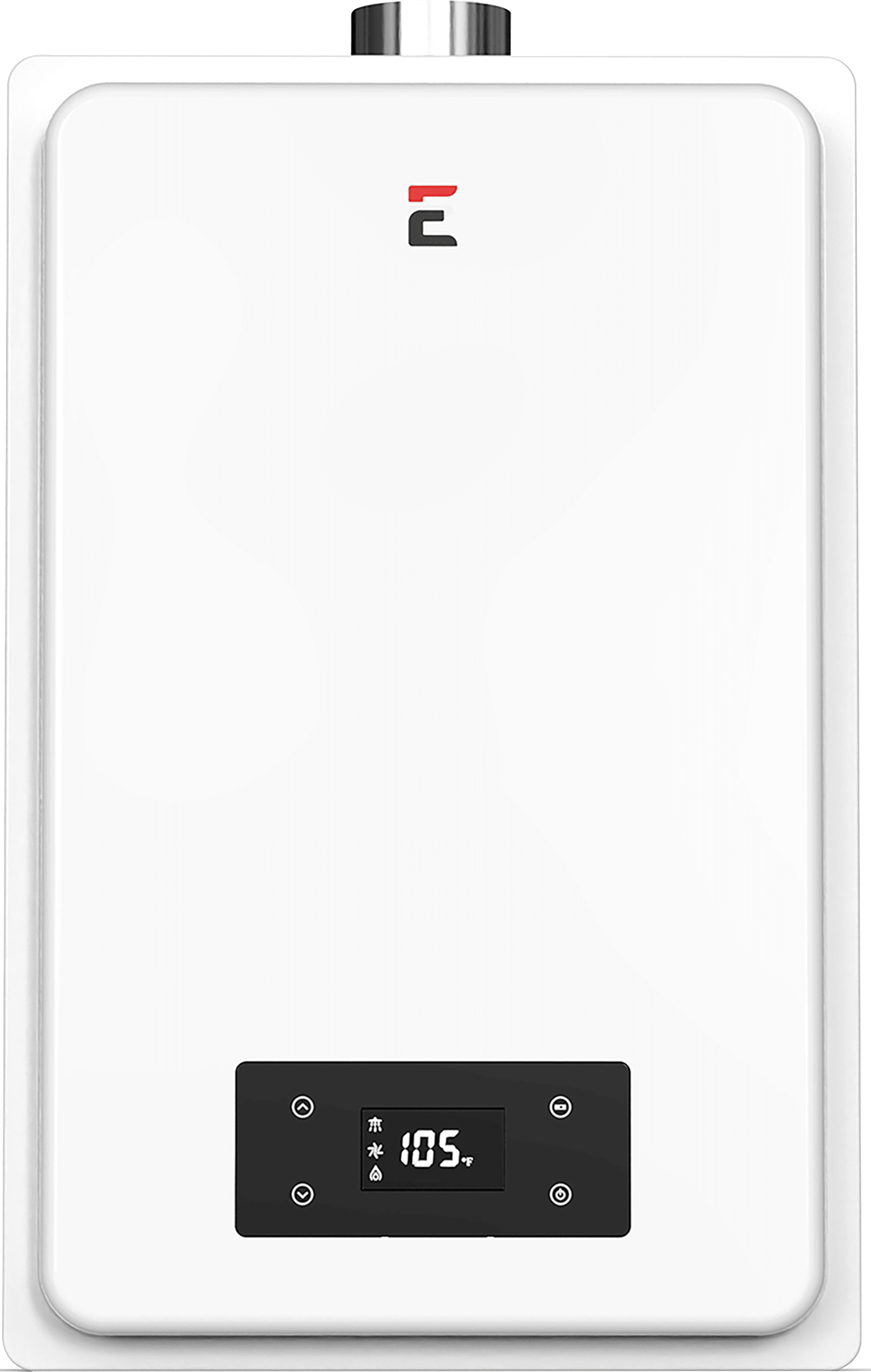
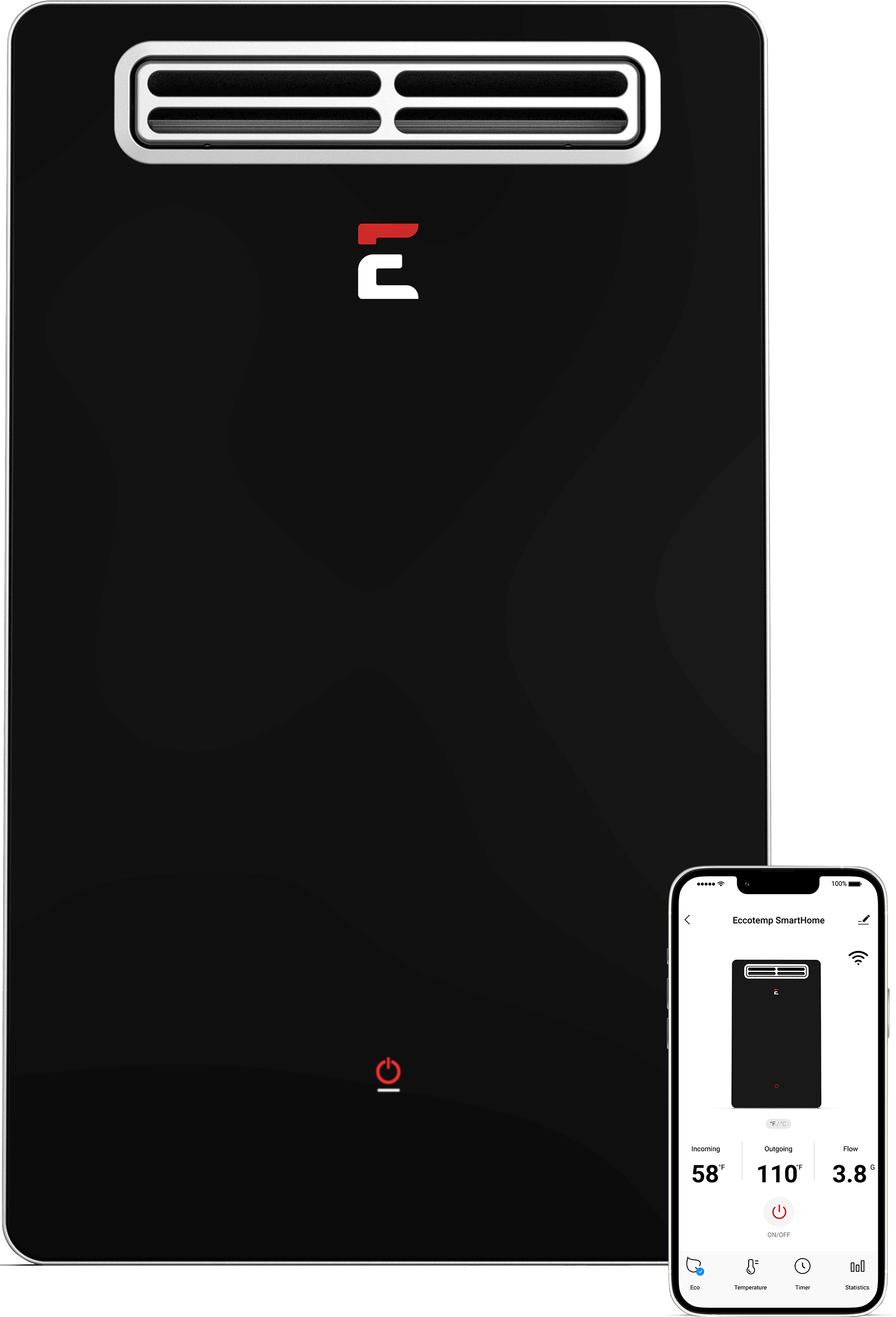
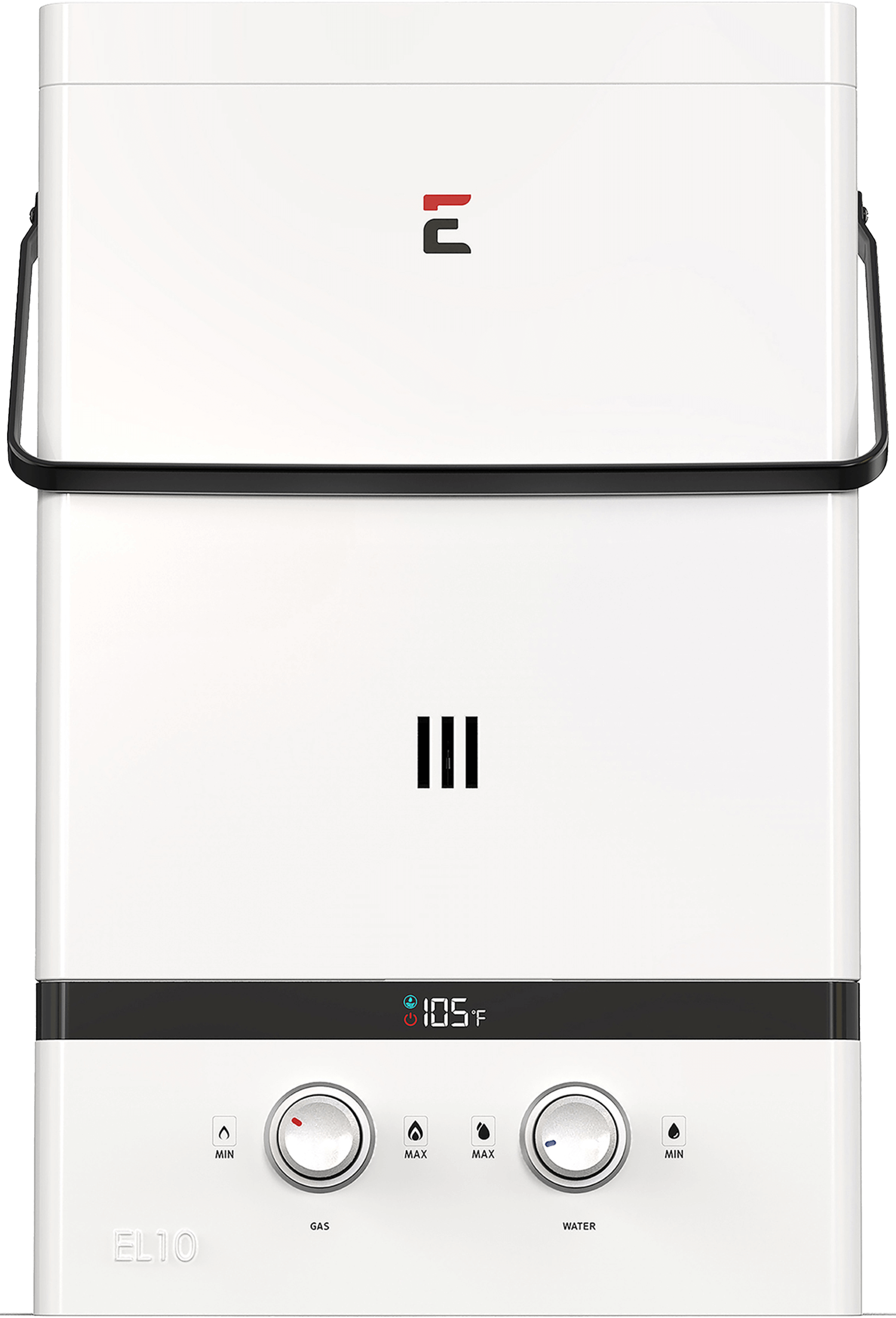
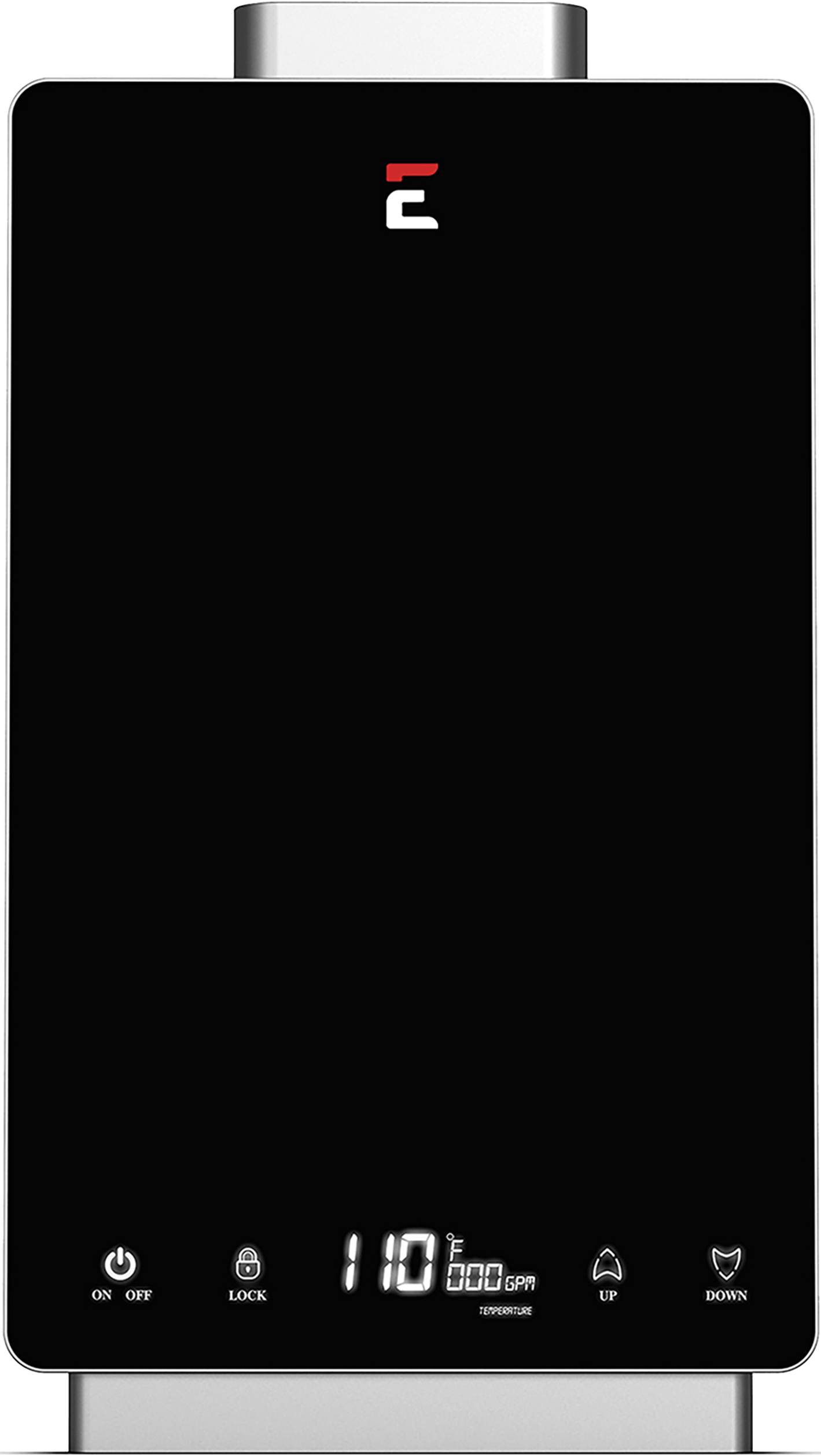
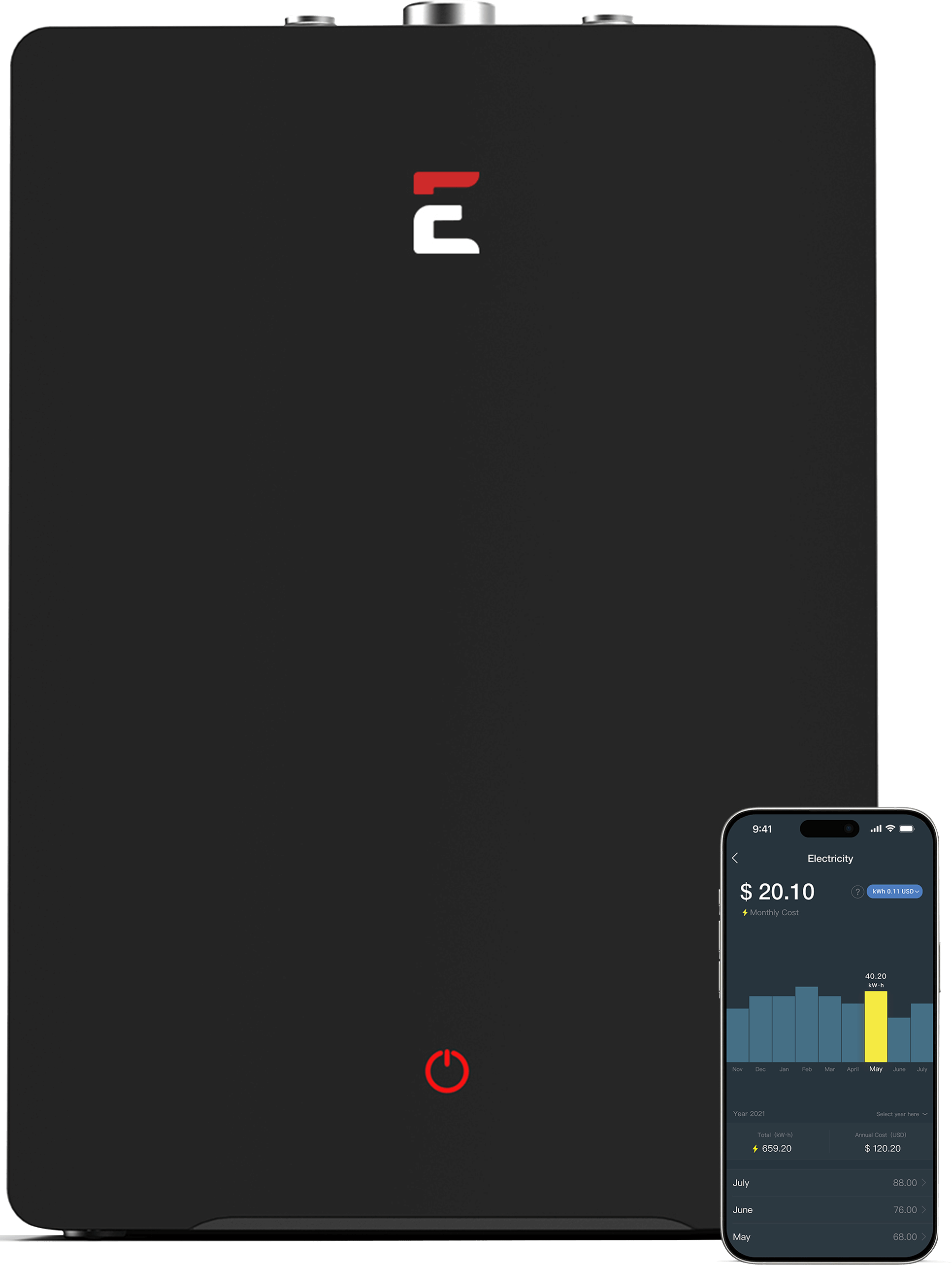
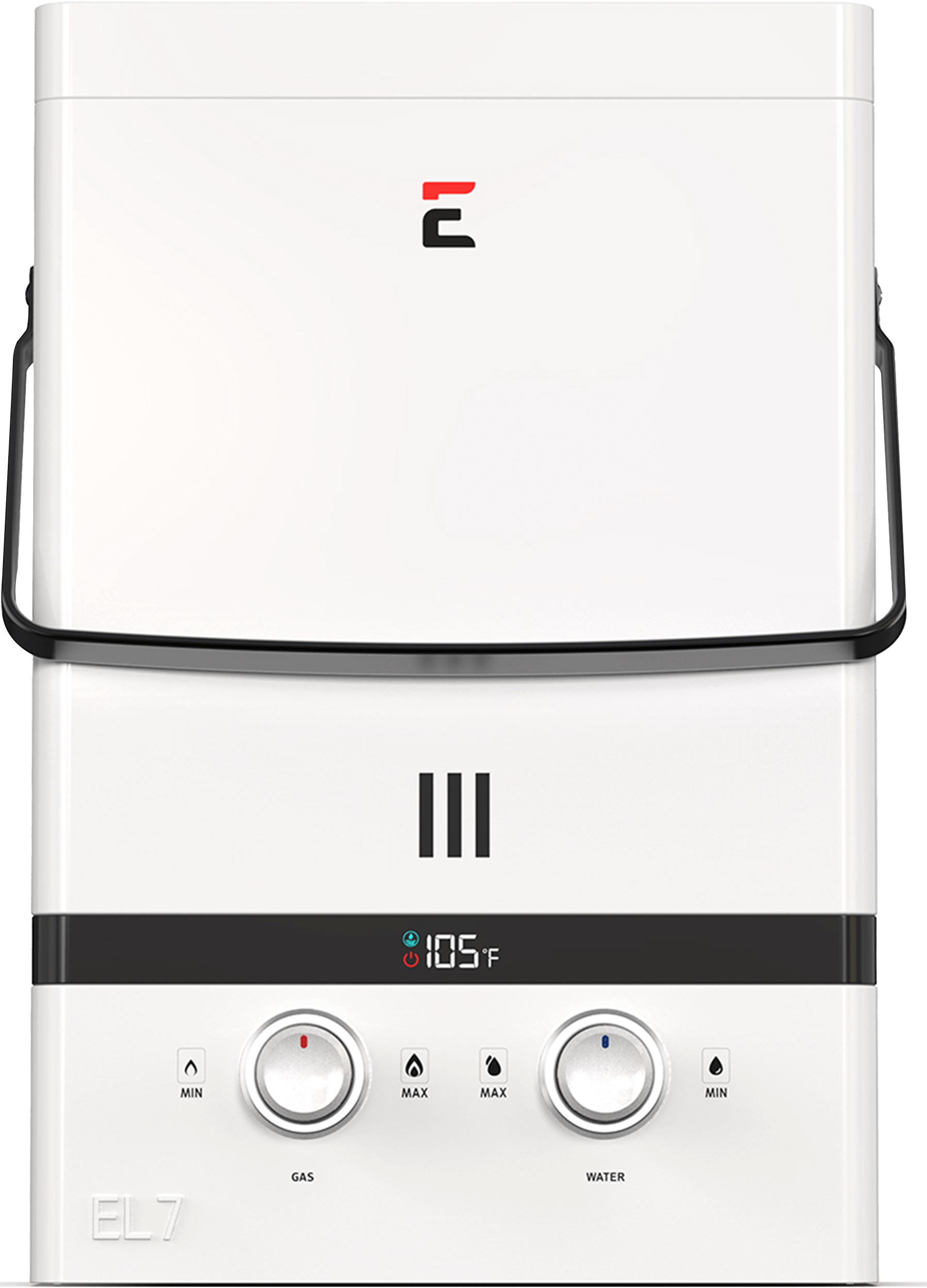
Eccotemp has long been recognized as a leader in energy-efficient tankless water heating solutions. Many Eccotemp models meet the DOE’s 2026 efficiency standards and qualify for both federal tax credits and state rebates. For example, the Eccotemp L5 and L10 tankless propane water heaters offer high energy factors, compact design, and on-demand hot water performance, making them eligible for various incentives. Similarly, electric tankless models in the Eccotemp SMARTHOME series are engineered to comply with DOE efficiency standards, ensuring that homeowners can benefit from federal credits while enjoying smart features such as Wi-Fi connectivity and voice assistant integration.
Selecting an Eccotemp model that qualifies for incentives requires attention to the product’s energy factor, fuel type, and certification status. Most qualifying water heaters are clearly labeled for rebate and tax credit eligibility, and retailers often provide documentation to support the claim during tax filing. Keeping receipts and installation records is essential, as these are usually required when claiming both federal tax credits and local rebates.
How to Claim Water Heater Tax Credits in 2026
Claiming the water heater tax credit 2026 involves several steps, starting with confirming that your water heater meets DOE efficiency requirements. Once you have installed a qualifying water heater, you should obtain the manufacturer’s certification or EnergyGuide label, which typically provides the information needed to support your tax credit claim.
When filing taxes, the IRS requires taxpayers to complete Form 5695, “Residential Energy Credits,” which calculates the total amount of energy-efficient credits available for the year. Homeowners must enter the cost of the qualifying water heater, including installation, to determine the eligible credit. It is important to note that only purchases made within the tax year can be claimed, so timing your installation early in 2026 ensures that you can take advantage of the full benefit on your upcoming tax return.
In some cases, homeowners may also need to provide documentation of installation, particularly if the model was installed by a licensed contractor. Maintaining thorough records, including receipts, energy certification, and contractor invoices, is critical to avoid delays or disputes with the IRS. Tax software or a professional accountant familiar with energy-efficient credits can simplify this process, ensuring accurate reporting and maximizing the credit amount.
Combining Incentives for Maximum Savings
Homeowners can often combine federal tax credits, state rebates, and utility incentives to maximize savings on energy-efficient water heaters. This combination approach is especially powerful when upgrading to a high-efficiency tankless water heater. For example, a household in New York installing a qualifying Eccotemp propane tankless heater could receive a federal tax credit of $300, a state rebate of $200, and a utility rebate of $150, effectively reducing the total cost of purchase and installation by $650 or more.
The key to maximizing these savings lies in careful planning and research. Homeowners should check both federal and local incentive databases to identify all available programs before making a purchase. Coordination with the retailer or installer is also helpful, as many companies are experienced in submitting rebate applications on behalf of customers. By stacking incentives strategically, homeowners can significantly lower their upfront investment and enjoy years of reduced energy bills.
The Long-Term Benefits of Energy-Efficient Water Heaters
Beyond immediate savings from tax credits and rebates, upgrading to an energy-efficient water heater offers long-term financial and environmental benefits. Tankless water heaters, in particular, provide on-demand hot water, eliminating standby energy losses associated with traditional storage tanks. This efficiency translates into lower monthly utility bills and a reduced carbon footprint, aligning with broader goals of energy conservation and sustainability.
Over time, the combination of federal and local incentives, energy savings, and improved home value can make the decision to invest in a high-efficiency water heater extremely cost-effective. Homes with energy-efficient appliances are increasingly attractive to buyers, especially in regions where utility costs are high and environmental considerations are a priority. Choosing a water heater that qualifies for incentives not only delivers immediate financial benefits but also enhances the long-term appeal and efficiency of the home.
Tracking Changes in Incentives
It is important to stay informed about changes to federal and state incentive programs, as policies and eligibility criteria can evolve. For 2026, the DOE efficiency standards and IRA provisions are expected to drive higher adoption rates for energy-efficient water heaters, but individual state and utility programs may adjust rebate amounts or application requirements throughout the year.
Homeowners can track incentives through official government websites, such as the Database of State Incentives for Renewables & Efficiency (DSIRE), which provides comprehensive, up-to-date information on federal, state, and local programs. Retailers like Eccotemp also offer guidance on qualifying products and available rebates, helping homeowners make informed purchasing decisions that maximize financial benefits.
Planning Your Installation
Proper planning is essential to ensure that you qualify for both federal tax credits and local rebates. Timing, product selection, and professional installation all play critical roles. Installing a water heater that does not meet DOE efficiency standards, or failing to maintain proper documentation, can result in missed opportunities for incentives. Homeowners should confirm eligibility before purchasing, choose certified models, and coordinate with licensed installers who understand the requirements for energy-efficient incentive programs.
Professional installation not only ensures that the water heater operates safely and efficiently but also provides the documentation needed to claim federal tax credits and utility rebates. Many installers are familiar with the necessary forms and can provide guidance on record-keeping and compliance, reducing the administrative burden for homeowners while maximizing financial benefits.
Why 2026 Is the Ideal Year to Upgrade
The combination of new DOE efficiency standards, IRA incentives, and widespread state rebates makes 2026 an ideal year to upgrade to an energy-efficient water heater. With utility rates continuing to rise, households that install high-efficiency water heaters now can benefit from lower energy bills, tax savings, and increased property value. Tankless water heaters, in particular, offer the dual advantage of efficiency and convenience, providing endless hot water while qualifying for significant financial incentives.
By taking advantage of these programs early in 2026, homeowners position themselves to capture maximum savings while contributing to broader environmental goals. Planning your upgrade this year ensures that you can benefit from the latest incentives, avoid potential policy changes, and enjoy the long-term advantages of an energy-efficient water heating system.
Conclusion
Understanding the water heater tax credit 2026 and related rebates is essential for homeowners looking to invest in energy-efficient water heating solutions. With DOE efficiency standards taking effect, federal tax credits, state rebates, and utility incentives provide a unique opportunity to reduce the upfront cost of high-performance tankless and storage water heaters. Eccotemp models, known for their efficiency and innovation, meet the requirements for many of these programs, making them an excellent choice for homeowners seeking to maximize savings.
Proper planning, careful selection of qualifying products, and thorough documentation are key to successfully claiming federal tax credits and state rebates. By combining these incentives, homeowners can significantly lower installation costs, reduce energy consumption, and enjoy the long-term benefits of a modern, energy-efficient water heating system. 2026 presents a particularly favorable window for these upgrades, making it the perfect year to invest in a tankless or high-efficiency water heater and reap both immediate and long-lasting rewards.
FAQ: Federal Tax Credits & Rebates for Energy-Efficient Water Heaters
What is the water heater tax credit for 2026?
The water heater tax credit 2026 is a federal incentive that allows homeowners to reduce their federal income tax liability by installing qualifying energy-efficient water heaters. Tankless and certain electric storage water heaters that meet the DOE 2026 efficiency standards are eligible for this credit.
How much is the federal tax credit for water heaters in 2026?
The credit amount depends on the type of water heater and its efficiency rating. Tankless gas water heaters that meet DOE requirements can qualify for up to $300, while high-efficiency electric models may offer slightly lower credits. The credit is non-refundable, meaning it can reduce your tax liability to zero but won’t generate a refund beyond what you owe.
Which Eccotemp water heaters qualify for federal tax credits?
Many Eccotemp tankless and electric water heaters meet the DOE 2026 efficiency standards, including popular models such as the L5, L10, and SMARTHOME series. These water heaters are designed to provide on-demand hot water while qualifying for federal tax credits and potential state rebates.
Can I combine federal tax credits with state rebates?
Yes. Homeowners can often combine federal tax credits, state incentives, and utility rebates to maximize savings. This combination can significantly reduce the overall cost of purchasing and installing a high-efficiency water heater.
How do I claim the 2026 water heater tax credit?
To claim the tax credit, ensure your water heater meets DOE efficiency requirements and retain the manufacturer’s certification or EnergyGuide label. When filing taxes, complete IRS Form 5695, “Residential Energy Credits,” and include the cost of the qualifying water heater and installation. Keep all receipts and installation documentation for your records.
Do all states offer rebates for energy-efficient water heaters?
Not all states provide rebates, and amounts vary depending on the state and utility programs. States such as California, New York, and Massachusetts often have rebate programs ranging from $100 to $500. Homeowners should check their local utility and state energy office websites to confirm eligibility.
Do I need professional installation to qualify for rebates or tax credits?
Some rebate programs and tax credits require professional installation, while others do not. Professional installation ensures compliance with local codes, proper operation, and documentation necessary for claiming incentives. It is recommended to hire a licensed installer to simplify the process.
Are tankless water heaters more cost-effective in the long run?
Yes. Tankless water heaters provide hot water on demand, eliminating standby energy losses associated with traditional storage tanks. This efficiency results in lower utility bills, reduced energy consumption, and long-term savings, especially when combined with federal and state incentives.
Where can I find up-to-date information on rebates and tax credits?
Homeowners can visit the Database of State Incentives for Renewables & Efficiency (DSIRE) for the most current federal, state, and local incentives. Retailers like Eccotemp also provide guidance on qualifying products and available rebate programs.
Why is 2026 an ideal year to upgrade my water heater?
With the DOE 2026 efficiency standards in effect and the continued support of IRA incentives, 2026 offers a unique opportunity to maximize savings through federal tax credits, state rebates, and utility programs. Upgrading this year ensures homeowners capture the full benefits of these incentives while reducing long-term energy costs.