 Weekly Deals
 Water Heaters
 Accessories
 Installation
 Parts
Parts
 Protection Plans
 Final Sale


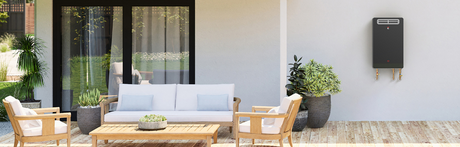


Best Tankless Water Heaters for Whole Homes and Tiny Living
Updated August 2026 – This guide was refreshed with current model comparisons and clearer advice on flow rate, temperature rise, fuel type, electrical capacity, installation type, and choosing the right tankless water heater for whole homes or smaller spaces.
The best tankless water heater is the model that can meet your busiest hot-water period at the required temperature rise. A large house may need a high-output gas system, while an apartment, cabin, or tiny home may be better served by a compact 4.0 GPM model. Fuel availability, electrical capacity, installation location, and climate also affect the decision. In this guide, we’ll compare current Eccotemp options for whole homes, smaller residences, and compact living spaces.
Key Takeaways
- Choose capacity based on simultaneous hot-water demand, not square footage alone.
- A listed maximum GPM rating applies at a specific temperature rise.
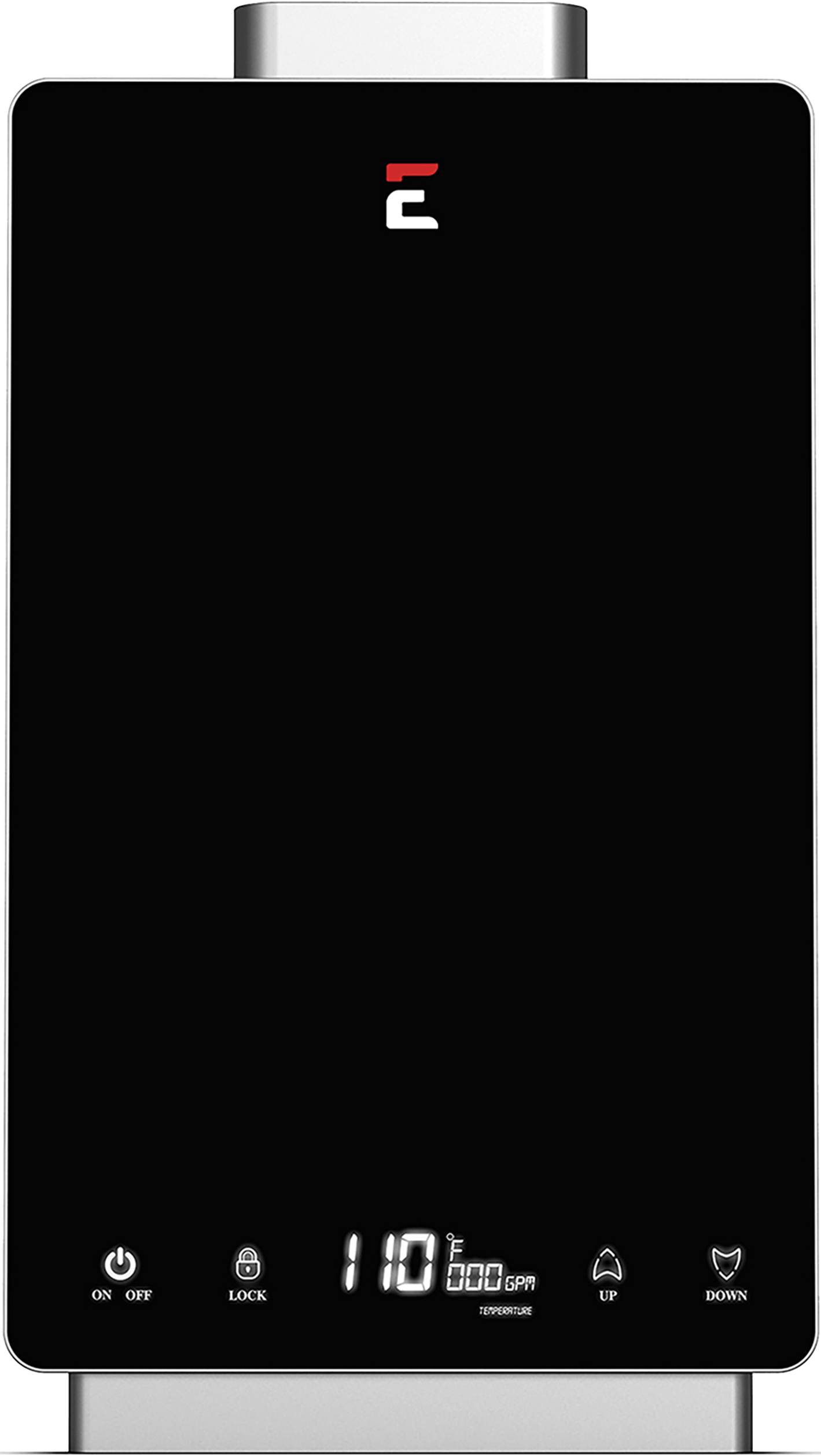
- The SH22 Series suits higher whole-home demand and includes smart controls.
- The Builder Series 6.8 GPM provides a straightforward whole-home gas option.
- The SH12-A Series is designed for lower-demand homes and compact living.
- Electric models must match the property’s available electrical capacity.
Quick Comparison of Eccotemp Tankless Water Heaters
|
Application |
Eccotemp option |
Energy source |
Published capacity |
Best fit |
|
Standard or higher-demand home |
SH22 Series |
Natural gas or liquid propane |
6.8 GPM at a 35°F temperature rise |
Three to four simultaneous applications |
|
Standard home |
Builder Series 6.8 GPM |
Natural gas or liquid propane |
6.8 GPM at a 38°F temperature rise |
Whole-home performance without smart controls |
|
Smaller home, apartment, condo, cabin, or tiny home |
SH12-A Series |
Natural gas or liquid propane |
4.0 GPM at a 35°F temperature rise |
One to two simultaneous applications |
|
Electrically powered home or compact space |
SHiE-27 |
Electric |
Up to 4.5 GPM, depending on temperature rise and power setting |
Properties with suitable electrical capacity |
These ratings should be used as starting points rather than universal output promises. Incoming water temperature, desired outlet temperature, available energy, water pressure, and simultaneous demand affect actual performance.
How to Choose the Best Tankless Water Heater
Start by listing the fixtures and appliances that may require hot water at the same time. Add their flow rates to estimate peak demand in gallons per minute. Then calculate temperature rise by subtracting the incoming water temperature from the desired outlet temperature.
For example, a shower using 1.8 GPM and a kitchen faucet using 1.2 GPM create approximately 3.0 GPM of simultaneous demand. If the incoming water is 50°F and the target temperature is 110°F, the heater must support that flow at a 60°F rise. Compare this requirement with the applicable model performance chart, not only its headline GPM rating.
Compare Simultaneous Hot-Water Demand
Household size can provide context, but it does not reveal exactly how hot water is used. Two households with four people may have very different peak demand. One may use a single shower at a time, while another regularly runs two showers and an appliance together.
Use realistic combinations rather than adding every fixture in the building. The objective is to identify the busiest period the water heater will normally need to support.
Account for Temperature Rise
Temperature rise is the difference between incoming cold water and the desired hot-water temperature. Colder incoming water requires the heater to add more heat. As the required rise increases, the available flow generally decreases.
A unit advertised at 4.0 or 6.8 GPM will not necessarily produce that flow under every condition. Use the manufacturer’s performance information for the expected inlet temperature and target outlet temperature.
Match the Available Energy Source
Gas models require the correct natural gas or propane supply, model-approved venting for indoor installations, combustion air, and suitable clearances. Electric tankless models avoid combustion venting but can place a substantial load on the electrical system.
A qualified installer should confirm the property’s gas capacity, electrical service, wiring, breaker space, plumbing, venting, and local code requirements before a model is purchased.
Choose the Correct Installation Type
Indoor and outdoor models are designed for different environments. An indoor gas water heater requires the venting specified in its manual. An outdoor model must be installed only where its documentation permits and where climate conditions can be managed.
Do not move a model between indoor and outdoor applications because the installation seems convenient. Product certification, combustion design, weather protection, clearances, and freeze precautions are model-specific.
Best Smart Tankless Water Heater for Whole-Home Demand: SH22 Series
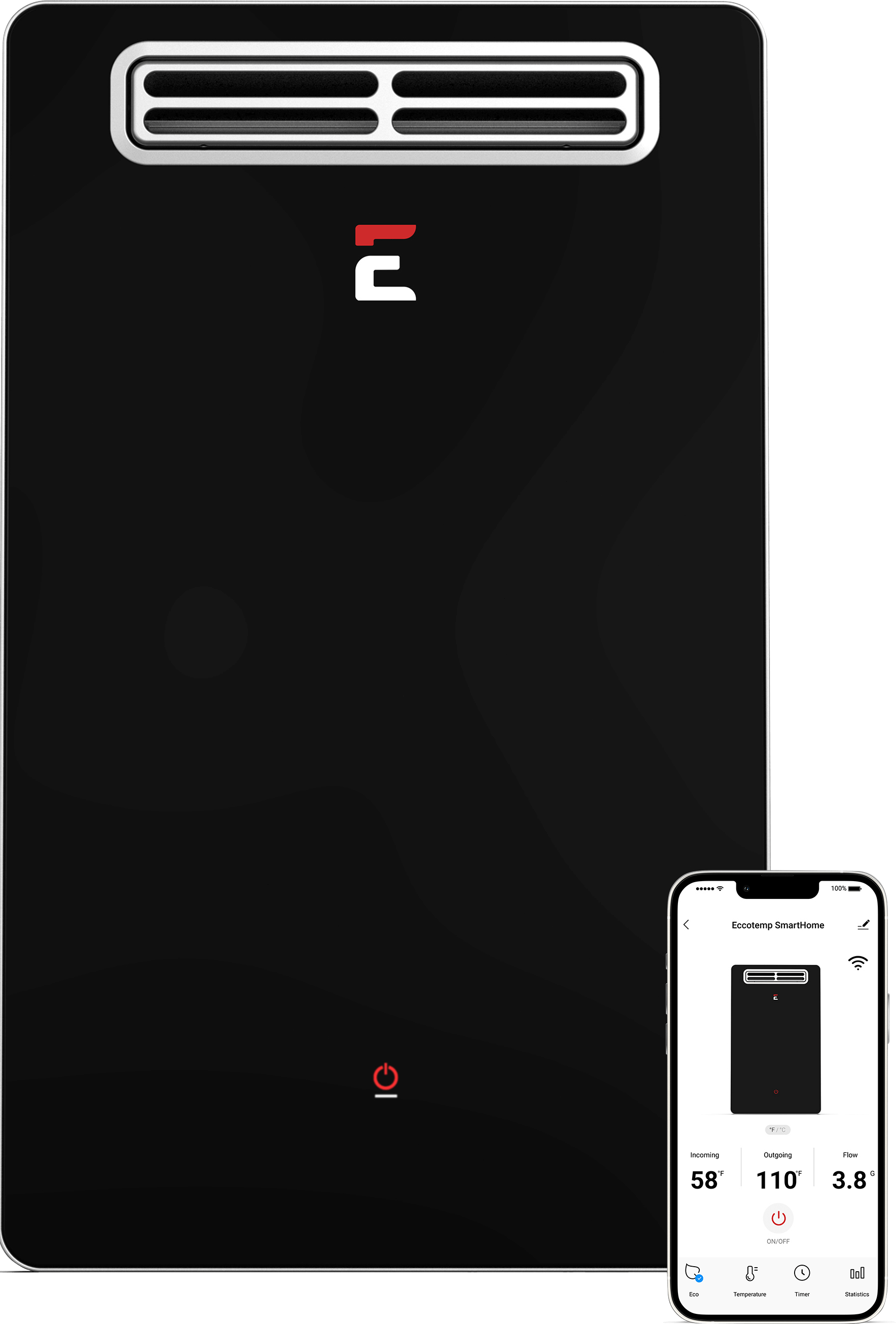
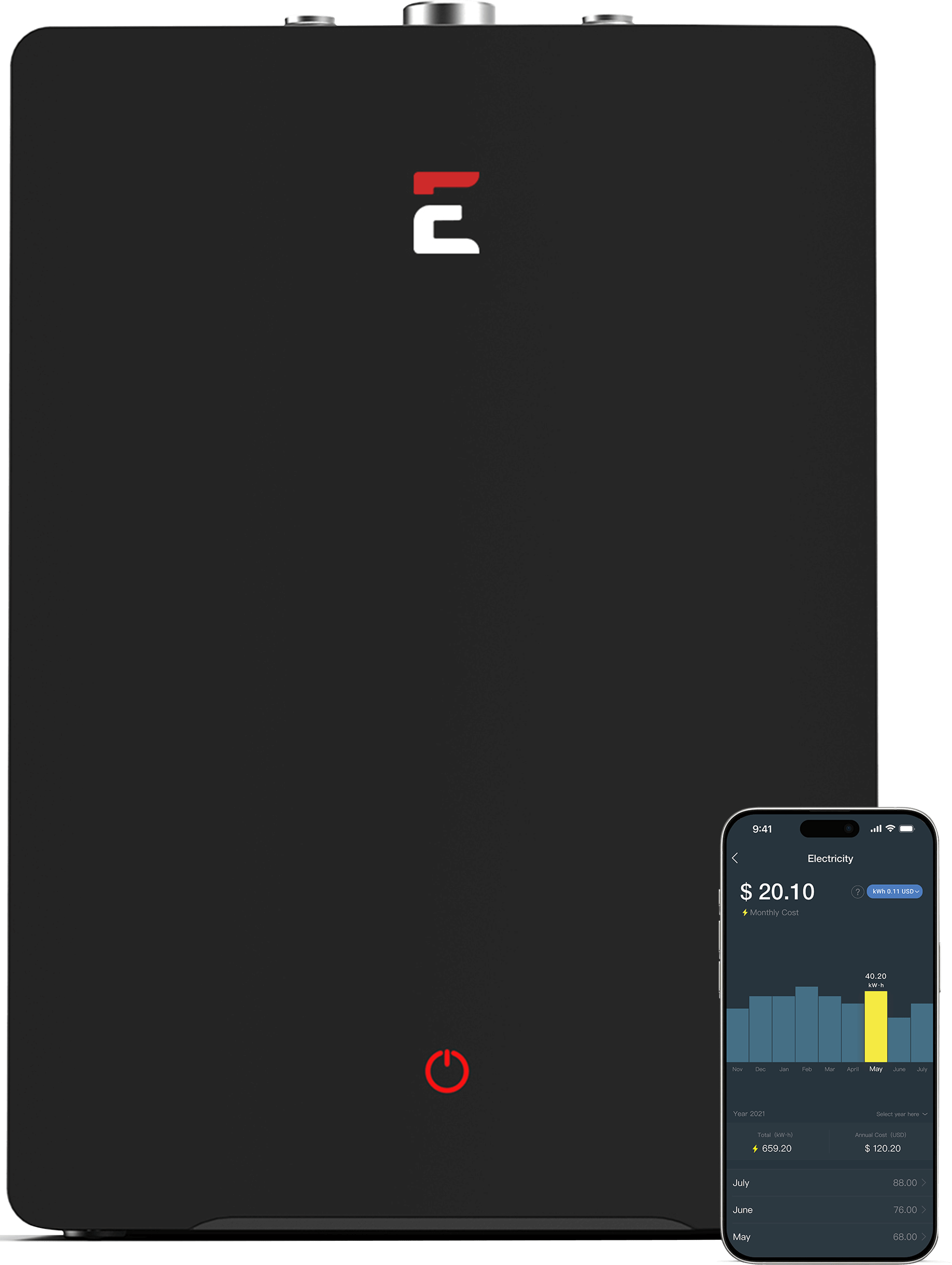
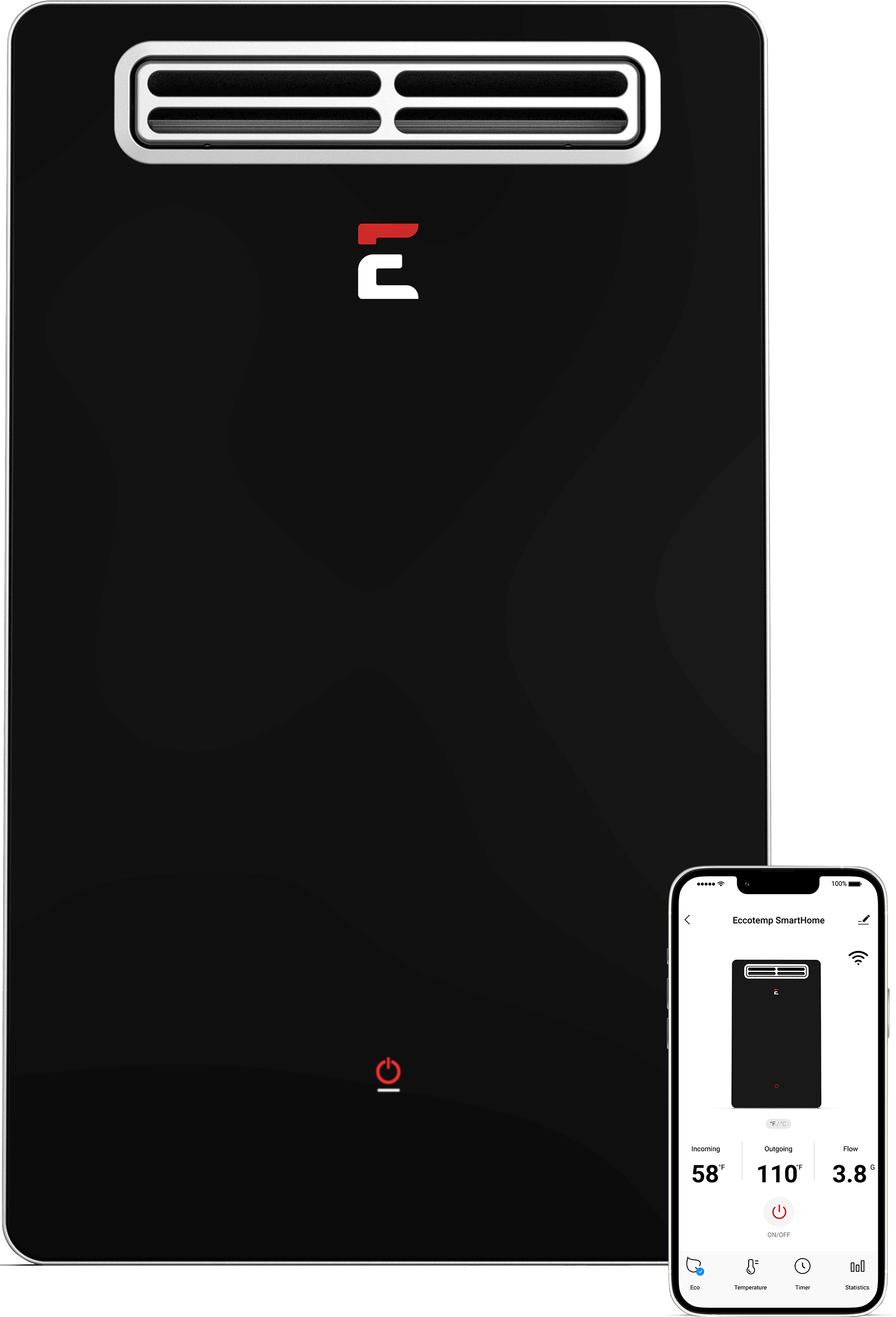
The Eccotemp SH22 Series is a current whole-home option for buyers who need higher output and want connected controls. The outdoor model is rated at 6.8 GPM at a 35°F temperature rise and 140,000 British thermal units (BTU) per hour. Eccotemp rates it for three to four simultaneous applications.
The SH22 is available in natural gas and liquid propane versions, with indoor and outdoor configurations. Model-specific availability should be confirmed before ordering.
Why Choose the SH22 Series?
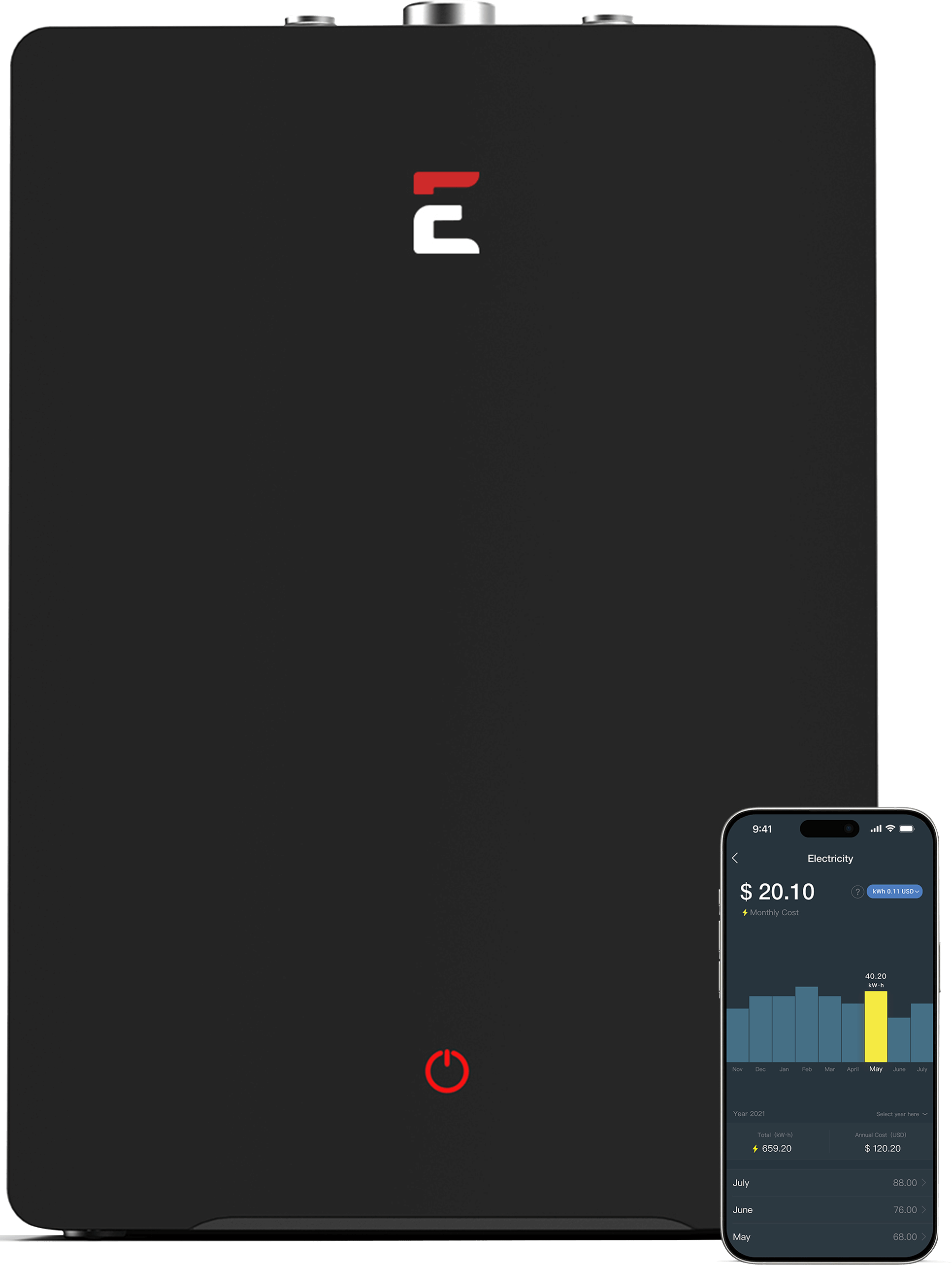
The Eccotemp Smart App can adjust temperature, create schedules, monitor reported usage, and display product or network errors. The series also supports compatible Amazon Alexa and Google Home voice commands.
These controls make the SH22 useful for buyers who value remote access. They do not replace correct sizing, professional installation, or routine maintenance.
Important SH22 Limitations
The SH22 product documentation states that professional installation is required. Eccotemp also specifies that the series is not intended for hydronic systems, recirculating systems, or floor heating.
Its 6.8 GPM rating is tied to a 35°F temperature rise. Buyers in colder climates should check the performance information for their required rise before assuming the model will support every desired fixture combination.
Best Straightforward Whole-Home Gas Option: Builder Series 6.8 GPM
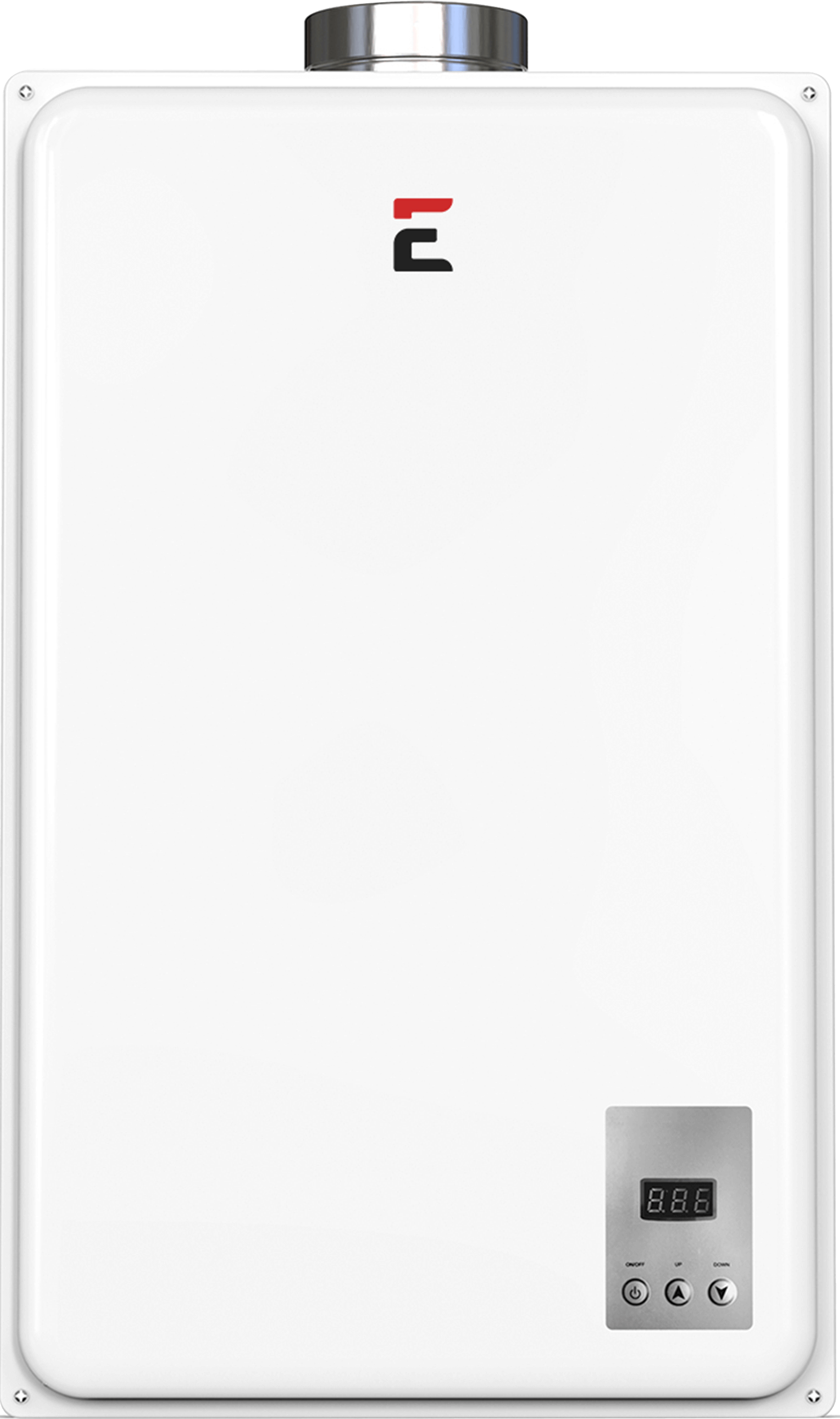
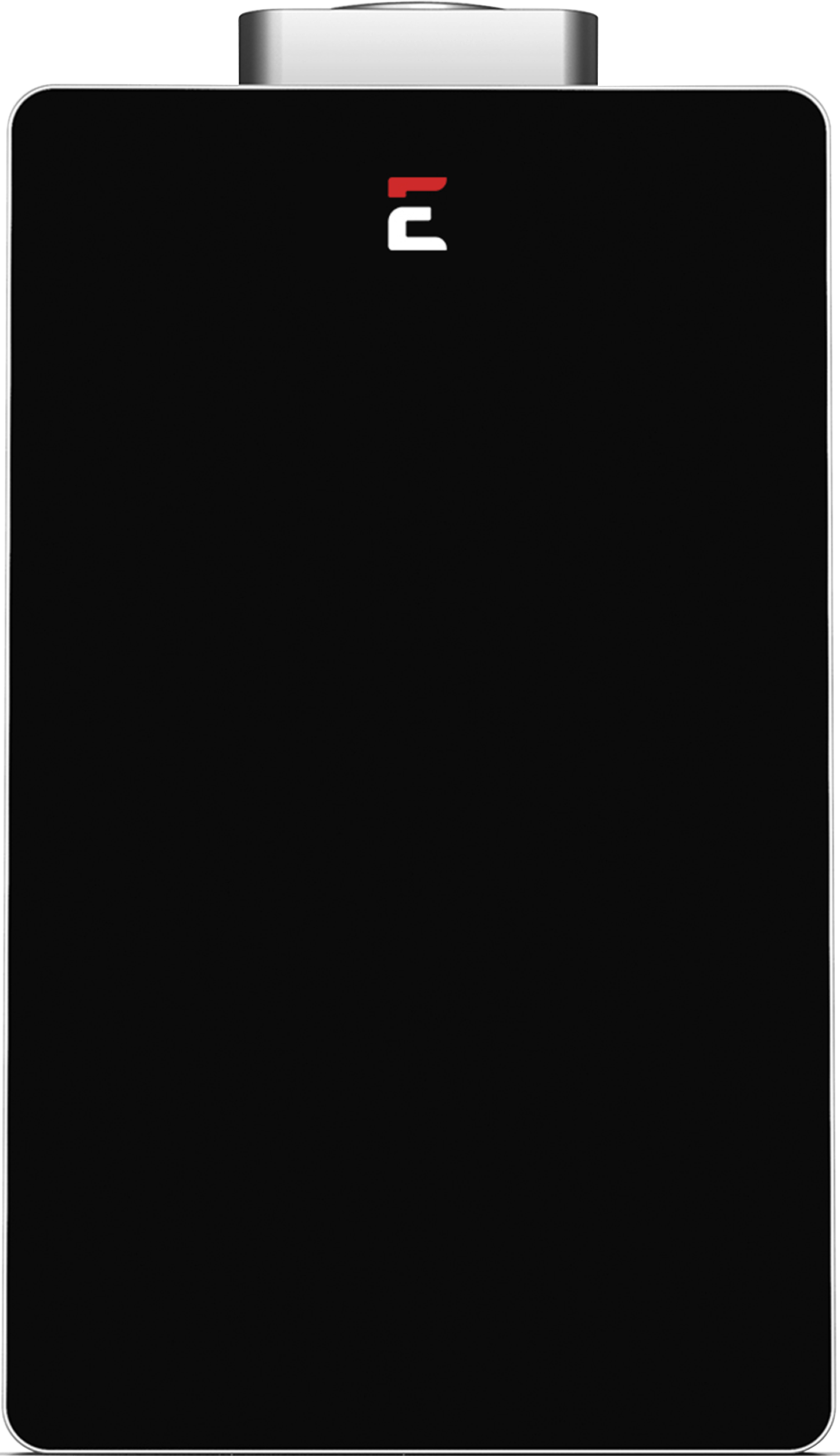
The Builder Series 6.8 GPM Indoor Tankless Water Heater is designed for buyers who need whole-home gas performance without making app controls the main priority. The indoor natural gas model is rated at 6.8 GPM at a 38°F temperature rise and 140,000 BTU per hour.
Eccotemp rates the model for three to four simultaneous applications. Natural gas, propane, indoor, and outdoor options allow buyers to select the configuration that matches the property and approved installation location.
Why Choose the Builder Series?
The Builder Series retains the compact, wall-mounted advantage of a tankless system while concentrating on conventional controls and whole-home output. It can suit a standard single-family home, apartment, condo, cabin, or similar property when its performance matches the calculated demand.
The indoor model requires the approved venting described in its manual. Professional installation is required.
When a Higher GPM Rating Is Not Enough
A higher listed capacity does not automatically make this the correct model. A small household with low peak demand may not need it. A larger household in a cold climate may require a detailed performance review even when the listed capacity appears sufficient.
Compare the required flow and temperature rise first. Fuel supply, installation cost, venting, and available space should then decide between otherwise suitable models.
Best Gas Tankless Water Heater for Smaller Homes: SH12-A Series
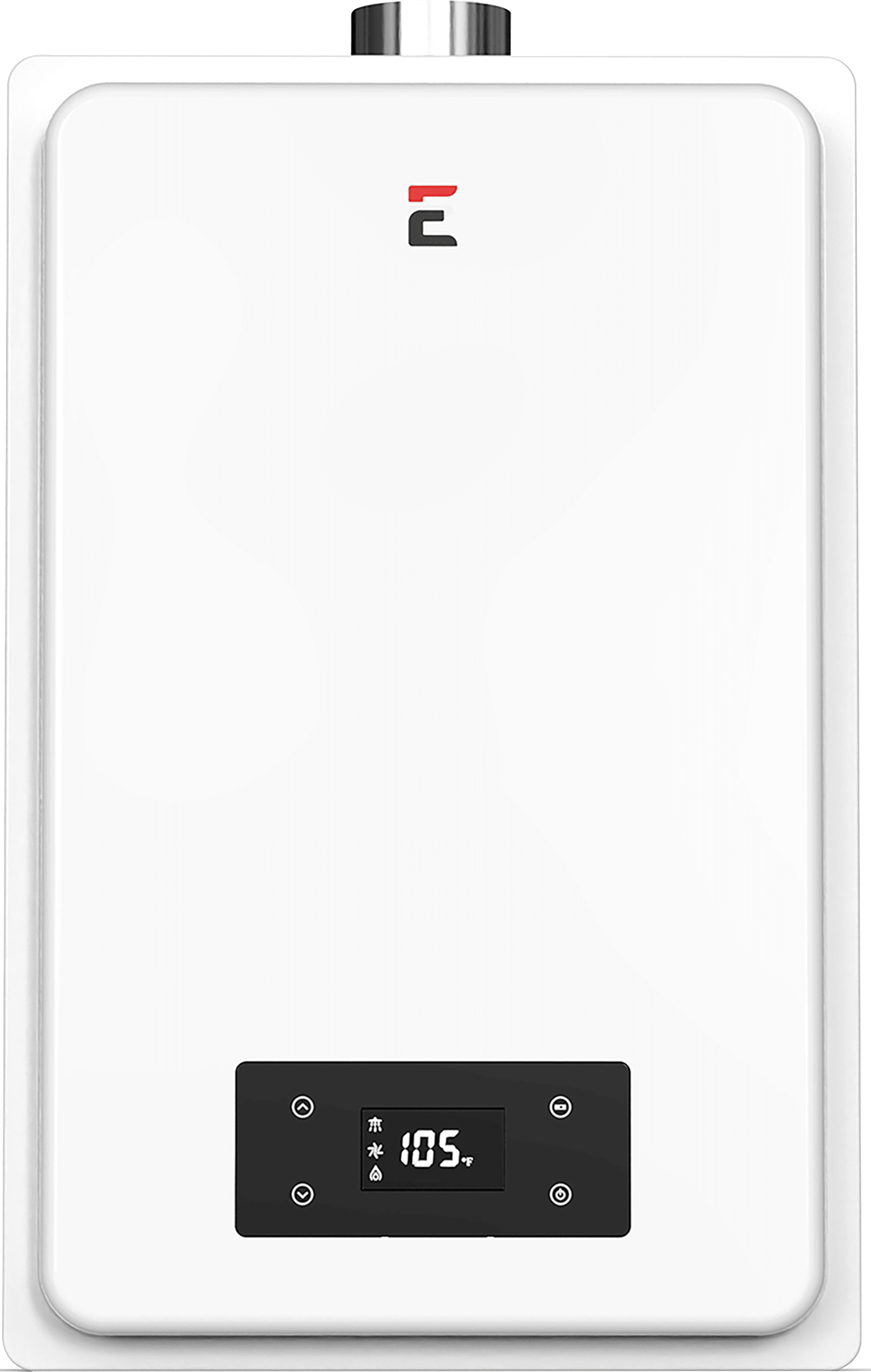
The Eccotemp SH12-A Series is designed for smaller single-family homes, townhomes, condos, apartments, cabins, and similar lower-demand applications. It is rated at 4.0 GPM at a 35°F temperature rise and 80,000 BTU per hour.
Eccotemp rates the series for one to two simultaneous applications. It is available in natural gas and liquid propane configurations and includes Eccotemp Smart App and compatible voice-control features.
Is the SH12-A Suitable for a Tiny Home?
It may suit a permanently installed tiny home when the calculated demand, required temperature rise, fuel supply, and installation location match the model. Tiny-home square footage alone does not determine capacity.
A full-time tiny home with a shower, kitchen faucet, and washing machine may create more peak demand than expected.
When the SH12-A May Be Too Small
The SH12-A may not be appropriate if several high-flow fixtures must operate together or if cold incoming water creates a large temperature rise. In those conditions, actual flow may fall below the headline rating.
Do not compensate for an undersized heater by ignoring required temperature settings or installation specifications. Select a model whose performance chart supports the expected operating conditions.
Best Electric Option: SHiE-27 Smart Electric Tankless Water Heater
The Eccotemp SHiE-27 is an adjustable electric tankless model for properties where electricity is the preferred energy source. It can operate across adjustable power settings from 11 to 27 kilowatts and can deliver up to 4.5 GPM under qualifying conditions.
Its actual output depends heavily on the selected power setting, incoming water temperature, desired outlet temperature, and flow demand. The maximum published flow should not be treated as a guaranteed result in every climate.
Check Electrical Capacity Before Choosing Electric
At its highest setting, the SHiE-27 has significant electrical requirements. A licensed electrician should verify service capacity, breaker space, conductors, disconnect requirements, and applicable codes before installation.
Reducing the configured power can help the unit fit some electrical systems, but it also reduces the heat available to support higher flow rates or larger temperature rises. Electrical capacity and desired hot-water performance must be evaluated together.
Whole-Home, Compact, and Point-of-Use Are Different Applications
A whole-home heater supplies the property’s primary hot-water system. A compact whole-home model performs the same role at a lower capacity. A point-of-use heater serves a specific fixture or area, often near the place where hot water is needed.
“Compact” describes physical size, not necessarily application or heating capacity. Before searching for a compact tankless water heater, decide whether the unit must serve the entire property or only a specific location.
Final Checks Before Selecting a Model
Before ordering a tankless water heater, confirm:
- Peak simultaneous hot-water demand
- Expected incoming water temperature
- Desired outlet temperature
- Required temperature rise
- Model output at that temperature rise
- Natural gas, propane, or electrical capacity
- Indoor or outdoor installation approval
- Venting and combustion-air requirements
- Water pressure and plumbing compatibility
- Required service and maintenance access
- Local permit and code requirements
The best model is the one that satisfies all these conditions. Avoid choosing solely by household size, maximum GPM, price, or cabinet dimensions. A qualified professional should review the installation before regulated gas, electrical, plumbing, or venting work begins. Follow the manual supplied for the exact model and fuel type.
Frequently Asked Questions
What size tankless water heater is best for a whole house?
Add the flow rates of fixtures used simultaneously, then match that demand at the required temperature rise. Household size or bathroom count alone cannot determine capacity.
Can a 4.0 GPM tankless water heater supply a tiny home?
It can when its performance at the required temperature rise covers peak simultaneous demand. Verify fuel, electrical capacity, water pressure, installation location, and model documentation.
Is a gas or electric tankless water heater better for a small home?
The better option matches available utilities and demand. Gas often supports greater heating loads, while electric models require sufficient panel, breaker, wiring, and service capacity.