 Weekly Deals
 Water Heaters
 Accessories
 Installation
 Parts
Parts
 Protection Plans
 Final Sale





Smart Tankless Water Heaters: Features, Apps & Voice Control
In the modern era of home automation, smart tankless water heaters have emerged as a revolutionary solution for homeowners seeking both convenience and efficiency. Unlike traditional water heaters, which continuously store and heat water in a tank, smart tankless water heaters provide hot water on demand, integrating advanced technology that allows users to control, monitor, and optimize their water heating experience through smart app and voice commands. These water heaters combine cutting-edge hardware with software intelligence, offering energy efficiency, comfort, and seamless integration with smart home systems.
How Smart Tankless Water Heaters Work
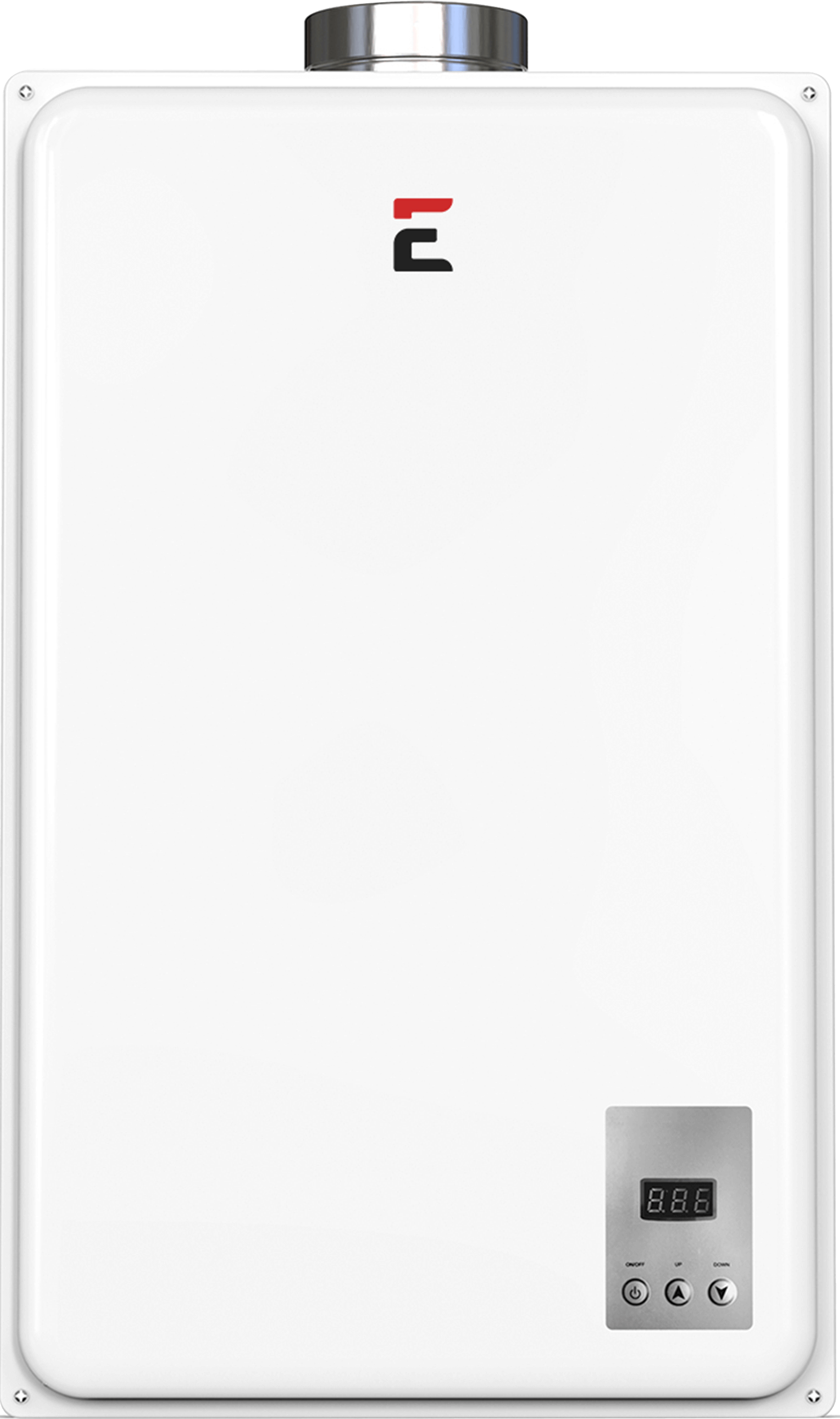
Smart tankless water heaters operate by rapidly heating water as it flows through a heat exchanger. When a faucet or shower is turned on, cold water enters the device, triggering sensors that initiate the heating process. Unlike conventional storage water heaters, which maintain a reservoir of hot water that can lead to energy wastage, smart tankless models deliver hot water precisely when needed. This design not only reduces standby energy loss but also provides an endless supply of hot water, making them ideal for busy households, multi-bathroom homes, and even smaller apartments where space efficiency is a priority.
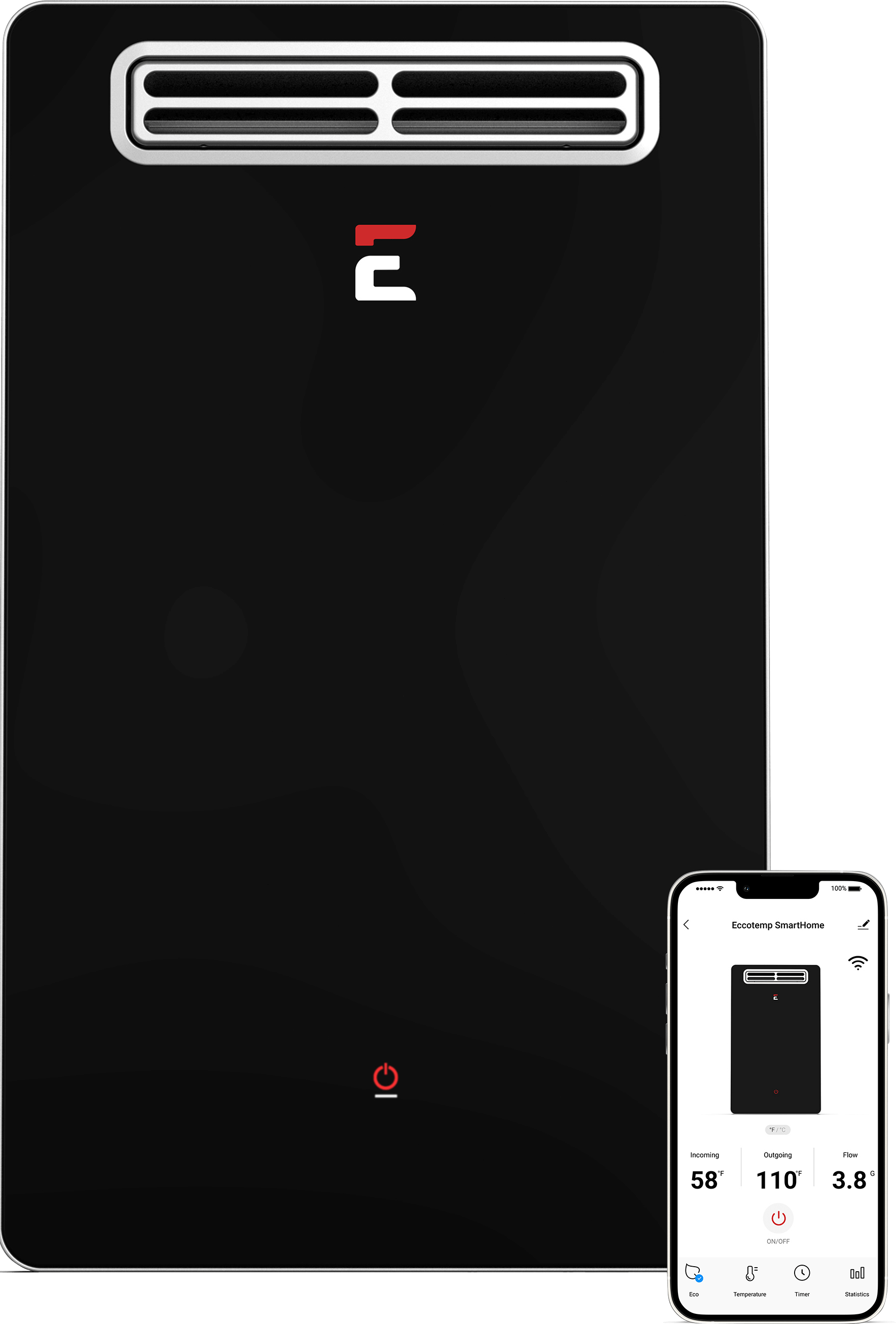
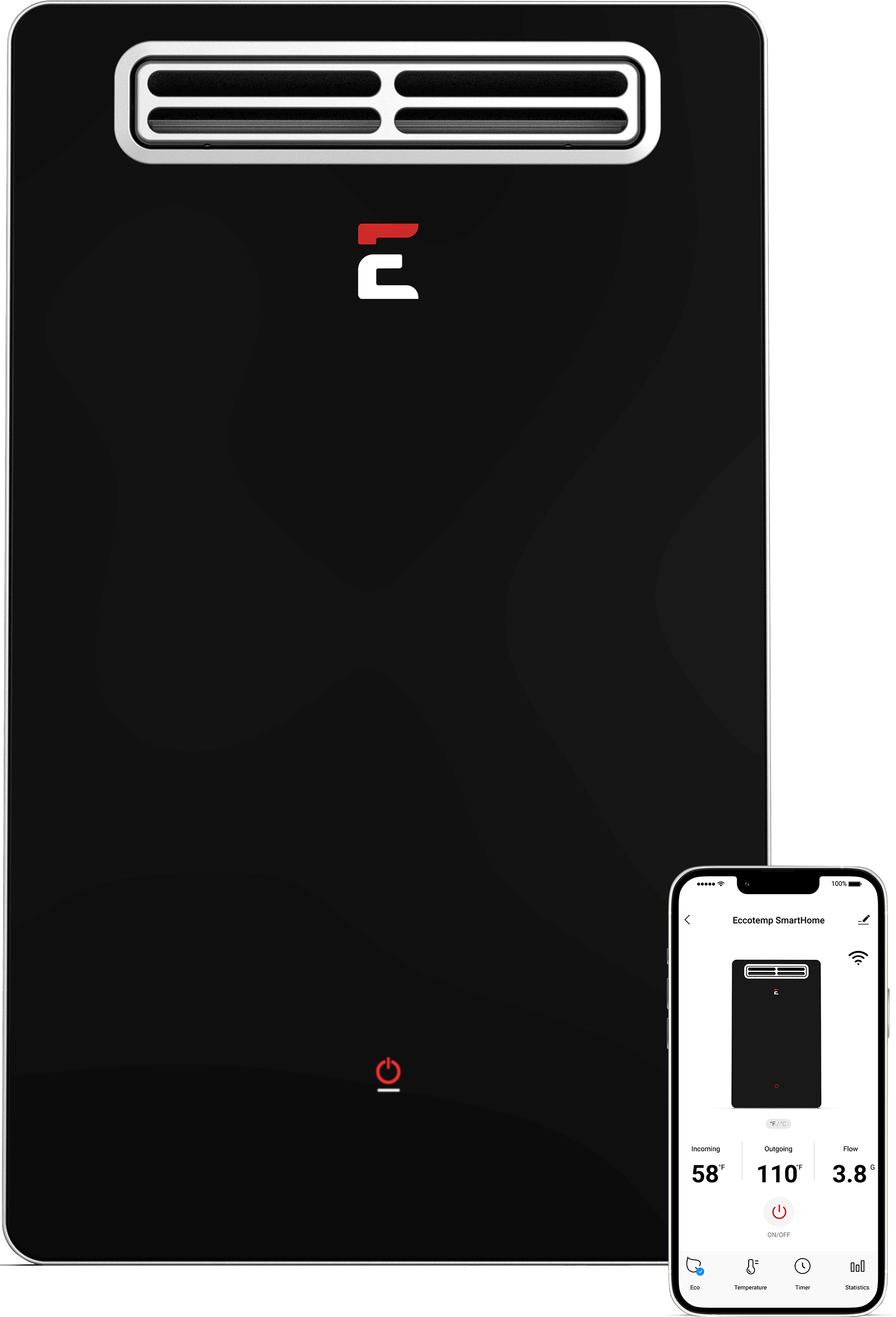
The “smart” component comes from the integration of WiFi connectivity and app-controlled features. Users can set desired water temperatures, schedule heating times, monitor water usage, and even receive maintenance alerts directly on their smartphone or tablet. This level of control allows homeowners to optimize energy consumption while ensuring a consistent supply of hot water, enhancing both comfort and sustainability.
Key Features of Smart Tankless Water Heaters
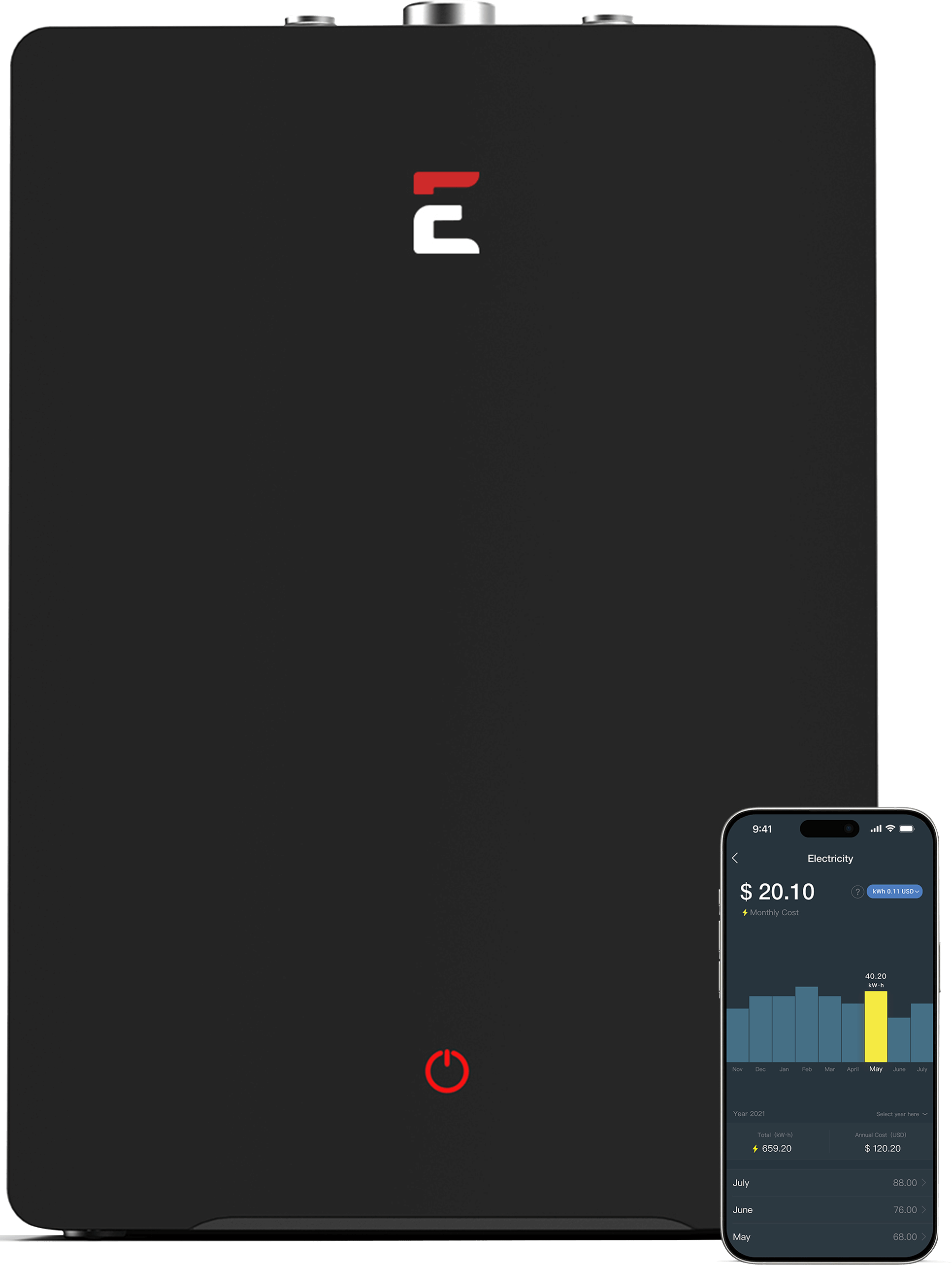
Smart tankless water heaters offer an array of features designed to improve convenience, efficiency, and control. One of the most popular features is WiFi connectivity, which allows homeowners to manage their water heater remotely. Through a dedicated mobile app, users can adjust temperature settings, turn the water heater on or off, and monitor real-time energy usage. This remote accessibility is especially useful for households that want to preheat water before returning home or ensure that the water heater is turned off while away, reducing unnecessary energy consumption.
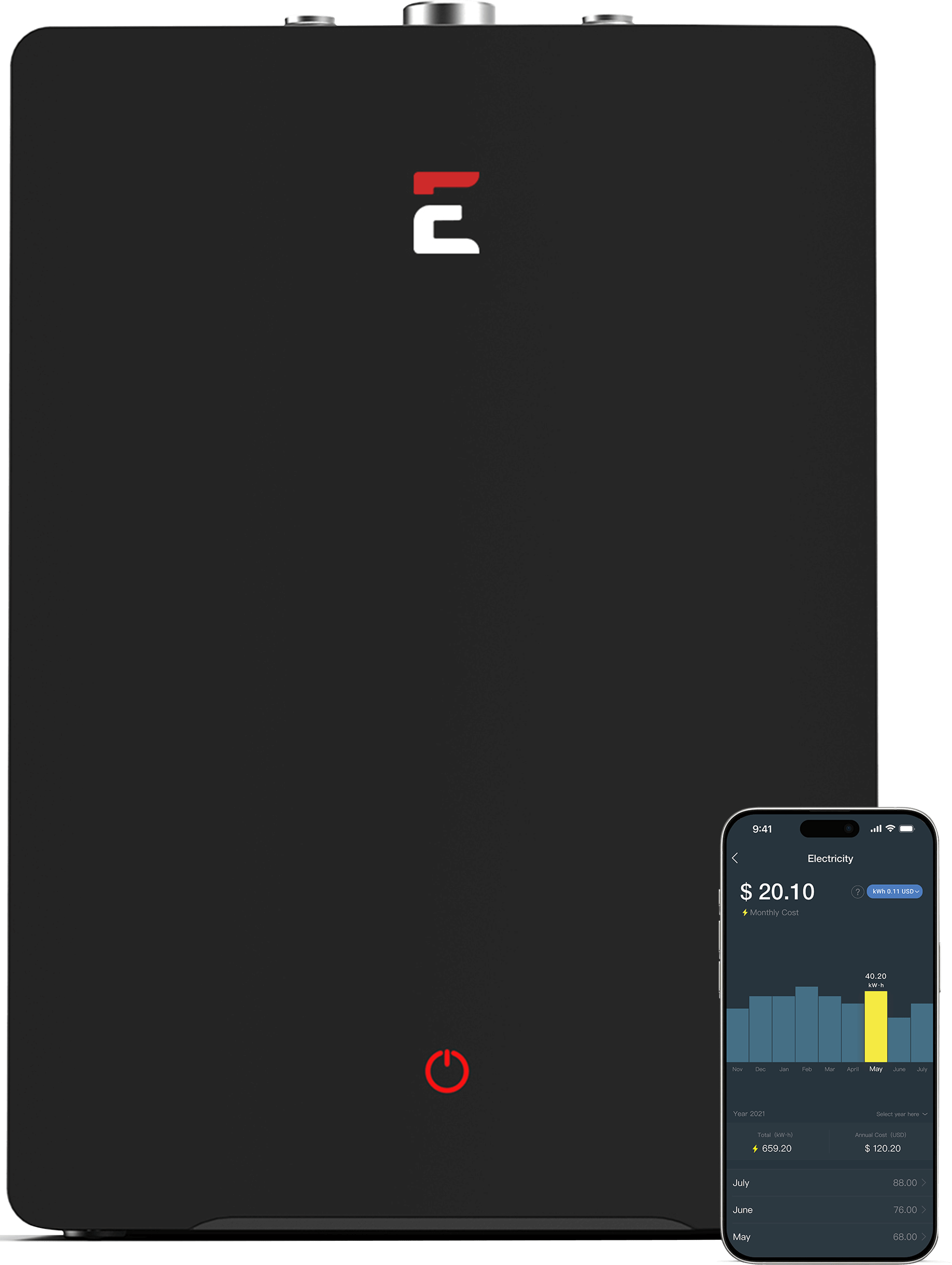
Many models also include energy monitoring tools that provide detailed insights into daily, weekly, and monthly water usage. These tools help users identify patterns, detect leaks, and make informed decisions about reducing water and energy waste. Smart tankless water heaters often offer temperature presets, which allow each family member to select their preferred shower or bath temperature with a simple touch or tap in the app. This eliminates the need for manual adjustments and improves overall user experience.
Another notable feature is scheduling. With smart tankless water heaters, it is possible to program when the device should operate, ensuring that hot water is available during peak usage times while minimizing energy use during periods of low demand. Scheduling can be particularly beneficial for households with predictable routines, such as mornings and evenings when showers are most frequent. Some models even allow vacation or away modes, reducing energy usage when the home is unoccupied.
Smart tankless water heaters are often designed with safety and efficiency in mind. They come equipped with sensors that monitor water flow, temperature, and pressure, automatically adjusting operation to prevent overheating or scalding. Certain models feature self-diagnosis capabilities, alerting users to potential issues before they escalate, which can help extend the lifespan of the water heater and reduce maintenance costs. Additionally, many devices include eco-friendly features, such as automatic shut-off during inactivity and precise temperature control, which collectively lower energy bills and environmental impact.
Mobile Apps for Smart Water Heater Control
The mobile app experience is central to the functionality of smart tankless water heaters. Apps typically provide an intuitive interface where users can access all the features of the water heater from anywhere in the world. Through the app, it is possible to adjust the water temperature with high precision, often within increments of one degree, ensuring personalized comfort for every family member. The apps also display usage history, energy consumption data, and performance statistics, helping homeowners track efficiency and identify opportunities to save on utility costs.
Some apps go beyond basic control and monitoring, incorporating predictive learning algorithms that adapt to user behavior. For instance, the water heater may learn when showers are typically taken or when laundry is usually run, optimizing heating cycles to ensure hot water is available without wasting energy. Notifications and alerts within the app can inform users of maintenance requirements, such as descaling or filter replacement, which is essential for maintaining peak performance and prolonging the lifespan of the water heater.
Advanced mobile apps for smart tankless water heaters also support multiple users, allowing each household member to create their own profile with preferred temperature settings and usage schedules. This feature ensures that everyone enjoys a consistent experience without the need for manual adjustments. Furthermore, some apps integrate with other smart home devices, such as thermostats or energy management systems, providing a unified platform for controlling various aspects of the home environment.
Voice Control Integration
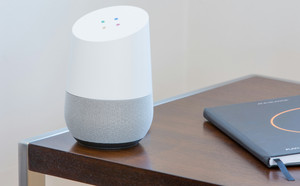
Voice control is another significant advancement in the world of smart tankless water heaters. By connecting the device to popular voice assistants such as Amazon Alexa, Google Assistant, homeowners can adjust settings, monitor usage, and perform operations using simple voice commands. This hands-free control adds convenience, especially in situations where manual interaction with the device is impractical, such as when hands are wet or occupied during cooking or bathing.
Voice control can also enhance safety and accessibility. For example, elderly users or individuals with limited mobility can operate the water heater easily, without having to navigate touchscreens or manual dials. Voice commands can be used to turn the water heater on or off, set specific temperatures, or inquire about energy usage and performance. Integration with broader smart home ecosystems allows for more sophisticated automation, such as adjusting water temperature when certain lights are turned on, or coordinating water heating with other appliances to optimize overall energy consumption.
Advantages of Smart Tankless Water Heaters
The benefits of smart tankless water heaters extend beyond convenience. Energy efficiency is one of the most compelling advantages, as these water heaters only heat water when it is needed. Traditional storage water heaters constantly maintain a reservoir of hot water, which leads to standby heat loss and higher utility bills. By eliminating unnecessary heating, smart tankless water heaters reduce energy consumption, resulting in lower monthly costs and a smaller environmental footprint.
Another advantage is space savings. Smart tankless water heaters are compact and often wall-mounted, freeing up valuable floor space that can be used for storage or other purposes. This makes them particularly suitable for apartments, tiny homes, or homes with limited utility space. In addition, the ability to control the water heater remotely provides peace of mind, as homeowners can ensure that the water heater is operating efficiently even when away from home.
The customization offered by smart tankless water heaters improves comfort and user satisfaction. With app-based controls, temperature presets, and voice commands, each household member can enjoy personalized water heating without compromise. Maintenance is also simplified through proactive alerts and self-diagnosis, reducing the risk of costly repairs and unexpected downtime. Furthermore, the combination of mobile and voice control enhances overall convenience, allowing the water heater to adapt seamlessly to the rhythms of daily life.
Choosing the Right Smart Tankless Water Heater
Selecting the right smart tankless water heater requires consideration of several factors, including household size, water usage patterns, energy efficiency, and integration with existing smart home systems. Homeowners should assess peak flow rates to ensure that the water heater can supply sufficient hot water for multiple simultaneous uses, such as showers, dishwashing, and laundry. It is also important to consider the availability of WiFi and compatibility with preferred mobile devices or voice assistants.
Energy efficiency ratings and features like eco-mode or scheduling should be evaluated, as these directly impact long-term cost savings and environmental impact. Homeowners may also consider models with advanced app features, including predictive learning, multi-user profiles, and usage analytics, to maximize convenience and customization. Safety features, such as temperature regulation, pressure monitoring, and leak detection, are essential for protecting both residents and property.
Finally, warranty and customer support are critical factors to consider when investing in a smart tankless water heater. Quality brands often offer comprehensive warranties and responsive customer service, ensuring that users have support in case of installation issues, technical problems, or routine maintenance needs.
Future Trends in Smart Water Heating
The future of smart water heating is poised to integrate even more advanced technology. Artificial intelligence and machine learning are likely to play a larger role, enabling water heaters to optimize energy consumption based on real-time data from weather forecasts, energy prices, and household activity. Integration with broader smart home ecosystems will deepen, allowing water heating to coordinate with lighting, HVAC systems, and renewable energy sources such as solar panels.
Sustainability will also be a central focus, with smart tankless water heaters incorporating features to further reduce water and energy waste. Materials and designs will evolve to maximize efficiency and durability while minimizing environmental impact. As connectivity and digital interfaces continue to improve, homeowners can expect even more intuitive control, predictive maintenance, and seamless integration into their daily lives.
Conclusion
Smart tankless water heaters represent a significant leap forward in home water heating technology. By combining on-demand hot water, advanced connectivity, mobile app control, and voice integration, these water heaters offer unmatched convenience, efficiency, and customization. Whether it is reducing energy consumption, saving space, or providing a personalized and comfortable water heating experience, smart tankless water heaters deliver tangible benefits that meet the demands of modern households. With continued innovation and integration into smart home ecosystems, these water heaters are not only a practical choice but also a forward-looking investment in energy efficiency, comfort, and convenience.
Frequently Asked Questions (FAQ)
What is a smart tankless water heater?
A smart tankless water heater heats water on demand while providing connectivity features that allow control through mobile apps and voice commands.
How do smart tankless water heaters save energy?
They only heat water when it is needed, eliminating standby energy loss that occurs with traditional storage water heaters, which helps lower utility bills.
Can I control a smart tankless water heater remotely?
Yes, most smart models come with WiFi connectivity and a dedicated mobile app that allows users to monitor and adjust settings from anywhere.
Are smart tankless water heaters compatible with voice assistants?
Yes, many models integrate with Amazon Alexa, Google Assistant, and Apple HomeKit, enabling hands-free operation and automation.
Do smart tankless water heaters require more maintenance?
Maintenance is simplified, as many models include self-diagnosis features and app alerts for service needs like descaling or filter replacement.
Is a smart tankless water heater suitable for large households?
Yes, as long as the model is selected based on peak flow rates to ensure sufficient hot water for multiple simultaneous uses.
Do smart tankless water heaters help reduce environmental impact?
Yes, they are more energy-efficient than traditional storage heaters, reduce water and energy waste, and often include eco-friendly features like scheduling and vacation modes.