 Weekly Deals
 Water Heaters
 Accessories
 Installation
 Parts
Parts
 Protection Plans
 Final Sale




How to Install a Tankless Gas Water Heater
Updated August 2026 – This guide was refreshed with clearer installation planning, sizing, gas supply, venting, permits, plumbing, commissioning, safety checks, and common mistakes to avoid.
Installing a tankless gas water heater involves more than mounting a unit and connecting water lines. The installer must verify the heater’s capacity, fuel type, gas supply, venting, combustion air, electrical requirements, drainage, clearances, and local code requirements. Because incorrect gas or venting work can create fire and carbon monoxide hazards, permanent gas tankless water heaters should be installed and commissioned by a qualified professional. This guide explains the process so you can plan the project, evaluate quotes, and understand what a complete installation should include.
Key Takeaways
- Match the heater to your peak hot-water demand and required temperature rise.
- Confirm that the model uses the available fuel type: natural gas or liquid propane.
- Gas supply, venting, electrical power, drainage, and clearances must match the model’s manual.
- Permanent gas tankless installation is normally a professional project, not a basic DIY replacement.
- Portable outdoor water heaters follow different setup and application rules.
- Final commissioning should include leak, combustion, venting, flow, and temperature checks.
Can You Install a Tankless Gas Water Heater Yourself?
A permanent tankless gas water heater should generally be installed by a qualified plumber or gas-appliance professional. The work may involve modifying a fuel line, installing a vent system, connecting electrical power, changing plumbing, adding drainage, and verifying combustion performance. Requirements vary by model and location. The installer must follow the current product manual, local building rules, fuel-gas requirements, plumbing requirements, and any applicable electrical codes. Permits and inspections may also be required.
Homeowners can still help with planning. You can identify your hot-water needs, gather utility information, confirm possible installation locations, download the correct manual, and request detailed quotes.
However, connecting or modifying gas piping, installing combustion venting, testing gas pressure, and commissioning the burner should be left to qualified professionals. If you smell gas during or after installation, leave the area and report the suspected leak from a safe location. Do not attempt to locate or repair it yourself.
Plan the Installation Before Choosing a Heater
Installation planning should begin before purchasing the water heater. A model that fits physically may still be unsuitable for the available fuel supply, vent path, climate, or household demand.
Calculate Peak Hot-Water Demand
Tankless capacity is commonly expressed in gallons per minute, or GPM. However, the advertised GPM alone does not tell you how much hot water the heater can provide in every home. Actual performance depends on:
- Incoming water temperature
- Desired outlet temperature
- Required temperature rise
- Number of fixtures operating together
- Individual fixture flow rates
- The heater’s performance at that temperature rise
For example, a colder incoming-water temperature requires the heater to produce a greater temperature rise. That can reduce the flow rate available at the selected outlet temperature. Use the model’s performance information rather than choosing by maximum GPM alone.
Confirm the Correct Fuel Type
Gas tankless water heaters are manufactured for a specific fuel, normally natural gas or liquid propane. Confirm the fuel designation on the product page, packaging, data plate, and manual before installation.
Do not assume a natural gas model can be connected to propane, or the reverse. Fuel conversion should never be attempted unless the manufacturer provides an approved conversion procedure for that exact model and the work is completed by a qualified professional.
Read the Model-Specific Manual
The installation manual controls model-specific requirements such as:
- Approved indoor or outdoor use
- Required clearances
- Mounting instructions
- Gas type and inlet pressure
- Gas pipe sizing criteria
- Vent material and vent length
- Intake-air requirements
- Electrical supply
- Water-pressure limits
- Drainage and condensate requirements
- Pressure-relief provisions
- Startup and commissioning procedures
Check Permits and Local Requirements
Contact the local building department before work begins. A gas tankless installation may require plumbing, mechanical, gas, or electrical permits, followed by one or more inspections.
Requirements can vary between cities, counties, and states. They may affect vent termination placement, combustion air, gas piping, seismic protection, drainage, pressure-relief components, carbon monoxide alarms, and acceptable installation locations. A permit should be included in the project plan when required. Ask the installer who will obtain it, which inspections are included, and whether the final approval documentation will be provided to you.
Choose an Approved Installation Location
The correct location must satisfy the product manual while allowing practical connections to gas, water, electricity, venting, and drainage. It should also provide enough room for future inspection, cleaning, and repairs. A suitable location normally needs:
- A structurally adequate mounting surface
- Required clearance from combustible materials
- Space for service access
- Protection from physical damage
- An approved route for intake and exhaust piping
- Access to the correct electrical supply
- Practical hot- and cold-water connections
- Drainage where required
- Freeze protection appropriate for the model and climate
Do not assume the previous tank water heater’s location will work. A tankless model may need a different vent system, a larger gas supply, a condensate drain, or additional electrical access.
Indoor, Outdoor, and Portable Models Are Different
An indoor gas tankless water heater requires an approved combustion-air and exhaust arrangement. An outdoor model vents directly at the appliance but must still meet the manual’s clearance, mounting, weather, freeze, and vent-terminal requirements. Only install a unit outdoors when its documentation identifies it as an outdoor model. Similarly, an indoor unit should not be moved outdoors unless the manufacturer specifically approves that installation.
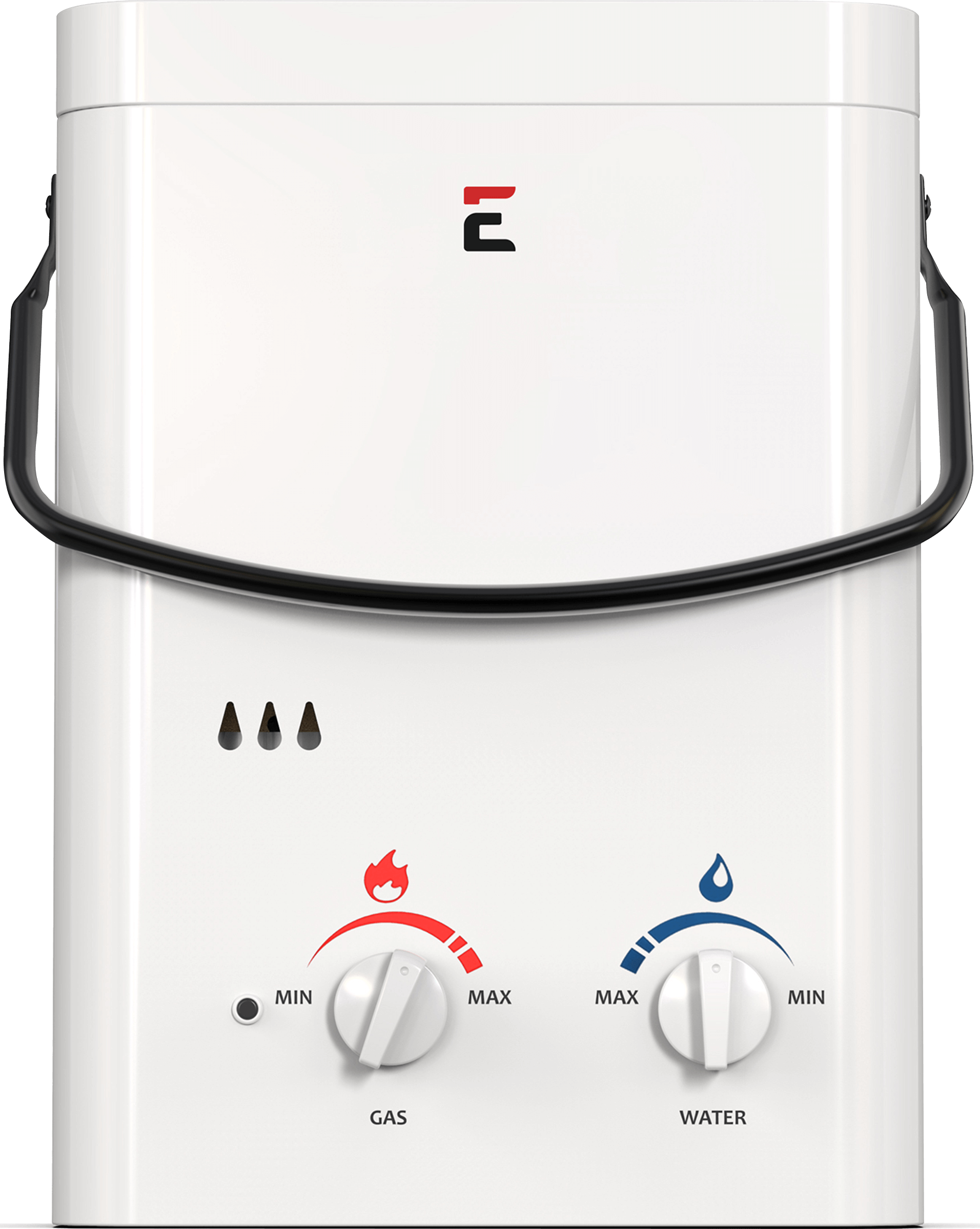
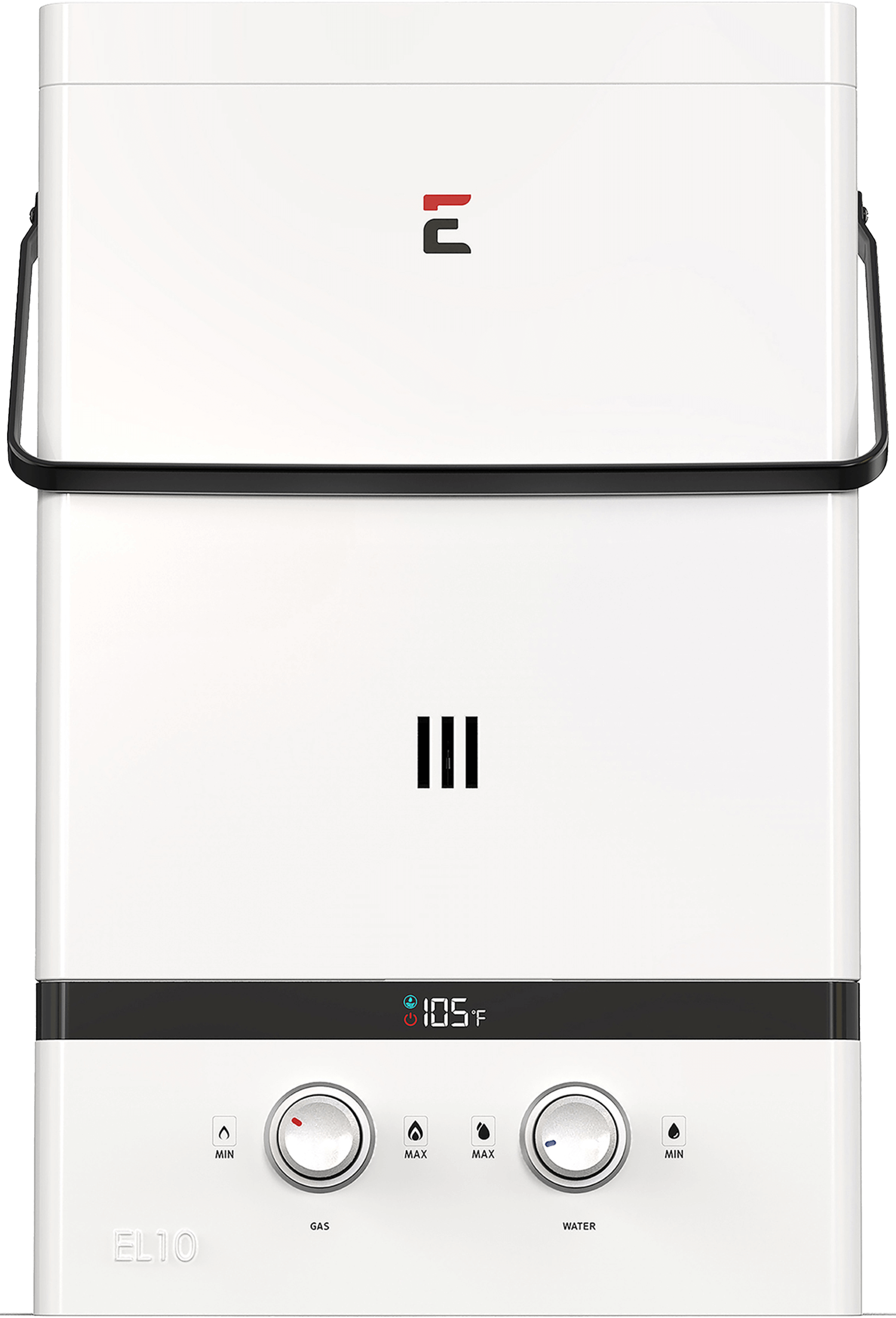
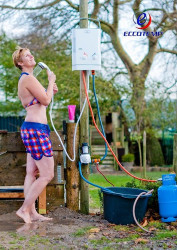
Portable tankless water heaters form a separate category. They are intended for approved temporary outdoor applications and should not be permanently installed or operated indoors. Follow the exact portable model’s manual for location, propane connection, water supply, clearances, drainage, and storage.
Verify the Gas Supply
A tankless heater can have a different firing demand from the storage heater it replaces. The existing gas pipe, regulator, and meter must be evaluated for the new appliance and the combined demand of other gas equipment in the building. A qualified professional should verify:
- Available fuel type
- Required inlet gas pressure
- Total connected appliance load
- Gas pipe material, length, and diameter
- Meter or propane regulator capacity
- Approved shutoff-valve placement
- Required sediment-trap or related provisions
- Leak-testing requirements
There is no universal gas pipe size for every tankless water heater. Pipe sizing depends on the model input, fuel, pressure, pipe length, fitting allowance, other connected appliances, and applicable code.
Plan the Venting and Combustion Air
Indoor gas tankless water heaters must safely discharge combustion products outdoors. The required vent material and configuration depend on the heater’s design and manual. The installer should confirm:
- Whether the model uses direct venting or another approved configuration
- Approved vent and intake materials
- Maximum equivalent vent length
- Allowed elbows and fittings
- Required pipe diameter
- Slope and condensate-management requirements
- Termination clearances
- Separation from doors, windows, air intakes, and other openings
- Protection against recirculating exhaust into the air intake
Prepare the Water, Drainage, and Electrical Connections
The plumbing layout should provide correct connections to the cold-water inlet and hot-water outlet while allowing the unit to be serviced later. Isolation valves can make future flushing and maintenance easier when they are permitted and installed correctly. Depending on the model and local requirements, the project may also need:
- Approved shutoff and service valves
- A pressure-relief valve and discharge route
- Condensate drainage for a condensing model
- Condensate neutralization where required
- A drain pan or nearby floor drain
- Pipe insulation or freeze protection
- Water treatment for problematic water conditions
Although the heater burns gas, many permanent models also require electrical power for ignition, controls, fans, freeze-protection components, or connected features. The electrical supply must match the manual and applicable code.
How a Professional Installs a Gas Tankless Water Heater
The exact sequence varies by model and site, but a complete professional installation normally follows these stages.
1. Evaluate the Site and Utilities
The installer confirms peak hot-water demand, temperature rise, fuel type, gas capacity, water pressure, electrical access, vent routing, drainage, mounting conditions, and permit requirements.
2. Isolate and Remove the Existing Heater
Gas, electricity, and water are safely isolated before the old appliance is drained and removed. Existing pipes and vents are evaluated instead of being reused automatically.
3. Prepare and Mount the New Unit
The heater is secured to an approved surface using the mounting method and clearances stated in the manual. The unit remains accessible for future service.
4. Complete Water and Drain Connections
The installer connects the cold-water inlet and hot-water outlet, adds required valves and safety components, and installs condensate drainage where the model requires it.
5. Install the Gas Supply
A qualified professional sizes and installs the gas connection, shutoff components, and related fittings. The completed system is tested using the approved procedure before operation.
6. Install Intake, Venting, and Power
Indoor units receive the model-approved venting and combustion-air system. Required electrical power is installed according to the product documentation and local requirements.
7. Commission and Test the Heater
The system is started using the manufacturer’s procedure. The installer verifies gas pressure where required, checks combustion and venting, tests water connections, confirms stable operation, and measures outlet temperature.
Common Installation Mistakes to Avoid
Choosing by Maximum GPM Alone
Maximum flow is achieved only under specified conditions. A heater may deliver less flow when incoming water is colder or a higher outlet temperature is selected.
Assuming the Existing Gas Line Is Adequate
The presence of a nearby gas pipe does not confirm adequate capacity. Undersized piping or insufficient pressure can cause ignition problems, error codes, poor performance, or unsafe operation.
Using the Wrong Vent Material
Approved vent materials vary between models, especially between condensing and non-condensing designs. Use only the vent system identified in the current manual.
Ignoring Service and Drainage Access
A cramped installation may make filter cleaning, flushing, inspection, or component replacement difficult. Condensing units also need an appropriate condensate-disposal plan.
Treating Portable and Permanent Models Alike
Portable outdoor heaters are not substitutes for permanently installed indoor or whole-home units. Their location, fuel connection, water supply, storage, and operating rules are different.
Adding an Insulation Blanket
Tankless water heaters do not have a storage tank producing standby heat loss, so a tank-style insulation blanket is unnecessary. Covering a tankless unit may obstruct airflow, controls, labels, or service access.
How Much Does Gas Tankless Installation Cost?
The final cost depends more on site conditions than on mounting the heater itself. A straightforward replacement with compatible utilities may cost less than a conversion requiring gas, venting, plumbing, electrical, or structural changes. Common cost factors include:
- Water heater capacity and design
- Natural gas versus propane
- Gas line or meter upgrades
- Vent material and routing
- Condensate drainage
- Plumbing modifications
- Electrical work
- Permit and inspection fees
- Removal of the old heater
- Installation location and access
- Local labor rates
Request an itemized quote that separates the water heater, labor, materials, permits, disposal, and required upgrades. Comparing detailed quotes from several qualified installers can help you understand the expected cost and avoid unexpected charges.
Commissioning Checks Before the Installation Is Complete
Correct installation does not end when the heater turns on. The unit should be commissioned according to its manual and checked under realistic demand. The installer should verify:
- No water or fuel leaks
- Correct inlet gas conditions
- Stable ignition and operation
- Proper intake and exhaust performance
- Correct condensate drainage where applicable
- Adequate flow at the intended fixtures
- Stable outlet temperature
- Correct control and error-code operation
- Required inspection approval
- Safe operation of related shutoff and safety components
Ask the installer to explain normal operation, shutoff procedures, maintenance access, filter cleaning, freeze precautions, and what to do if an error code appears.
Set and Test a Safe Outlet Temperature
The correct setting depends on the household, plumbing system, fixtures, and model instructions. The U.S. Consumer Product Safety Commission has recommended a water-heater setting of 120°F to help reduce scald risk.
Actual tap temperature can differ from the heater setting because of plumbing distance, recirculation, mixing valves, and fixture controls. Test the delivered temperature with an appropriate thermometer rather than checking it by hand.
Households with young children, older adults, or people with reduced sensitivity or mobility may need additional scald protection. Ask a qualified plumber whether thermostatic mixing or anti-scald devices are appropriate.
After Installation
Keep the product manual, permit documents, inspection record, installer invoice, and model and serial numbers together. These records can help with future service and warranty questions.
Follow the maintenance schedule for the exact model and local water conditions. Maintenance may include cleaning the inlet-water filter, inspecting intake and exhaust openings, checking drainage, and flushing mineral scale from the heat exchanger when required. Install and maintain carbon monoxide alarms according to their manufacturer’s instructions and local requirements.
Frequently Asked Questions
Does a plumber or HVAC professional install a gas tankless water heater?
A qualified plumber commonly handles the installation. Depending on local licensing rules and project scope, gas, HVAC, or electrical professionals may also complete specific portions.
Do I need a permit to install a gas tankless water heater?
Permit requirements depend on local rules. Gas, plumbing, mechanical, or electrical permits and final inspections may be required, so confirm requirements before installation begins.
How long does gas tankless water heater installation take?
Timing depends on site conditions. A compatible replacement may be completed faster, while gas-line, venting, electrical, drainage, or structural upgrades can extend the project.