 Weekly Deals
 Water Heaters
 Accessories
 Installation
 Parts
Parts
 Protection Plans
 Final Sale




How to Choose the Best Tankless Water Heater for Your Tiny Home
Updated August 2026 – This guide was expanded with clearer sizing advice based on simultaneous hot-water demand and temperature rise, plus updated guidance on electric, natural gas, and propane options, indoor vs. outdoor installation, cold-weather planning, water pressure, and choosing between permanent and portable models.
The best tankless water heater for a tiny home is one that meets your peak hot water demand at your required temperature rise without exceeding your available gas, propane, or electrical capacity. Square footage alone cannot tell you which size to choose. Your fixtures, climate, utility connections, installation location, and whether the home is stationary or mobile all matter. In this guide, we’ll explain how to compare those factors and select a system that fits your tiny home safely and comfortably.
Key Takeaways
- Size the heater using simultaneous fixture demand and temperature rise, not square footage alone.
- A listed maximum gallons-per-minute rating does not apply equally in every climate.
- Electric models require enough panel, breaker, and wiring capacity for their intended output.
- Gas models need the correct fuel supply, combustion air, and model-approved venting.
- Portable outdoor heaters are different from permanently installed residential models.
- Cold-weather planning should cover the heater, pipes, valves, and water supply.
What Makes a Tankless Water Heater Suitable for a Tiny Home?
A tiny home usually has less hot water demand than a large house, but that does not mean the smallest heater will always work. A full-time tiny home with a shower, kitchen sink, bathroom faucet, dishwasher, or washing machine may place several demands on the heater.
The right unit should fit the home physically while supporting its busiest realistic hot water period. It must also match the available fuel or electrical service. Start with demand and temperature rise. Then evaluate installation type, utilities, climate, water pressure, and maintenance access.
Start With Peak Hot Water Demand
Tankless water heaters are rated by flow in gallons per minute (GPM). To estimate the capacity you need, identify which hot water fixtures could operate at the same time and add their flow rates.
Do not rely only on generic fixture estimates. Check the marked flow rate or product information for the fixtures you plan to install. According to the U.S. Environmental Protection Agency, a WaterSense-labeled showerhead uses no more than 2.0 GPM, while a WaterSense-labeled bathroom faucet uses no more than 1.5 GPM.
|
Possible hot water use |
Example planning flow |
Combined demand |
|
One efficient shower |
2.0 GPM |
2.0 GPM |
|
Shower plus 1.0 GPM sink use |
2.0 + 1.0 GPM |
3.0 GPM |
|
Shower plus 1.5 GPM bathroom faucet |
2.0 + 1.5 GPM |
3.5 GPM |
|
Two efficient showers |
2.0 + 2.0 GPM |
4.0 GPM |
These are planning examples, not universal fixture requirements. Kitchen faucets, dishwashers, washing machines, and older fixtures can have different flow rates.
Account for Temperature Rise Before Choosing a GPM Rating
Temperature rise is the difference between the incoming water temperature and the desired outlet temperature. If water enters the tiny home at 50°F and you want 110°F water, the heater must produce a 60°F rise.
A heater generally delivers less hot water per minute as the required temperature rise increases. This is why a model advertised at a certain maximum GPM may provide a lower flow in a cold climate. Compare your calculated peak demand with the manufacturer’s performance data at a temperature rise close to your actual conditions.
Use this process:
- Estimate the coldest incoming water temperature the home will experience.
- Choose a practical outlet temperature.
- Subtract the incoming temperature from the desired outlet temperature.
- Add the flow rates of fixtures that may run together.
- Check whether the model can provide that flow at the required rise.
Choose the Right Energy Source
Your tiny home’s available utilities may narrow the choice before you compare individual models. Electric, natural gas, and liquid propane tankless heaters can all serve small homes, but their installation requirements differ.
Electric Tankless Water Heaters
An electric tankless heater avoids combustion venting, but its heating output depends on the home’s electrical capacity. Whole-home electric models can require substantial amperage, dedicated breakers, and suitable wiring.
This is an important concern for tiny homes with limited electrical service or an off-grid solar and battery system. Have a qualified electrician confirm the available capacity and the model-specific circuit requirements. Lowering a heater’s electrical input may reduce the flow it can provide at a given temperature rise.
Natural Gas Tankless Water Heaters
Natural gas can work well for a stationary tiny home with an established utility connection. Confirm that the gas line and meter can support the heater’s maximum input alongside other gas appliances.
Indoor gas models require manufacturer-approved venting, adequate combustion air, proper clearances, and a suitable condensate plan when applicable. These details should be evaluated during the design stage because altering a finished tiny-home wall or roof can be difficult.
Liquid Propane Tankless Water Heaters
Propane can be useful for rural or off-grid tiny homes without natural gas service. A permanent residential propane heater still needs the correct regulator, gas supply, venting or outdoor placement, and code-compliant installation.
Tank location and protection must be planned around the tiny home’s layout. Do not assume that a portable propane water heater can replace a permanently installed residential model. The unit’s approved application determines how and where it may be used.
Permanent Residential Heater or Portable Outdoor Heater?
This distinction is especially important for tiny-home owners. A stationary home with permanent indoor plumbing normally needs a residential heater approved for that installation. It may be an indoor vented model or an outdoor residential model, depending on the property and climate.
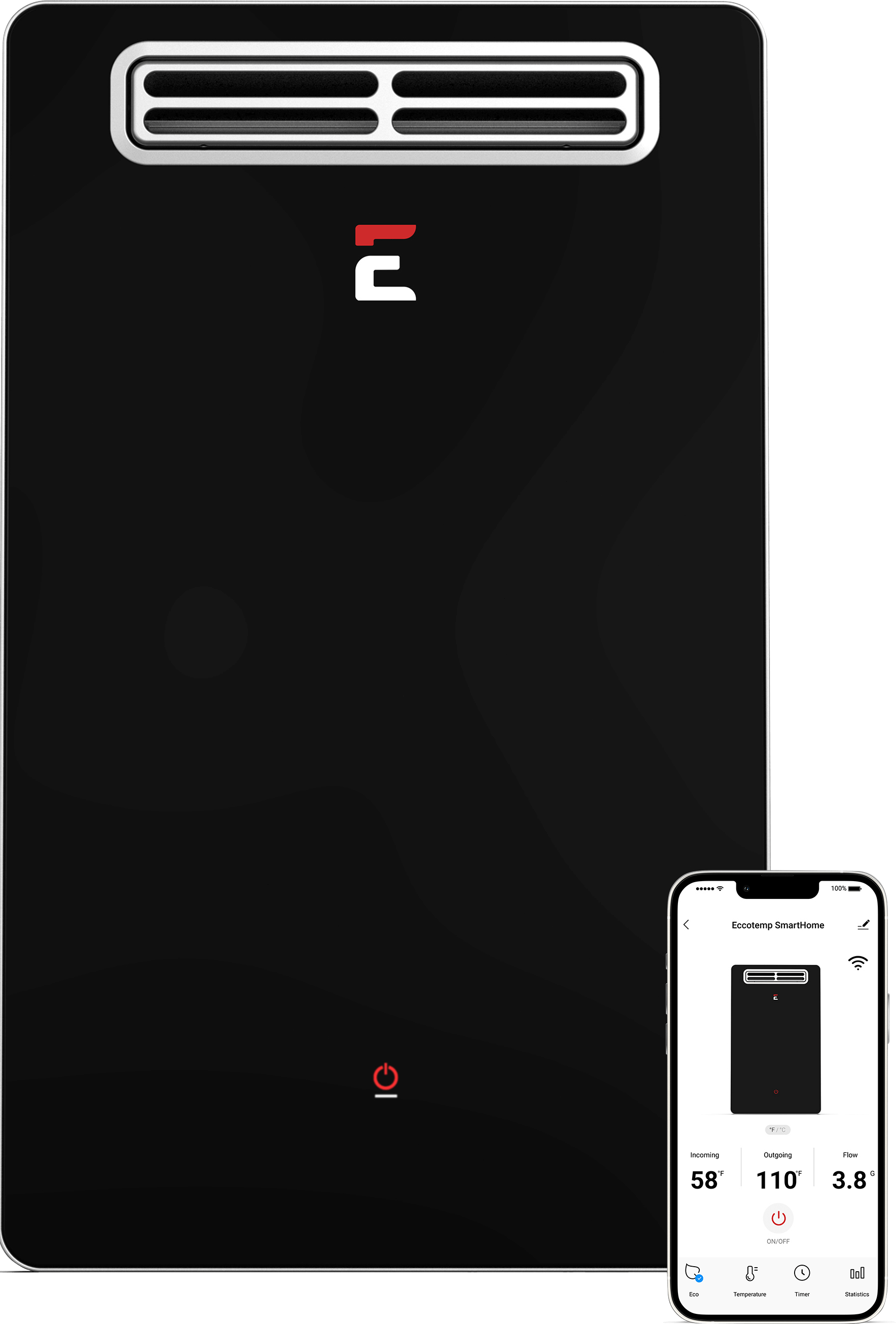
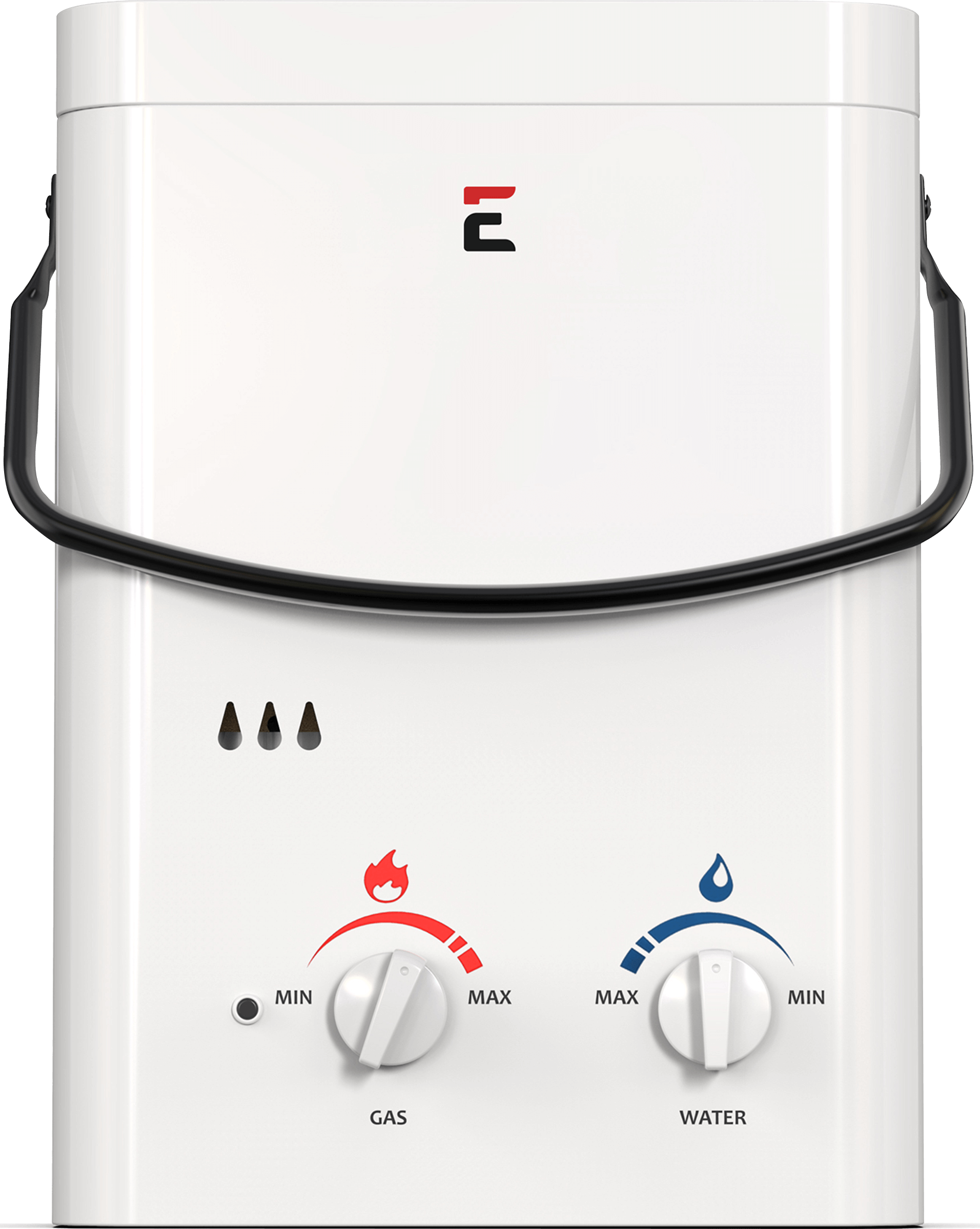
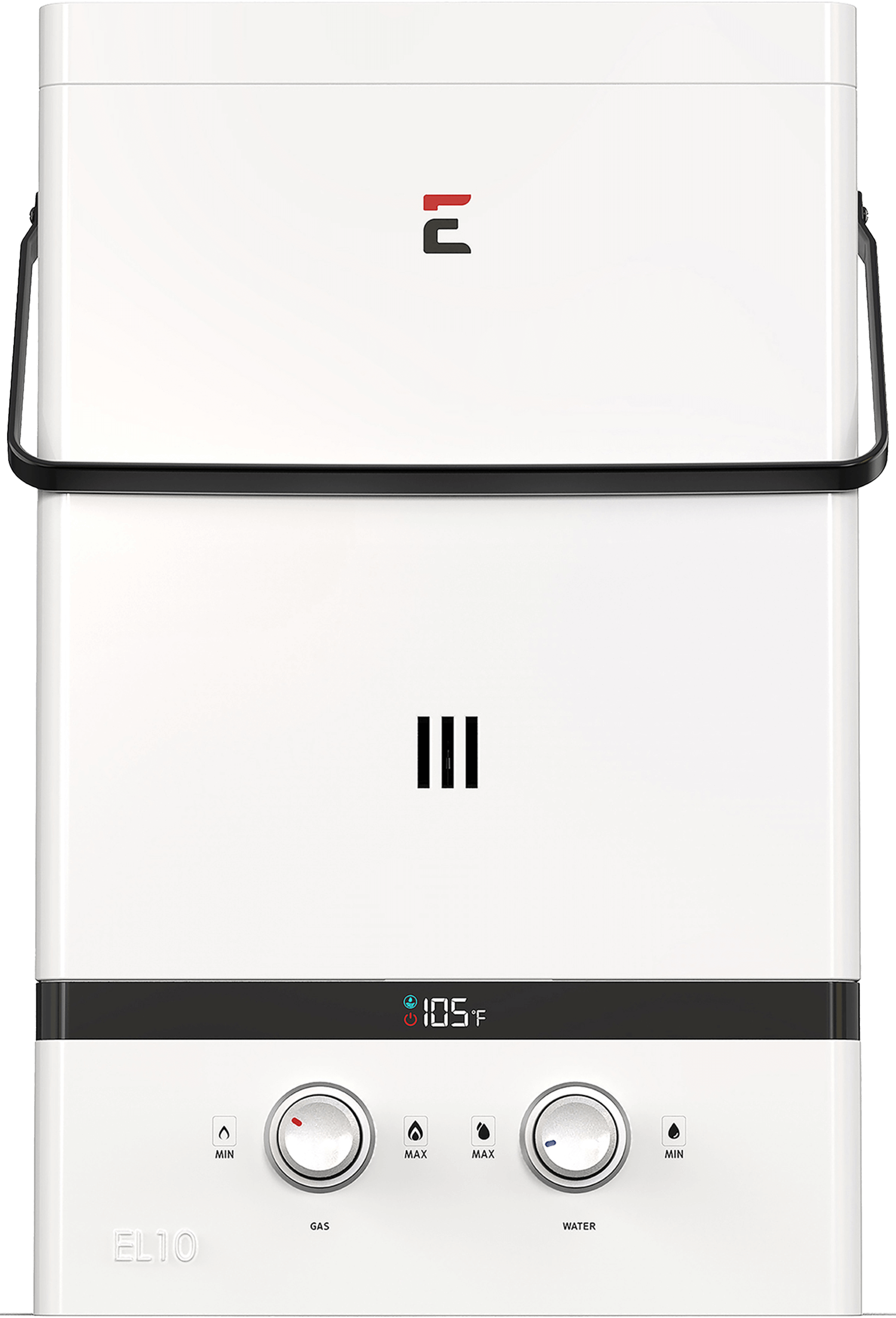
Eccotemp’s portable tankless water heaters are designed for temporary outdoor applications such as outdoor showers, equipment washing, camping, and similar uses. They should not be treated as indoor heaters or converted into permanent installations unless the documentation for the exact model expressly permits that application.
For a tiny home on wheels, verify whether the heater is approved for the structure and intended use. A product described as portable is not automatically approved as a permanently installed RV or tiny-house appliance.
Compare Indoor and Outdoor Installation
An outdoor heater can preserve indoor space and avoid routing combustion venting through a compact interior. The model must be approved for outdoor installation, and its required clearances must be available around doors, windows, vents, overhangs, and property features.
An indoor model may offer better protection from severe weather, but combustion models need correct venting and combustion air. A small closet or cabinet is not automatically suitable. Follow the model manual and local code rather than choosing a location based only on available wall space.
Keep the unit accessible for:
- Inspection and servicing
- Water and gas shutoff access
- Filter cleaning
- Descaling connections
- Drainage or winterization
- Vent inspection
- Leak detection
Plan for Cold Weather and Seasonal Vacancy
Tiny homes can cool quickly, and exposed plumbing may freeze before occupants notice a problem. Built-in freeze-protection features, where provided, are not a substitute for following the product manual or protecting the entire plumbing system.
Check what the heater requires to operate its protection features. Some systems need continuous electrical power, gas, or both. A power outage, empty propane tank, disconnected utility, or blocked water line can prevent those features from working.
If the tiny home will be vacant in freezing weather, follow the manufacturer’s draining or winterization procedure. Protect connected pipes, valves, pumps, filters, and outdoor fixtures as part of the same plan.
Confirm Water Supply and Pressure
A tankless heater needs enough water flow and pressure to activate and operate correctly. Homes supplied by a well, storage tank, rainwater system, or small pump need extra attention because pressure and flow may fluctuate.
Compare the planned water system with the heater’s minimum activation flow and operating pressure range. Include pressure losses through filters, long pipe runs, elevation changes, and simultaneous fixtures. If the system cannot maintain the required conditions, the heater may cycle, fail to activate, or deliver unstable temperatures.
Do not select a pump or pressure regulator from general advice alone. Match those components to the exact heater, plumbing design, and water source.
Compare Current Eccotemp Options by Application
The best model depends on the tiny home’s utilities and calculated demand. The following examples show how different product types may fit different stationary installations.
For Grid-Connected Electric Tiny Homes
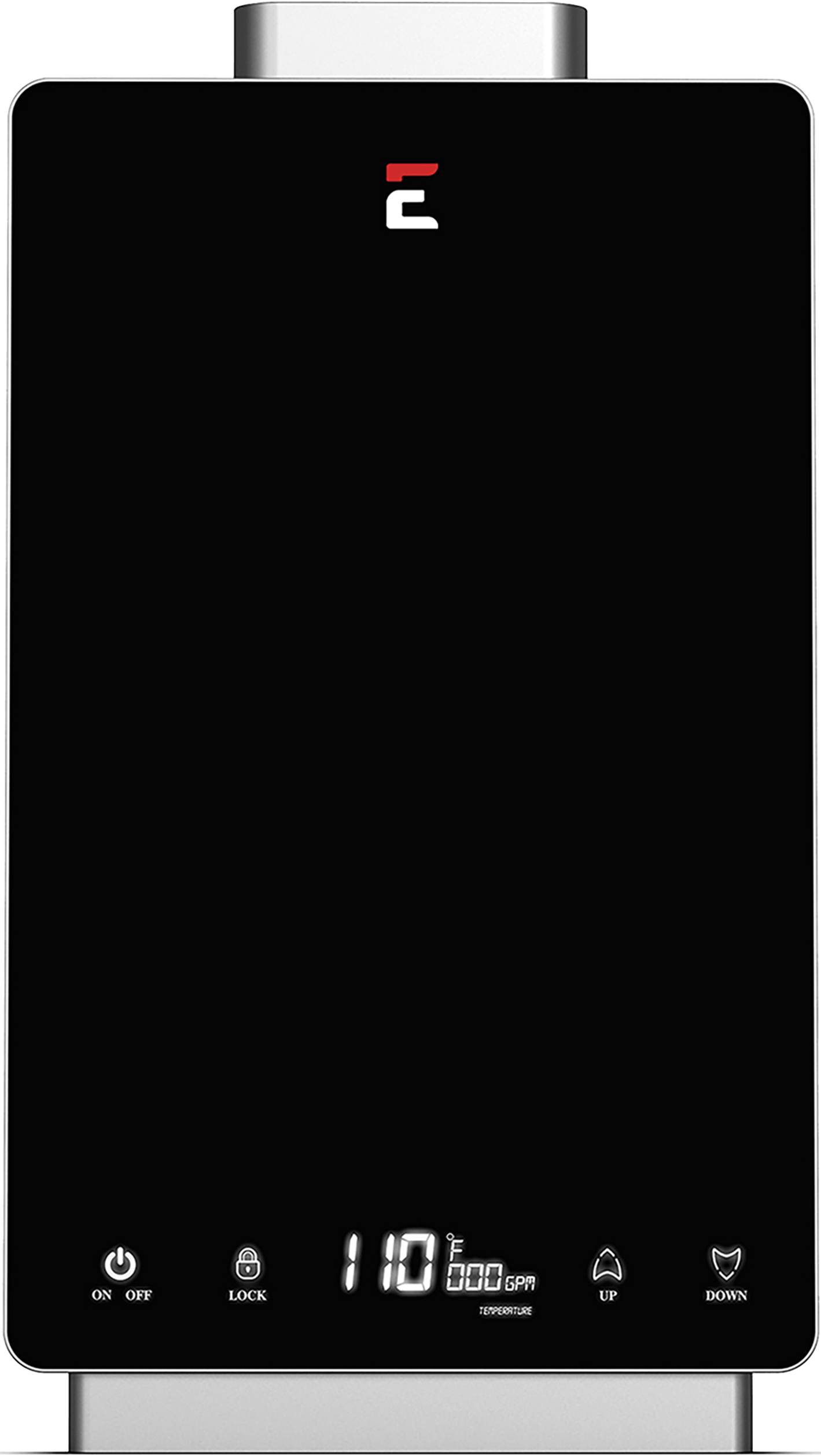
The Eccotemp SHiE-27 electric indoor tankless water heater has adjustable electrical input and a listed maximum flow of up to 4.5 GPM. Actual performance depends on the configured power, incoming water temperature, desired outlet temperature, and flow.
Its full-output configuration has model-specific electrical requirements. A qualified electrician should confirm the panel, breaker, and wiring plan before selection or installation.
For Tiny Homes With Natural Gas
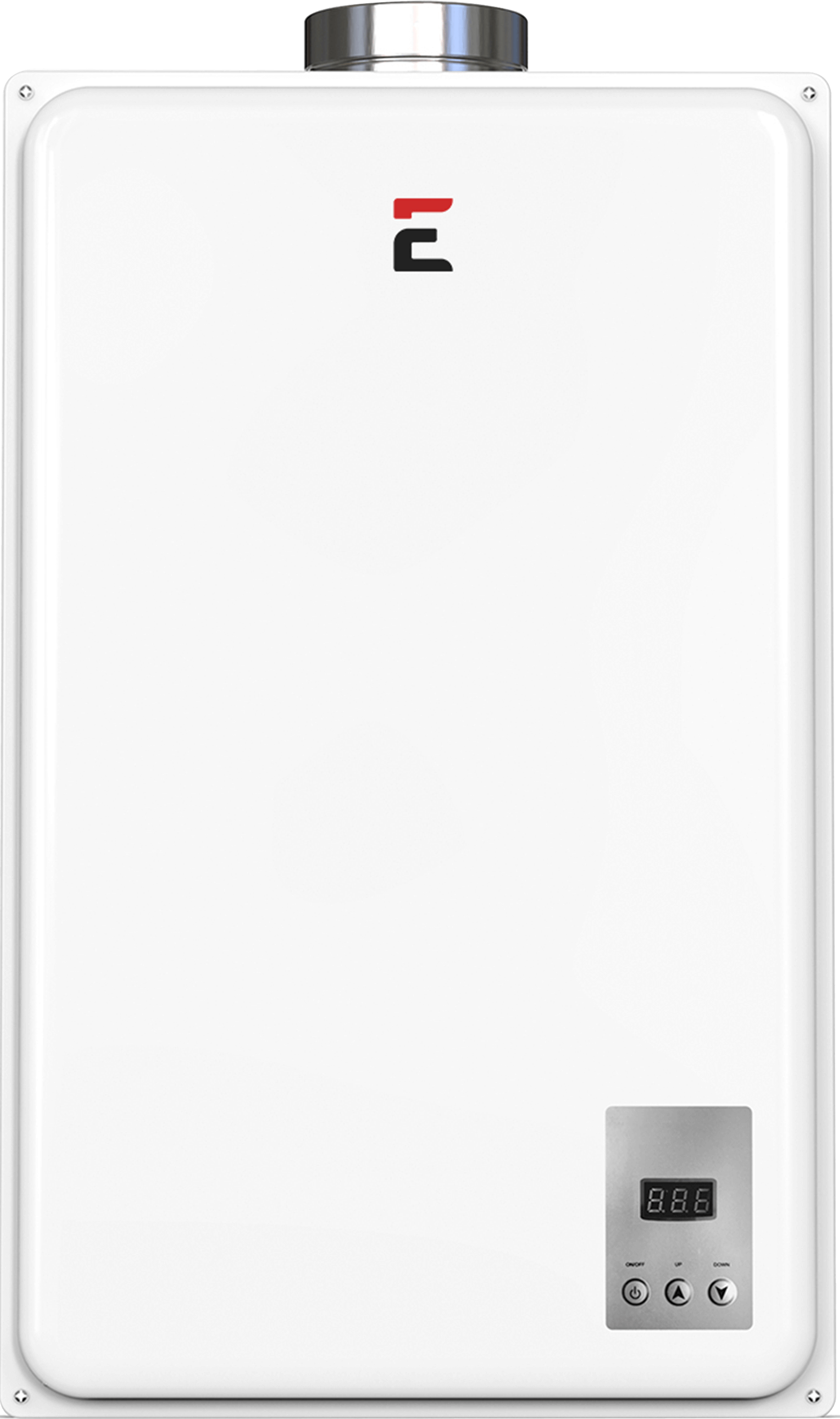
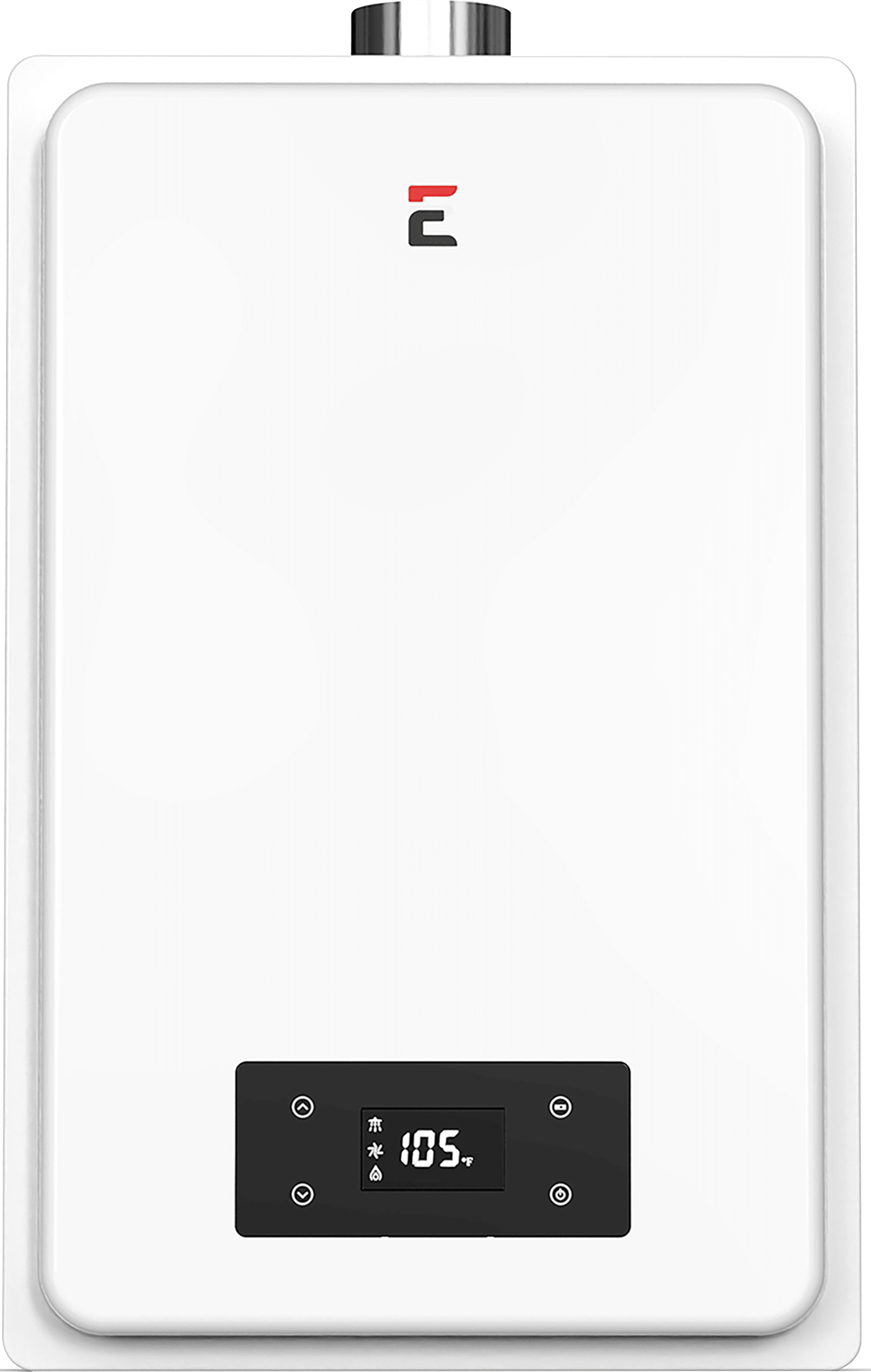
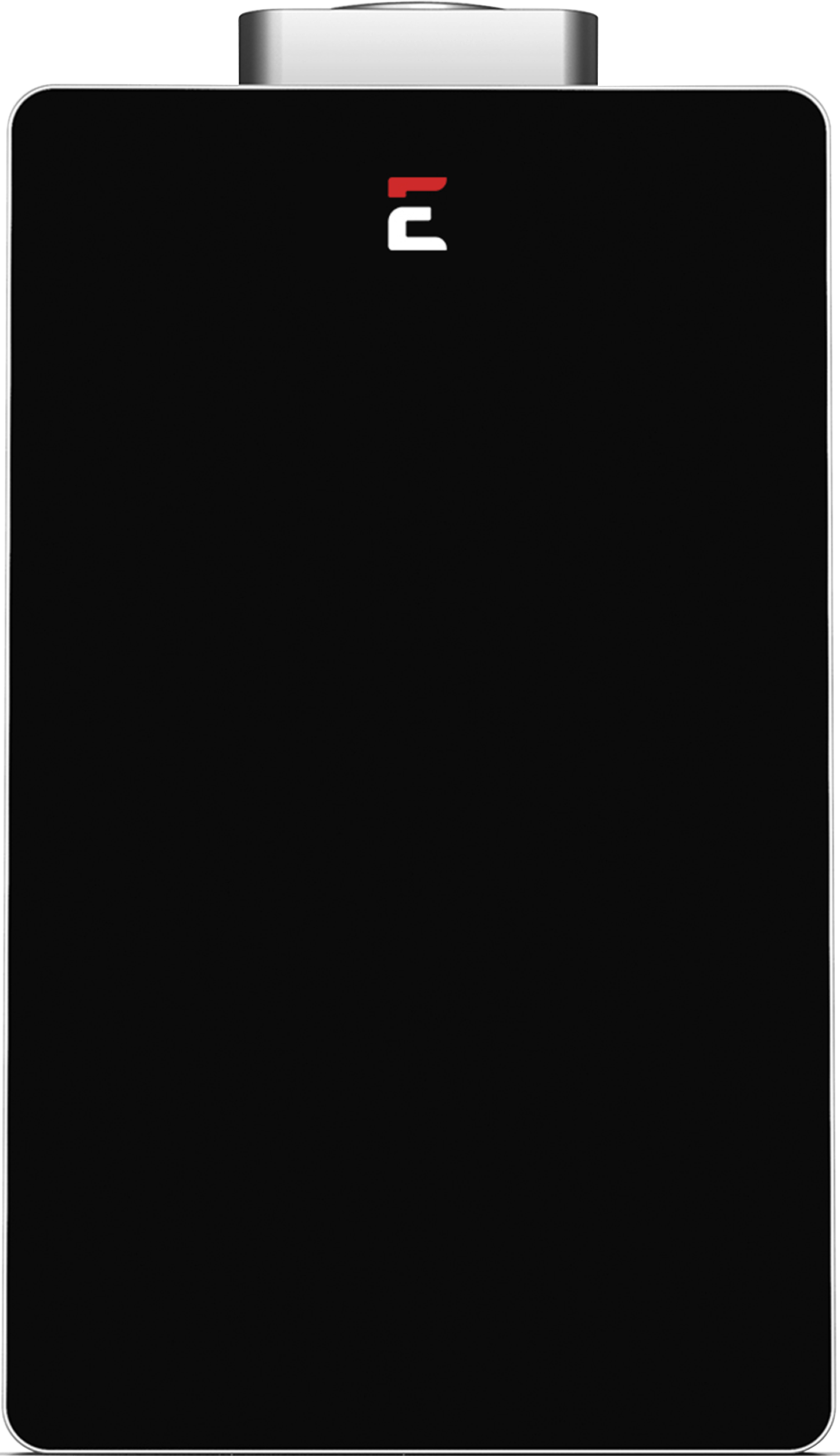
The Eccotemp SH12-A indoor natural gas tankless water heater is rated at 4.0 GPM with a 35°F temperature rise and is intended for one to two applications. That rating must be compared with the tiny home’s actual required temperature rise.
The SH12-A requires professional installation and model-approved indoor venting. It should be selected only after verifying the gas supply, elevation, fixture demand, installation location, and manual requirements.
For Other Gas or Propane Installations
Review Eccotemp’s current gas tankless water heater options by fuel, indoor or outdoor approval, flow performance, and installation requirements. Avoid choosing solely by the maximum GPM shown in a product name.
A higher-flow heater is not automatically better. An oversized model can add cost or utility requirements without solving a real demand problem. A smaller model can be equally unsuitable if it cannot meet peak demand during the coldest conditions.
Use This Tiny-Home Selection Checklist
Before choosing a tankless water heater, confirm each of the following:
- The home is stationary or mobile.
- The heater is approved for the intended structure and application.
- You know the flow rate of each hot water fixture.
- You have calculated realistic simultaneous demand.
- You know the coldest expected incoming water temperature.
- You have calculated the required temperature rise.
- The model can meet both demand and temperature rise.
- The fuel supply or electrical service supports the unit.
- The proposed location meets the manual’s clearance requirements.
- Indoor combustion models have a compliant venting plan.
- Outdoor models are suitable for the local climate.
- The water supply meets activation-flow and pressure requirements.
- The heater remains accessible for maintenance and winterization.
- A qualified installer has reviewed applicable codes and permit requirements.
For a broader planning review, use Eccotemp’s tankless water heater installation checklist before finalizing the model and installation location.
Choosing the Best Fit for Your Tiny Home
A tiny home does not automatically need the lowest-capacity heater. It needs a correctly sized model that matches actual simultaneous demand, incoming water temperature, utilities, water pressure, climate, and installation type.
Calculate flow and temperature rise first. Then compare permanent residential models that are approved for your planned location. If the tiny home is mobile, off-grid, or exposed to freezing weather, verify those conditions against the exact product documentation before purchase. This approach gives you a more reliable result than choosing by square footage or maximum GPM alone.
Frequently Asked Questions
What size tankless water heater does a tiny home need?
Size it by simultaneous fixture flow and required temperature rise. Many tiny homes have modest demand, but climate, fixtures, occupancy, and usage patterns determine the final capacity.
Can I permanently install a portable tankless water heater in my tiny home?
Do not permanently install a portable model unless its documentation expressly approves that use. Eccotemp portable heaters are intended for temporary outdoor applications, not indoor residential installation.
Is electric or propane better for an off-grid tiny home?
The better option depends on available solar, battery, generator, and propane capacity. Compare the heater’s full energy demand with your system’s reliable output before deciding.