 Weekly Deals
 Water Heaters
 Accessories
 Installation
 Parts
Parts
 Protection Plans
 Final Sale





June Energy Audit: Is Your Water Heater the Biggest Drain on Your Utility Bill?
As summer arrives across the United States, many homeowners begin noticing a familiar trend. Utility bills start climbing even before the hottest days of the season fully settle in. Air conditioning often gets most of the blame, but it is not always the only contributor to rising energy costs. Hidden behind walls, tucked away in garages, basements, utility rooms, or closets, water heaters can quietly consume a significant amount of energy every day.
The middle of the year is an ideal time to perform a home energy audit. June marks the transition into peak cooling season, making it the perfect opportunity to identify appliances that may be costing more than expected. While homeowners often focus on thermostats, insulation, and cooling equipment, many overlook one of the largest energy users in the home: the water heater.
A thorough water heater energy audit summer US 2026 can reveal surprising opportunities for savings. Understanding how much energy your water heater consumes and whether it is operating efficiently can help reduce monthly expenses, improve household comfort, and support long-term energy goals.
Why Summer Utility Bills Are Rising in 2026
Energy costs continue to be a concern for homeowners throughout the United States. During summer, electricity demand increases as temperatures rise and cooling equipment runs longer. At the same time, many families spend more time at home during school breaks, host guests, travel in recreational vehicles, or enjoy outdoor activities that increase hot water usage.
While cooling equipment typically represents the largest seasonal energy expense, water heating remains one of the biggest year-round contributors to household energy consumption. According to energy experts, water heating can account for a substantial portion of a home's annual energy usage, often ranking second only to heating and cooling.
Because water heaters operate every day regardless of season, inefficiencies can have a lasting impact on utility bills. Even during warm weather, a poorly performing water heater can quietly increase monthly costs without homeowners realizing where the extra expense originates.
Understanding the Hidden Cost of Water Heating
Most people interact with hot water countless times each day. Showers, dishwashing, laundry, cleaning, and cooking all depend on a reliable source of heated water. Because hot water is always available, it is easy to forget how much energy is required to maintain that convenience.
Traditional storage-style water heaters continuously keep water hot, even when nobody is using it. This process creates standby heat loss, meaning energy is consumed simply to maintain temperature inside the tank. Over time, these losses add up and contribute to higher utility bills.
Many homeowners never calculate how much they spend on water heating annually. Yet the costs can be significant, especially when older equipment operates inefficiently or struggles to meet household demand.
A June energy audit provides an opportunity to evaluate whether your water heater is consuming more energy than necessary.
Signs Your Water Heater May Be Wasting Energy
Several indicators suggest that a water heater may be increasing utility expenses unnecessarily.
One common sign is rising energy bills without a clear explanation. If household habits have remained relatively consistent but monthly costs continue increasing, an aging water heater may be contributing to the problem.
Another warning sign is inconsistent hot water performance. If showers suddenly turn cold, water takes longer to heat, or temperatures fluctuate throughout the day, efficiency may be declining.
Unusual noises such as popping, rumbling, or cracking sounds can indicate sediment buildup inside the tank. Over time, minerals accumulate at the bottom, creating a barrier between the heating source and the water. This forces the appliance to work harder and consume more energy.
Visible corrosion, leaks, or rust around the water heater may also signal aging components that negatively affect performance and efficiency.
Even if none of these symptoms are obvious, older equipment often consumes more energy than modern alternatives due to outdated technology and years of wear.
How to Conduct a Water Heater Energy Audit
A water heater energy audit does not require advanced technical knowledge. Homeowners can begin by evaluating several key factors.
Start by determining the age of the water heater. Most traditional storage-style models have a lifespan of approximately eight to twelve years. If your equipment is approaching or exceeding this range, efficiency may be significantly lower than newer options.
Next, inspect the temperature setting. Many water heaters are configured at temperatures higher than necessary. Lowering the setting to around 120 degrees Fahrenheit can reduce energy consumption while still providing comfortable hot water for everyday use.
Examine the surrounding area for signs of heat loss. Warm surfaces, poorly insulated pipes, or excessive heat around the appliance may indicate wasted energy.
Review recent utility bills and compare them to previous years. Look for patterns that suggest increasing energy usage despite similar household habits.
Finally, consider how often hot water is used throughout the home. Large families, frequent laundry cycles, extended showers, and high-demand appliances can increase energy consumption and highlight opportunities for more efficient solutions.
The Impact of Standby Heat Loss
One of the biggest concerns with traditional storage water heaters is standby heat loss. This occurs when heated water sits unused inside the tank while energy continues being consumed to maintain temperature.
Imagine heating a pot of water on a stove and leaving it there all day while periodically reheating it. The process requires continuous energy, even if little water is actually used.
This same concept applies to many conventional water heaters. Whether someone is home or away, energy continues being spent keeping stored water hot and ready for use.
During summer vacations, weekends away, or long workdays, homeowners may unknowingly pay for hot water that nobody uses.
Reducing standby heat loss can have a meaningful impact on annual energy costs.
Why Tankless Water Heaters Are Gaining Attention
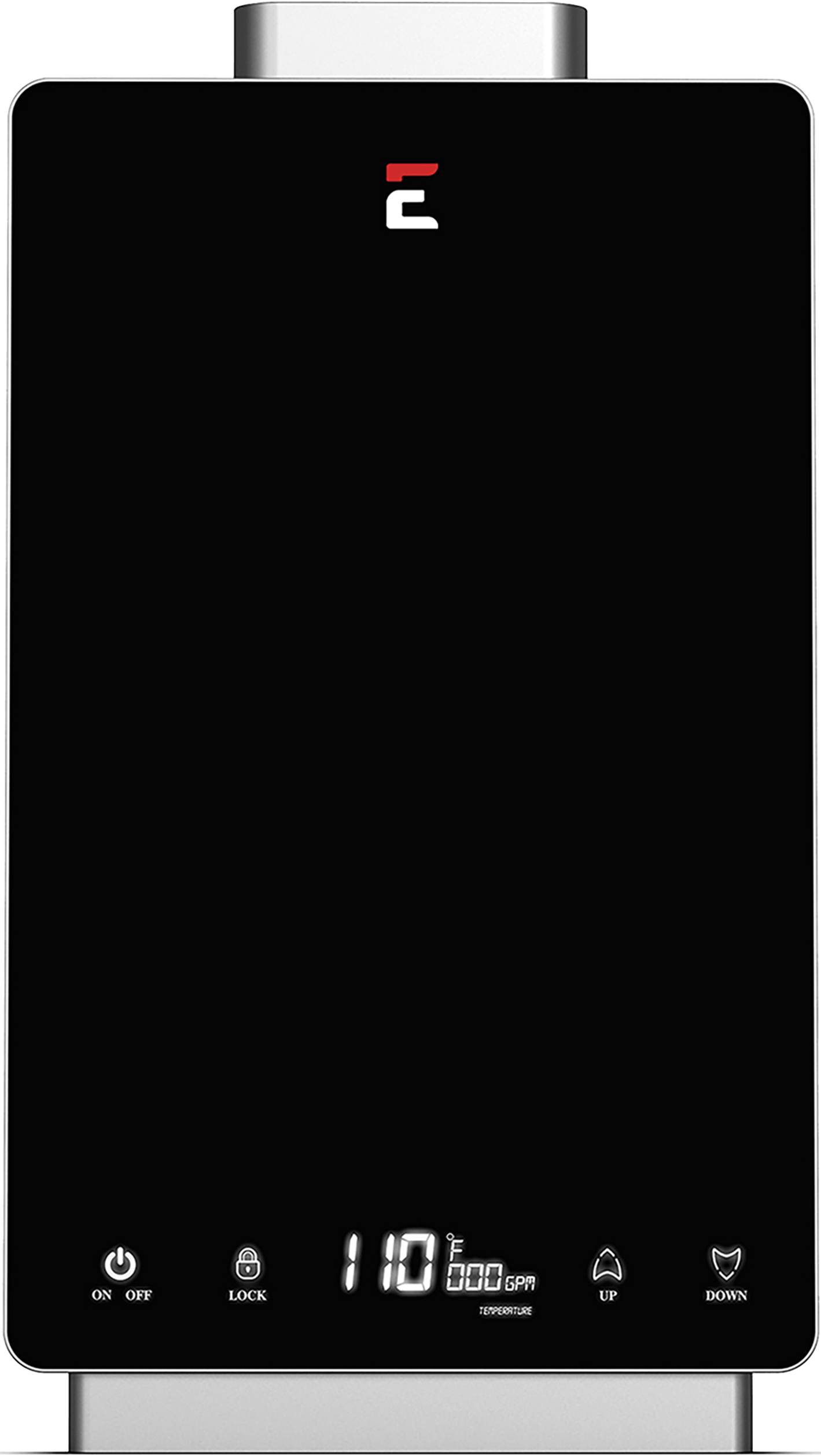
As homeowners perform energy audits in 2026, many are discovering the advantages of tankless water heaters.
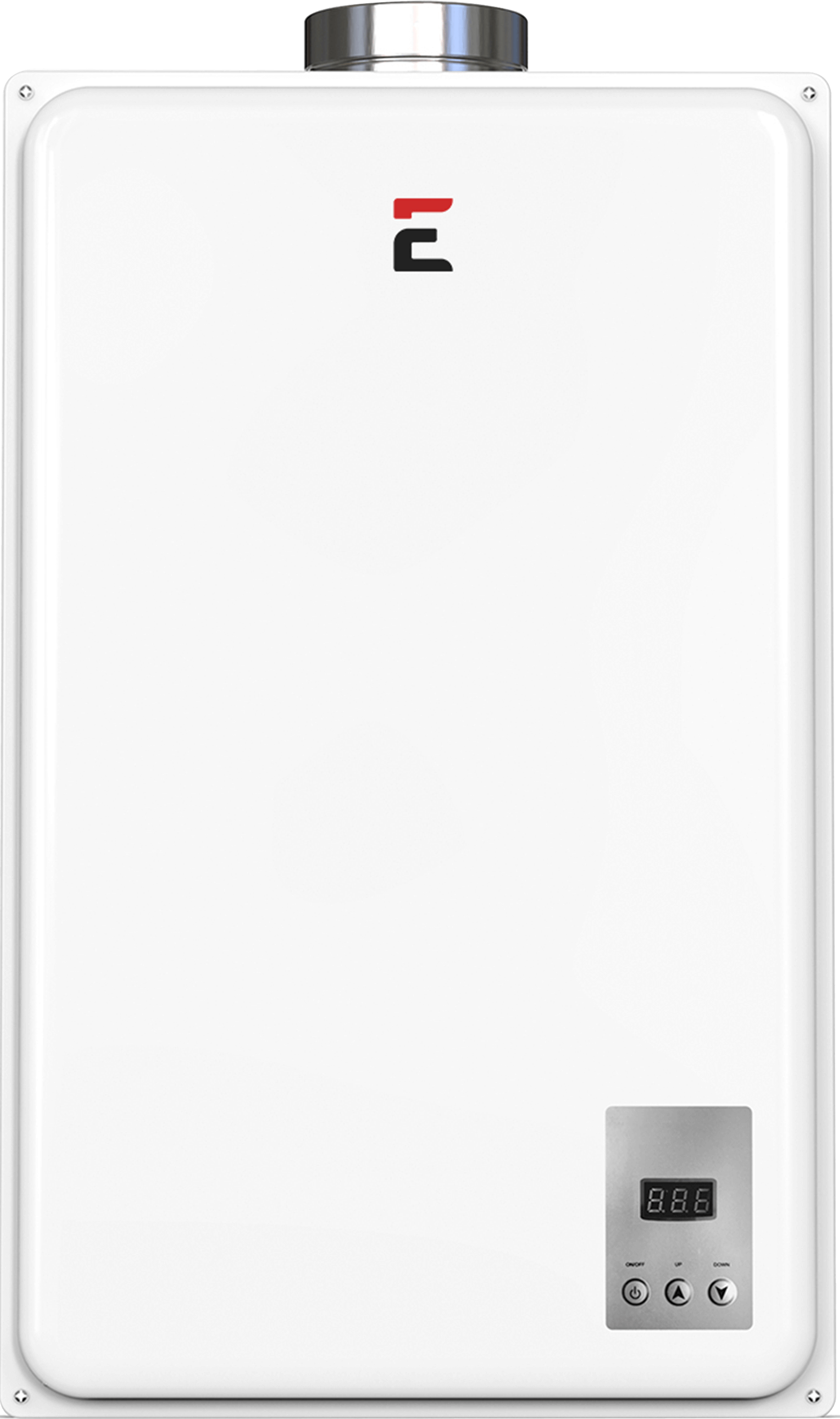
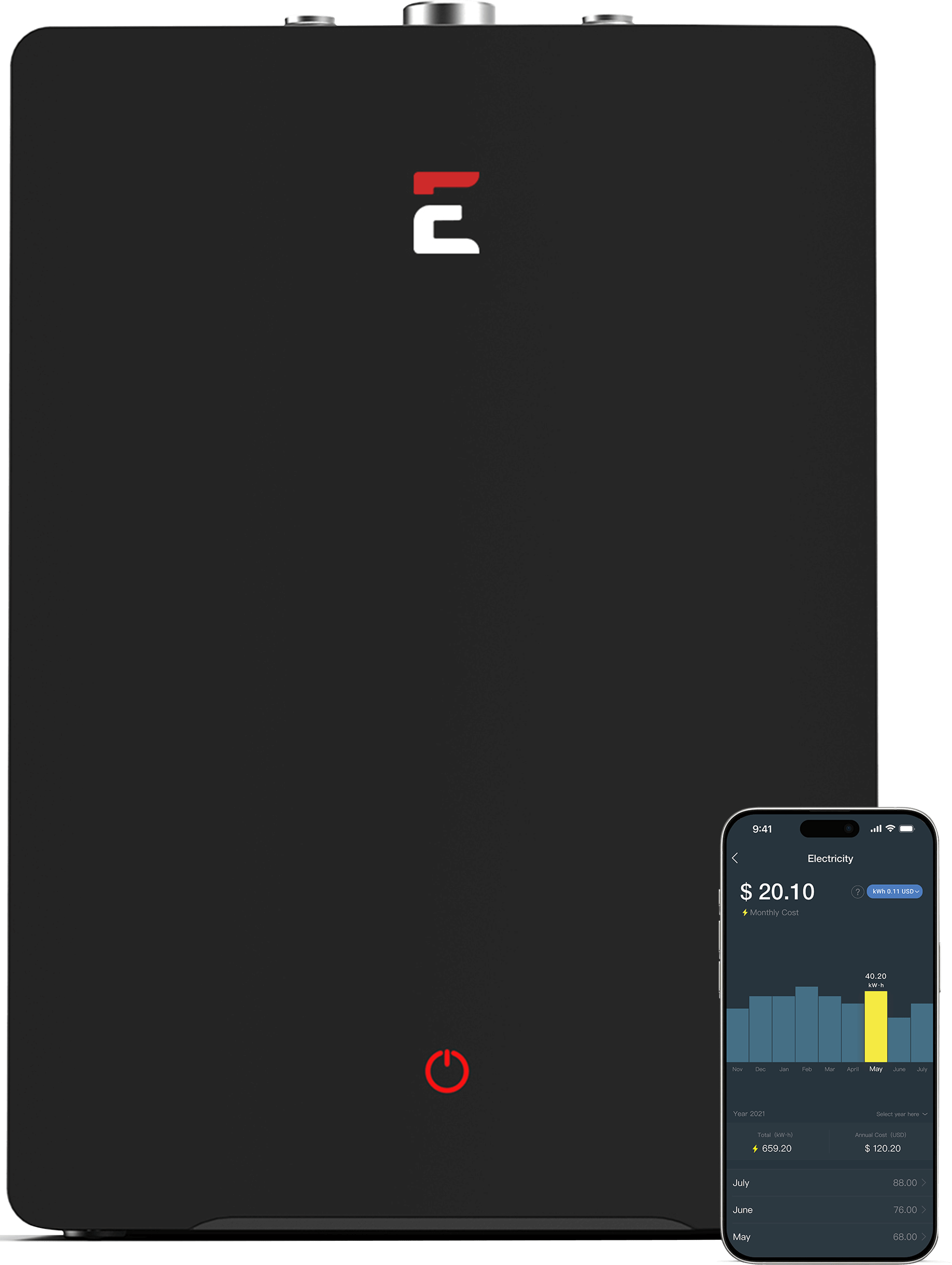
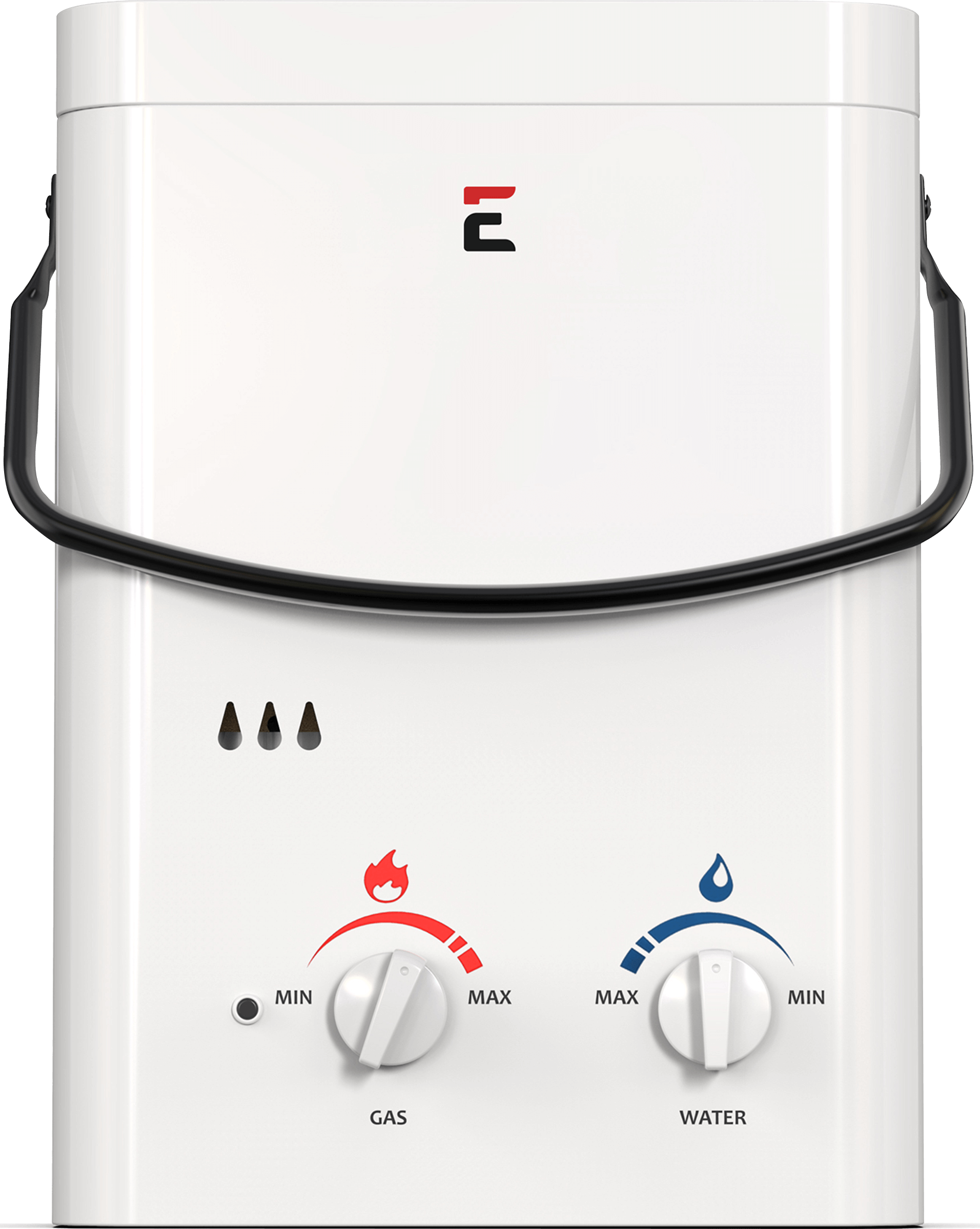
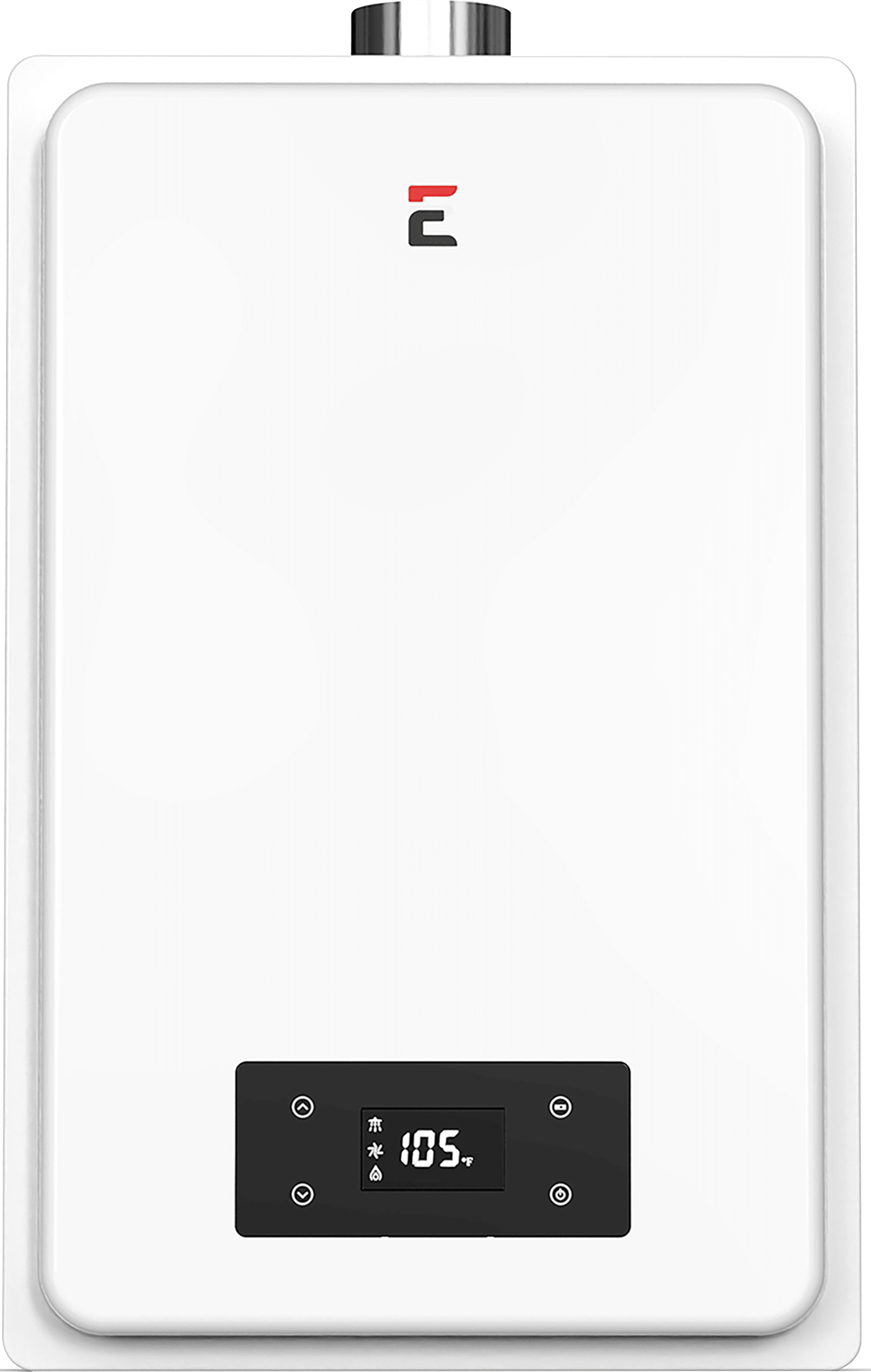
Unlike traditional storage models, tankless technology heats water only when needed. Rather than maintaining a large reservoir of hot water throughout the day, heating occurs as water flows through the appliance.
This approach eliminates standby heat loss and can significantly improve energy efficiency.
The result is a more demand-driven approach to water heating that aligns closely with modern energy-saving goals.
Many homeowners appreciate that tankless water heaters provide hot water on demand while potentially lowering energy consumption. Because heating occurs only when needed, less energy is wasted compared to continuously maintaining a tank of hot water.
These benefits make tankless technology an increasingly popular consideration during home energy audits.
Summer Is the Perfect Time for Upgrades
June offers several advantages for evaluating and upgrading water heating equipment.
First, weather conditions are generally favorable for installation projects. Contractors often have greater flexibility before peak home improvement activity later in the summer.
Second, homeowners can identify inefficiencies before utility bills reach their highest seasonal levels.
Third, upgrading before the holiday season allows families to enjoy improved performance during periods of increased hot water demand.
A proactive approach can prevent emergency replacements and allow homeowners to research options carefully rather than making rushed decisions after a failure occurs.
Additional Ways to Reduce Water Heating Costs
A water heater energy audit summer US 2026 should extend beyond the appliance itself. Household habits also play an important role in overall energy consumption.
Taking shorter showers can reduce both water and energy usage. Even a few minutes less per shower can produce meaningful savings over time.
Washing clothes in cold water whenever appropriate reduces the demand for heated water and can lower utility costs.
Fixing leaking faucets prevents unnecessary hot water waste. A small drip may seem insignificant, but continuous leakage can add up substantially throughout the year.
Insulating hot water pipes helps maintain temperature as water travels through the home. This reduces the amount of energy required to deliver hot water to fixtures.
Using water-efficient showerheads and faucets can also decrease hot water consumption while maintaining comfort and performance.
Combined with an efficient water heater, these strategies create a comprehensive approach to lowering energy expenses.
Calculating Potential Savings
Many homeowners are surprised by how much energy savings can accumulate over time.
Even modest improvements in water heating efficiency can reduce monthly utility bills. Over the course of several years, those savings often offset a significant portion of the initial investment associated with upgrading equipment.
When evaluating costs, it is important to consider the total cost of ownership rather than focusing solely on purchase price. Energy consumption, maintenance requirements, lifespan, and performance all contribute to long-term value.
A comprehensive energy audit helps homeowners make informed decisions based on actual operating costs rather than assumptions.
Environmental Benefits of Improved Efficiency
Reducing water heating energy consumption does more than lower utility bills. It also contributes to broader sustainability goals.
Every kilowatt-hour of electricity or therm of natural gas saved reduces environmental impact. As homeowners across the country seek ways to improve efficiency, water heating represents an important opportunity for meaningful reductions in household energy use.
More efficient water heating can help decrease greenhouse gas emissions while supporting efforts to create more sustainable homes.
For environmentally conscious homeowners, these benefits add another compelling reason to evaluate water heating performance during a summer energy audit.
Preparing for the Future of Home Energy Management
Energy awareness continues growing throughout the United States as homeowners seek greater control over utility expenses. Advances in technology, rising energy costs, and increased focus on sustainability are encouraging families to evaluate every aspect of household energy consumption.
Water heating remains one of the most important areas to assess because it affects daily comfort, monthly expenses, and overall efficiency.
A June energy audit offers a practical opportunity to determine whether your water heater is helping or hurting your financial goals. By understanding current performance, identifying inefficiencies, and exploring modern alternatives, homeowners can make informed decisions that deliver benefits throughout the year.
Conclusion
If your utility bills have been creeping upward in recent months, now is the perfect time to take a closer look at your water heater. While air conditioning often receives the most attention during summer, water heating remains one of the largest and most consistent energy expenses in many homes.
Conducting a water heater energy audit in the summer of 2026 can reveal hidden inefficiencies, highlight opportunities for savings, and help homeowners make smarter energy choices. Whether the solution involves adjusting temperature settings, improving household habits, enhancing insulation, or upgrading to modern tankless technology, every improvement contributes to lower utility costs and better overall efficiency.
As homeowners across the country perform mid-year energy audits, one question deserves special attention: Is your water heater the biggest drain on your utility bill? The answer may surprise you, and addressing it could be one of the smartest energy-saving decisions you make this year.
Frequently Asked Questions (FAQ)
What is a water heater energy audit?
A water heater energy audit is the process of evaluating how efficiently your water heater operates and how much it contributes to your household energy consumption. It helps identify energy waste, maintenance needs, and opportunities for cost savings.
Why should I perform a water heater energy audit in June?
June is an ideal time because many homeowners experience rising utility bills as summer begins. Conducting an audit before peak energy usage can help identify inefficiencies and reduce costs throughout the season.
How much of my energy bill comes from water heating?
Water heating is often the second-largest energy expense in a home after heating and cooling. Depending on household size and usage habits, it can account for a significant portion of annual utility costs.
What are signs that my water heater is wasting energy?
Common signs include increasing utility bills, inconsistent hot water temperatures, unusual noises, visible corrosion, leaks, and a water heater that is more than 10 years old.
Can lowering my water heater temperature save money?
Yes. Setting your water heater to approximately 120°F can reduce energy consumption while still providing sufficient hot water for daily household activities.
What is standby heat loss?
Standby heat loss occurs when a storage-style water heater continuously uses energy to keep water hot, even when no hot water is being used. This ongoing energy use can increase utility costs over time.
Are tankless water heaters more energy efficient?
Tankless water heaters are generally more energy efficient because they heat water only when needed. This eliminates standby heat loss and can help reduce overall energy consumption.
How often should I inspect my water heater?
Homeowners should inspect their water heater at least once a year. Regular inspections can help identify leaks, corrosion, sediment buildup, and other issues that may affect efficiency and performance.
Can an older water heater increase my utility bills?
Yes. Older water heaters often become less efficient due to wear, sediment accumulation, and outdated technology, causing them to consume more energy than newer models.
What are the easiest ways to lower water heating costs?
Simple strategies include reducing shower times, fixing leaking faucets, insulating hot water pipes, washing clothes in cold water when possible, lowering temperature settings, and upgrading to a more efficient water heater when appropriate.