 Weekly Deals
 Water Heaters
 Accessories
 Installation
 Parts
Parts
 Protection Plans
 Final Sale


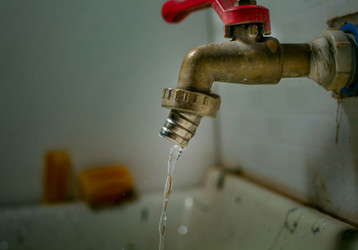


Why Your Old Tank Heater Struggles in Summer (And What to Do About It)
When most homeowners think about water heater problems, winter usually gets the blame. Cold weather, freezing pipes, and increased hot water demand often take center stage. However, many homeowners across the United States are discovering that summer can be just as challenging for older tank-style water heaters. In fact, searches related to tank water heater problems summer 2026 are rapidly increasing as rising temperatures, higher utility costs, and aging home appliances create unexpected frustrations during the hottest months of the year.
An older tank heater may seem reliable because it has worked for years without major issues. But summer places unique stress on aging equipment in ways many people do not realize. Higher groundwater temperatures, seasonal household habits, heavier vacation-related usage, and elevated energy demand can expose weaknesses that remain hidden during cooler seasons. If your water suddenly feels inconsistent, takes longer to heat, or your utility bill spikes during summer, your aging tank heater could be the reason.
Understanding why older tank heaters struggle during summer can help homeowners avoid costly emergencies and make smarter replacement decisions before complete failure happens.
Why Summer Creates Problems for Older Tank Heaters
Many people assume hot weather should make water heating easier. In theory, warmer incoming water should reduce the workload on a heater. While that is partially true, the reality is more complicated for older storage-style models.
During summer, households often use water differently. Children stay home from school, guests visit more often, outdoor showers become common, and laundry loads increase because of sweat, swimming, and travel activities. At the same time, air conditioners already place heavy strain on a home’s electrical demand. Older tank heaters are not designed to operate efficiently under these changing patterns.
An aging tank heater continuously stores heated water even when no one is using it. This standby heating process wastes energy throughout the day. During hot summer months, the surrounding environment becomes warmer, forcing internal components to work under higher temperatures for extended periods. Over time, this added stress weakens heating elements, accelerates corrosion, and reduces overall efficiency.
For many homeowners, summer becomes the season when years of hidden wear finally become impossible to ignore.
Rising Energy Costs Make Old Tank Heaters More Noticeable
One of the biggest reasons homeowners notice tank water heater problems summer 2026 is because energy prices continue to rise. Summer electricity demand increases dramatically across the country as cooling appliances operate longer hours. An inefficient tank heater only adds to the financial pressure.
Older tank heaters consume significant energy because they repeatedly reheat stored water throughout the day. Even when nobody is using hot water, heat gradually escapes from the storage tank. This constant reheating cycle becomes increasingly expensive during summer peak energy periods.
Many homeowners notice utility bills climbing despite using less hot water than expected. The issue is often not the amount of water being used but rather the inefficiency of the aging heater itself.
Modern tankless water heaters solve this issue differently. Instead of continuously storing heated water, they heat water only when needed. This approach reduces wasted energy and helps homeowners better manage summer utility costs.
Sediment Build-Up Becomes Worse in Hot Weather
Sediment accumulation is one of the most common issues affecting older tank heaters. Minerals naturally present in water settle at the bottom of the tank over time. Years of mineral build-up create a thick layer between the heating source and the water itself.
During summer, this problem becomes more noticeable. The heater must work harder to push heat through accumulated sediment, causing overheating, popping noises, inconsistent water temperatures, and reduced efficiency.
In many cases, homeowners begin hearing rumbling or cracking sounds from the tank during summer months. These noises often indicate trapped water bubbles pushing through hardened sediment layers. Unfortunately, once significant build-up occurs, flushing the tank may only provide temporary improvement.
Excessive sediment can also accelerate internal damage. The tank bottom becomes exposed to higher temperatures, increasing the risk of cracks or leaks. For older heaters nearing the end of their lifespan, summer heat can push the equipment past its limit.
Hot Water Runs Out Faster During Summer Activities
Summer often increases household water usage in ways people overlook. Family members shower more frequently after outdoor activities. Guests stay over during vacations. Pools require rinsing before and after swimming. Washing machines run more often because of sweaty clothes, beach towels, and travel preparations.
Older tank heaters struggle to keep up with these sudden bursts of demand. Once the stored hot water is depleted, recovery time becomes slower as aging heating components lose efficiency.
Many homeowners become frustrated when hot water disappears halfway through showers or cannot support multiple family members consecutively. This problem becomes especially noticeable in larger households during summer vacation periods.
Tankless water heaters eliminate this issue by heating water on demand. Instead of relying on limited stored hot water, they provide continuous heating as water flows through the appliance. This makes them particularly attractive for busy summer households.
Corrosion and Rust Often Accelerate in Older Tanks
Humidity and higher temperatures during summer can worsen corrosion inside aging water heaters. Metal components naturally weaken over time, especially in older storage tanks exposed to years of water pressure and mineral deposits.
The anode rod inside a tank heater helps prevent rust by attracting corrosive elements. However, once the rod deteriorates completely, corrosion begins attacking the tank interior directly. Many homeowners do not realize this protective component requires periodic inspection and replacement.
Summer can expose hidden rust problems through discolored water, metallic odors, or small leaks around the tank base. Once rust compromises the tank structure, replacement usually becomes unavoidable.
Leaks from aging tanks are among the most expensive water heater problems because they can damage flooring, walls, and nearby appliances. Replacing an outdated heater before complete failure can prevent major home repair costs.
Older Heaters Struggle With Modern Household Demands
Homes today use more hot water than ever before. Larger showers, upgraded washing machines, luxury bathrooms, outdoor kitchens, and frequent laundry cycles place higher demands on water heating equipment.
Many older tank heaters were installed when household usage patterns were much lower. What worked efficiently fifteen years ago may no longer support a modern family’s daily routine.
Summer magnifies these shortcomings because people spend more time at home, entertain guests, and increase outdoor activity. An outdated heater may constantly operate at maximum capacity without delivering consistent performance.
Homeowners often mistake these frustrations as temporary seasonal inconveniences when they actually signal that the heater can no longer meet the household’s needs effectively.
Signs Your Old Tank Heater Is Failing
Recognizing early warning signs can help homeowners avoid sudden breakdowns during summer. One of the most common indicators is inconsistent water temperature. If water suddenly turns cold during showers or fluctuates unpredictably, the heating components may be weakening.
Another common warning sign is rising energy bills without significant changes in household usage. Older heaters lose efficiency gradually, making higher operating costs easy to overlook until summer energy demand increases overall expenses.
Strange noises coming from the tank often indicate sediment accumulation or internal stress. Rumbling, popping, or banging sounds should never be ignored because they frequently signal advanced wear.
Visible rust around fittings or water discoloration can indicate internal corrosion. Even small leaks near the base of the heater may suggest structural deterioration inside the tank.
Finally, age itself matters. Most traditional tank heaters typically last between eight and twelve years depending on maintenance and water quality. If your heater is approaching or exceeding this range, summer problems may indicate replacement is the smarter long-term solution.
Why More Homeowners Are Switching to Tankless Options in 2026
As awareness grows around tank water heater problems summer 2026, many homeowners are exploring tankless alternatives. Modern tankless technology addresses several of the most common frustrations associated with older storage tanks.
One major advantage is energy efficiency. Tankless heaters operate only when hot water is needed, reducing standby energy waste. This can help lower summer utility bills while supporting environmentally conscious households.
Another advantage is continuous hot water availability. Families no longer need to wait for a storage tank to refill and reheat after multiple showers or laundry cycles.
Tankless models also take up less space compared to bulky storage tanks. This becomes valuable for homeowners looking to improve garage, utility room, or outdoor living space organization.
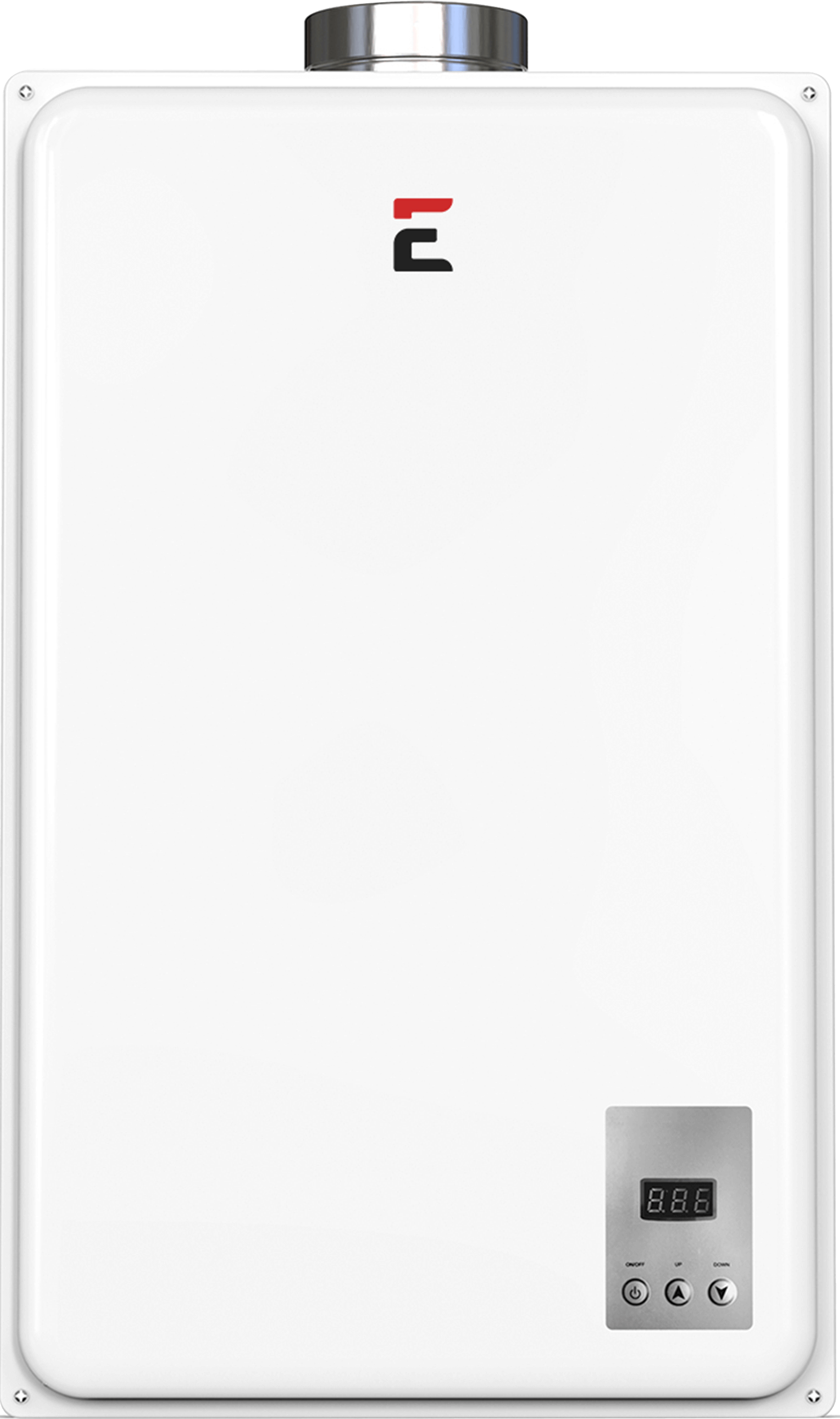
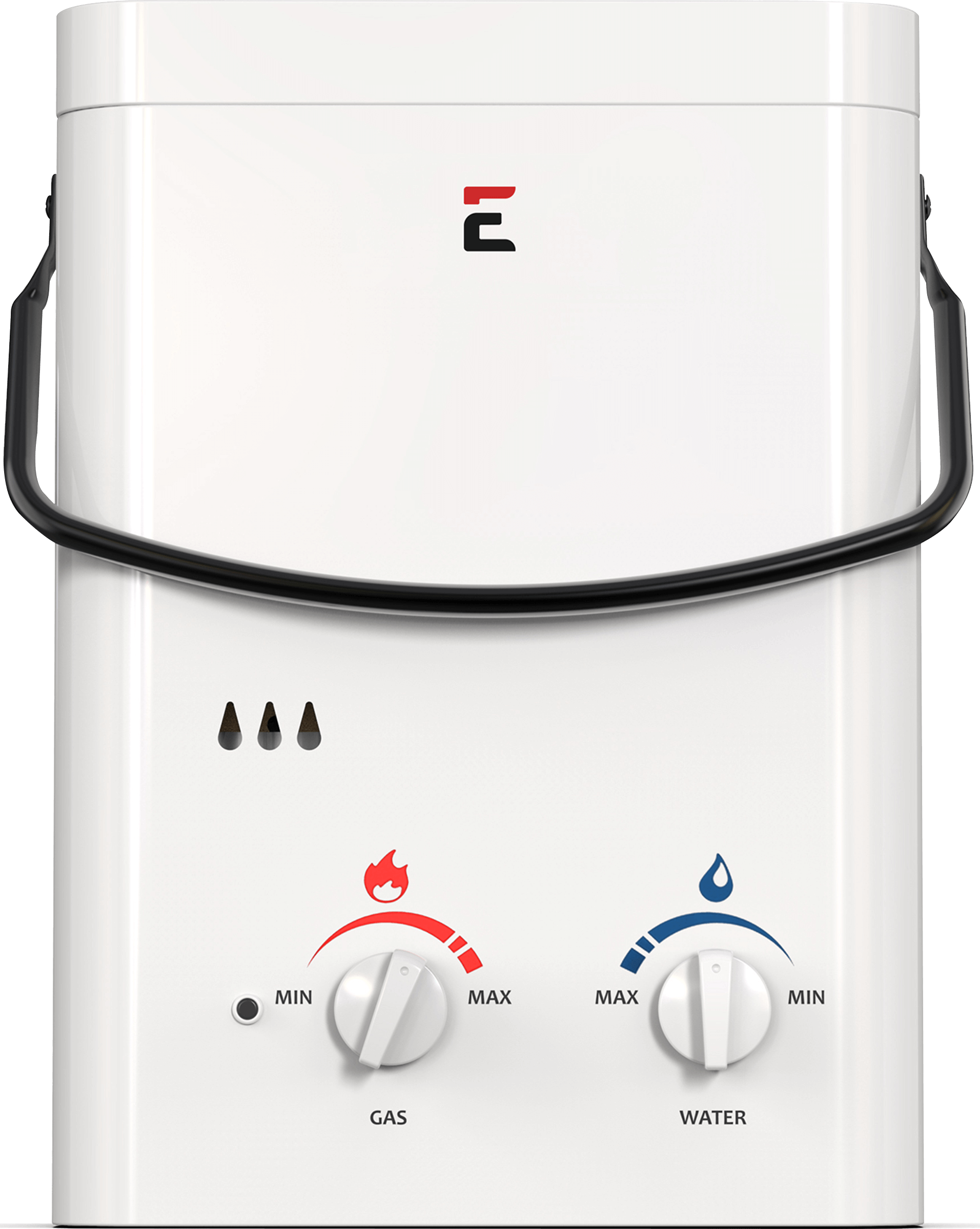
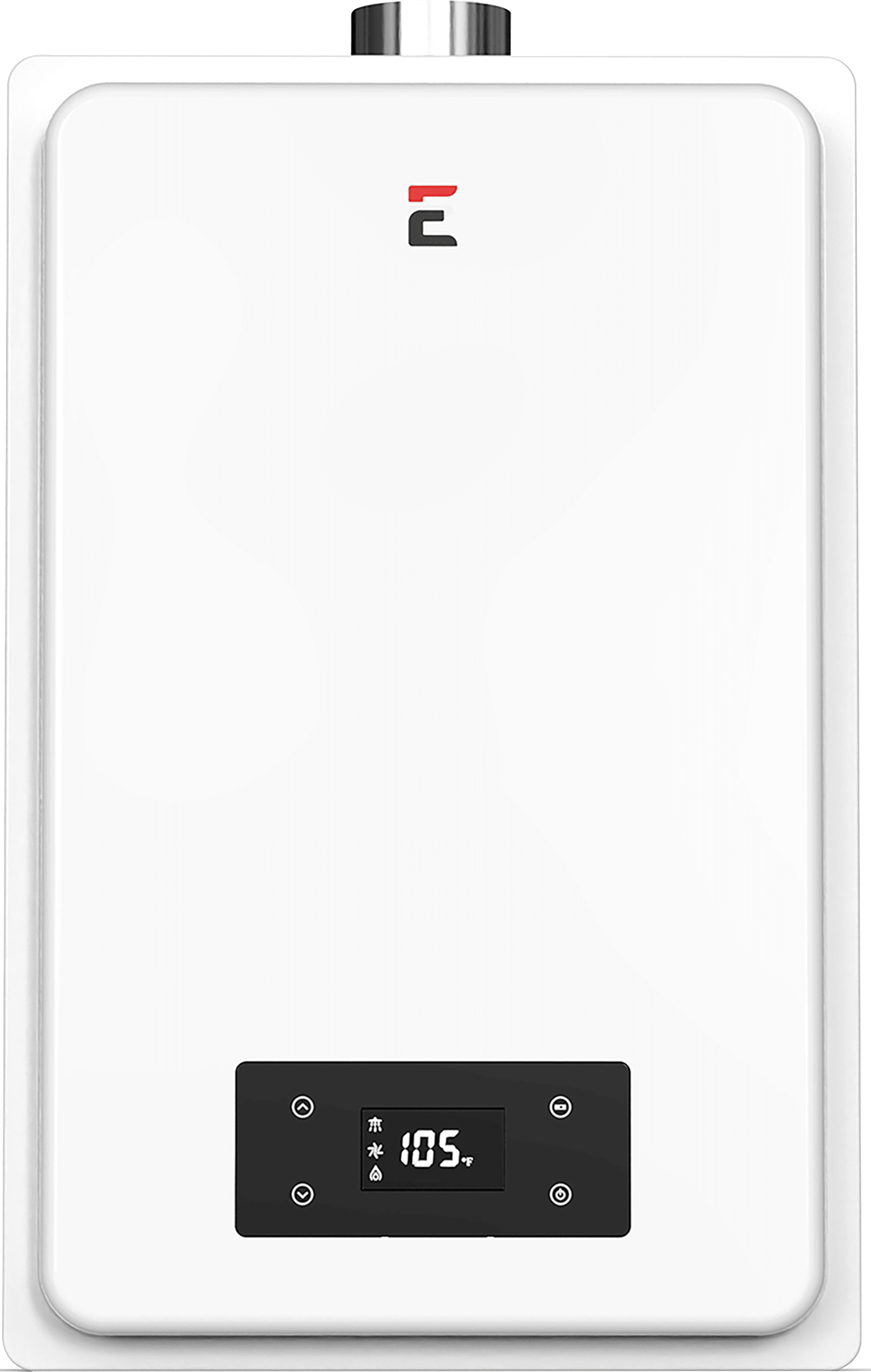
Brands like Eccotemp have gained attention for offering modern solutions designed for both residential and outdoor lifestyles. Many homeowners appreciate the convenience, compact design, and improved efficiency compared to aging storage-style heaters.
What Homeowners Can Do Right Now
If replacing your heater immediately is not possible, there are still steps homeowners can take to reduce summer performance issues.
Flushing the tank can help remove accumulated sediment and improve efficiency temporarily. Inspecting the anode rod may also slow corrosion if the component is replaced before severe damage occurs.
Lowering the thermostat slightly during summer can reduce energy consumption while still providing comfortable hot water temperatures. Insulating exposed pipes may also help retain heat more effectively.
However, these maintenance steps only delay inevitable aging problems if the heater is already nearing the end of its lifespan.
For homeowners experiencing repeated breakdowns, inconsistent hot water, rising utility bills, or visible corrosion, investing in a newer high-efficiency option often becomes more cost-effective than continued repairs.
Summer Is Often the Best Time to Replace an Aging Heater
Ironically, summer may actually be the ideal season for upgrading a failing water heater. Many homeowners wait until winter emergencies force urgent replacement decisions. Planning ahead during summer allows more time to research options, compare efficiency ratings, and schedule installation conveniently.
Replacing an outdated tank heater before total failure can prevent water damage, unexpected repair bills, and uncomfortable disruptions later in the year.
Summer also gives homeowners the opportunity to evaluate how their household uses hot water and choose a solution that better matches modern lifestyles.
As energy costs continue rising and households demand greater efficiency, many families are discovering that replacing an old tank heater is not simply about comfort anymore. It is also about reducing long-term operating costs and improving overall home performance.
Final Thoughts
An aging tank heater may seem dependable, but summer conditions often expose hidden inefficiencies and wear that have developed over years of operation. Rising energy prices, increased household water usage, sediment accumulation, corrosion, and outdated technology all contribute to growing tank water heater problems summer 2026.
What starts as occasional inconsistent hot water or higher utility bills can quickly turn into leaks, expensive repairs, or complete equipment failure during peak summer demand.
Understanding these warning signs gives homeowners the chance to act before emergencies happen. Whether through maintenance, upgrades, or transitioning to a modern tankless solution, addressing water heater problems early can improve comfort, lower energy costs, and provide greater peace of mind throughout the hottest months of the year.
Frequently Asked Questions (FAQ)
Why does my old tank heater stop producing enough hot water during summer?
Summer activities often increase household water usage significantly. More showers, laundry, guests, and outdoor cleaning can quickly deplete stored hot water, especially if the heater is older and less efficient.
Can summer heat damage a tank water heater?
High surrounding temperatures do not directly destroy the heater, but they can increase stress on aging components, worsen corrosion, and expose existing weaknesses inside older tanks.
How long does a traditional tank heater usually last?
Most traditional tank heaters last between eight and twelve years depending on maintenance, water quality, and usage patterns.
Why is my water heater making popping noises?
Popping or rumbling sounds often indicate sediment build-up at the bottom of the tank. Trapped water bubbles push through hardened mineral deposits during heating.
Is it worth replacing an old tank heater with a tankless model?
Many homeowners choose tankless options because they provide better energy efficiency, continuous hot water, and lower standby energy waste compared to older storage-style heaters.
Can a tank heater increase summer electricity bills?
Yes. Older tank heaters continuously reheat stored water even when no hot water is being used, contributing to higher summer utility costs.