 Weekly Deals
 Water Heaters
 Accessories
 Installation
 Parts
Parts
 Protection Plans
 Final Sale




How to Troubleshoot Electric Tankless Water Heater Problems
Updated August 2026 – This guide was refreshed with clearer troubleshooting steps for power, water flow, temperature, noise, error codes, descaling, and when to call a professional.
Electric tankless water heater problems often begin with the power supply, water flow, temperature setting, inlet filter, or a model-specific fault. Start with the simple checks you can complete without opening the unit. Confirm that the heater has power and water, read any displayed error code, and check whether the problem affects one fixture or the entire home.
Do not remove the cover or work on wiring, breakers, heating elements, or internal sensors yourself. In this guide, we’ll explain what each symptom may mean, what you can safely check, and when to contact a qualified professional.
Key Takeaways
- Check the display, water supply, shutoff valves, temperature setting, and affected fixtures first.
- Low flow can prevent a flow-activated electric tankless water heater from heating.
- Water that is not hot enough may indicate excessive demand or a temperature rise beyond the unit’s capacity.
- Error codes have different meanings across models, so use the manual for your exact unit.
- Persistent breaker trips, leaks, burning odors, and internal faults require professional service.
- Do not open or repair an energized electric water heater.
Start With These Safe Troubleshooting Checks
Before changing anything, identify the symptom and look at the heater’s display. Note any error code, blinking sequence, unusual sound, or visible leak. This information can help Eccotemp Support or a service technician diagnose the problem. Without opening the unit, confirm:
- The heater is switched on.
- The home has both electricity and water service.
- The water shutoff valve is fully open.
- The hot-water fixture is open far enough to create adequate flow.
- The selected temperature has not been changed.
- A timer, schedule, or control setting is not preventing operation on a compatible smart model.
- The problem occurs at more than one faucet or shower.
If the issue appears at only one fixture, inspect that fixture’s aerator, showerhead, or mixing valve before assuming the water heater has failed.
Safety note: Some electric tankless water heaters use more than one power-supply connection. Turn off every circuit serving the heater before any qualified service work begins. Follow the manual for your exact model.
Electric Tankless Water Heater Troubleshooting by Symptom
|
Problem |
Possible cause |
Safe first checks |
When to call a professional |
|
Display is blank |
No power, tripped breaker, control issue, or electrical fault |
Confirm the heater is switched on and visually check the breaker position |
Call an electrician if the breaker trips again or the display remains blank |
|
Water stays cold |
Insufficient flow, closed valve, low setting, power loss, schedule, or fault code |
Open the valve and hot faucet fully, check the display, and review control settings |
Contact service if the heater has power but does not activate |
|
Water is not hot enough |
High flow, excessive simultaneous demand, low set point, cold incoming water, or undersized unit |
Increase the set point within the manual’s limits or reduce simultaneous hot-water use |
Request a sizing or electrical evaluation if the issue is persistent |
|
Water changes from hot to cold |
Flow falls below the activation threshold, demand changes, filter restriction, or sensor problem |
Test one fixture at a steady flow and check for a displayed code |
Call for service if the problem affects several fixtures |
|
Hot-water flow is weak |
Partly closed valve, clogged inlet screen, fixture restriction, scale, or plumbing issue |
Confirm valves are open and compare hot and cold flow at several fixtures |
Have the filter or plumbing inspected if restriction continues |
|
Heater makes unusual noise |
Water movement, pipe expansion, scale, vibration, or an internal electrical component |
Record when the sound occurs and check for error codes or reduced performance |
Turn off the unit and call for service if there is banging, sizzling, a burning smell, or strong vibration |
|
Water is leaking |
Loose plumbing connection, damaged seal, or internal component failure |
Turn off power and water if this can be done safely |
Contact a plumber or qualified technician promptly |
|
Error code appears |
Overheating, temperature-sensor fault, dry-heating protection, flow issue, or another model-specific condition |
Record the complete code and consult the exact product manual |
Contact Eccotemp Support if the manual directs you to service |
Why Is My Electric Tankless Water Heater Not Turning On?
A blank display or inactive heater can result from a power interruption, a switched-off unit, a tripped circuit breaker, or an internal electrical problem. Check whether other electrical devices in the home are working and look at the breaker position without removing the panel cover.
If a breaker has tripped, follow your water heater manual and home electrical-safety procedures. Do not repeatedly reset it. A breaker that trips again may indicate an overloaded circuit, incorrect installation, damaged wiring, or a fault inside the heater.
Electric tankless units commonly require dedicated circuits, and requirements vary by model. A licensed electrician should verify the circuits, breaker configuration, wire size, grounding, and supply voltage. Eccotemp’s guide to electric tankless water heater installation requirements explains why the home’s electrical capacity matters.
Why Is the Water Still Cold?
Electric tankless water heaters activate in response to water flow. If the flow through the heater is below the model’s activation threshold, the display may stay in standby mode and the heating elements may not turn on.
Open one hot-water faucet fully and watch the display. If the heater activates at a higher flow but stops when the flow is reduced, the cause may be a restricted aerator, showerhead, inlet screen, partly closed valve, or low-flow fixture.
Check whether the cold-water shutoff valve serving the heater is fully open. If the problem affects only one faucet, clean or inspect that fixture. If no fixture receives hot water, record any error code and consult the manual for your exact model. Do not bypass a safety control or adjust internal components to make the heater activate.
Why Is the Water Not Hot Enough?
A tankless heater can produce continuous hot water only within its heating capacity. Actual output depends on the incoming water temperature, desired outlet temperature, flow rate, available electrical power, and the number of fixtures operating at once.
If the water becomes cooler when another shower, faucet, dishwasher, or washing machine starts, the combined demand may exceed the heater’s capacity. Reduce simultaneous use and test one fixture. You can also lower the water flow slightly, provided the flow stays above the unit’s minimum activation requirement.
Cold incoming water creates a larger temperature rise. A unit that performs well during warmer months may deliver less flow at the same outlet temperature during colder weather. If this pattern has existed since installation, the heater may be undersized or configured below the power needed for the application.
Why Does the Water Turn Hot and Cold?
Temperature changes often point to unstable water flow rather than a failed heating element. The heater may stop heating when flow drops below its activation threshold and begin again after flow increases.
Start by running one hot-water fixture at a steady rate. Avoid rapidly changing the faucet position during the test. If the temperature remains stable, another fixture, a pressure-balancing valve, or changing household demand may be affecting the flow.
A clogged inlet screen, restricted showerhead, or plumbing crossover can create a similar symptom. A crossover allows cold water to enter the hot-water line through a faulty mixing valve or plumbing connection. Diagnosing a crossover or internal sensor fault should be left to a plumber or qualified technician.
Why Is Hot-Water Flow Lower Than Cold-Water Flow?
Compare the hot and cold flow at several fixtures. Low flow at one faucet usually points to its aerator, cartridge, or supply connection. Low hot-water flow throughout the home may involve the heater’s inlet screen, a partly closed valve, scale, or another plumbing restriction.
Current Eccotemp manuals advise cleaning the inlet screen periodically, but the method and access point vary by model. Turn off the water and every power supply before filter service, then follow the exact manual. If you are unsure how to isolate the unit safely, ask a qualified technician to clean it. Do not assume every flow problem requires descaling. Confirm the restriction and follow the maintenance instructions for your model first.
Why Does My Electric Tankless Water Heater Make Noise?
A soft click, brief hum, or sound of moving water may occur as an electric tankless heater activates. New, loud, or persistent noise deserves closer attention, especially when it appears with an error code, reduced flow, unstable temperature, vibration, or a burning smell.
Scale or debris may contribute to some noises by restricting water flow or affecting heat transfer. Plumbing pipes can also tick as they expand and contract. Noise can come from a loose pipe or fitting outside the heater rather than the heater itself.
Do not open the unit to tighten wiring or inspect heating elements. Record the sound, note when it starts, and contact a qualified technician if it continues. Turn off power immediately if you notice sizzling, smoke, a burning odor, leaking water, or strong vibration.
Should You Descale the Water Heater?
Descaling may help when mineral deposits are restricting flow or affecting heat transfer, but it should not be treated as the automatic fix for every noise or temperature problem.
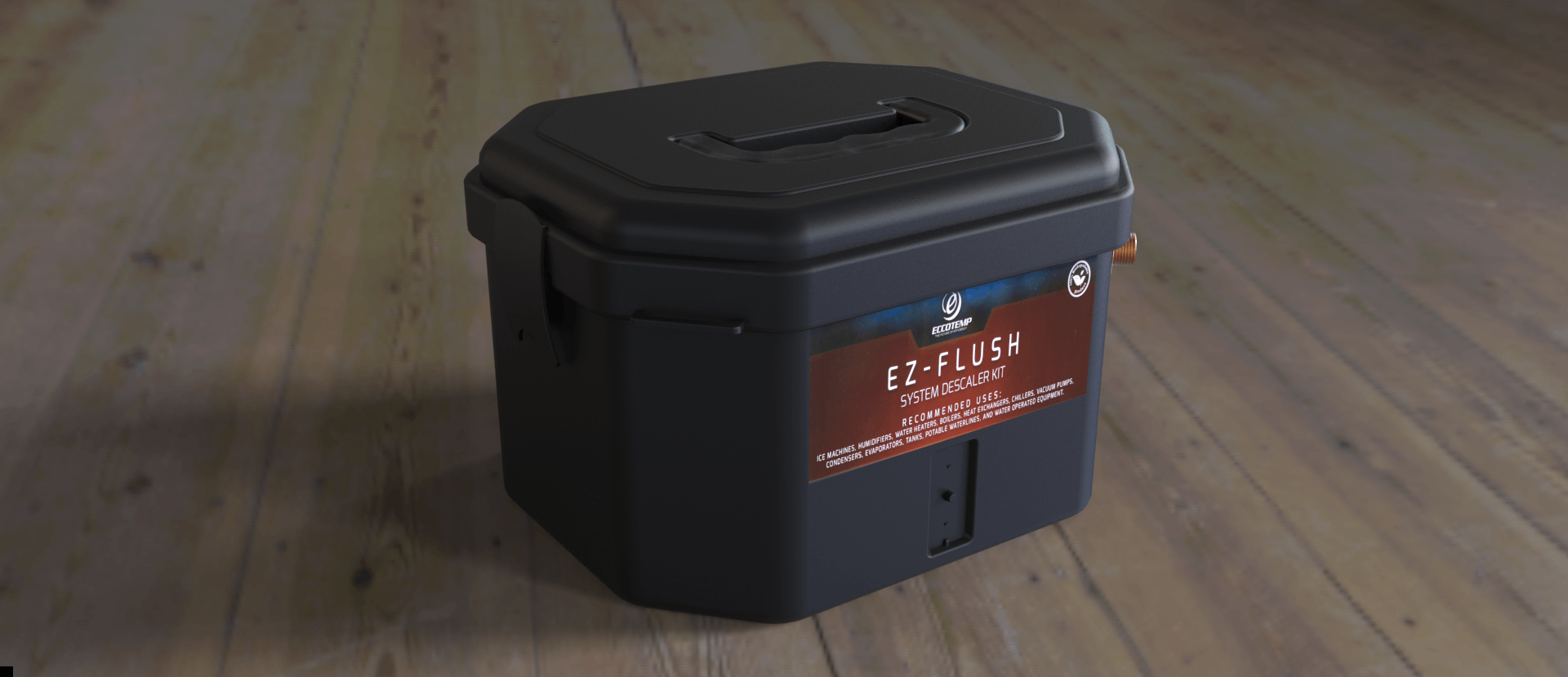
Water hardness, use, model design, and the manufacturer’s maintenance instructions determine when service is needed. Check the manual before connecting a flushing system or using a cleaning solution. Some maintenance steps require isolation valves and safe disconnection from every power supply.
If your model’s instructions call for flushing, follow the approved procedure and use a compatible solution. Eccotemp’s tankless water heater maintenance checklist explains the broader inspection and cleaning tasks that support long-term performance.
What Do Electric Tankless Water Heater Error Codes Mean?
Error codes are model-specific. The same number or letter should not be assumed to mean the same thing across every electric tankless water heater.
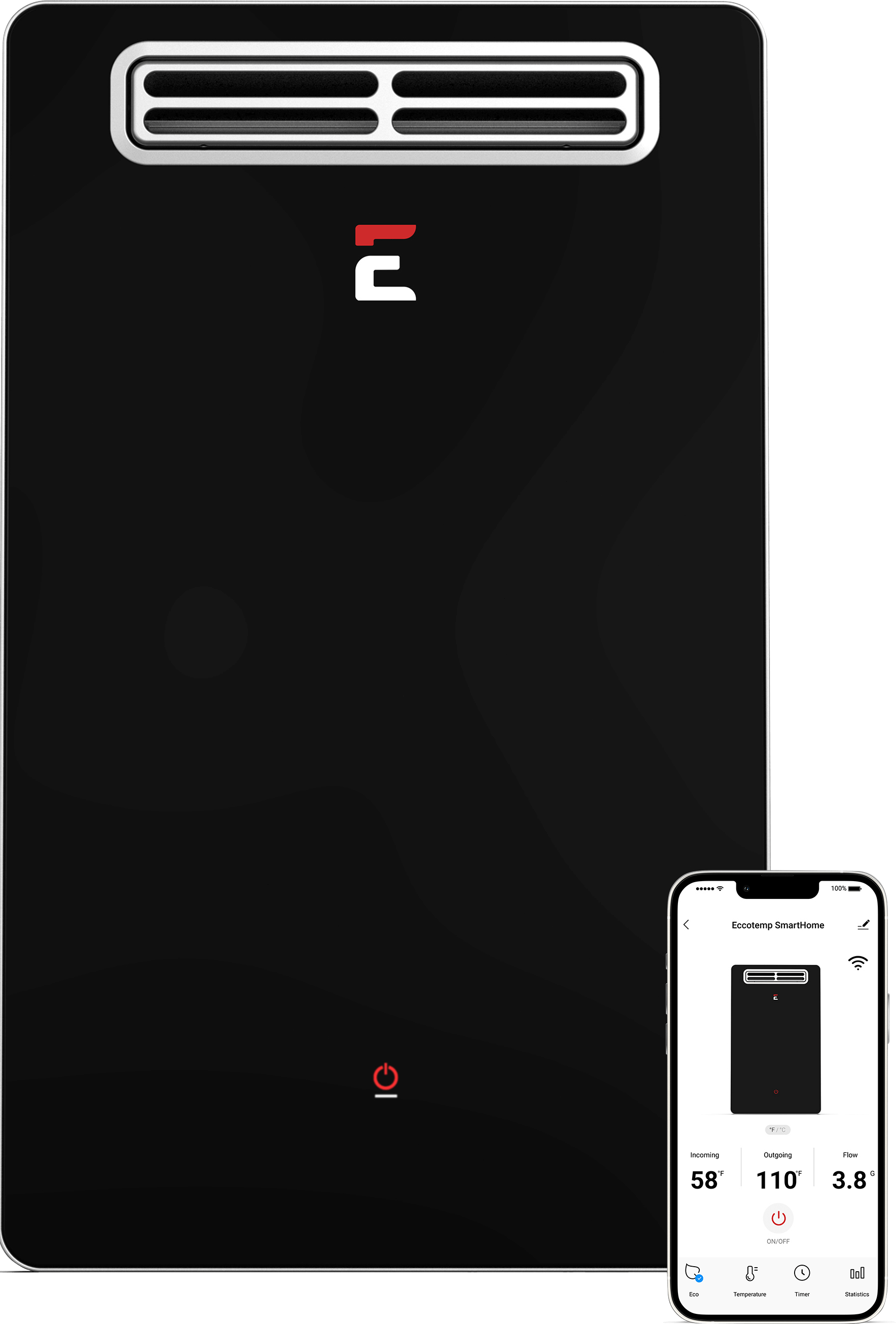
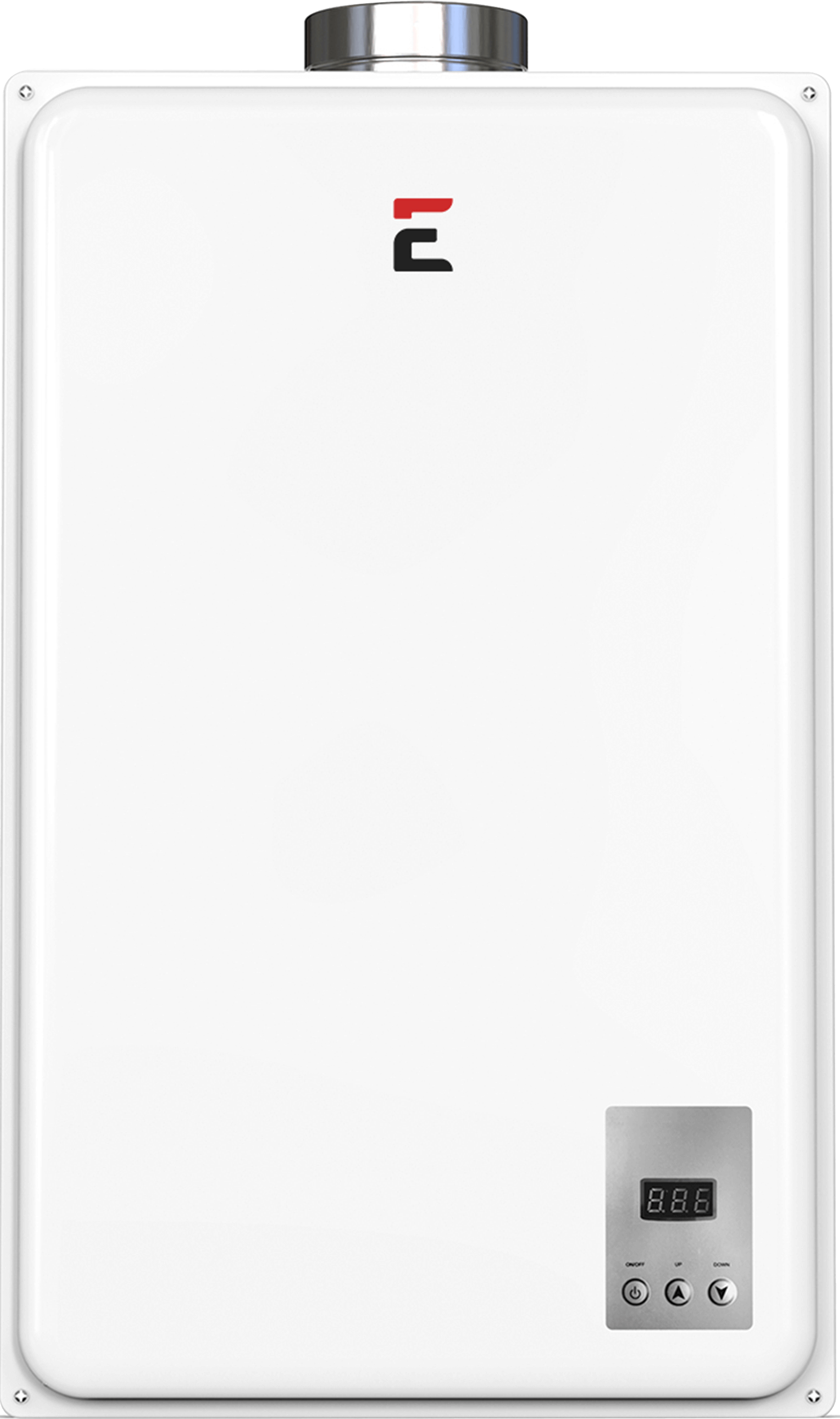
For example, the Eccotemp iE Series manual identifies separate codes for overheating, temperature-sensor malfunctions, and dry-heating protection. The SHiE Series uses its own front-panel and app-based diagnostic system. Use only the code table for your exact model and revision.
When a code appears:
- Write down the complete code.
- Note whether the water is cold, too hot, or changing temperature.
- Check for a leak, unusual smell, or abnormal sound.
- Consult the correct manual in the Eccotemp product-manual library.
- Contact Eccotemp Support when the manual recommends service.
Do not clear a recurring code repeatedly without identifying its cause.
When Should You Stop Troubleshooting?
Stop using the heater and contact a licensed electrician, plumber, or qualified service technician when:
- A circuit breaker trips repeatedly.
- The unit, wiring area, or breaker feels unusually warm.
- You smell burning insulation or see smoke.
- Water is leaking from inside the heater.
- You hear sizzling, arcing, violent banging, or strong vibration.
- An overheating or sensor code returns after the approved reset procedure.
- The display remains blank even though the unit appears to have power.
- The heater requires removal of its cover or testing of internal electrical parts.
Eccotemp manuals warn against installing, repairing, or disassembling electric tankless models without first disconnecting all power. Internal wiring, breaker work, heating-element testing, and sensor replacement are professional tasks.
Get Model-Specific Troubleshooting Help
The safest troubleshooting path is to match the symptom and error code to the manual for the exact model. Have the model number, serial number, error code, installation details, and a description of the problem ready before contacting support.
You can find current manuals and contact options through the Eccotemp Help Desk. If the heater’s capacity no longer matches the home’s hot-water demand, you can compare current electric tankless water heaters after confirming the electrical service and required temperature rise with qualified professionals.
Frequently Asked Questions
Can I reset an electric tankless water heater myself?
Use only the reset procedure in your model’s manual. Turn off every required breaker first. If the heater or breaker trips again, contact a qualified professional.
Does noise mean my electric tankless water heater needs descaling?
Not always. Scale can contribute to noise, but pipe expansion, water flow, vibration, or an internal fault may be responsible. Persistent or loud noise needs inspection.
Why does my electric tankless water heater work only at higher flow?
The lower flow may be below the heater’s activation threshold. A clogged inlet screen, restricted fixture, partly closed valve, or model sizing can contribute.