 Weekly Deals
 Water Heaters
 Accessories
 Installation
 Parts
Parts
 Protection Plans
 Final Sale




Tankless Water Heater vs Traditional Water Heater: Which One Is Better for Your Home?
Choosing the right water heater for your home is not just about getting hot water when you need it. It is also about long-term savings, comfort, energy efficiency, maintenance, and how well the system fits your lifestyle. Many homeowners today are asking the same question: Should they invest in a tankless water heater or stick with a traditional storage tank water heater?
Both options have clear advantages and disadvantages depending on your household size, daily hot water usage, and budget. In this guide, we will compare tankless water heaters and traditional water heaters in terms of cost, energy efficiency, lifespan, performance, and overall value so you can confidently choose the best option for your home.
Understanding How Traditional Water Heaters Work
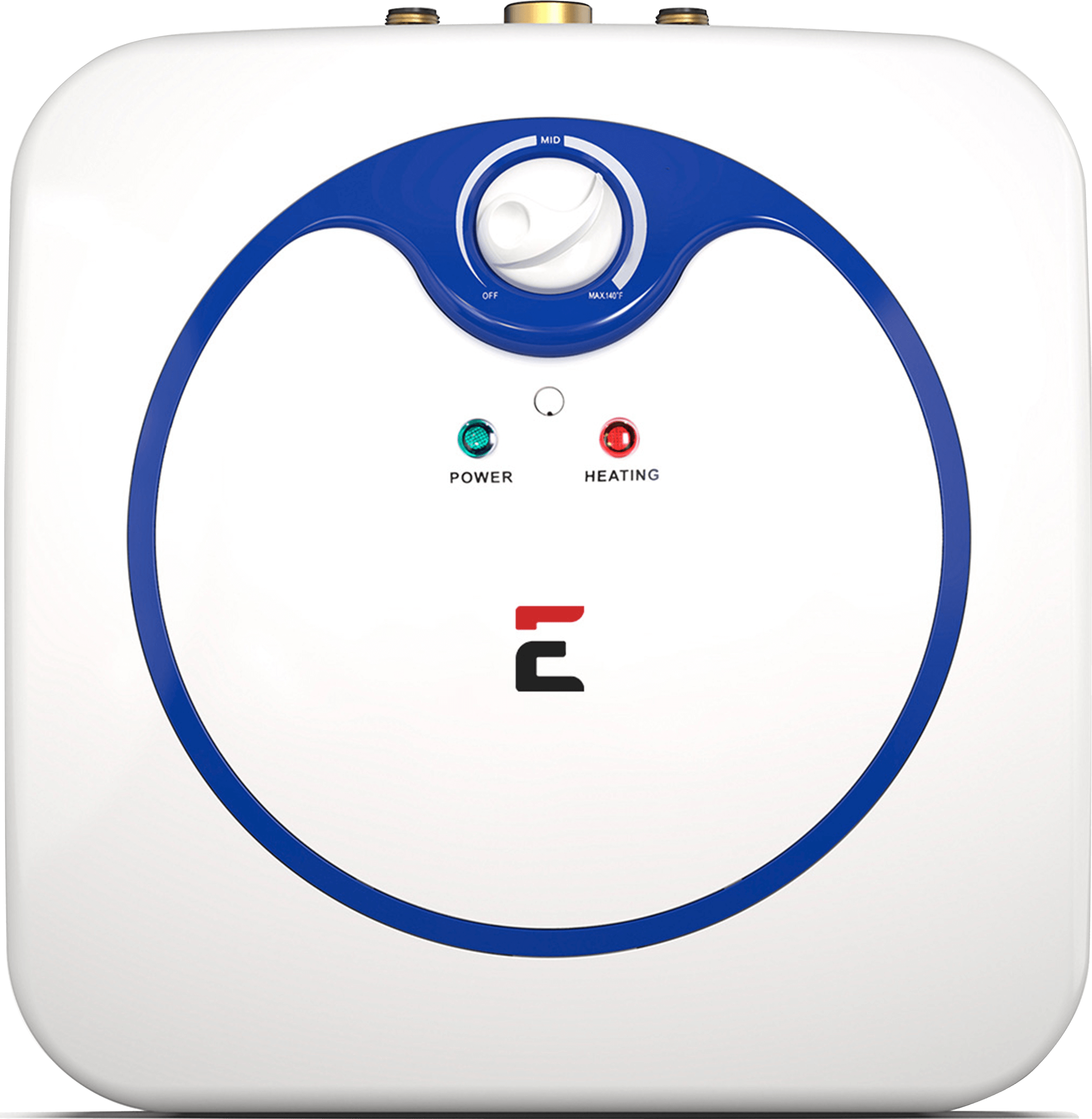
A traditional water heater, also called a storage tank water heater, is the type most homes have used for decades. It works by storing a large amount of water inside a tank and continuously heating it to maintain a set temperature. When you turn on your shower or faucet, hot water flows out from the tank and is replaced by cold water that gets heated again.
This design is simple, reliable, and familiar to many homeowners. However, it also comes with a drawback: it keeps heating water even when no one is using it. That constant heating cycle can lead to higher energy consumption over time.
Traditional water heaters are usually powered by electricity, natural gas, or propane. They come in various tank sizes, such as 30, 40, 50, or even 80 gallons, depending on the needs of the home.
Understanding How Tankless Water Heaters Work
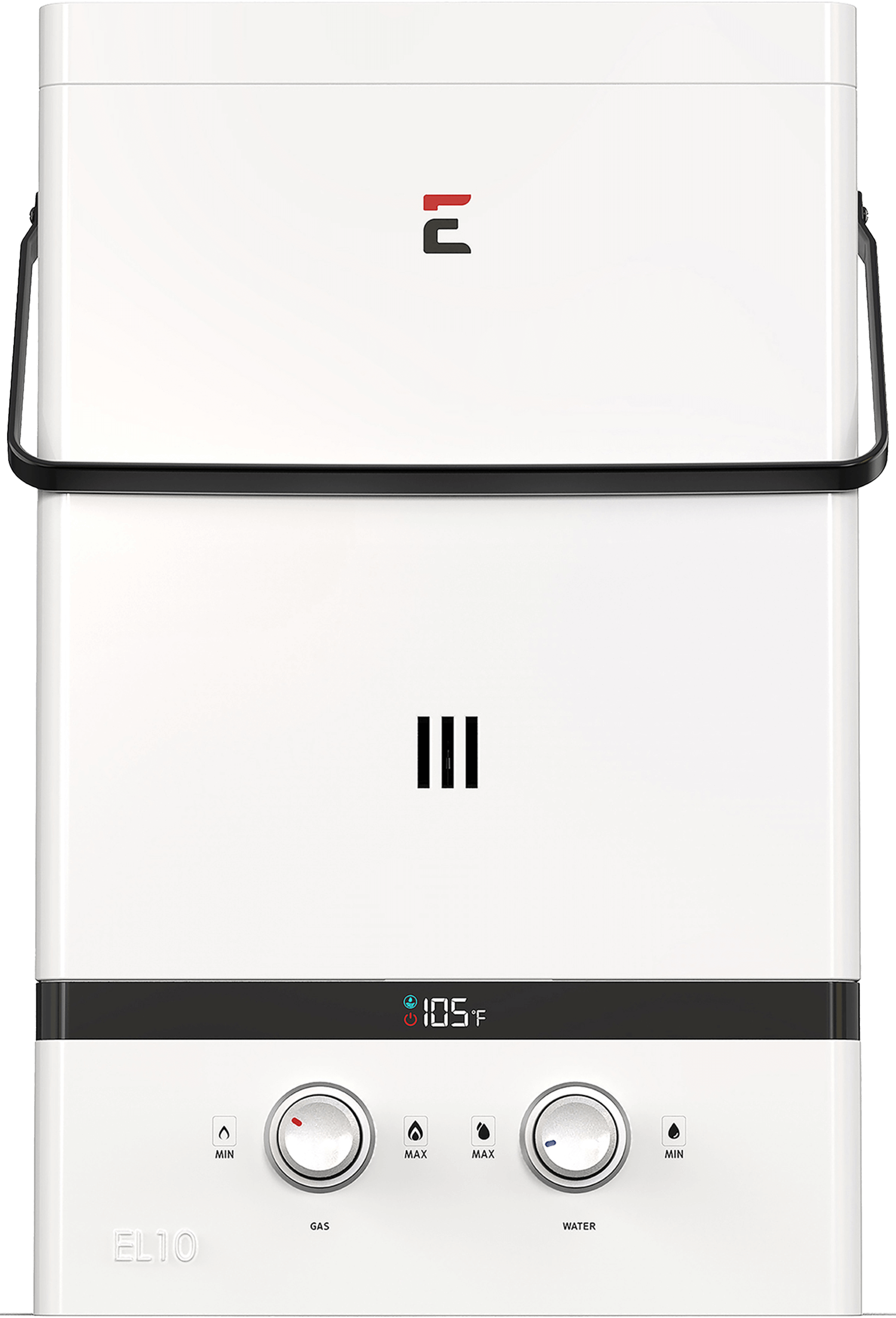
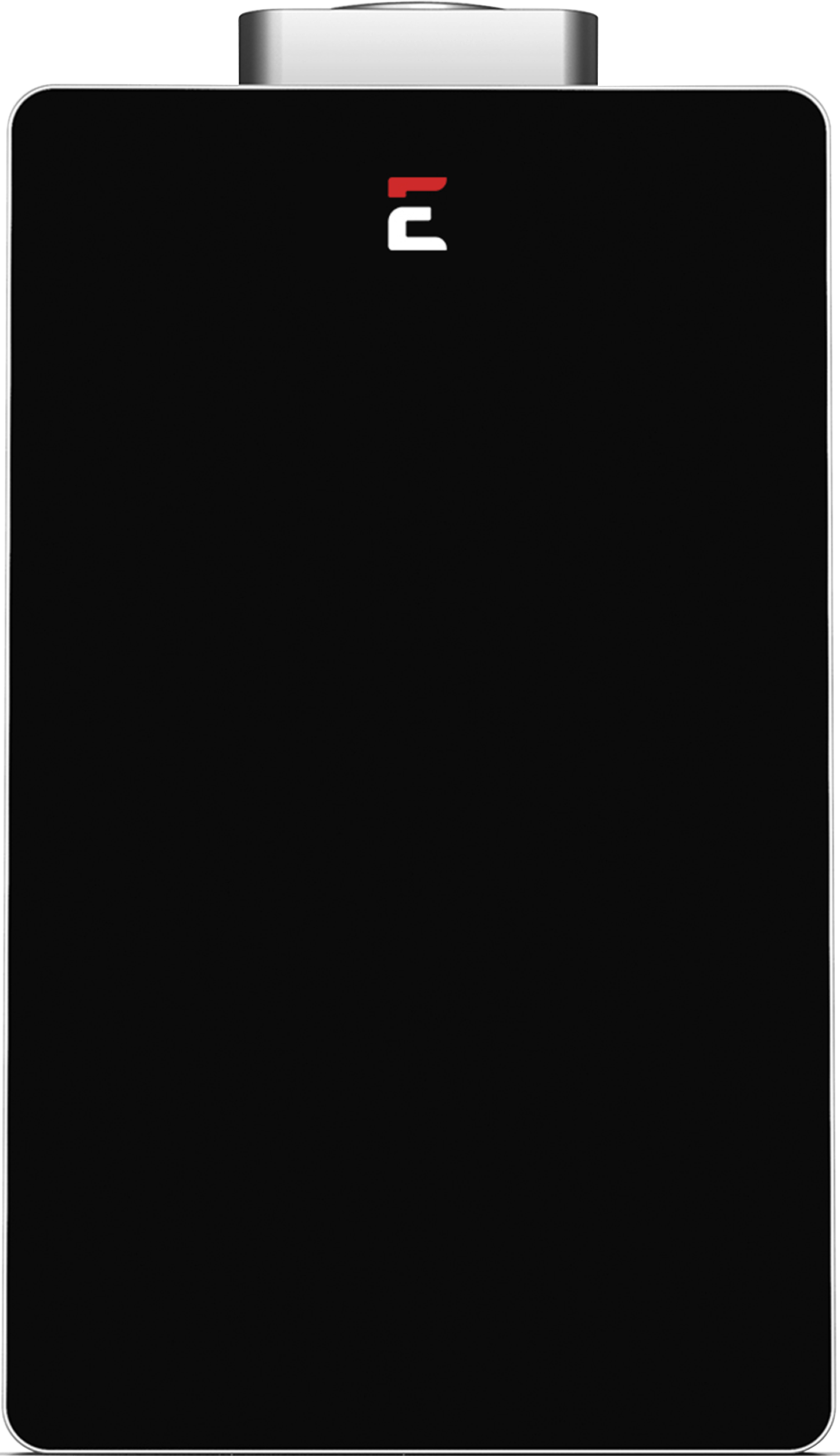
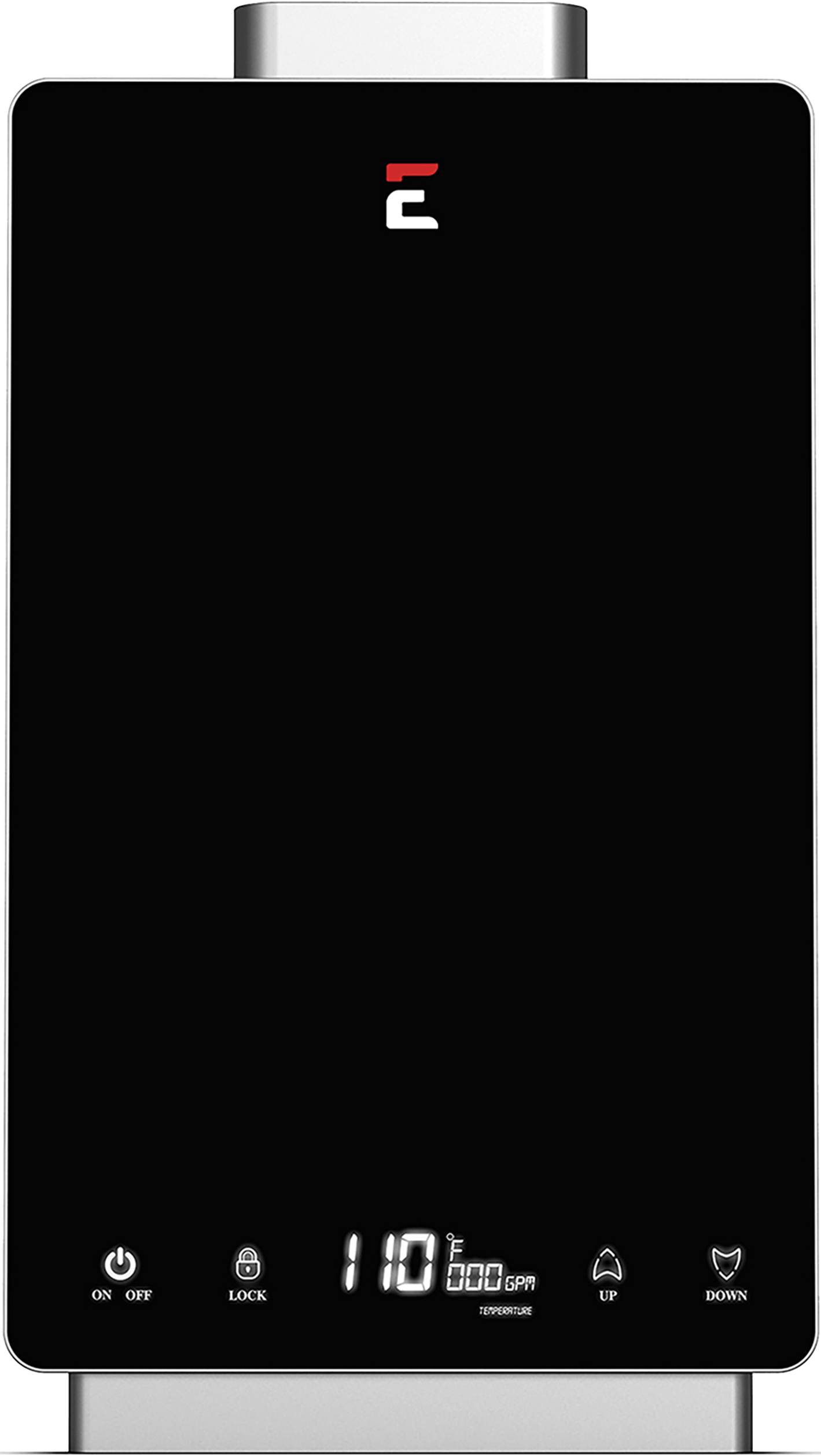
A tankless water heater, often called an on-demand water heater, works differently. Instead of storing heated water, it heats water only when you need it. When you turn on a hot water tap, cold water flows through the heater and is instantly warmed using a gas burner or electric heating element.
This means you are not paying to keep a tank full of water hot all day long. Tankless water heating is designed to deliver hot water more efficiently while reducing wasted energy.
Tankless water heaters are popular for modern homes, cabins, outdoor setups, and even off-grid living because they are compact and provide hot water as long as the system can keep up with demand.
Cost Comparison: Tankless vs Traditional Water Heater
One of the first things homeowners consider is the price.
Traditional water heaters usually have a lower upfront cost. Since they are widely available and have a simpler design, they tend to be less expensive to purchase and install. If you are replacing an existing tank heater with another tank heater, installation is often straightforward because the plumbing connections are already in place.
Tankless water heaters typically cost more upfront. The heater itself is usually a little bit expensive, and installation can also be more complex. Some homes may need upgraded gas lines, electrical improvements, or ventilation adjustments to support a tankless setup. These factors can increase installation costs significantly.
However, it is important to consider long-term value. Tankless water heaters are known for saving energy, lasting longer, and reducing monthly utility bills. Over time, those savings may help offset the initial investment.
Energy Efficiency: Which Option Saves More?
Energy efficiency is where tankless water heaters often stand out.
Traditional water heaters experience what is called standby heat loss. This happens because the water inside the tank gradually cools down over time, forcing the heater to reheat it again and again. Even if no one is using hot water, energy is still being consumed.
Tankless water heaters avoid this problem because they only heat water when it is needed. This on-demand process can lead to significant energy savings, especially in homes that do not constantly use hot water throughout the day.
For households that use hot water heavily, tankless models can still be more efficient, but the savings may depend on usage patterns. Families who spread hot water usage across the day often see the biggest efficiency advantage because they avoid keeping a large supply of water hot 24/7.
In general, tankless water heaters are considered the better choice for energy-conscious homeowners who want to reduce waste and improve overall home efficiency.
Lifespan Comparison: Which Water Heater Lasts Longer?
Another major factor is lifespan.
Traditional water heaters usually last around 8 to 12 years, depending on the quality of the system, the water quality in your area, and how well it is maintained. Over time, the inside of the tank can corrode, sediment can build up, and the heater becomes less efficient.
Tankless water heaters typically last longer, often around 15 to 20 years or more with proper care. Since there is no tank holding water all day, there is less risk of corrosion and large-scale damage caused by constant water storage.
This longer lifespan is one reason many homeowners consider tankless water heaters a smarter investment. Even if the upfront cost is higher, you may avoid having to replace the heater as frequently.
Hot Water Performance: Comfort and Consistency
Performance is one of the most important differences between tankless and traditional systems.
Traditional water heaters provide hot water quickly because the tank is already filled with heated water. However, the supply is limited. Once the stored hot water is used up, you will have to wait for the tank to refill and reheat. This can be frustrating in larger households where multiple showers, laundry loads, and dishwashing happen close together.
Tankless water heaters provide continuous hot water as long as the demand stays within the heater’s capacity. This is one of the biggest benefits of going tankless. You can take longer showers without worrying about running out of hot water.
However, tankless performance depends on flow rate. If too many people use hot water at the same time, the heater may struggle to keep up. For example, running two showers, a dishwasher, and a washing machine at once could reduce water temperature if the heater is undersized.
The best solution is choosing the right tankless water heater size for your home. When properly matched, tankless systems deliver excellent comfort and consistent hot water for everyday use.
Space and Installation: Which One Fits Better?
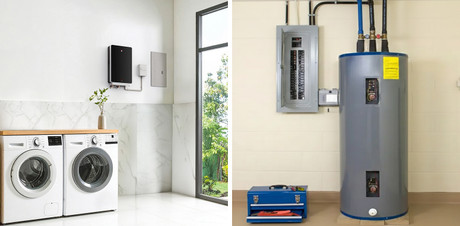
Traditional water heaters take up more space because they require a large storage tank. Many homeowners place them in basements, utility closets, garages, or laundry rooms. In smaller homes or apartments, this can be inconvenient.
Tankless water heaters are much more compact and can often be mounted on a wall. This saves floor space and provides more flexibility for installation. For homeowners with limited room, this is a major advantage.
Installation is another key difference. Replacing a traditional heater with another traditional model is usually simple. Switching from a tank heater to a tankless heater can require more adjustments, including upgraded ventilation or gas line improvements.
Even though installation may take more planning, the space-saving benefits and modern design make tankless systems appealing for homeowners upgrading their property.
Maintenance Requirements: What to Expect
Both tankless and traditional water heaters require maintenance, but the type of maintenance differs.
Traditional water heaters often need tank flushing to remove sediment buildup. Over time, minerals from hard water settle at the bottom of the tank, reducing efficiency and potentially causing damage. If sediment is not removed regularly, it can shorten the heater’s lifespan and lead to higher energy costs.
Tankless water heaters also require maintenance, especially descaling. Mineral buildup can accumulate inside the heat exchanger, particularly in areas with hard water. Most manufacturers recommend flushing the system every six months or as needed, depending on local water conditions.
While tankless maintenance is usually straightforward, it is important not to ignore it. A properly maintained tankless heater will perform better, last longer, and deliver more consistent hot water.
Water Usage and Environmental Impact
If you are trying to reduce your environmental footprint, tankless water heaters are often the better option.
Because they use energy only when needed, they typically consume less fuel or electricity over time. This reduces greenhouse gas emissions and lowers overall energy demand.
Traditional water heaters can waste energy due to standby heating, which adds up over the years. Even though many modern tank heaters are designed to be more efficient than older models, they still cannot match the efficiency potential of on-demand heating.
Additionally, tankless water heaters can support eco-friendly home upgrades such as solar power systems and energy-efficient building designs. For homeowners who want a greener lifestyle, tankless heating is a strong choice.
Safety and Reliability Considerations
Traditional water heaters are generally simple and reliable, but they come with a risk that tankless systems avoid: leaks and tank failure. Since a traditional system stores a large amount of water, a tank leak can cause serious property damage, especially if it happens unexpectedly.
Tankless water heaters do not store large volumes of water, which greatly reduces the risk of flooding. This makes them a safer option for homes where water damage would be costly, such as homes with finished basements or heaters installed indoors.
Both systems can be safe when installed properly. Proper ventilation, correct fuel connections, and professional installation are essential for gas-powered models.
Which Water Heater Is Better for Large Families?
For large families, the decision depends on hot water habits.
Traditional water heaters can work well if the tank is large enough. A 50 to 80-gallon tank may provide enough hot water for multiple people, but it can still run out during peak demand.
Tankless water heaters are often ideal for large families because they provide continuous hot water. However, the heater must be powerful enough to handle simultaneous use. In many cases, a larger home may need a high-capacity tankless system or even multiple tankless heaters working together.
If your family frequently uses hot water at the same time, a properly sized tankless heater can deliver excellent comfort and long-term savings.
Which Option Is Better for Smaller Homes or Apartments?
Smaller homes and apartments often benefit greatly from tankless water heaters.
The compact size is perfect for limited spaces, and smaller households typically have lower hot water demand, which means even a smaller tankless model can provide excellent performance.
Traditional water heaters can still be a practical choice for apartments if installation is easier and the building already supports a tank system. However, tankless heating is becoming more common in modern apartments because of its space efficiency and reduced energy waste.
Upfront Investment vs Long-Term Savings
A traditional water heater is usually easier on the wallet in the beginning. For homeowners on a tight budget, this can be the deciding factor.
However, tankless water heaters often win in the long run. Between lower energy bills and longer lifespan, the total cost of ownership can be lower over time.
The best way to think about it is this: traditional systems are cheaper to buy, while tankless systems are designed to save money through efficiency and durability.
If you plan to stay in your home for many years, a tankless water heater can be an excellent long-term investment.
Choosing the Right Water Heater for Your Home
So, which is better, tankless or traditional?
A traditional water heater may be best if you want a lower upfront cost, simple replacement installation, and reliable hot water storage for basic household needs.
A tankless water heater may be best if you want energy efficiency, longer lifespan, continuous hot water, and a space-saving design.
The right choice depends on your household size, daily water usage, fuel availability, and long-term budget goals. If you want a modern, efficient solution that delivers comfort without wasting energy, tankless heating is often the superior option.
At Eccotemp, you can find reliable, high-performance tankless water heaters designed for both indoor and outdoor use. Whether you need hot water for a family home, a vacation cabin, or an outdoor adventure setup, choosing the right system can transform your daily comfort and help you save on energy costs.
Final Verdict: Tankless or Traditional?
When comparing tankless water heaters vs traditional water heaters, it is clear that both have their strengths. Traditional systems are affordable and familiar, while tankless systems provide better efficiency, longer lifespan, and unlimited hot water potential.
For homeowners focused on energy savings, modern performance, and long-term value, tankless water heaters are often the best choice. For homeowners who prefer a lower initial investment and simple installation, a traditional storage tank heater can still be a dependable solution.
If you are ready to upgrade your home’s hot water system, explore the tankless options available only at Eccotemp and find the perfect match for your needs.
Frequently Asked Questions (FAQ)
What is the main difference between a tankless water heater and a traditional water heater?
The main difference is that a traditional water heater stores hot water in a tank and keeps it heated all day, while a tankless water heater heats water only when you turn on a tap, providing hot water on demand without storing it.
Which water heater is more energy efficient?
A tankless water heater is generally more energy efficient because it only heats water when needed, while traditional water heaters lose energy by constantly reheating stored water even when it is not being used.
Does a tankless water heater provide unlimited hot water?
A tankless water heater can provide continuous hot water as long as it is properly sized for your household demand. If multiple showers and appliances run at the same time, the hot water flow may decrease if the heater cannot keep up.
Is a traditional water heater cheaper than a tankless water heater?
Yes, traditional water heaters usually cost less upfront and are often less expensive to install. However, tankless water heaters can save more money over time through lower energy bills and a longer lifespan.
How long does a tankless water heater last compared to a traditional one?
Tankless water heaters typically last around 15 to 20 years with proper maintenance, while traditional water heaters usually last about 8 to 12 years, depending on usage and water conditions.
Which type of water heater is better for a large family?
Tankless water heaters are often better for large families because they provide continuous hot water, but they must be powerful enough to handle multiple hot water demands at once. Traditional heaters can also work well if the tank size is large enough, but the hot water supply may run out during peak use.
Are tankless water heaters more expensive to maintain?
Tankless water heaters require regular descaling, especially in areas with hard water, but maintenance is generally simple. Traditional water heaters also require maintenance, such as flushing the tank to remove sediment buildup.
Do tankless water heaters save space?
Yes, tankless water heaters are compact and can often be mounted on a wall, making them a great option for homes or apartments with limited storage space. Traditional water heaters take up more room because of the large tank.
Can I replace my traditional water heater with a tankless water heater?
Yes, you can replace a traditional water heater with a tankless model, but installation may require upgrades such as improved ventilation, gas line adjustments, or electrical improvements, depending on your home setup.
Which option is best for long-term savings?
A tankless water heater is usually better for long-term savings because it uses less energy and lasts longer. While the upfront cost is higher, the reduced utility bills and longer lifespan can make it more cost-effective over time.